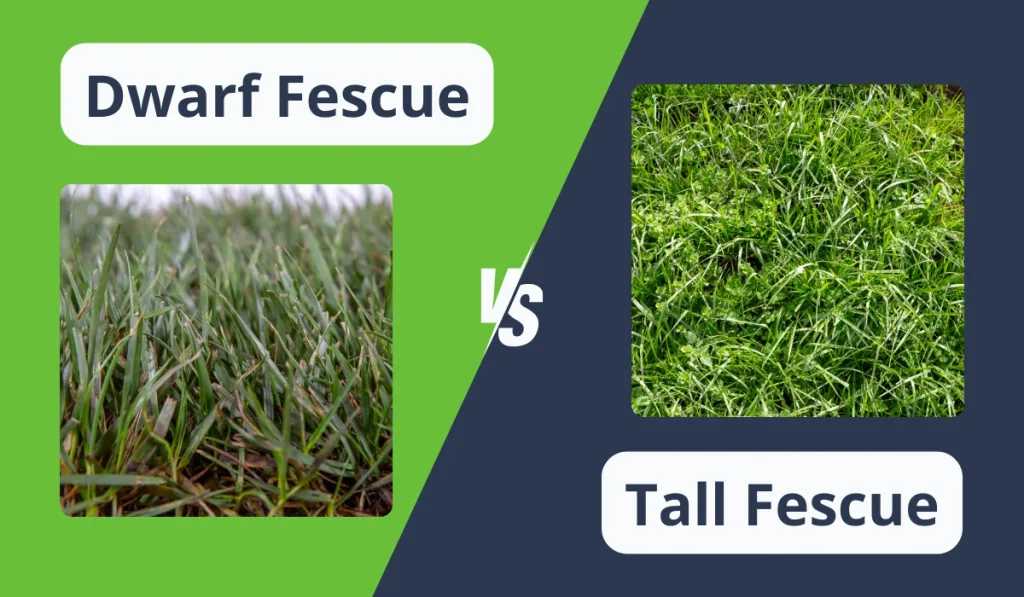
Yes, there is a difference between fescue and tall fescue. While both are types of grasses often used for lawns and pastures, tall fescue is a specific variety known for its height, durability, and adaptability. Regular fescue can refer to several fine or tall types, but tall fescue is distinguished by its coarse texture and vigorous growth habit. Understanding these differences can help you choose the right grass for your needs, whether for a lush lawn or a resilient pasture.
Fescue is a broad term covering various cool-season grasses, including fine fescues and tall fescue. Tall fescue is a more robust, coarse grass that grows taller and is better suited to withstand drought and heavy foot traffic. Knowing these distinctions is key to maintaining a healthy, attractive outdoor space or pasture.
If you’re wondering whether to plant fescue or tall fescue, the answer depends on your specific needs. Tall fescue is ideal for durability and low maintenance, making it perfect for high-traffic areas, while other fescues may be better for finer lawns. Let’s explore the differences to help you make an informed decision.
Fescue grasses are popular choices for lawns and pastures because of their resilience and aesthetic appeal. Among them, tall fescue stands out for its tall growth, toughness, and ability to thrive in various conditions. It is especially valued in regions where drought resistance and wear tolerance are essential. In contrast, many other fescues are finer, softer, and better suited for ornamental lawns. Recognizing these differences allows homeowners and farmers to select the best grass type for their climate, soil, and usage needs, ensuring a lush, healthy landscape that stands the test of time.

Is there a difference between fescue and tall fescue?
Understanding the Basics of Fescue
Fescue is a type of cool-season grass that is popular for lawns, parks, and sports fields. It is known for its fine texture and rich green color. There are different types of fescue, but all share some common features, such as their adaptability to various climates and soil types.
What Is Tall Fescue?
Tall fescue is a specific variety of fescue grass. It gets its name from its tall, coarse blades that can grow quite long. This grass is well-loved for its durability and ability to withstand drought and heavy foot traffic. It is commonly used in lawns, pastures, and sports fields because of its tough nature.
Key Differences Between Fescue and Tall Fescue
While all tall fescue is a type of fescue, not all fescue is tall fescue. The main differences include their height, leaf texture, growth habits, and ideal planting conditions.
Height and Growth Style
- Fescue: Generally shorter, with a height ranging from 6 to 18 inches depending on the type. It can form dense, fine-textured patches or clumps.
- Tall Fescue: Grows taller, often reaching 24 inches or more. It has a coarser texture and grows in clumps with bunch-type growth habits.
Leaf Texture and Appearance
- Fescue: Produces fine, narrow leaves that give lawns a soft, lush appearance. It blends well with other grasses.
- Tall Fescue: Has broader, rougher leaves. Its coarser texture makes it stand out in a lawn but also makes it more resilient.
Root System and Drought Tolerance
- Fescue: Has a shallow root system, which can make it sensitive to drought conditions.
- Tall Fescue: Has a deep, extensive root system that allows it to access water deeper in the soil. It is more drought-resistant.
Growing Conditions and Soil Preferences
Tall fescue adapts well to a variety of soil types, including clay and sandy soils, due to its robust root system. It prefers full sun but can tolerate some shade. Regular watering and fertilization help maintain its health.
Standard fescue types, such as fine fescue, thrive in cooler weather and prefer moist, well-drained soils. They are often used in shaded areas and low-traffic lawns for their fine texture and aesthetic appeal.
Maintenance Needs and Care Tips
Tall fescue requires less frequent mowing because of its height and toughness. It benefits from periodic aeration and fertilization to keep it green and healthy. Its drought resistance reduces the need for constant watering.
Regular fescue grass needs more frequent watering and mowing to maintain its fine appearance. It responds well to overseeding in fall and needs attentive watering during dry periods.
Common Uses of Fescue and Tall Fescue
Both grasses are used for similar purposes, but their specific traits influence where they are best suited. Let’s look at typical applications for each.
Fescue
- Ideal for shaded lawns
- Suitable for low-traffic areas
- Used in ornamental gardens for fine texture
Tall Fescue
- Perfect for high-traffic lawns and sports fields
- Great for pastures and grazing lands
- Used in roadside and erosion control due to its strong roots
How to Choose Between Fescue and Tall Fescue
Choosing the right grass depends on your specific needs and environment. Consider factors like climate, soil type, traffic, and aesthetic preferences.
- If you want a soft, fine-textured lawn in a shaded area, fine fescue might be best.
- If you need a hardy, drought-tolerant grass for a high-traffic space, tall fescue is the better choice.
Environmental Impact and Sustainability
Tall fescue’s deep roots help reduce water use and prevent soil erosion, making it environmentally friendly. It also requires fewer fertilizers and pesticides compared to more delicate grasses.
Fescue varieties with fine texture often need more water and nutrients, which can impact sustainability unless managed carefully. Proper lawn care practices can make a significant difference in environmental impact.
Summary of Key Points
| Feature | Fescue | Tall Fescue |
|---|---|---|
| Height | 6-18 inches | 24 inches or more |
| Leaf Texture | Fine and soft | Coarse and broad |
| Growth Habit | Dense or clumping | Bunch-type or clumping |
| Root System | Shallow | Deep and extensive |
| Drought Tolerance | Moderate | High |
Additional Related Topics
- Best Fertilizer Practices for Fescue and Tall Fescue
- Seeding and Establishment Tips
- Dealing with Common Pests and Diseases
- Seasonal Lawn Care for Fescue Grass
The decision between fescue and tall fescue comes down to your specific lawn goals and environmental conditions. Both grasses offer unique benefits and can help you achieve a lush, healthy lawn when matched correctly to your needs.
Tall Fescue Pros And Cons
Frequently Asked Questions
What are the key physical differences between fescue and tall fescue?
Fescue and tall fescue differ mainly in their physical appearance. Tall fescue features a coarser texture with broader leaves and typically grows taller, reaching heights between 2 to 4 feet. In contrast, common fescue has finer leaves, stays shorter at around 1 to 2 feet, and tends to form dense, fine-textured patches. These physical traits make tall fescue more noticeable in landscape settings, while other fescue varieties blend more seamlessly into lawns and shaded areas.
How do their growth habits vary over the seasons?
Tall fescue is a cool-season grass that actively grows during spring and fall, maintaining its green color in cooler temperatures. It has a vigorous growth pattern and can handle heavier foot traffic. Standard fescue varieties also thrive in cooler weather but often go through a period of dormancy during very hot summers, turning brown or dormant. The detailed growth habits depend on the specific type of fescue, but tall fescue generally maintains more consistent growth throughout the year.
What should I consider when choosing between these grasses for my lawn?
When selecting between tall fescue and other types of fescue, consider your climate, soil conditions, and lawn use. Tall fescue adapts well to heavier traffic and withstands drought better, making it suitable for active outdoor spaces. Other fescue varieties, like fine fescues, perform better in shaded areas and require less maintenance. Understanding the specific needs of your yard helps determine which grass aligns best with your landscaping goals and environmental conditions.
Are there differences in maintenance requirements for tall fescue versus other fescue types?
Yes, tall fescue generally requires more maintenance compared to fine fescues. It benefits from regular mowing, fertilization, and occasional overseeding to maintain its density. Tall fescue’s deep root system helps it survive droughts, but it might need supplemental watering during extended dry periods. In contrast, fine fescues prefer less frequent mowing and fertilization and are more tolerant of shade, requiring less overall upkeep.
How does their tolerance to environmental stress differ?
Tall fescue exhibits strong resilience to environmental stresses such as drought, heat, and heavy foot traffic. Its deep root system allows it to access moisture from deeper soil layers, making it suitable for challenging conditions. Other fescue varieties, like fine fescues, excel in shaded, cooler environments but may struggle with drought or high temperatures. Understanding these differences helps in choosing the grass that best fits your local climate and landscape use.
Final Thoughts
Fescue is a broad term for various cool-season grasses used in lawns and pastures. Tall fescue, a specific type, is known for its height and dense growth. It thrives in diverse soil conditions and stays resilient through varying weather.
Many gardeners wonder if there is a difference between fescue and tall fescue. The key distinction lies in their size and growth habits. Understanding these differences helps in choosing the right grass for your needs.