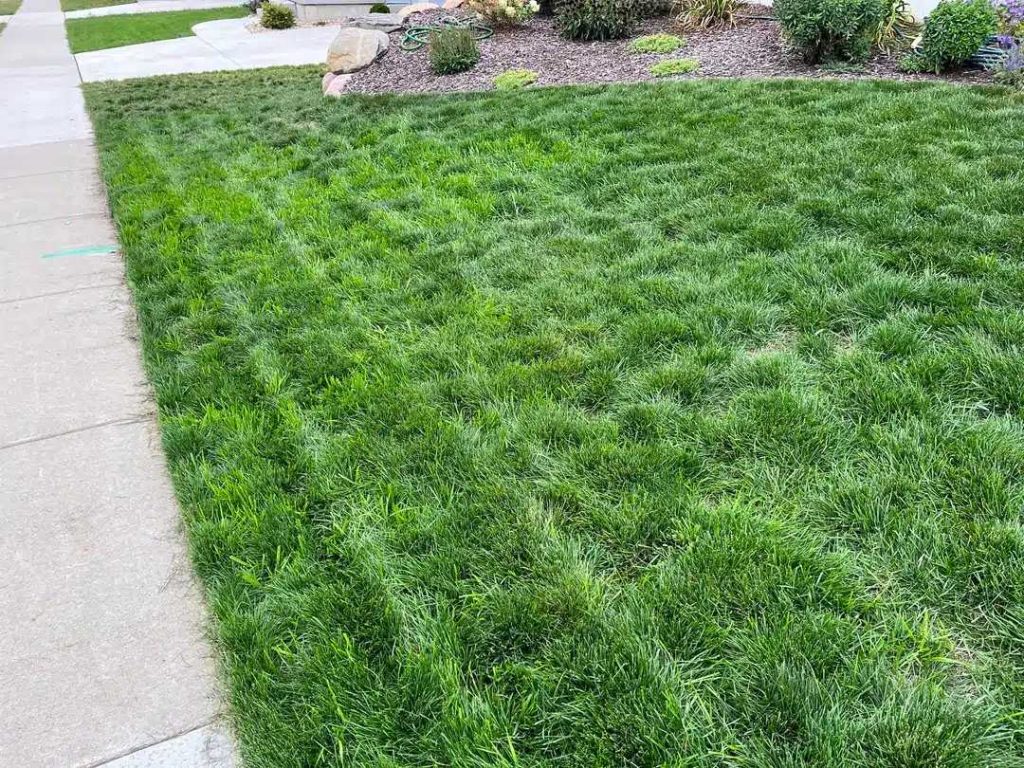
Yes, tall fescue can make a good lawn, especially if you prioritize resilience and low maintenance. Its deep roots help it withstand drought and heavy foot traffic, making it a popular choice for many homeowners. However, it may not provide the fine, lush appearance some people desire, and it can require regular mowing and weed control to keep it looking its best. Overall, tall fescue is a practical, durable option that performs well in various climates and soil types.
Tall fescue is known for its toughness and adaptability, making it an excellent choice for lawns that need to withstand challenging conditions. If you’re looking for a grass that’s easy to care for, resistant to drought, and handles rough use, tall fescue can be a smart pick. Though it might not have the delicate beauty of fine grasses like Kentucky bluegrass, its robust nature makes it suitable for a functional, attractive lawn. Whether for a family yard or a high-traffic area, tall fescue offers a balance of resilience and practicality that many homeowners find appealing.

Does tall fescue make a nice lawn?
What Is Tall Fescue?
Tall fescue is a popular type of cool-season grass. It is known for its thick, coarse texture and deep green color. This grass is often used in lawns because it can handle various weather conditions.
Advantages of Tall Fescue for Lawns
Tall fescue offers many benefits for homeowners. It is highly drought-resistant, meaning it can survive with less water. This makes it a low-maintenance choice for busy households.
It is also tolerant of foot traffic, making it ideal for yards that see a lot of activity. Tall fescue has deep roots, allowing it to stay healthy even during dry spells. Additionally, it resists many common lawn pests and diseases, reducing the need for chemicals or sprays.
Appearance: Does Tall Fescue Make a Visually Appealing Lawn?
Tall fescue creates a lush, green carpet that looks full and inviting. Its blades are typically broad, giving the lawn a dense appearance.
The grass’s coarse texture may vary from smooth to slightly rough, which some people find appealing. Overall, tall fescue produces a vibrant and consistent look that many homeowners appreciate.
Growth and Maintenance Needs of Tall Fescue
Tall fescue grows quickly, helping to establish a lawn faster than some other grasses. It requires moderate mowing, usually once a week or as needed to keep it at the desired height.
Unlike some grasses, tall fescue does not need frequent fertilizing. Providing a balanced fertilizer in spring and fall helps maintain its color and strength.
Watering should be deep but infrequent, encouraging roots to grow deeper into the soil. Proper watering combined with mowing keeps the lawn healthy and attractive.
How Tall Fescue Differs from Other Lawn Grasses
Compared to Kentucky bluegrass or Bermuda grass, tall fescue is more tolerant of drought and poor soil conditions.
It also requires less frequent watering and fertilizing than some warm-season grasses. Yet, it offers a different visual texture, often appearing more coarse than fine-bladed grasses.
While Kentucky bluegrass provides a softer feel, tall fescue’s dense growth makes it good for high-traffic areas.
Adaptability to Different Climates and Soil Types
Tall fescue adapts well to a variety of climates, thriving both in cooler and warmer regions. It does best in well-draining soil with a pH between 5.5 and 7.5.
For areas with poor soil, adding organic matter or soil amendments improves growth. Proper soil preparation enhances the lawn’s overall appearance and health.
In colder climates, tall fescue remains evergreen through winter, providing year-round visual interest.
Challenges and Limitations of Tall Fescue
While tall fescue has many positives, it also has some limitations. It can sometimes develop thatch buildup, which needs to be managed with aeration.
The coarse texture may not appeal to everyone, especially those who prefer a fine-textured lawn.
In warmer months, tall fescue may struggle in extreme heat unless well-watered and fertilized properly. It is also susceptible to certain pests like billbugs and fungal diseases if not maintained properly.
Best Practices for Growing a Tall Fescue Lawn
To ensure a healthy, attractive tall fescue lawn, follow these tips:
- Choose a high-quality seed variety suited for your region.
- Prepare the soil by aerating and adding compost or fertilizers.
- Plant the seed in early spring or fall for optimal growth.
- Water deeply once or twice a week, avoiding overwatering.
- Maintain a mowing height of 3 to 4 inches for best results.
- Apply fertilizers in spring and fall based on soil test recommendations.
Overseeding and Lawn Renovation
Overseeding can help maintain thick coverage, especially if patches develop over time. Fertilizing and watering after overseeding promote new growth.
Renovating an existing lawn with tall fescue involves removing any weeds and preparing the soil for new seed. Proper timing and care can produce a vibrant, resilient lawn.
Related Topics
- Choosing the Right Grass for Your Climate: Understanding regional recommendations for lawn grasses.
- Water Conservation Tips for Lawns: How to keep a healthy lawn with less water.
- Lawn Pest and Disease Management: Strategies to prevent and treat common issues.
- Soil Tests and Amendments: Ensuring your soil provides optimal conditions for tall fescue.
Final Thoughts: Is Tall Fescue a Good Choice for Your Lawn?
Tall fescue can make a **beautiful, hardy lawn** when properly established and maintained. It is especially suitable for areas with drought or high foot traffic. Its low maintenance needs and adaptability make it a favorite for many homeowners.
While it may not offer the ultra-fine appearance of some grasses, its dense, green coverage provides a practical and appealing landscape. With proper care, tall fescue will continue to look good and perform well across different conditions.
Tall Fescue Pros And Cons
Frequently Asked Questions
What are the visual advantages of having tall fescue in a lawn?
Tall fescue is known for its lush, dense, and dark green appearance, which creates an attractive and inviting lawn. Its fine-textured leaves and upright growth habit give the lawn a uniform and well-kept look. Additionally, its ability to grow thicker can help suppress weeds, maintaining a clean and vibrant appearance throughout the growing season.
How does tall fescue perform in different weather conditions?
Tall fescue handles a variety of weather conditions well. It thrives in moderate to semi-arid climates and can withstand heat and drought better than many other grasses. In cooler weather, tall fescue remains green and healthy with proper maintenance. Its adaptability makes it a reliable choice for lawns in regions with variable climate patterns.
Is tall fescue suitable for high-traffic areas in my yard?
Yes, tall fescue is highly tolerant of foot traffic, making it an excellent choice for lawns with frequent activity. Its deep-rooted structure helps it recover quickly from wear and tear. This resilience allows you to enjoy outdoor activities without worrying about damaging the grass or needing extensive repairs afterward.
What maintenance practices can help keep tall fescue looking its best?
To keep tall fescue healthy and attractive, provide regular mowing to maintain an optimal height, typically around 3 to 4 inches. Water deeply and infrequently to encourage deep root growth, and fertilize appropriately to supply necessary nutrients. Aerating the soil each year also improves air circulation and root development, promoting a vibrant lawn.
Can tall fescue handle shade better than other grasses?
Tall fescue offers good shade tolerance compared to many warm-season grasses. While it thrives best in full sun, its ability to grow in partial shade makes it versatile for various yard conditions. Proper selection of tall fescue varieties and proper care can enhance its performance in shaded areas.
Final Thoughts
Tall fescue is a popular option for many homeowners. It offers good drought tolerance and a dense, green appearance. Its deep root system helps it thrive in various soil conditions.
While it requires some maintenance, tall fescue provides an attractive and resilient lawn. It is suitable for areas with foot traffic and offers a lush look.
Ultimately, does tall fescue make a nice lawn? Yes, it creates a durable, attractive space that withstands weather challenges.