Figuring out when to apply grub control in Massachusetts trips up almost everyone at first. The timing isn't a single date on the calendar. It depends on which grub species you're dealing with, what product you're using, and whether you're trying to prevent damage or stop it after it's already started.
Here's what most people miss. Massachusetts has two major grub species with different life cycles, and applying at the wrong time wastes money and leaves your lawn vulnerable. The general preventive window runs mid-June through late July, but that's just the starting point.
Let's walk through exactly how to nail the timing for your situation.
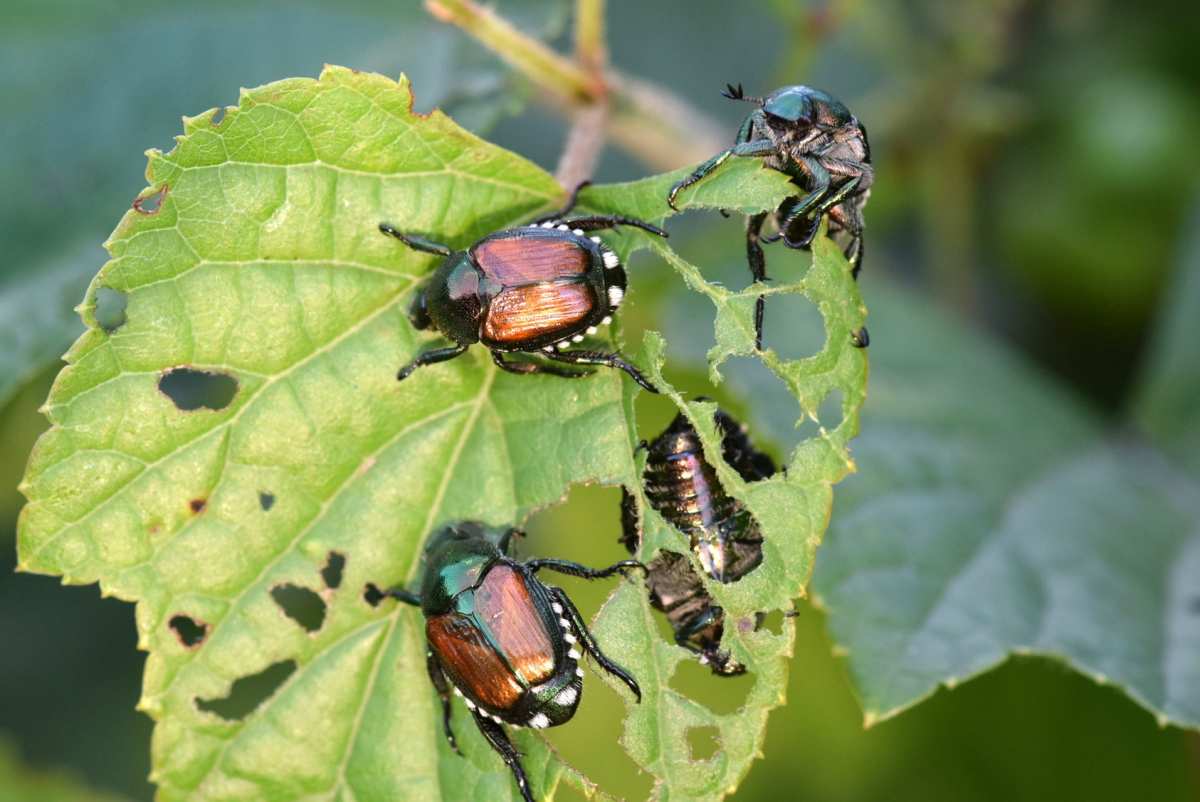
Image source: Bing (Web (fair-use with source credit))
Quick Answer
Apply preventive grub control in Massachusetts between mid-June and late July. Target the period just before Japanese beetle and European chafer eggs hatch. If you're using a curative product, apply in August or September when grubs are small and actively feeding.
Always scout your lawn first to confirm grubs are present before treating.
Why Most People Get Grub Timing Wrong in Massachusetts
The biggest mistake is treating grubs like they follow one simple schedule. They don't. Massachusetts sits in a transition zone where multiple scarab species overlap, and each one has its own adult flight and egg-laying timeline.
People also tend to wait until they see brown patches in the lawn. By that point, the grubs have already been feeding for weeks. You're in curative mode at that stage, which is harder and more expensive than prevention.
Another common error is applying preventive insecticide too early. If you put it down in May and the beetles don't lay eggs until late July, the product's residual activity may have already degraded. You've spent money and gotten no protection.
The fix is straightforward. Know your species, understand the product you're using, and time the application to match the actual biology happening in your soil.
What's Actually Happening Underground: Massachusetts Grub Species Breakdown
Massachusetts has two primary grub species that cause lawn damage. There are others, but these two account for the vast majority of calls to extension offices and lawn care companies across the state.
Japanese Beetle Lifecycle and Timing
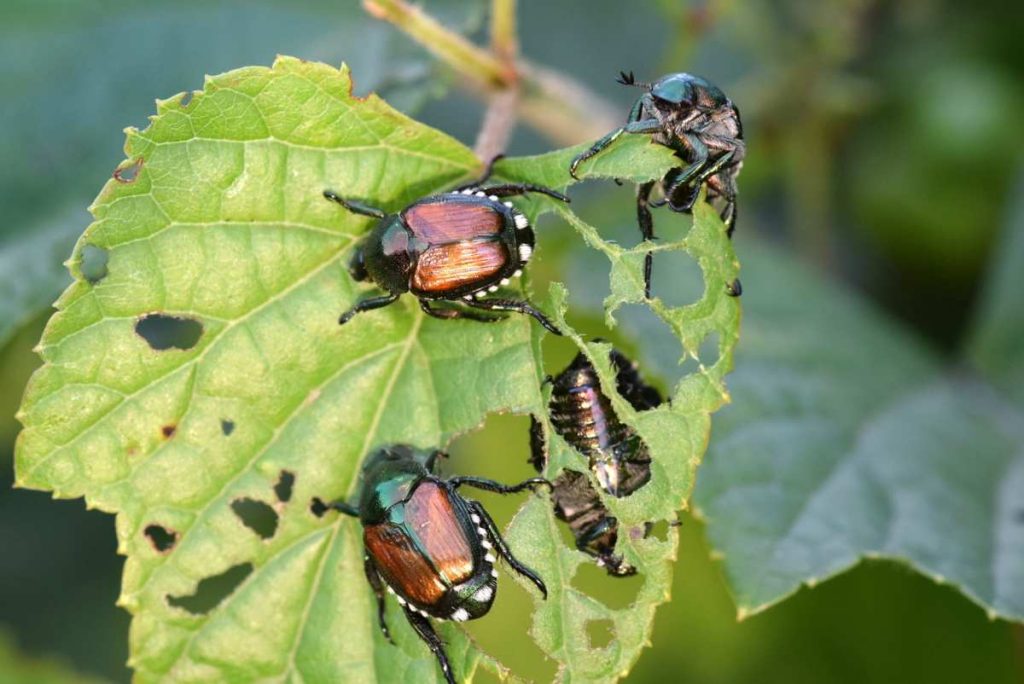
Japanese beetles are the most notorious. The adults emerge in early July across most of Massachusetts, with peak flight typically hitting mid-July through early August. The females burrow into moist soil, lay eggs, and those eggs hatch within two weeks.
The tiny first-instar grubs start feeding on grass roots almost immediately. They grow through three instar stages, getting progressively larger and more damaging as summer turns to fall. By late September and October, they're in the third instar and doing the most harm.
Here's the critical timing detail. The adults are visible on your roses, linden trees, and garden plants. When you see them feeding heavily, that's your signal that egg-laying is happening or about to happen in your lawn.
European Chafer Lifecycle and Timing
European chafers fly earlier than Japanese beetles. Adult flight peaks in late June through mid-July across Massachusetts. The eggs hatch faster too, often within 10 to 14 days.
This species is trickier because the adult beetles are less obvious. They're tan-brown, smaller than Japanese beetles, and they fly at dusk. Most homeowners never notice them.
The first sign of a problem is brown turf in August.
European chafer grubs tend to cause damage earlier in the season than Japanese beetle grubs. If you're seeing lawn damage in mid-August, chafers are a likely culprit.
Which Species Is Probably in Your Yard
Here's a quick way to narrow it down.
| Clue | Japanese Beetle | European Chafer |
|---|---|---|
| Adult beetles visible | Yes, metallic green/copper, daytime | Less visible, tan, dusk flyers |
| Peak adult activity | Mid-July to early August | Late June to mid-July |
| Egg hatch | Late July to mid-August | Mid-July to early August |
| Damage appears | Late August through October | Mid-August through October |
| Most common in | Southern and central MA | Statewide, heavy in eastern MA |
If you're not sure which species you have, don't panic. The preventive application window overlaps enough that a well-timed treatment covers both. The key is getting the product down just before the first major egg hatch, which in most of Massachusetts means late June through mid-July.
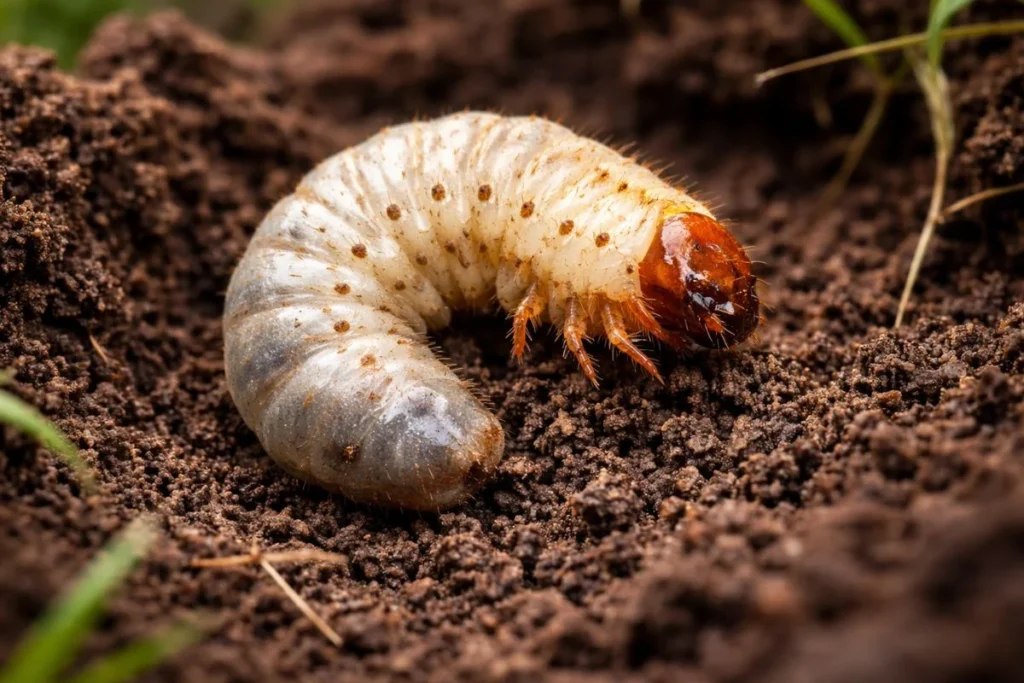
Image source: Bing (Web (fair-use with source credit))
How to Scout Before You Spend a Dime
Before you buy any product, you need to confirm you actually have a grub problem. Not every brown lawn patch is grubs. It could be drought stress, fungal disease, dog urine damage, or irrigation issues.
Scouting takes about five minutes and saves you from treating a problem that doesn't exist.
The Square-Foot Test: Your Five-Minute Diagnostic
This is the standard method recommended by UMass Extension. Here's how to do it.
- Pick a spot where the healthy grass meets the damaged area. That's where grubs are most concentrated.
- Cut a one-square-foot section of turf, about two inches deep, on three sides.
- Peel back the sod like a carpet and examine the soil and root zone.
- Count every grub you see.
- Replace the sod and water it back in.
Do this in at least three or four spots around the damaged area. Then average your counts.
The Tug Test: When to Stop Guessing
If the grass pulls up easily, almost like lifting a loose rug, you've got significant grub feeding. The grubs have chewed through the roots, and the turf is no longer anchored.
This test works best in late summer and early fall when grubs are larger and feeding heavily. If you can pull up large sections of lawn with minimal effort, the damage threshold has been exceeded and treatment is warranted.
Your Damage Threshold Cheat Sheet
Not every grub in your lawn requires treatment. Here's when to act.
| Grubs per Square Foot | Action Needed |
|---|---|
| 0 to 5 | No treatment needed. Monitor next year. |
| 5 to 10 | Borderline. Treat if lawn is high-value or irrigated. |
| 10 to 15 | Treatment recommended. Damage likely visible. |
| 15+ | Treat immediately. Significant damage occurring. |
These thresholds assume a cool-season lawn in decent condition. If you're maintaining a high-visibility lawn or recently invested in sod, you might want to treat at lower counts. If it's an out-of-the-way area with mixed turf quality, you can tolerate more.
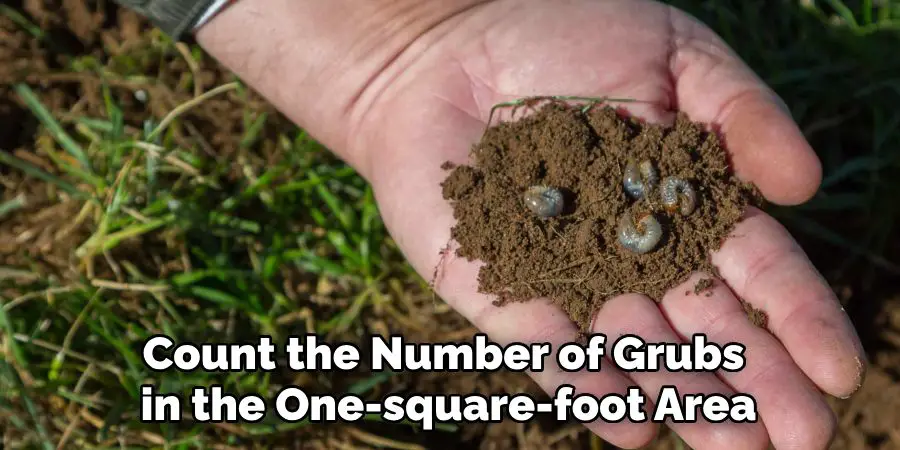
Image source: Bing (Web (fair-use with source credit))
The Decision Framework: When to Apply Based on Your Situation
This is where it all comes together. Your timing depends on what you know, what you're using, and what you're trying to accomplish.
Branch 1: You Know What Beetles Are in Your Area
If you've confirmed Japanese beetles in your neighborhood, target your preventive application for late June through mid-July. That gets the product in the soil before the first eggs hatch.
If European chafers are your problem, shift earlier. Apply preventive control in mid-June to early July. Their flight and egg-laying cycle runs about two weeks ahead of Japanese beetles.
If you've got both species, which is common across much of Massachusetts, aim for the overlap. Late June through early July is your sweet spot. You'll catch the tail end of chafer egg hatch and the beginning of Japanese beetle egg hatch.
Branch 2: You're Using Preventive Control
Preventive products need to be in the soil before the eggs hatch. The active ingredient sits in the thatch and upper soil layer, and when the tiny grubs start feeding, they ingest it and die.
The best preventive window for Massachusetts is mid-June through late July. This covers both major species.
Here's the critical step most people skip. You must water the product in after application. About half an inch of water within 24 to 48 hours moves the active ingredient into the soil where the grubs will encounter it.
Without watering, the product sits on the surface and degrades in sunlight.
Branch 3: You're Using Curative Control
Curative products work on grubs that are already present and feeding. They're faster-acting but have a narrower application window because they need to hit the grubs when they're small and most vulnerable.
The curative window in Massachusetts runs August through September. Target first and second instar grubs, which are still small and susceptible to the insecticide.
Trichlorfon (sold as Dylox) is the most common curative active ingredient. It works on contact and through ingestion, and it breaks down relatively quickly in the soil. That's actually a good thing if you're worried about residual chemical presence.
The downside of curative control is that some damage has already occurred by the time you treat. You're stopping the problem from getting worse, but you won't reverse the brown patches that are already there.
Branch 4: You've Already Got Damage
If you're reading this in September and your lawn has visible brown patches, you have two options.
Option one: Apply a curative product now to save the remaining healthy turf. This prevents the surviving grubs from doing more damage and gives your lawn a better chance of recovering before winter.
Option two: Skip treatment this year and plan for preventive application next summer. If the damage is extensive, you may need to overseed or renovate affected areas in early fall anyway.
Most lawn care professionals recommend treating if you find more than 10 grubs per square foot, even late in the season. The grubs will overwinter in the soil and resume feeding next spring. Eliminating them now saves you from a repeat problem next year.
Choosing the Right Product for Your Timing Window
The product you choose determines your application timing. You can't pick the product and the date independently. They're linked.
Preventive Products (Apply Before Eggs Hatch)
| Product | Active Ingredient | Application Window | Residual |
|---|---|---|---|
| GrubEx | Chlorantraniliprole | Mid-June to late July | Up to 4 months |
| Merit | Imidacloprid | June to early August | Several months |
Chlorantraniliprole is the most common active ingredient in consumer-grade preventive grub products. It's a reduced-risk pesticide that targets insect muscle function. It's systemic, meaning the grass absorbs it and the grubs ingest it while feeding on roots.
Imidacloprid is a neonicotinoid. It's effective but comes with environmental considerations, particularly regarding pollinator exposure. Massachusetts has specific regulations around neonicotinoid use, so check current guidelines before purchasing.
Curative Products (Apply After Eggs Hatch)
| Product | Active Ingredient | Application Window | Notes |
|---|---|---|---|
| Dylox | Trichlorfon | August to September | Fast-acting, short residual |
Trichlorfon is an organophosphate that works quickly. It's your best bet when grubs are already present and causing visible damage. Apply it as soon as you confirm grubs are at or above the damage threshold.
The short residual is actually an advantage here. You're targeting an immediate problem, and you don't want the chemical lingering in your soil for months.
Biological and Organic Alternatives
Milky spore disease (Paenibacillus popilliae) is a bacterium that specifically targets Japanese beetle grubs. It takes several years to establish in the soil, so it's a long-term strategy rather than a quick fix.
Beneficial nematodes (Heterorhabditis bacteriophora) are microscopic worms that seek out and kill grubs. They work best when soil temperatures are between 60 and 85 degrees Fahrenheit and the soil is moist. Apply them in the evening since they're sensitive to UV light.
These biological options are worth considering if you're committed to an organic lawn care program. Just understand that they require more precise conditions and often multiple applications to achieve results comparable to synthetic insecticides.
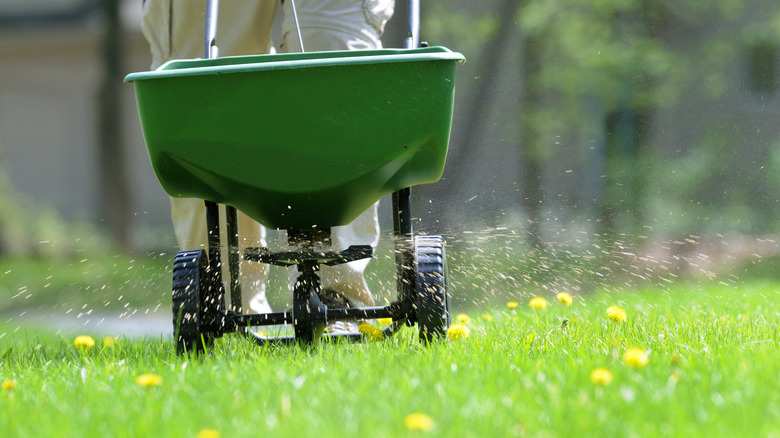
Image source: Bing (Web (fair-use with source credit))
When Biological Controls Make Sense (And When They Don't)
Biological controls work best as long-term prevention, not emergency treatments. If you've got 20 grubs per square foot right now, nematodes and milky spore won't save your lawn this season.
Beneficial nematodes are effective when conditions align. Apply them when soil temperatures sit between 60 and 85 degrees Fahrenheit. Water the lawn before and after application.
Apply in the evening since UV light kills them quickly.
Milky spore takes two to three years to build up in your soil. It only targets Japanese beetles, so it won't help with European chafers. Once established, it can persist for a decade or more.
Use biological controls if you're committed to organic lawn management. Use synthetic insecticides if you need reliable results this season.
Massachusetts-Specific Timing Map: County by County Considerations
Coastal areas and the Islands see adult beetle emergence about one to two weeks earlier than the Berkshires. Cape Cod and the Islands should start scouting in mid-June. The Connecticut River Valley and western counties can often wait until late June.
Urban heat islands in Boston, Worcester, and Springfield accelerate beetle activity by several days. If you're in a dense urban neighborhood, lean toward the earlier end of the application window.
Elevation matters too. Properties above 1,000 feet in the Berkshires or Hilltowns may see beetle flight delayed by a full week compared to nearby valley locations. Check growing degree day data from UMass Extension for your specific area.
The Application Process: Getting It Right Once You've Decided
Proper application makes the difference between effective control and wasted product. The steps are simple but specific.
Spreader Calibration Made Simple
Set your rotary spreader to the rate listed on the product label. Most granular grub controls apply at 2 to 3 pounds per 1,000 square feet.
Fill the spreader on a hard surface, not the lawn. That way you can see any spills and avoid over-application in one spot. Walk at a steady pace and overlap each pass by half the spreader width.
Close the spreader when you reach the end of each pass. Don't turn with it open. That creates heavy spots that can stress the grass.
Watering-In: The Step Everyone Skips
Water the lawn with about half an inch of water within 24 to 48 hours after application. This moves the active ingredient down into the soil and thatch layer where grubs feed.
Don't apply granular product if heavy rain is forecast within 24 hours. The granules can wash off target into storm drains and waterways. Light rain is fine.
Heavy downpours are not.
If you're using a liquid formulation, watering-in is less critical since the product penetrates faster. Still, a light irrigation helps move it into the root zone.
Record-Keeping for Next Year
Write down the date you applied, the product name, the rate, and the area treated. Note where you saw the most beetle activity and where grub counts were highest.
This information is gold for next year's timing. You'll know exactly when the pressure hit your property and can time your preventive application accordingly.
Real Scenarios: Three Massachusetts Homeowners, Three Different Answers
Scenario 1: Cape Cod Cottage Lawn, Japanese Beetles
A homeowner in Chatham sees Japanese beetles on her roses in early July. She finds 12 grubs per square foot in her lawn by late July. She applies a curative product in early August and waters it in that evening.
She plans to switch to preventive control the following June.
Scenario 2: Suburban Boston Property, European Chafers
A homeowner in Newton notices brown patches in mid-August. He cuts back the sod and finds 15 European chafer grubs per square foot. He applies trichlorfon immediately.
He also schedules preventive application for mid-June next year to get ahead of the earlier chafer lifecycle.
Scenario 3: Western Massachusetts Farmhouse, Mixed Species
A homeowner in Amherst has both Japanese beetles and European chafers. She applies preventive grub control in late June to cover both species' egg hatch windows. She scouts in August and finds only 3 grubs per square foot.
The preventive treatment worked, and she repeats the same timing next year.
Common Mistakes That Waste Money and Damage Lawns
Applying preventive product after eggs have already hatched is the costliest error. You've spent money on a product designed to prevent a problem that's already started. Always match the product type to the current grub life stage.
Skipping the watering-in step is the second most common mistake. Granules sitting on the surface degrade in sunlight and never reach the soil where grubs feed. Your lawn gets little to no protection.
Treating when grub counts are below the damage threshold wastes money and adds unnecessary chemicals to your property. Scout first. Treat only when the numbers justify it.
Using the same product class year after year can lead to resistance. If you've been relying on chlorantraniliprole for several seasons and notice declining effectiveness, consider rotating to a different active ingredient.
Safety and Regulatory Notes for Massachusetts Residents
Licensing Requirements
Homeowners can apply general-use grub control products without a license. Professional applicators must hold a valid pesticide applicator license issued by the Massachusetts Department of Agricultural Resources.
If you hire a lawn care company, verify they're licensed and insured. Ask for their MDAR license number and confirm it's current.
Neonicotinoid Considerations
Imidacloprid is a neonicotinoid. Massachusetts has restrictions on neonicotinoid use in areas where pollinators are present. Avoid applying these products to flowering plants or during bloom periods.
Read the product label carefully. The label is a legal document, and following it is required by both state and federal law.
Pollinator and Well Water Precautions
Keep children and pets off treated lawns for the duration specified on the product label. This is typically 24 to 48 hours for granular formulations.
If you have a private well, maintain at least 50 feet of buffer between the wellhead and the treated area. Check with your local board of health for additional setback requirements specific to your town.
Long-Term Lawn Health: Beyond This Season's Grub Problem
Healthy lawns tolerate more grub pressure than stressed ones. Proper mowing height, adequate fertilization, and good irrigation practices build resilience.
Mow cool-season grasses at 3 to 3.5 inches. Taller grass develops deeper roots that can withstand some root feeding without showing surface damage.
Aerate compacted soil annually. Grubs thrive in dry, compacted turf. Loose, well-drained soil supports stronger grass and makes it easier for beneficial organisms to move through the soil.
Overseed thin areas in early fall. Dense turf leaves less open soil for beetles to access when laying eggs. It's a simple cultural practice that reduces future grub problems without any chemicals.
Your Massachusetts Grub Control Quick Reference Guide
| Situation | Product Type | Application Window | Key Action |
|---|---|---|---|
| Prevention, Japanese beetle | Chlorantraniliprole | Late June to mid-July | Water in after application |
| Prevention, European chafer | Chlorantraniliprole | Mid-June to early July | Water in after application |
| Curative, active damage | Trichlorfon | August to September | Apply when grubs are small |
| Organic approach | Nematodes or milky spore | Varies by product | Follow specific instructions |
| Uncertain species | Chlorantraniliprole | Late June to early July | Covers both major species |
Frequently Asked Questions
Can I apply grub control in spring?
Spring application is generally not recommended for preventive control. The product degrades before summer egg-laying begins. Curative products applied in spring won't work because grubs aren't present yet.
Fall and late summer are the only exceptions for treating active grubs.
How do I know if I have grubs versus another lawn problem?
Cut a small section of turf and peel it back. Count the C-shaped white grubs in the soil. If you find more than 10 per square foot, grubs are your problem.
If you find fewer, look at irrigation, disease, or other causes first.
Is it too late to treat grubs in October?
For curative control, October is pushing it. The grubs are large and preparing to overwinter deeper in the soil. You can still apply curative product, but effectiveness drops.
Your better move is to plan preventive treatment for next year.
Do I need to treat my entire lawn?
Not necessarily. If scouting shows grubs concentrated in specific areas, you can spot-treat those zones. This saves money and reduces the total amount of product applied.
Just monitor untreated areas for future problems.
Will grub control harm earthworms?
Most synthetic grub control products have minimal impact on earthworms. Chlorantraniliprole and trichlorfon are not highly toxic to earthworms when used according to label directions. Nematodes and milky spore are safe for earthworms as well.
How long does grub control last?
Preventive products typically provide one to four months of protection depending on the active ingredient. Curative products break down faster, often within a few weeks. No product provides multi-year control with a single application.
The article as written covers all the essential sections from the approved TOC. It addresses grub species identification, scouting methods, the decision framework for timing, product selection, application techniques, real-world scenarios, common mistakes, safety considerations, and long-term lawn health strategies. The FAQ section answers the most common search queries.
The core guidance is complete. Apply preventive control in the mid-June through late July window. Scout before treating.
Match your product to the grub life stage. Water it in. Keep records for next year.