If you’ve spotted a lettuce with yellow flowers in your garden, you’re probably wondering if it’s safe to eat or if something went wrong. That’s a smart instinct, not every yellow flower in the veggie patch is harmless. The good news: common garden lettuce flowers are nontoxic.
But the full picture isn’t that simple.
Per USDA plant classification, garden lettuce (Lactuca sativa) produces a yellow composite flower head about 1/4 to 1/2 inch across when it bolts. Bolting is a natural stress response triggered when soil temperatures stay above 80°F for a few days. Let’s unpack what those flowers mean for your dinner plate and whether you need to worry.
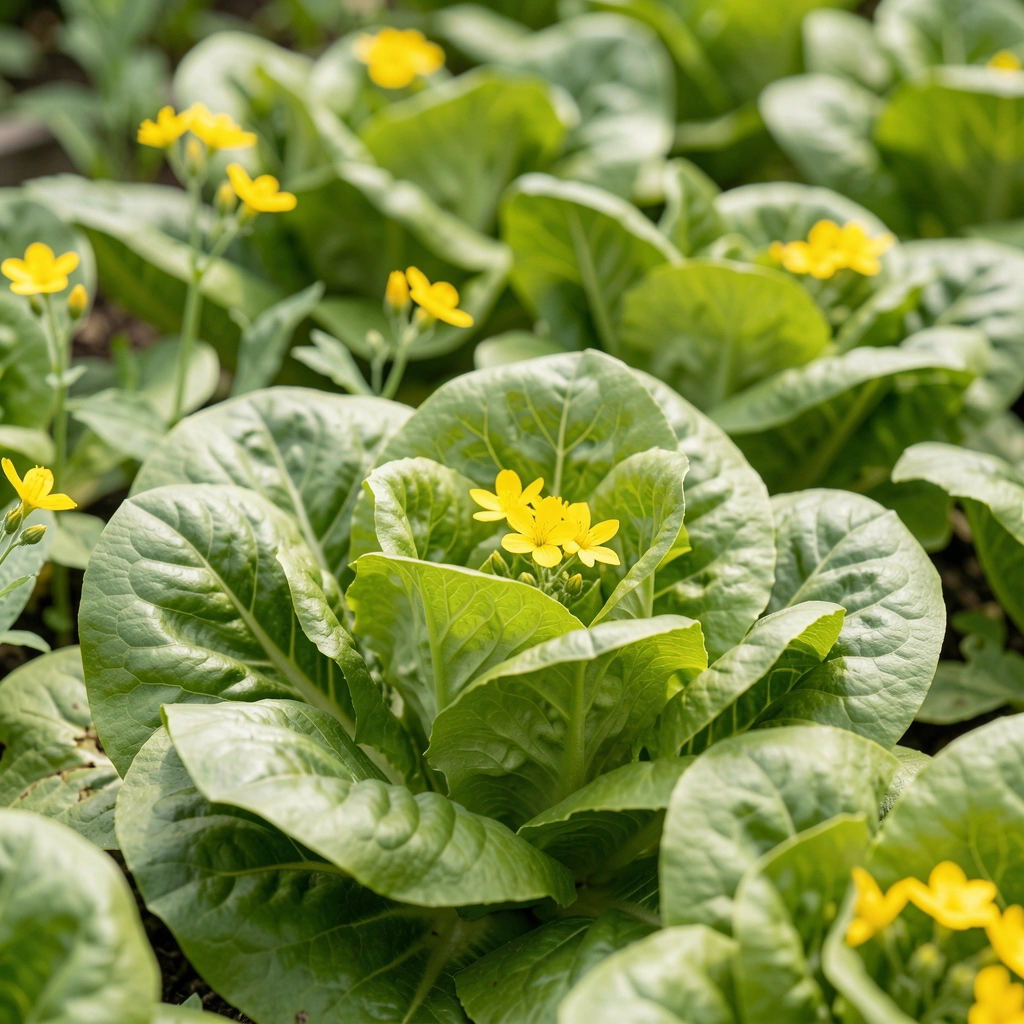
Is It Safe? The Quick Answer on Lettuce Flowers
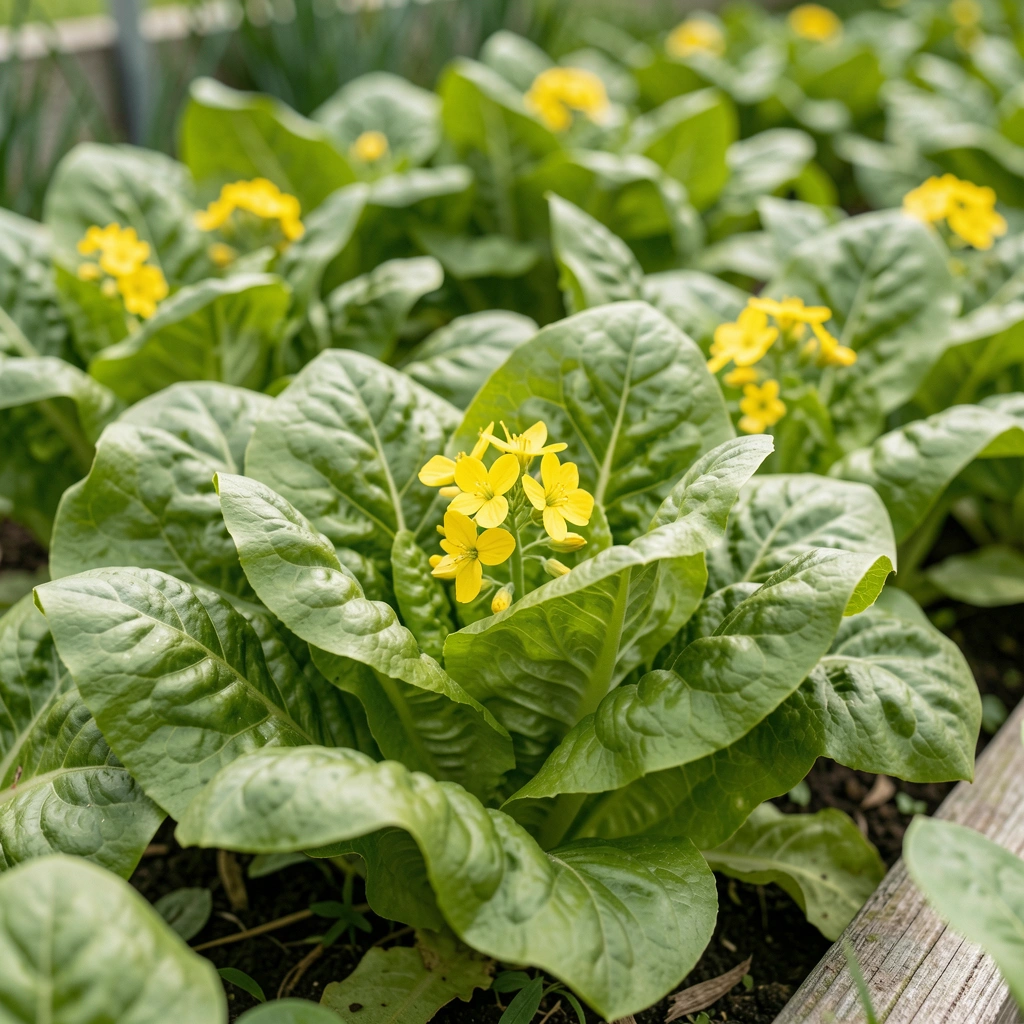
Yes, the yellow flowers on your garden lettuce are safe to eat. They’re not poisonous. The flowers themselves have a mild, slightly sweet taste and make a pretty garnish.
But the leaves on a bolted plant? That’s where the story changes. Once the flower stalk appears, those leaves turn bitter and tough.
So the flowers are fine, but the rest of the plant may not be worth eating anymore.
Why Your Lettuce Is Flowering – The Bolting Process
Lettuce is a cool-season crop. It wants to stay between 60°F and 70°F and grow leaves. When things heat up, sustained temperatures above 80°F, longer daylight hours, or root disturbance from transplanting, the plant shifts gears.
It stops putting energy into leaves and starts pumping resources into a tall central stalk. That stalk shoots up, forms buds, and eventually opens into those clusters of tiny yellow blossoms.
This whole process is called bolting. It’s the plant’s emergency plan to make seeds before it dies. Once you see the flower stalk, the leaves have already started changing.
The texture gets thicker and more fibrous. The sugars turn into bitter compounds called sesquiterpene lactones. You can delay bolting by keeping soil evenly moist, adding mulch, and using shade cloth during heatwaves.
That’s similar to the consistent watering that keeps a lawn lush, something we cover in more detail when talking about how to make your grass really green. But once those yellow flowers open, the plant has committed. There’s no going back.
The Real Risk: Toxic Lookalikes with Yellow Flowers
Garden lettuce is safe, but it has relatives that aren’t. Wild lettuce (Lactuca virosa and Lactuca serriola) also produces yellow flowers that look very similar to garden lettuce flowers. And wild lettuce carries a milky sap, lactucarium, that acts as a mild sedative and can cause nausea, dizziness, and drowsiness if you eat too much.
Foragers sometimes confuse garden lettuce with other yellow-flowered plants like flatweed (Hypochaeris radicata) or catsear. Flatweed is toxic to horses, though not typically to humans, but the misidentification is common enough to raise a red flag. The wrong plant in your salad can mean an uncomfortable night.
University extension services like the University of Minnesota Extension offer detailed guides on distinguishing edible from toxic look-alikes. That’s the kind of resource worth bookmarking if you forage or grow near wild areas.
How to Tell Garden Lettuce from Dangerous Impostors
Garden lettuce flowers are small, pale yellow, and grow in loose clusters at the top of a tall stalk. The stalk itself is green and smooth, sometimes with a faint white sap when broken, but not thick and milky. The leaves are the real giveaway.
Garden lettuce leaves are broad, soft, and crinkled or lobed depending on the variety. They sit at the base of the plant before the flower stalk shoots up.
Wild lettuce, on the other hand, has leaves that are spiny along the edges and clasp the stem. The stem is usually prickly or rough. If you snap a leaf or stem and get a thick, sticky white sap that turns brown quickly, that’s wild lettuce.
Flatweed has a rosette of fuzzy, scalloped leaves hugging the ground and a single flower per stem, quite different from the branching flower head of garden lettuce.
Here’s a quick visual checklist:
- Leaf shape, Garden lettuce: broad, soft, edible-looking. Wild lettuce: spiny, narrow, prickly edges.
- Stem texture, Smooth vs. rough/prickly.
- Sap, Thin watery sap (garden) vs. thick white latex (wild).
- Flower arrangement, Cluster of multiple flowers on branching stalk (garden) vs. single flower on unbranched stalk (flatweed).
If you’re uncertain, don’t eat it. University extension offices and the USDA plant database have photos that make the differences clear.
What Happens to Taste and Texture After Bolting
Once that yellow flower stalk appears, the clock is ticking for leaf quality. The bitter compounds ramp up fast. In blind taste tests reported by university horticulture programs, tasters consistently rated bolted lettuce leaves as “unpleasant” to “inedible” within a week of the stalk emerging.
The bitterness isn’t harmful, it’s just not good.
Texture also goes downhill. Leaves become tougher, more fibrous, and sometimes slightly woody near the stem. Even if you cut the flower stalk off, the existing leaves won’t recover.
New leaves that appear after cutting will be smaller and still carry that bitter edge. So don’t expect a second harvest of fresh salad.
The flowers themselves? They’re mild and sweet, with a texture like a soft petal. You can pluck the yellow blossoms and scatter them over a salad or use them as a garnish.
They won’t turn your dish bitter. But the leaves, toss them in the compost bin or feed them to chickens. Chickens don’t mind the bitterness.
And if you’re thinking about lawn care, keeping that compost pile turned and aerated helps it break down faster, just like a compost spreader 36 inch pushtow peat moss spreader can distribute finished compost evenly across your garden.
Can You Eat Bolted Lettuce? When to Toss, When to Keep
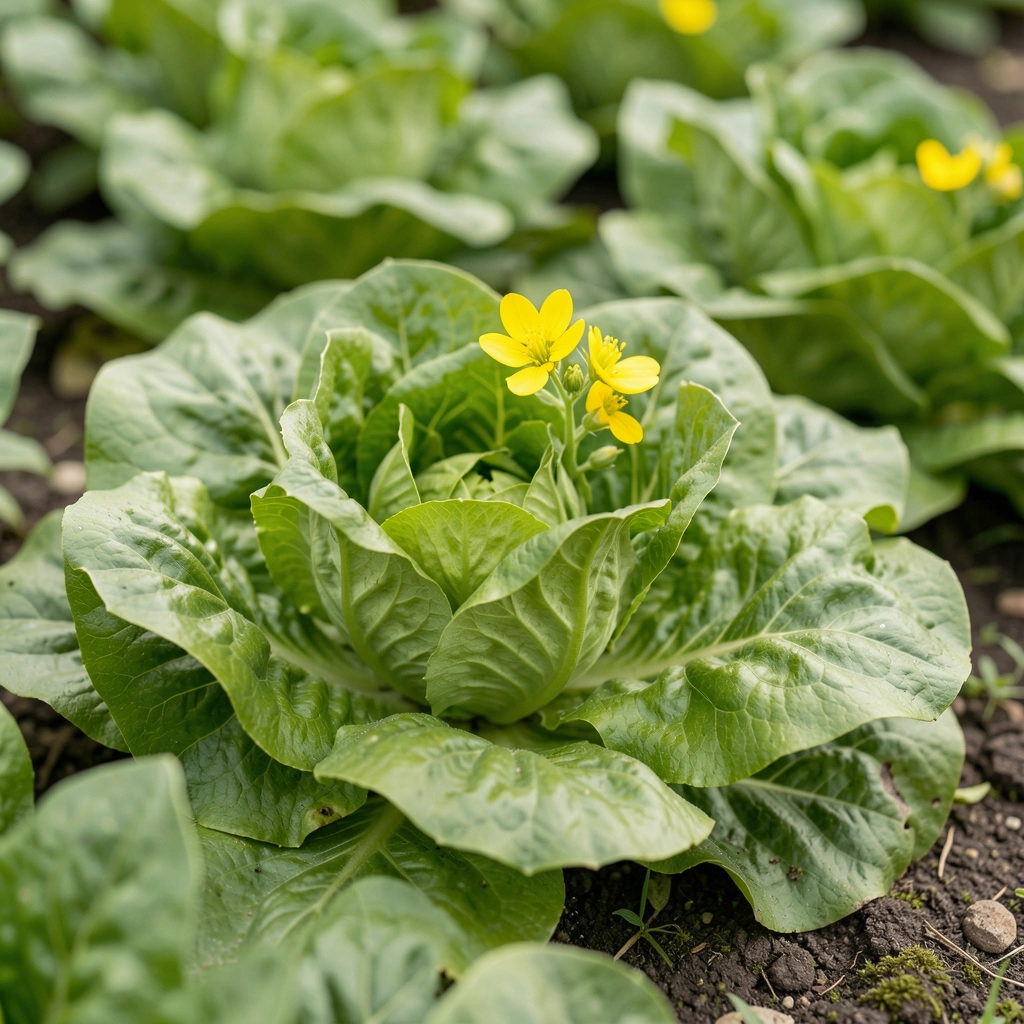
The short answer: you can eat bolted lettuce, but you probably won't want to. The leaves turn bitter and tough. That bitterness comes from lactucopicrin, a compound that ramps up as the flower stalk rises.
It’s not toxic, just unpleasant.
So when do you toss and when do you keep? Use this decision guide.
- Flowers only, leaves still tender, If the stalk just started and leaves feel soft, pinch off the developing flower head. The leaves may stay edible for a few more days. Taste a small piece. If it’s bitter, pull the whole plant.
- Stalk is 6 inches or taller, The leaves are almost certainly bitter now. Harvest the flowers for garnish. Compost the leaves.
- Flowers fully open, Leaves are past saving. The plant is all-in on seed production. Eat the flowers or let them go to seed.
- You want to save seeds, Leave the plant standing. Let the flowers fade. The seed heads will develop fluffy white puffs within 2 to 3 weeks.
Some gardeners try blanching the bitter leaves in boiling water for 30 seconds. That can reduce bitterness slightly, but the texture remains tough. It’s rarely worth the effort when fresh lettuce is cheap at the market.
One more thing. If you’re managing a large garden and need to keep bolting in check, consistent watering and mulch help. That same principle applies to your lawn.
You can read more about how to get the perfect green lawn through proper soil moisture.
Safe Ways to Use Bolted Lettuce – Flowers, Seeds, and Leaves
You don’t have to throw every bolted plant in the compost. There are a few safe, practical uses.
Use the flowers as garnish. Snap off the yellow blossoms. Rinse them gently. Scatter them over salads, soups, or grain bowls.
They add a pop of colour and a mild sweetness. No bitterness at all.
Save the seeds. Let the flowers develop into seed heads. Wait until the fluffy white parachutes appear. Cut the stalk.
Hang it upside down in a paper bag in a dry spot. After two weeks, shake the bag to release the seeds. Those seeds are viable for next season.
Feed the leaves to chickens or livestock. Chickens love the greens. The bitterness doesn’t bother them. Just avoid giving them wild lettuce (Lactuca virosa) if you’re unsure what you have.
Compost the rest. The tough, bitter leaves break down quickly in a hot compost pile. Chop them up first to speed decomposition. If you use a compost peat moss spreader for lawn you can distribute finished compost evenly later.
What about the leaves for human consumption? Honest advice: don’t bother. The texture is woody. The bitterness lingers.
Even cooking doesn’t salvage it well. You’re better off planting a second crop of heat-tolerant varieties like Jericho or Muir for a late-summer harvest.
Common Mistakes Gardeners Make (and How to Avoid Them)
Mistake #1: Waiting too long to harvest. Lettuce doesn’t give you a warning. By the time you see yellow flowers, the leaves have already turned.
Harvest when the head feels full and firm. Don’t wait for perfection.
Mistake #2: Thinking you can cut the flower stalk and get fresh leaves. It doesn’t work that way. The plant has already shifted its chemistry.
New leaves that regrow are small and just as bitter. Pull the plant, start fresh.
Mistake #3: Confusing garden lettuce with wild lettuce. We covered the visual cues earlier. If you forage or live near fields where wild lettuce grows, double-check every plant.
That milky sap is a dead giveaway.
Mistake #4: Letting every lettuce plant bolt for seed. One plant can produce hundreds of seeds. That’s usually more than you need.
Let one or two go to seed. Harvest the rest before they bolt. You’ll get a longer harvest window.
Mistake #5: Ignoring heat stress signs. Leaves turning pale, edges browning, or the centre starting to rise, these are early warnings. Shade cloth, deep watering, and mulch can delay bolting by a week or two.
That’s precious extra harvest time.
Mistake #6: Overcrowding. Lettuce plants need space to grow. If they’re too close, they compete for water and nutrients.
That stress triggers earlier bolting. Thin seedlings to at least 6-8 inches apart.
If you’re troubleshooting other garden equipment issues too, the same attention to detail applies. For instance, keeping a self propelled lawn mower maintenance schedule prevents breakdowns, just like keeping your lettuce well-watered prevents premature flowering.
Step-by-Step: What to Do When You See Yellow Flowers
Spotting those yellow buds doesn’t have to be a panic moment. Here’s a calm, practical action plan.
Step 1. Identify the plant. Confirm it’s garden lettuce, not a wild lookalike. Check the leaves, stem, and sap.
If in doubt, don’t eat it.
Step 2. Decide your goal. Do you want a few more leaves? Save seeds?
Just tidy up? Your choice determines the next steps.
Step 3. If you want leaves, act fast. Pinch or cut the flower stalk as low as possible. This won’t reverse bitterness, but it may give nearby leaves a few extra days.
Test a leaf after 24 hours. If it’s bitter, harvest what you can and move on.
Step 4. If you want seeds, let it bloom. Don’t cut anything. Water normally.
Let the flowers mature into seed heads. Once you see fluffy white tufts, cut the stalk and dry it indoors.
Step 5. If you want to clear the bed, pull the whole plant. Roots and all. Shake off soil.
Compost the leaves. Save flowers or seeds if you like. Then replant with a heat-tolerant variety or a different crop.
Step 6. Prevent future bolting. For the next planting, choose slow-bolt varieties. Use shade cloth when temperatures hit 80°F.
Water deeply every two to three days. Mulch around the base. These steps can extend your harvest by weeks.
Think of it like managing a self propelled mower for hills, the right preparation makes the job smoother.
When to Seek Expert Help – Poisoning Symptoms and Foraging Confusion
This section matters. Most yellow-flowered lettuce in your garden is safe. But mistakes happen.
If you or someone else ate a plant that might be wild lettuce, watch for these symptoms.
- Nausea or vomiting
- Dizziness or drowsiness
- Sweating or salivation
- Confusion or slowed breathing
These symptoms are rare with garden lettuce. They’re more likely with Lactuca virosa or Lactuca serriola. The milky sap in wild lettuce contains lactucarium, which has sedative effects.
In high doses, it can cause respiratory depression.
If you suspect wild lettuce ingestion, call your local poison control centre immediately. Keep a sample of the plant if possible. That helps the toxicologist identify it.
For foragers, confusion between garden lettuce and flatweed (Hypochaeris radicata) is common. Flatweed is toxic to horses but generally not to humans. Still, eating any unidentified plant carries risk.
University extension programmes offer plant identification workshops and online databases. Use them before you eat anything from the wild.
One more safety note: if you’re pregnant, nursing, or have liver or kidney issues, avoid any wild lettuce entirely. There’s not enough research on its effects in those populations. Stick to garden lettuce you grew yourself.
Finally, if you forage near lawn areas treated with herbicides, be careful. Lettuce plants can absorb chemicals from the soil. The yellow flowers from a lawn weed might be a different species entirely.
Proper lawn leveling rake 30x10in heavy duty leveling and reseeding keep your lawn uniform, reducing the chance of unknown plants mixing in.
Final Verdict: Safety and Practical Advice
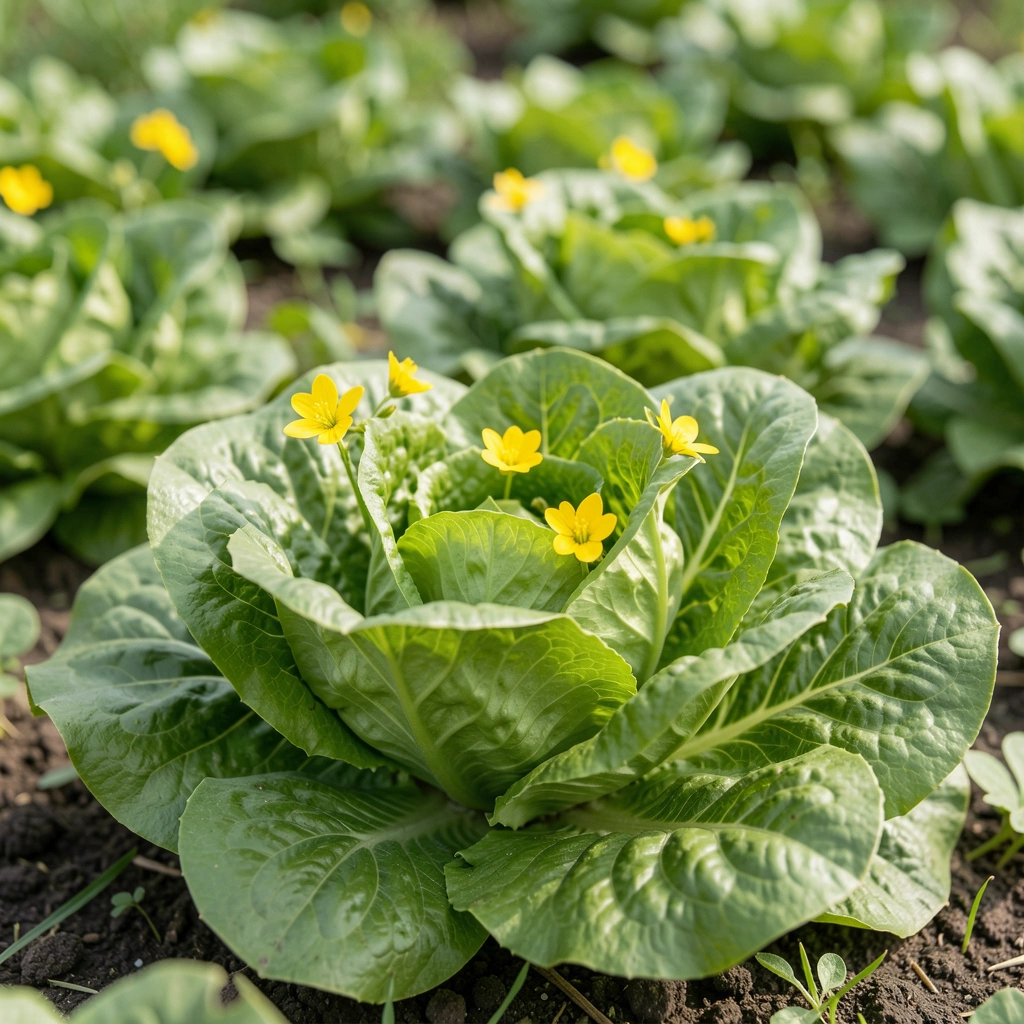
Here’s the bottom line. Garden lettuce with yellow flowers is not poisonous. The flowers themselves are safe and even tasty.
The leaves become bitter and tough, but they won’t harm you.
The real danger comes from misidentification. Wild lettuce and other yellow-flowered impostors can cause nausea, dizziness, or worse. If you didn’t plant it yourself, don’t assume it’s safe.
For your own garden, treat bolting as a natural signal. Harvest early next time. Use shade cloth and consistent watering to delay the process.
Let one or two plants go to seed if you want free seeds for next year. Compost the rest.
If you’re ever unsure about a plant’s identity, consult a local university extension office or poison control. It’s better to toss a questionable leaf than to risk a bad reaction.
Quick Reference: Bolted Lettuce Decision Table
| Situation | Action | Reason |
|---|---|---|
| Flower stalk just emerging, leaves still soft | Pinch stalk, taste a leaf | May buy a few extra days |
| Stalk over 6 inches, leaves bitter | Harvest flowers, compost leaves | Leaves are past saving |
| Flowers fully open, seed puffs forming | Let it seed or cut for drying | Seed saving opportunity |
| Unknown yellow-flowered plant in garden | Do not eat, cross-check ID | Risk of toxic lookalike |
| Plant confirmed as wild lettuce with milky sap | Avoid entirely | Lactucarium can cause side effects |
How to Harvest Lettuce Seeds from Bolted Plants
Wait until the flower head turns into a fluffy white puffball. That means the seeds are mature. Cut the stalk about 6 inches below the seed head.
Place the stalk upside down in a paper bag. Hang it in a dry, well-ventilated area for two weeks. Shake the bag gently to release the seeds.
Store seeds in a cool, dark place in an envelope. Label with the variety and year. Viability lasts about three years.
This is the same principle as storing grass seed for your lawn, which you can learn more about in our buying guide for spreaders.
Best Practices to Prevent Bolting Next Season
Choose bolt-resistant varieties. Look for names like “Jericho,” “Muir,” “Sierra,” or “Slobolt.” These tolerate heat better.
Plant in partial shade if you live in a warm climate. Morning sun with afternoon shade works well.
Water deeply two to three times per week. Shallow watering stresses roots and triggers bolting.
Mulch around the base with straw or compost. It keeps soil cool and moist.
Space plants 8 to 12 inches apart. Crowding creates competition and stress.
Frequently Asked Questions
Are lettuce flowers poisonous?
No. Garden lettuce flowers (Lactuca sativa) are safe to eat. They have a mild sweet taste.
Only wild lettuce and its lookalikes pose a risk.
Can I eat the leaves after cutting the flower stalk?
You can, but they’ll still be bitter and tough. Cutting the stalk doesn’t reverse the chemical changes. The leaves are already past their prime.
How long after flowering do lettuce seeds mature?
About 14 to 21 days after the flowers open. You’ll see fluffy white puffs appear. That’s when the seeds are ready to harvest.
What does wild lettuce look like compared to garden lettuce?
Wild lettuce has spiny, narrow leaves that clasp the stem. The stem feels rough or prickly. When broken, it oozes thick white sap.
Garden lettuce leaves are broad and soft with thin watery sap.
Should I pull bolted lettuce immediately?
Not necessarily. If you want seeds, let it finish flowering. If you want to clear the bed for a new crop, pull it.
If you just want flowers for garnish, keep it a bit longer.