Image source: Openverse / Openverse contributor
You've noticed your tea olive dropping leaves and you're wondering if something's wrong. Maybe you've got a row of them lining your driveway, or you just planted your first one and the leaves are turning yellow. It's a fair question, and the answer isn't as straightforward as you might expect.
The short answer is that tea olives are generally evergreen, but the full picture depends on which species you're growing, where you live, and what's happening with the weather. Let's break it down so you know exactly what to expect and when to worry.
Quick Answer
Tea olive trees are evergreen in most conditions. They do not lose all their leaves seasonally like deciduous trees. However, they naturally shed older leaves in spring when new growth emerges.
Cold stress, drought, or root problems can also cause unexpected leaf drop. The species you're growing matters.
Why the Answer Depends on What You're Actually Growing
Here's where things get interesting. When most people say "tea olive," they're talking about Osmanthus fragrans, the sweet olive. This is the one with the incredibly fragrant flowers that smell like apricots and jasmine.
It's reliably evergreen in USDA Zones 7 through 10.
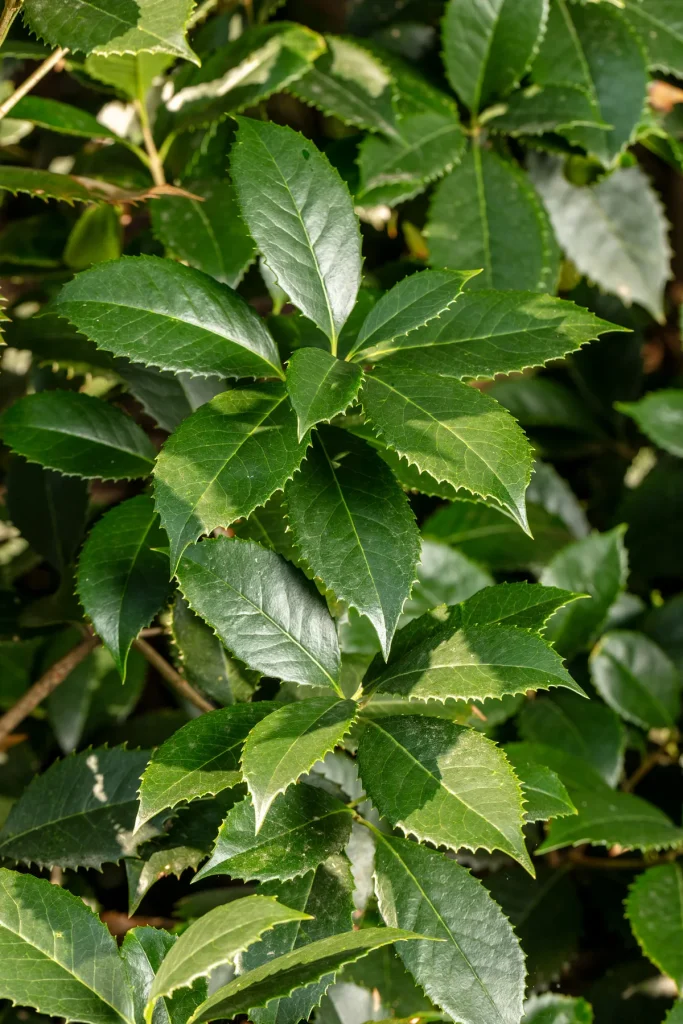
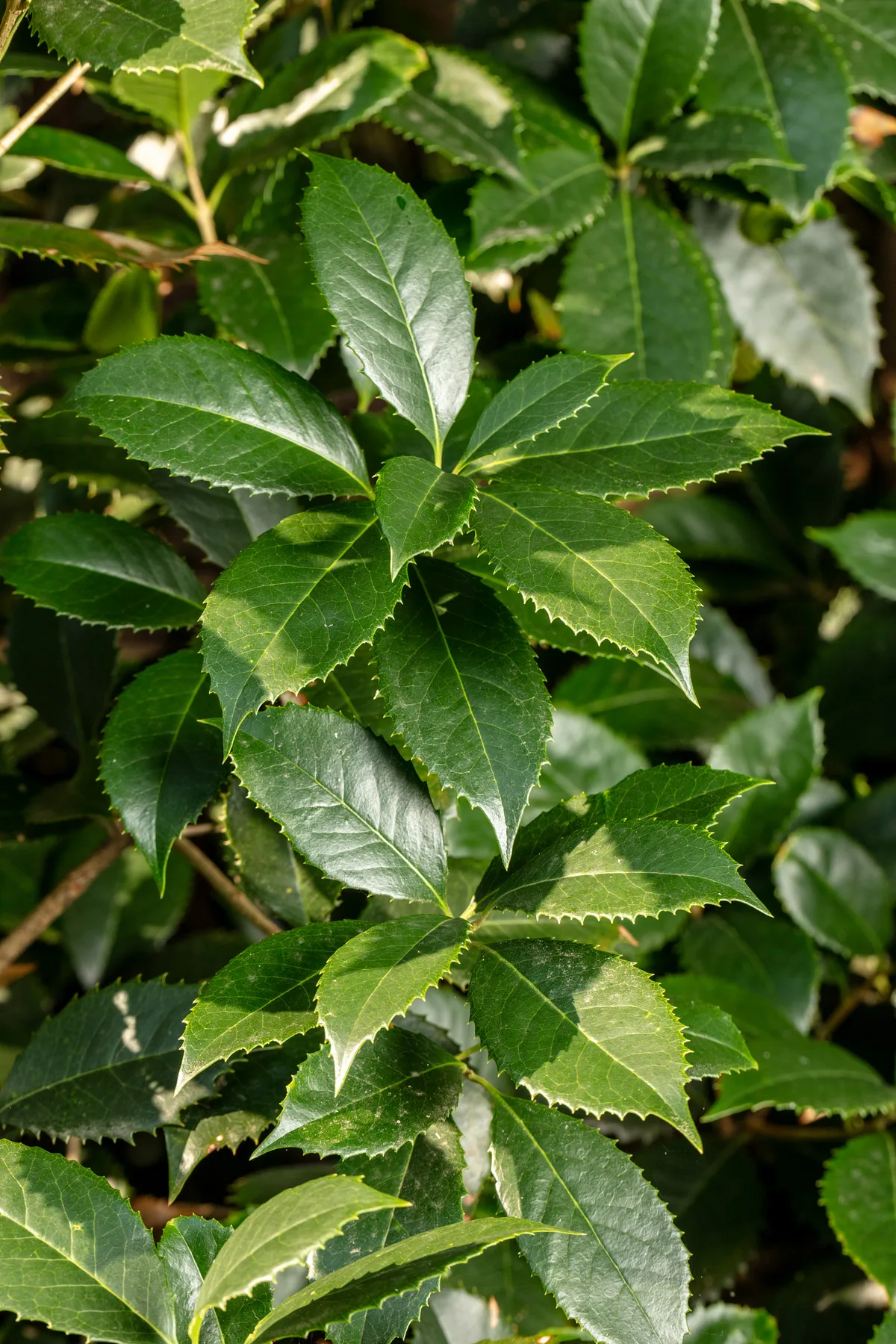
But there's another species that gets sold under the same common name. Osmanthus heterophyllus, often called holly tea olive or false holly, looks different with spiny-edged leaves. It's hardy down to Zone 6, but it can be semi-deciduous in colder winters, meaning it might drop a noticeable number of leaves when temperatures really plummet.
There's also Osmanthus × fortunei, a hybrid you'll find at a lot of nurseries. It tends to behave like a true evergreen in Zones 7 and up.
The takeaway here is simple. If you don't know which species you have, you can't predict how it'll behave in winter. Check the plant tag or ask your nursery.
That one detail changes everything.
Osmanthus fragrans vs. Osmanthus heterophyllus: The Two "Tea Olives" That Behave Differently
Let's put these two side by side so you can figure out which one you're working with and what to expect.
| Feature | Osmanthus fragrans (Sweet Olive) | Osmanthus heterophyllus (Holly Tea Olive) |
|---|---|---|
| Leaf shape | Smooth, oval, glossy green | Spiny or holly-like edges |
| USDA Zones | 7–10 | 6–9 |
| Leaf retention | Reliably evergreen | Evergreen to semi-deciduous |
| Cold tolerance | Damaged below 10–15°F | More cold-hardy, but drops leaves in hard freezes |
| Fragrance | Intensely sweet | Mild or no fragrance |
| Growth rate | Slow to moderate | Slow |
| Mature size | 10–20 ft | 6–10 ft |
If you're in Zone 7 or warmer and you've got O. fragrans, you can count on year-round greenery. If you're in Zone 6 with O. heterophyllus, expect some leaf drop during harsh winters. It's not a sign the plant is dying.
It's just how that species handles cold.
What Evergreen Really Means for Tea Olives
People hear "evergreen" and assume the plant never drops a single leaf. That's not how evergreens work. Evergreen plants do lose leaves.
They just do it gradually throughout the year instead of all at once in fall.
Tea olives follow this pattern. You'll notice older, inner leaves turning yellow and dropping in spring. This is completely normal.
The plant is pushing out new growth and shedding the leaves that are no longer efficient at photosynthesis. If you see a few yellow leaves in April or May, don't panic. That's just the tea olive doing its thing.
The key difference between normal turnover and a problem is the scale. A handful of old leaves dropping in spring is fine. Half the canopy turning brown in January is not.
When and Why Tea Olives Drop Leaves (Even Healthy Ones)
Let's walk through the most common reasons you'll see leaf drop, from totally normal to genuinely concerning.
Normal Spring Leaf Turnover
Every spring, tea olives shed their oldest leaves as new growth comes in. The older leaves are usually the ones on the inner branches, closest to the trunk. They'll turn yellow, then brown, then fall.
This happens over a few weeks and the plant looks full and healthy overall. Nothing to do here. Just let it happen.
Cold Weather and Hard Freeze Damage
This is the big one for gardeners in Zones 6 and 7. Osmanthus fragrans can handle temperatures down to about 10°F without much issue. Below that, you'll start seeing leaf damage. The leaves turn brown, curl, and drop.
A sudden hard freeze is worse than a gradual cool-down because the plant doesn't have time to acclimate.
If you're in a borderline zone, plant your tea olive in a sheltered spot. Near a south-facing wall is ideal. The wall radiates heat and can buy you a few degrees of protection.
Mulching the root zone 3 to 4 inches deep also helps insulate the roots.
Drought Stress and Transplant Shock
Newly planted tea olives need consistent moisture for the first one to two years. If they dry out during that establishment period, they'll drop leaves to conserve water. This is transplant shock, and it's one of the most common reasons new plantings fail.
Water deeply once or twice a week during the first growing season. Not a light sprinkle. A slow, deep soak that gets water down to the root zone.
Once established, tea olives are fairly drought-tolerant, but they'll still drop leaves during extended dry spells.
Root Rot and Overwatering
On the flip side, too much water is just as bad. Tea olives need well-drained soil. If they're sitting in soggy ground, the roots suffocate and rot.
The first sign is usually yellowing leaves that turn brown and drop. The canopy thins out from the inside.
Check your soil drainage before you plant. Dig a hole, fill it with water, and see how fast it drains. If it's still standing after 24 hours, you've got a drainage problem.
Amend the soil with compost or plant on a raised mound.
How Your USDA Zone Changes Everything
Your growing zone is the single biggest factor in whether your tea olive holds its leaves year-round. Let's look at what to expect in each zone range.
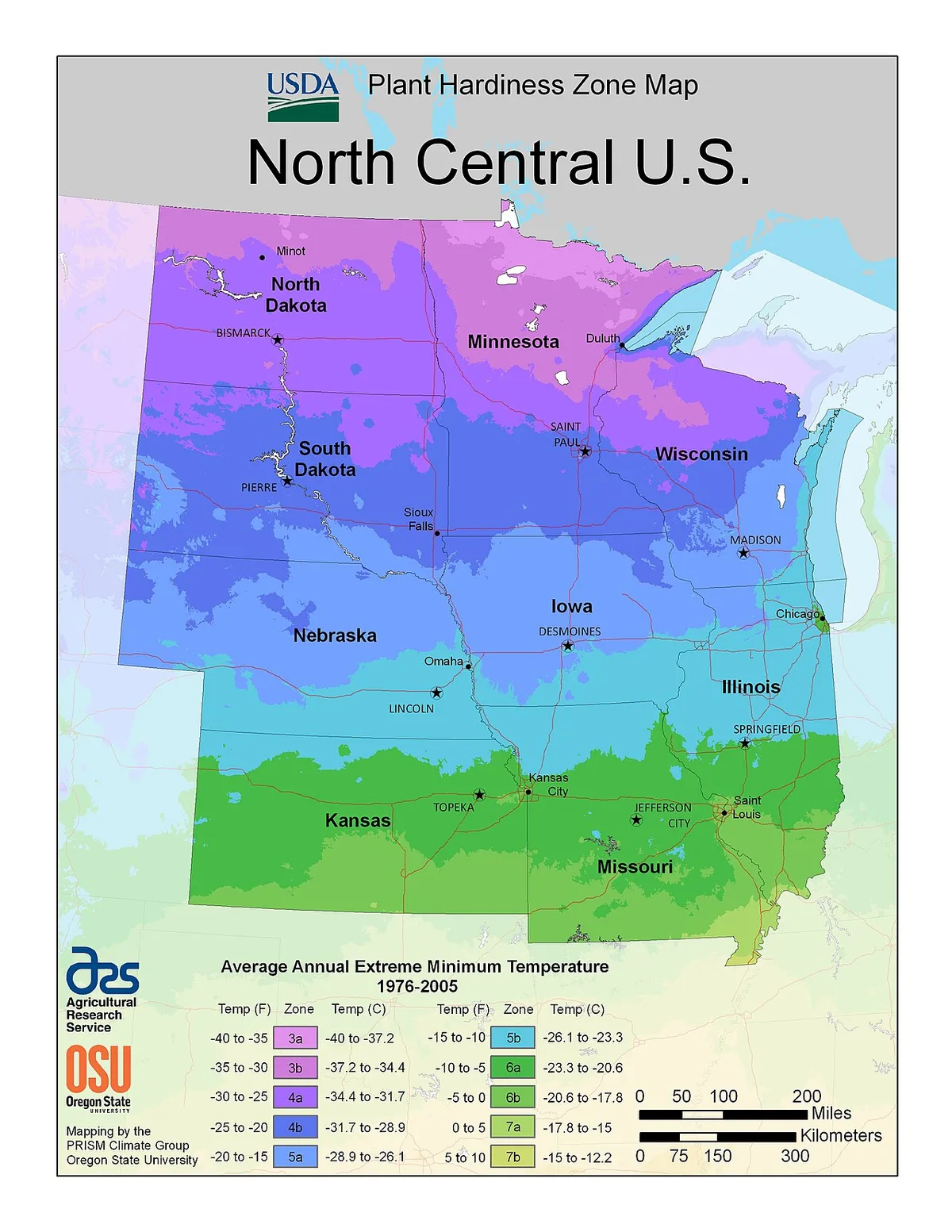
Image source: Wikimedia Commons / United States Department of Agriculture (USDA)
| Zone Range | O. fragrans Behavior | O. heterophyllus Behavior |
|---|---|---|
| Zone 6 | Not recommended. Will suffer severe damage or die. | Marginal. Semi-deciduous. Expect leaf drop in hard winters. |
| Zone 7 | Marginal. Evergreen in mild winters, leaf drop after hard freezes. | Reliable evergreen with occasional winter leaf drop. |
| Zone 8 | Mostly evergreen. Minor leaf drop during extreme cold snaps. | Fully evergreen. |
| Zones 9–10 | Fully evergreen. No seasonal leaf loss. | Fully evergreen. |
If you're in Zone 7 and you want a guaranteed evergreen screen, O. heterophyllus is the safer bet. It handles cold better and bounces back faster. If you're in Zone 8 or warmer, either species will give you year-round foliage without much fuss.
Microclimates matter too. A tea olive planted near a brick wall in Zone 7 might behave like it's in Zone 8. The same plant in an open, exposed field might struggle.
Pay attention to where you plant, not just what zone you're in.
How to Tell If Leaf Drop Is a Problem or Just a Cycle
This is where a lot of gardeners get tripped up. You see leaves falling and assume the worst. But context is everything.
Here's a quick diagnostic checklist.
Timing matters. If leaves are dropping in April or May, it's almost certainly normal spring turnover. If they're dropping in January after a week of single-digit temperatures, it's cold damage. If they're dropping in August during a drought, it's water stress.
Location on the plant matters. Older, inner leaves turning yellow and dropping is normal. Outer, newer leaves browning and falling off is a red flag. That usually points to cold damage or a root issue.
Pattern matters. A few leaves here and there across the canopy is fine. Large sections of the plant going bare at once is not. If entire branches are losing leaves, investigate further.
Recovery matters. If the plant pushes out new growth within a few weeks of the leaf drop, it's likely fine. If it stays bare and doesn't leaf out by late spring, you've got a bigger problem.
What to Do If Your Tea Olive Is Losing Leaves
Let's walk through a simple process to figure out what's going on and what to do about it.
Step 1: Identify the Pattern
Look at which leaves are dropping and where they are on the plant. Inner, older leaves in spring means normal turnover. Outer leaves in winter means cold damage.
Scattered yellowing across the whole plant could mean root problems.
Step 2: Check Your Recent Weather
Did you just have a hard freeze? A heat wave? Two months of no rain?
Weather events are the most common trigger for leaf drop. If there was a recent extreme event, the plant is likely responding to that stress and will recover on its own.
Step 3: Inspect the Roots and Soil
Dig a small test hole near the root zone, about 6 inches deep. Is the soil bone dry? Water it deeply.
Is it soggy and waterlogged? You've got a drainage issue. Check for signs of root rot, which includes dark, mushy roots and a foul smell.
Step 4: Give It Time (or Don't)
If the leaf drop happened after a weather event and the branches are still green and flexible, give the plant until late spring to recover. Tea olives are resilient. If the branches are brittle and snap easily, that section may be dead and should be pruned out.
Fertilize lightly in spring with a balanced slow-release fertilizer. Don't overdo it. A stressed plant doesn't need a heavy dose of nutrients.
It needs time and consistent watering.
Best Evergreen Alternatives If You're in a Cold Zone
If you're in Zone 6 and you want a reliable evergreen hedge or screen, tea olives might not be your best option. Here are some alternatives that hold their leaves better in cold climates.
- Inkberry Holly (Ilex glabra). Native to the eastern US. Hardy in Zones 4, 9. Evergreen, low maintenance, and handles wet soil better than tea olives.
- Boxwood (Buxus). Classic evergreen hedge plant. Hardy in Zones 5, 9 depending on variety. Dense foliage and very tolerant of pruning.
- Yew (Taxus). Extremely cold-hardy (Zones 4, 7). Dark green foliage and very long-lived. Just keep it away from pets, as the foliage is toxic if ingested.
- American Holly (Ilex opaca). Hardy in Zones 5, 9. Classic evergreen with red berries. Slower growing but very sturdy.
- Juniper (Juniperus). Hardy in Zones 3, 9 depending on species. Extremely tough and drought-tolerant once established.
If your heart is set on tea olives in a cold zone, go with O. heterophyllus and plant it in the most sheltered spot you can find. But if guaranteed evergreen performance is the priority, one of these alternatives might serve you better.
Common Mistakes Tea Olive Owners Make
Even experienced gardeners make these errors. Here's what to watch out for.
- Panicking over spring leaf drop. It happens every year. The plant is fine. Leave it alone.
- Planting in heavy clay without amending. Tea olives need drainage. Soggy roots kill them faster than cold ever will.
- Overwatering established plants. Once they're in the ground for a couple of years, tea olives are fairly drought-tolerant. Constant watering leads to root rot.
- Pruning at the wrong time. If you prune in late summer or fall, you're cutting off next year's flower buds. Prune right after flowering finishes.
- Ignoring the species difference. Treating O. heterophyllus like O. fragrans (or vice versa) leads to mismatched expectations. Know what you have.
- Planting too close to the house. Tea olives can spread 8 to 15 feet wide. Give them room. Crowded plants get fungal issues from poor air circulation.
Expert Tips for Keeping Tea Olives Healthy Year-Round
A little goes a long way with tea olives. They're not fussy plants, but a few smart practices make a big difference.
Mulch the root zone. A 3 to 4 inch layer of pine straw or shredded bark keeps roots cool in summer and insulated in winter. It also suppresses weeds. Keep the mulch a few inches away from the trunk to prevent rot.
Water deeply, not frequently. Once established, tea olives prefer a deep soak every week or two during dry spells over light daily watering. Deep watering encourages roots to grow down, which makes the plant more drought-resistant.
Fertilize in early spring. Use a balanced slow-release fertilizer (something like a 10-10-10) right before new growth starts. Don't fertilize in late fall. That pushes tender new growth that'll get zapped by the first frost.
Prune after flowering. Tea olives bloom on old wood. If you prune in summer or fall, you're cutting off next year's blooms. Wait until flowering finishes in late spring, then shape as needed.
Watch for scale insects. Tea olives can get armored scale on their stems and leaf undersides. If you see small, brown, bumpy spots that scrape off with a fingernail, treat with horticultural oil in late winter before new growth starts.
Frequently Asked Questions
Do tea olive trees lose their leaves in winter?
Not typically. In Zones 8 and warmer, they stay fully evergreen. In Zone 7, they may drop some leaves after hard freezes but recover in spring.
In Zone 6, O. heterophyllus can be semi-deciduous and may lose a significant portion of its foliage during harsh winters.
Why is my tea olive dropping yellow leaves in spring?
This is normal. Tea olives shed their oldest leaves in spring as new growth emerges. The older leaves are usually on the inside of the canopy.
As long as the outer foliage looks healthy, there's nothing to worry about.
Can a tea olive survive a hard freeze?
It depends on the species and the temperature. Osmanthus fragrans suffers damage below 10 to 15°F. Osmanthus heterophyllus handles cold better but can still lose leaves in extreme cold. Both species usually recover if the roots and main branches survive.
How do I know if my tea olive is dead after leaf loss?
Scratch the bark on a few branches with your fingernail. Green tissue underneath means the branch is alive. Brown or dry tissue means that section is dead.
Wait until late spring before making a final call. Tea olives can look rough in winter but bounce back.
How often should I water a newly planted tea olive?
Water deeply once or twice a week for the first growing season. The goal is to keep the root zone consistently moist but not waterlogged. After the first year, gradually reduce watering as the plant establishes.
Is tea olive the same as sweet olive?
Yes and no. Osmanthus fragrans is commonly called both tea olive and sweet olive. But the name "tea olive" is also used for Osmanthus heterophyllus, which is a different species. Always check the botanical name when you're buying to know exactly what you're getting.