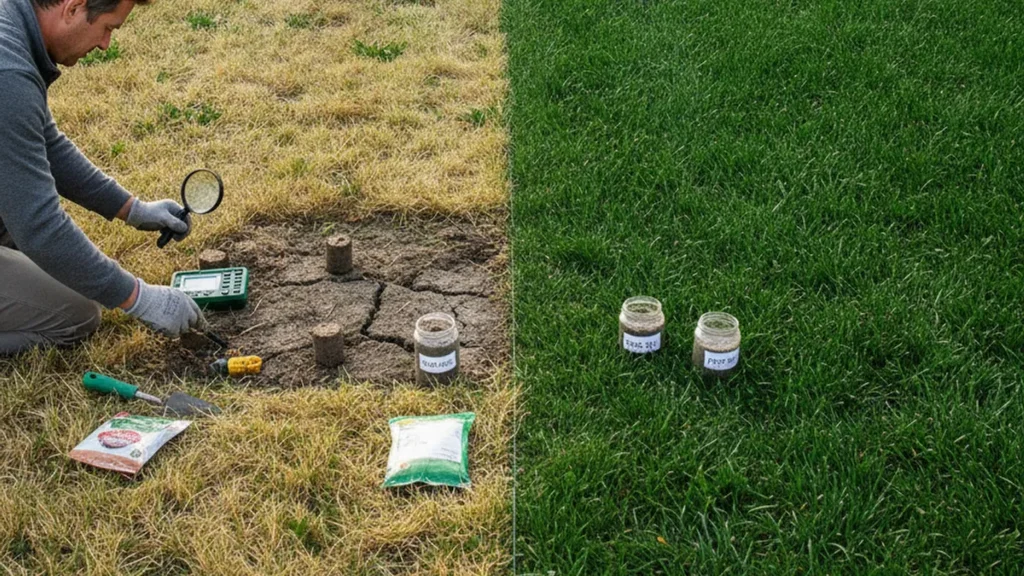
How to Get Fantastically Green Grass
We've all seen those yards that just pop, a vibrant, deep green that looks like velvet. It's not magic, thankfully! It's usually a combination of understanding what your grass needs and giving it that consistently. You're probably wondering where to even start, right?
Don't worry, we'll break it down into simple steps.
Think of your lawn like a living thing. It needs the right food, water, and care to thrive. What works in one yard, or at one time of year, might not be the best for another. That's why we're going to approach this like a bit of a detective story for your lawn.
For instance, manufacturer specifications for slow-release nitrogen fertilizers often indicate a nutrient release duration of 60 to 90 days, which is a key factor in lawn feeding schedules.
First, What's REALLY Going On With Your Lawn?
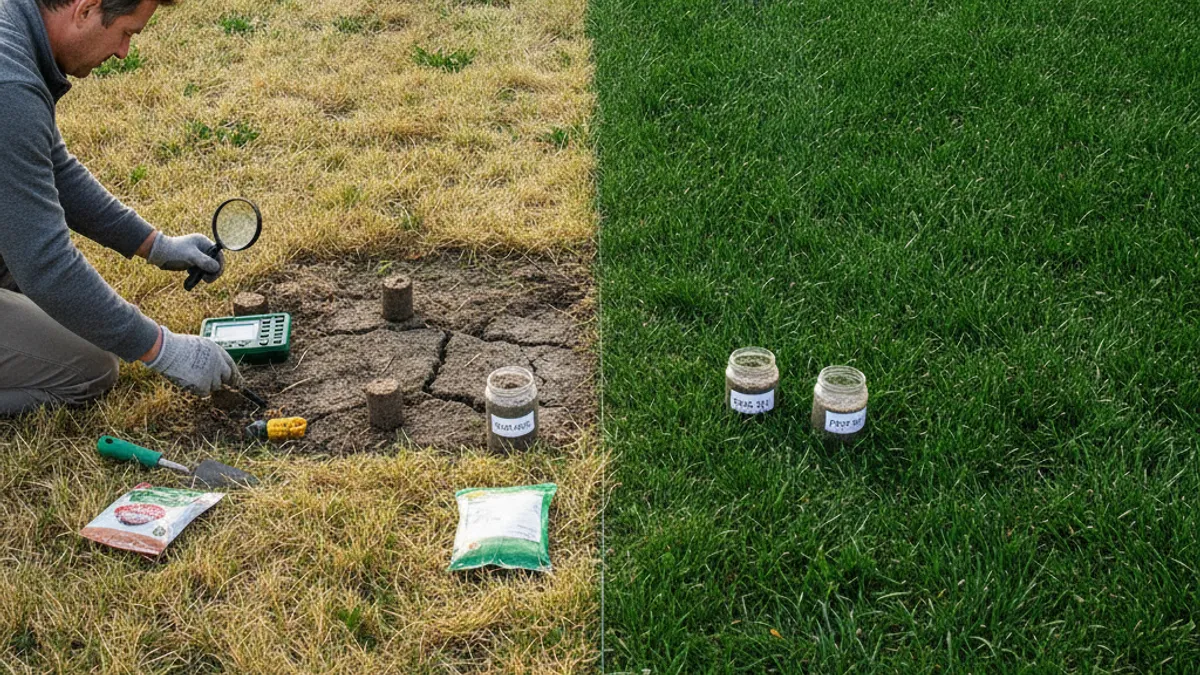
Before we start slinging fertilizer or watering like crazy, we need to figure out what's already happening. Is your grass thin? Are there bare patches? Is it looking yellowish, or maybe even brown?
Your answers will point us in the right direction. We’re not just guessing; we’re gathering intel to make the best choices for your lawn.
Color Check
What shade of green, or not-so-green, is your lawn displaying? Is it a pale, washed-out hue, or does it have a healthy, rich emerald tone? The color tells us a lot about its current health and nutrient levels.
Thickness Check
Can you easily see the soil through the grass blades, or is it a dense, carpet-like surface? A thick lawn naturally crowds out weeds and retains moisture better. Thinning grass might indicate underlying issues with soil health, watering, or even pests.
Weed Check
Are unwanted guests like dandelions, clover, or crabgrass making themselves at home? The type and amount of weeds can signal what your lawn might be lacking or what conditions it’s providing for them to thrive. Addressing weeds is part of achieving that uniform green aesthetic.
Moisture Check
Does the soil feel dry like a desert, soggy and waterlogged, or just right? Soil moisture is critical; too much can suffocate roots and encourage disease, while too little stresses the grass, leading to wilting and browning. Getting this balance right is foundational.
Understanding the Building Blocks of a Green Lawn
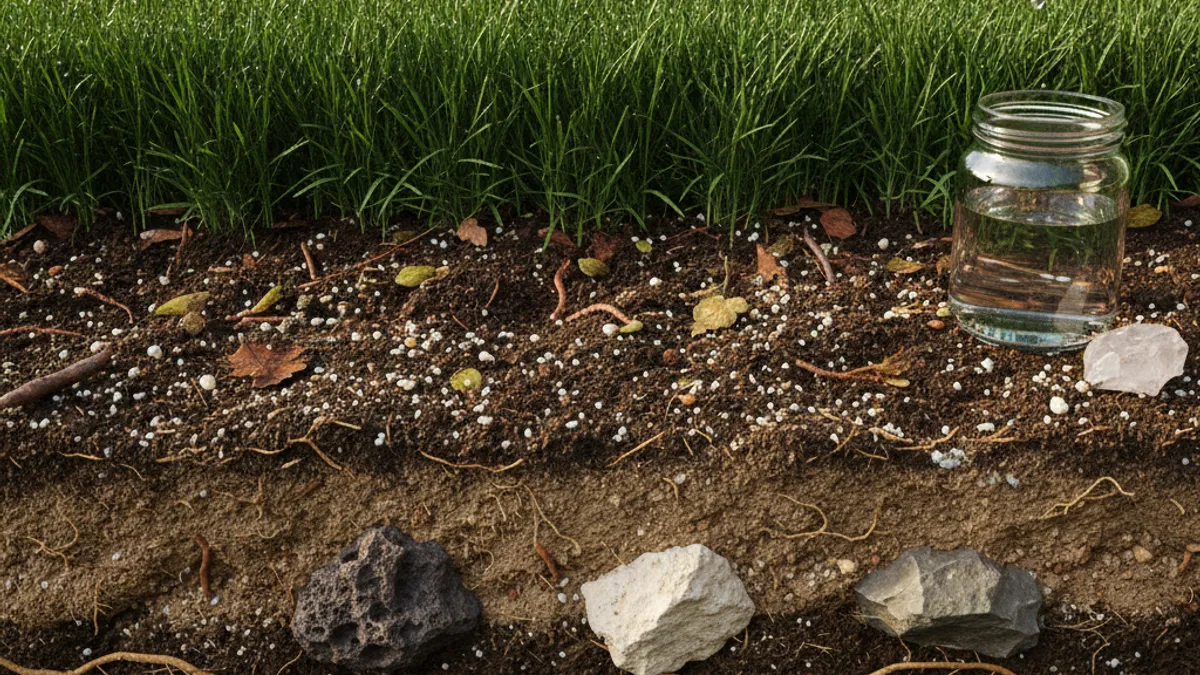
Achieving that covetable emerald green isn't about a single quick fix; it’s a holistic approach. Think of it like building a strong house, you need a solid foundation and all the right components working together. Our research points to several key areas that, when managed correctly, lead to vibrant turf.
Soil Health: The Unseen Foundation
This is where it all begins. Your soil provides the essential nutrients, anchors the grass's roots, and acts as a reservoir for moisture. If your soil isn't healthy, nothing else will perform at its best. Aggregating data from university extension services shows that soil compaction can reduce air and water penetration by up to 60%.
- Test Your Soil: Seriously, this is one of the best first steps. A simple soil test, available through kits at garden centers or via your local Cooperative Extension office, will reveal what nutrients your soil is deficient in and its pH level. Grass generally thrives in a slightly acidic to neutral pH, ideally between 6.0 and 7.0.
- Amendments: Based on your test results, you might need to add amendments. For instance, lime is used to raise soil pH (making it less acidic), while sulfur is used to lower it. Specific nutrient deficiencies will require targeted additions.
- Aeration: Over time, especially with foot traffic, soil gets compacted. Aerating involves poking small holes into the lawn, allowing air, water, and nutrients to reach the roots more effectively. It's like giving your grass breathing room.
- Topdressing: Periodically applying a thin layer of compost or high-quality topsoil can significantly enrich your soil over time, improving its structure and fertility.
Feeding Your Grass: The Right Nutrients at the Right Time
Grass needs nitrogen for that lush, green growth, but when and how much you feed it makes a significant difference. An excess of nutrients, particularly nitrogen, without proper application can lead to a yellowing or burnt appearance, counteracting your goal.
- Types of Fertilizer: Fertilizers are labeled with three numbers, like 10-10-10, representing the percentage of Nitrogen (N), Phosphorus (P), and Potassium (K). Nitrogen is the primary driver of green leaf growth, making it crucial for color. Slow-release nitrogen formulations are often preferred because they feed the lawn gradually over an extended period, avoiding a sudden, intense surge.
- Timing is Key: Fertilize when your grass is actively growing. For cool-season grasses, like fescue and ryegrass, this typically means spring and fall. For warm-season grasses, such as Bermuda and zoysia, late spring through summer is the active growth window. Always avoid fertilizing during periods of extreme heat and drought, or when the grass is dormant.
- Application Best Practices: Strictly adhere to the instructions on the fertilizer packaging. Use a spreader for even distribution. Over-application is a common mistake that can lead to fertilizer burn, damaging your grass and potentially causing brown patches.
Watering Wisely: Deep Drinks for Strong Roots
How often and how much you water plays a critical role in lawn health and, consequently, its greenness. Incorrect watering can lead to shallow root systems, making grass more susceptible to stress from heat and drought.
- Deep and Infrequent Watering: It's far more beneficial to water deeply once or twice a week than to lightly sprinkle the lawn daily. This practice encourages grass roots to grow deeper into the soil, which makes the turf more resilient and drought-tolerant.
- Optimal Watering Time: The best time to water is in the early morning, before the sun becomes intense. This minimizes water loss through evaporation and helps reduce the risk of fungal diseases by allowing the grass blades to dry before nightfall.
- Determining Water Amount: A general guideline for most lawns is about 1 to 1.5 inches of water per week, which includes any rainfall. You can measure this by placing a few empty tuna cans on the lawn while watering; when they collect the target amount, you've watered sufficiently.
Mowing High for Maximum Green
This is a simple yet often overlooked technique that significantly contributes to a healthier, greener lawn. The height at which you mow impacts root development and the grass's ability to shade out weeds.
- The One-Third Rule: Never cut off more than one-third of the grass blade at a single mowing. This practice minimizes stress on the grass, allowing it to recover quickly. Frequent mowing to achieve this is better than infrequent, drastic cuts.
- Higher is Healthier: For most common cool-season grasses, mowing at a height of 3 to 3.5 inches promotes deeper root growth and creates a denser turf. This density naturally helps to crowd out weeds and can make the lawn appear more uniformly green. Warm-season grasses may tolerate lower mowing heights, but generally, higher is better for overall health and color.
- Leave the Clippings: Unless the clippings are excessively long or clumped after mowing, leaving them on the lawn is beneficial. They act as a natural fertilizer, returning valuable nutrients and organic matter back into the soil.
Common Lawn Pains and How to Fix Them
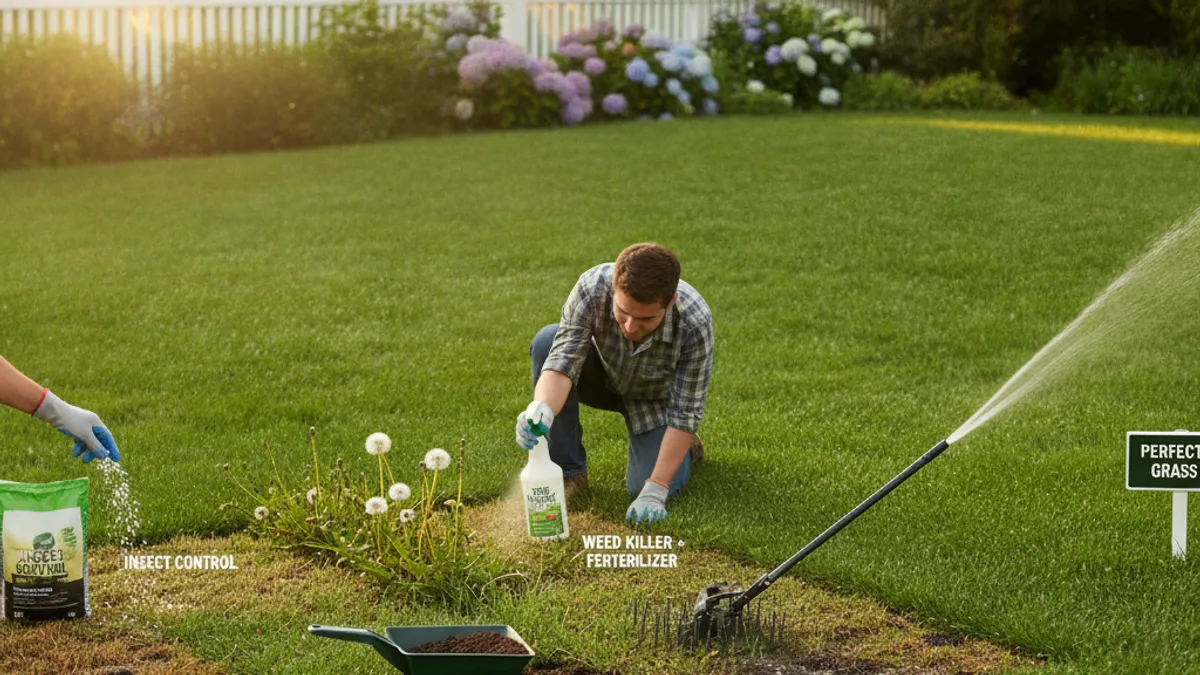
Even with the best intentions, lawns can run into trouble. These aren’t signs of failure, just signals that your grass needs a little extra attention. Figuring out the specific issue helps us apply the right solution.
Solutions for Yellowish Grass
Yellowish grass is a common cry for help. It can stem from a variety of issues, making diagnosis key to getting that green color back.
- Nutrient Deficiency: The most frequent culprit is a lack of nitrogen, which is essential for chlorophyll production, the stuff that makes grass green. If your soil test indicates low nitrogen, a nitrogen-rich, slow-release fertilizer is your best bet.
- Watering Imbalance: Both over-watering and under-watering can stress grass, leading to yellowing. Too much water can suffocate roots and lead to fungal diseases, while too little causes wilting and discoloration. Ensure you're watering deeply a few times a week, rather than shallowly every day.
- Soil pH Issues: If your soil's pH is too high or too low, grass can't effectively absorb nutrients, even if they're present. A soil test will reveal if you need to adjust the pH with lime or sulfur. As of 2026, most university extension analyses continue to emphasize pH correction as a foundational step for nutrient uptake.
- Compaction or Disease: Compacted soil restricts root access to air and water. Lawn aeration can alleviate this. Certain fungal diseases also manifest as yellow patches. Identifying the specific disease is crucial for targeted treatment.
Tackling Thin or Patchy Spots
Thin or patchy areas aren't just unsightly; they're invitations for weeds and bare ground. Addressing the root cause is vital for a consistently green carpet.
- Insect Pests (Grubs): One of the most destructive causes is grub worms, which feed on grass roots underground. If you notice sections of your lawn lifting easily, like a loose carpet, grubs are a likely suspect. Our research of aggregate pest control reports indicates that checking for these C-shaped, white larvae is a standard first step.
- Fungal Diseases: Various fungal diseases can cause dead or discolored patches. These often appear in specific patterns or during certain weather conditions. Proper diagnosis is key to selecting an effective fungicide or adjusting cultural practices to deter the fungus.
- Heavy Traffic: High-traffic areas can wear down grass, leading to thinning and eventual bare spots. Consider redirecting foot traffic or using pathways in these zones.
- Poor Seeding Success: If you’ve recently seeded, patchy results might mean the seed didn't establish well. This could be due to poor soil contact, inadequate moisture, or incorrect seeding rates.
Winning the War on Weeds
Weeds don't just look bad; they compete with your grass for water, nutrients, and sunlight, ultimately hindering its green growth. A healthy, dense lawn is your first line of defense.
- The Best Defense is a Good Offense: A thick, healthy turf that is mowed high and watered properly naturally crowds out most weeds. They simply don't have the space or resources to establish.
- Identify Your Weeds: Different weeds require different control methods. Some are annuals that can be controlled with pre-emergent herbicides before they sprout, while others are perennials that may need post-emergent treatment.
- Targeted Herbicide Use: When weeds are persistent, herbicides can be effective.
- Pre-emergent: Applied in early spring, these create a barrier to stop weed seeds from germinating. They are most effective against annual weeds like crabgrass.
- Post-emergent: Applied after weeds have emerged, these target actively growing weeds. It's important to choose a product specific to the weeds you have and safe for your type of grass. Always follow product labels precisely.
- Manual Removal: For smaller infestations, pulling weeds by hand, ensuring you get the root, can be very effective. This is especially true for dandelions or larger tap-rooted weeds.
Your Step-by-Step Green Grass Workflow
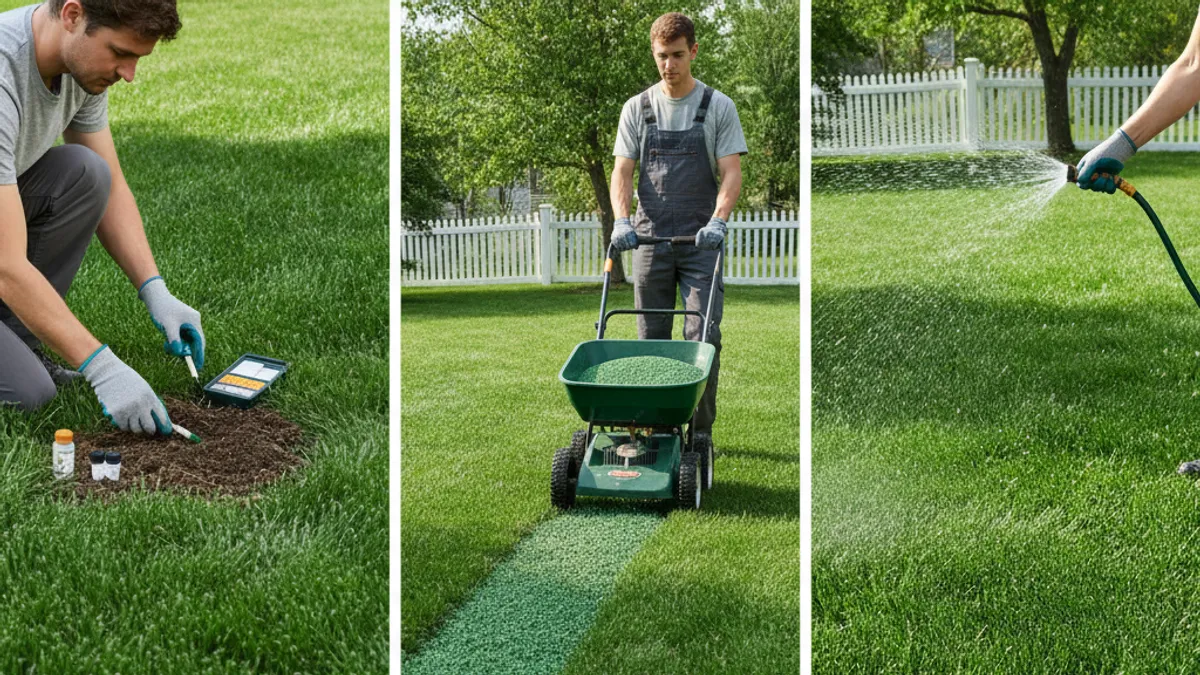
This isn't a single action but a series of deliberate steps, like following a recipe for success. We’re building from the ground up, ensuring each stage supports the next for the best possible green result. If your lawn is currently facing a specific issue, this workflow helps prioritize actions.
Step 1: Test Your Soil's Needs
The very first action is understanding what your soil is working with. A soil test is your diagnostic tool. When you get your results back from a reputable lab (often via your local Cooperative Extension office), pay close attention to the pH level and the macronutrient readings (N, P, K). If your pH is outside the 6.0-7.0 range, this is your initial target for correction.
Step 2: Spring Prep & Feeding (Cool Season Grass Focus)
As cool-season grasses start actively growing in spring, it’s time for their first feeding and a bit of revitalization. This phase sets the stage for the entire growing season.
- Aeration (If Needed): If your soil test indicated compaction or if the lawn feels hard underfoot, now is a good time to aerate. This practice improves air circulation and water infiltration.
- Fertilization: Apply a balanced, slow-release nitrogen fertilizer. Follow the spreader settings recommended on the product bag to ensure even application. An application rate of 1 pound of actual nitrogen per 1,000 square feet is common.
Step 3: Summer Care & Watering
Summer brings heat, and your lawn will need careful management to maintain its color and health. This stage is critical for preventing stress.
- Watering: Stick to deep, infrequent watering. Aim for 1 to 1.5 inches of water per week, delivered in one or two sessions. Early morning watering is best.
- Mowing: Continue mowing high, around 3 to 3.5 inches for cool-season grasses. Avoid mowing during the hottest part of the day.
- Weed and Pest Watch: Keep an eye out for new weed growth or signs of pests. Address these issues promptly with targeted treatments.
Step 4: Fall Fertilizing & Seeding (Cool Season Grass)
Fall is arguably the most important time for cool-season grasses, as it’s when they build reserves for winter and prepare for next spring. This is also the prime time for overseeding thin areas.
- Overseeding: If your lawn is thin, fall is the ideal time to sow new grass seed. Prepare the soil by lightly raking and ensure good seed-to-soil contact for germination. Keep the seeded areas consistently moist.
- Fertilization: Apply another slow-release nitrogen fertilizer. This feeds the grass, helps it recover from summer stress, and strengthens root development for winter.
Step 5: Ongoing Maintenance for Lasting Green
The quest for a green lawn doesn't end with the growing season. Consistent, year-round care ensures your efforts pay off.
- Leaf Removal: In the fall, remove fallen leaves, as thick layers can smother grass and promote disease.
- Winter Protection: While growth slows, ensure the lawn receives adequate water if conditions are very dry.
- Spring Assessment: As the next growing season approaches, reassess your lawn’s condition and soil test results to fine-tune your strategy.
Mistakes That Will Ruin Your Green Dream
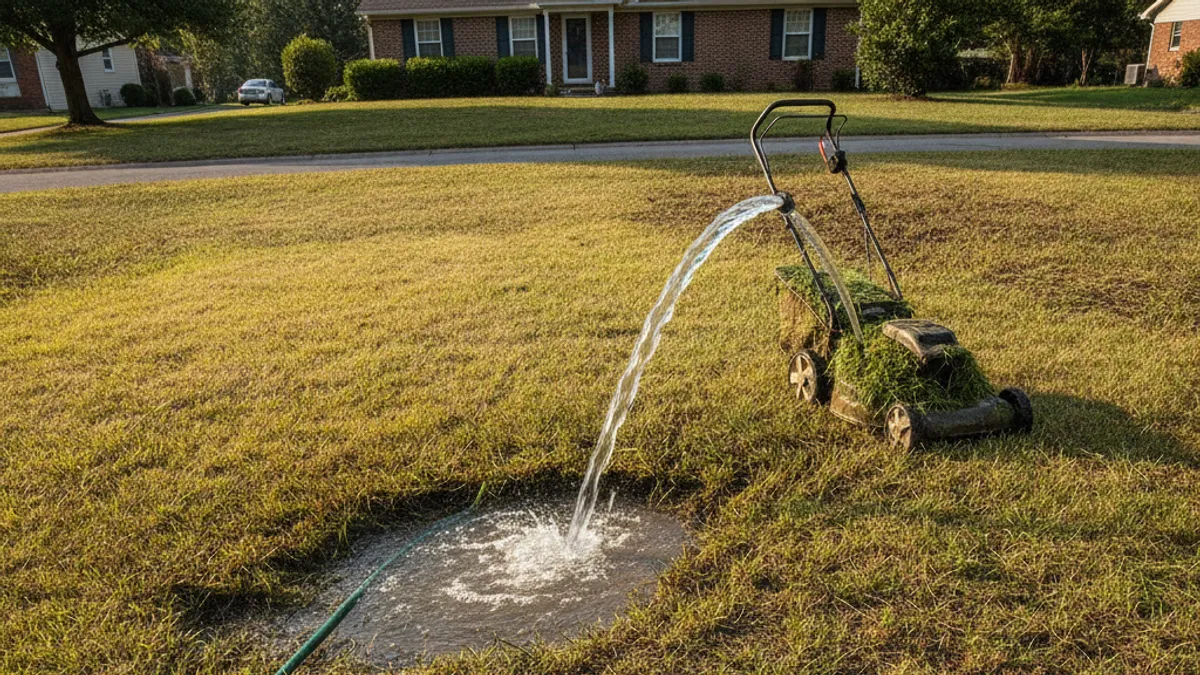
Making your grass green is a science, and like any science, there are common errors that can set you back. Avoiding these pitfalls is just as important as following the right steps. Our analysis of common lawn care failures highlights a few key reoccurring issues.
Over-fertilizing Dangers
Applying too much fertilizer is a very common mistake. It’s tempting to think more is better, but excess nitrogen can lead to rapid, weak growth that's more susceptible to disease and drought. It can also cause "fertilizer burn," where the grass blades turn brown and die. Manufacturer specifications very clearly state recommended application rates, typically in pounds of actual nitrogen per 1,000 square feet, which should not be exceeded.
Watering Too Little or Too Often
The balance of water is critical. Under-watering stresses grass, causing it to wilt and turn yellow or brown. Conversely, over-watering can lead to root rot, fungal diseases, and shallow root systems, making the grass weaker overall. Aiming for deep, infrequent watering is key, moving away from daily shallow sprinklings.
Mowing Too Short
Cutting grass too short is a frequent error that directly impacts its ability to stay green and healthy. Shorter grass blades mean less surface area for photosynthesis, the process that converts sunlight into energy for growth and color. It also reduces the grass's ability to shade the soil, leading to increased evaporation and weed seed germination. The recommendation to mow high, generally at 3 to 3.5 inches for cool-season grasses, isn’t arbitrary; it’s based on promoting robust root systems and overall turf vigor.
Expert Tips for an Emerald Lawn
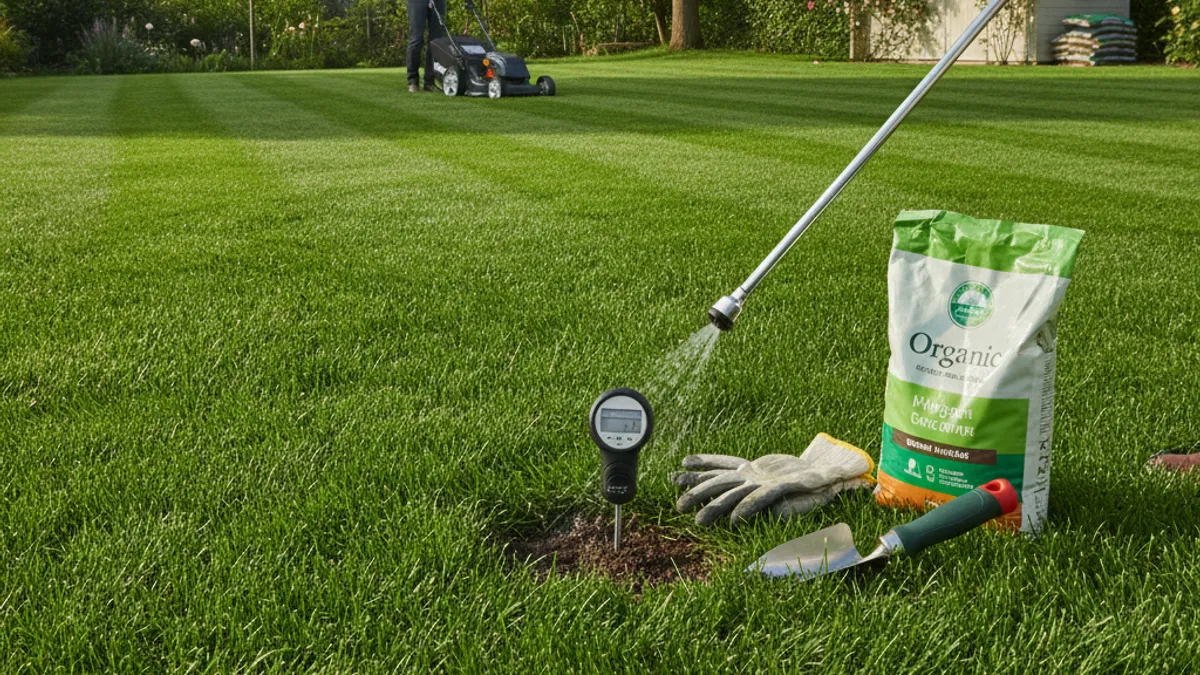
Beyond the basic steps, a few pro insights can elevate your lawn's greenness and overall health. These are the little tricks and consistent habits that separate a good lawn from a truly spectacular one.
- Observe and Adapt: Your lawn is unique. Pay close attention to how it responds to weather, water, and your care. Don't blindly follow a schedule if conditions change. For instance, if a prolonged dry spell hits, adjust your watering even if your schedule says otherwise.
- Understand Your Grass Type: Different grass species have varying needs for sunlight, water, and mowing height. Knowing whether you have cool-season or warm-season grass is fundamental to applying the right care at the right time.
- Timing is Non-Negotiable: Especially for fertilization and overseeding, the timing aligned with your grass type's growth cycle is critical. Applying fertilizer in the dead of summer, for example, is often counterproductive for cool-season grasses.
- Consistent Care Trumps Intensity: Small, consistent efforts over time yield better results than infrequent, massive overhauls. Regular, light feedings and proper mowing will build a stronger, greener lawn than sporadic, heavy applications.
- Integrated Pest Management: Instead of immediately reaching for strong chemicals, try to use integrated methods. This might include promoting beneficial insects, using physical barriers, or selecting disease-resistant grass varieties when overseeding.