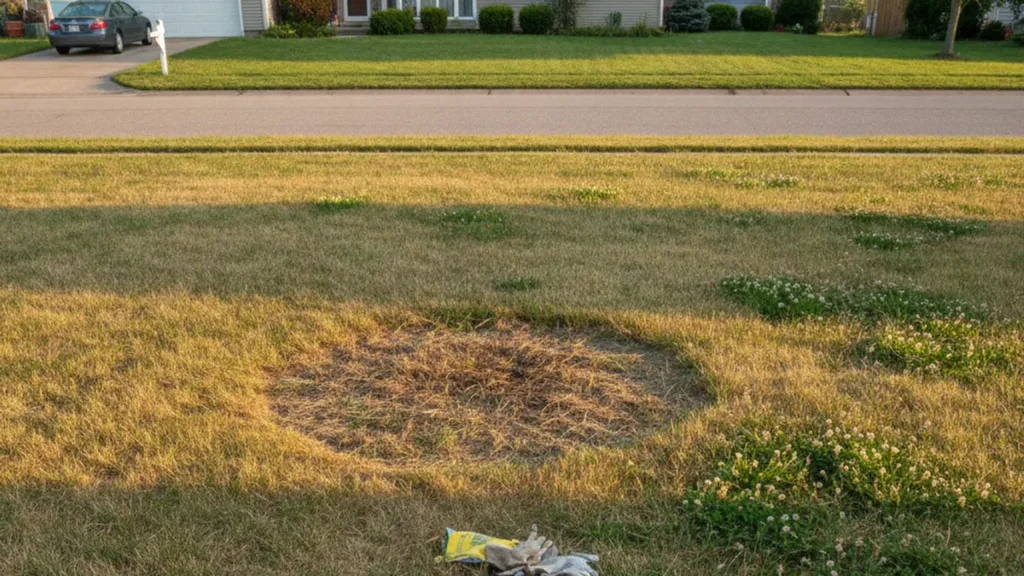
Tired of looking out at a dull, patchy yard when you picture the vibrant, green lawn from magazine ads? You're not alone. Achieving that perfect green lawn isn't about luck; it’s about understanding your grass and giving it what it needs through a consistent, informed plan.
This guide breaks down the essential steps, from soil health to watering and feeding, all tailored to help you transform your turf. We'll look at how to identify and solve common problems, ensuring your lawn thrives. Based on aggregate data from university extension research, lawns typically need specific nutrient balances, with nitrogen often comprising 50-75% of the total fertilizer applied annually, adjusted based on grass type and growth stage.
What's Actually Making Your Lawn Look Dull? (The Common Pains)
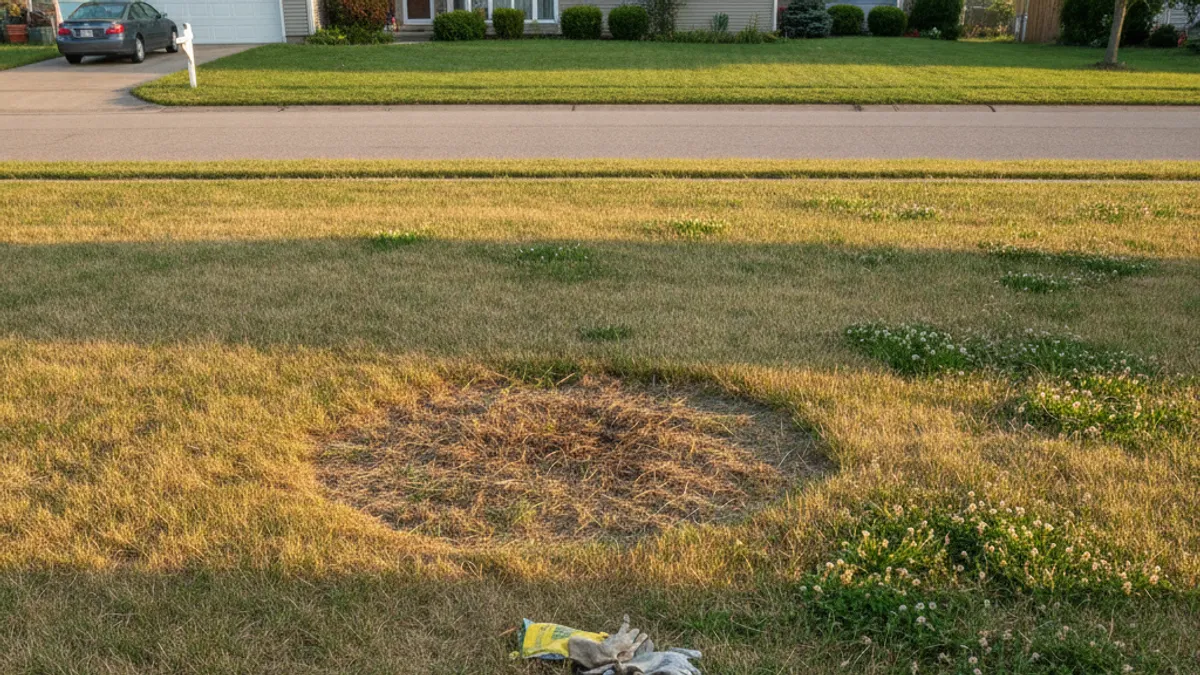
The "perfect green lawn" is a common goal, but several things can sabotage your efforts. You might be battling persistent weeds that choke out healthy grass, or perhaps your lawn is showing signs of stress like yellowing or bare patches. These aren't just cosmetic issues; they're indicators that something fundamental is wrong.
- Weeds: These unwanted guests compete for nutrients, water, and sunlight, weakening your grass. Think dandelions, crabgrass, clover, and broadleaf varieties.
- Lawn Diseases: Fungal infections and other diseases can cause unsightly spots, browning, and thinning. Brown patch and dollar spot are common culprits.
- Insect Infestations: Grubs, chinch bugs, and other pests can damage grass roots and blades, leading to yellowing and death.
- Compacted Soil: Heavy foot traffic or clay-heavy soil can make it hard for air, water, and nutrients to reach grass roots, hindering growth.
- Thatch Buildup: A thick layer of dead grass stems and roots can suffocate the lawn, block water, and harbor pests.
Understanding these problems is the first step to fixing them. Each issue, from a weed infestation to poor soil aeration, requires a specific approach.
Your Lawn's DNA: Understanding Grass Types and Their Needs
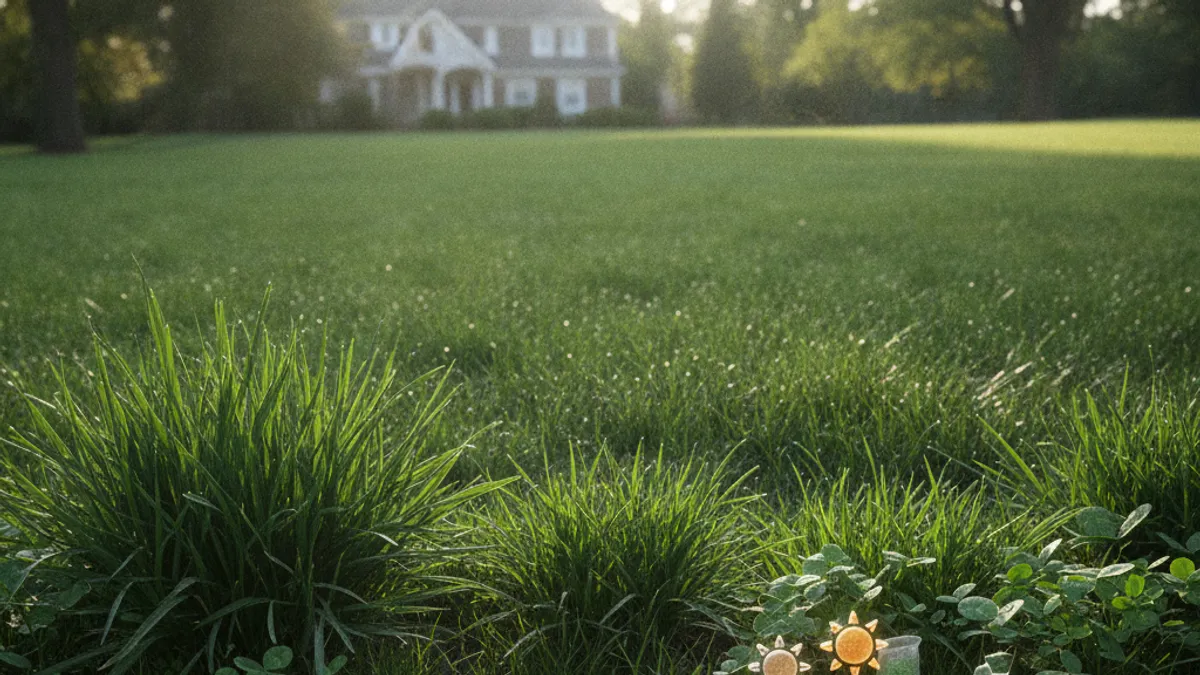
Not all grass is created equal. The type of grass you have dictates how it grows, what conditions it thrives in, and how you should care for it. Broadly, grasses fall into two main categories: cool-season and warm-season. Knowing which you have is crucial for timing and tailoring your lawn care routine.
- Cool-Season Grasses: These thrive in regions with cold winters and moderate summers. They include varieties like Kentucky bluegrass, perennial ryegrass, and fescues (tall fescue, fine fescue). Their peak growing season is spring and fall, and they may go dormant or turn brown during hot summer spells.
- Warm-Season Grasses: These prefer warmer climates with hot summers and milder winters. Examples include bermuda grass, zoysia grass, and centipede grass. They grow most vigorously in the heat of summer and typically go dormant and turn brown with the first frost.
Choosing the right maintenance strategy, especially watering and fertilizing, depends heavily on your grass type. For instance, cool-season grasses generally require more consistent moisture during hotter months to stay green, while warm-season grasses are more drought-tolerant once established.
The Dirt on Soil: Your Lawn's Foundation
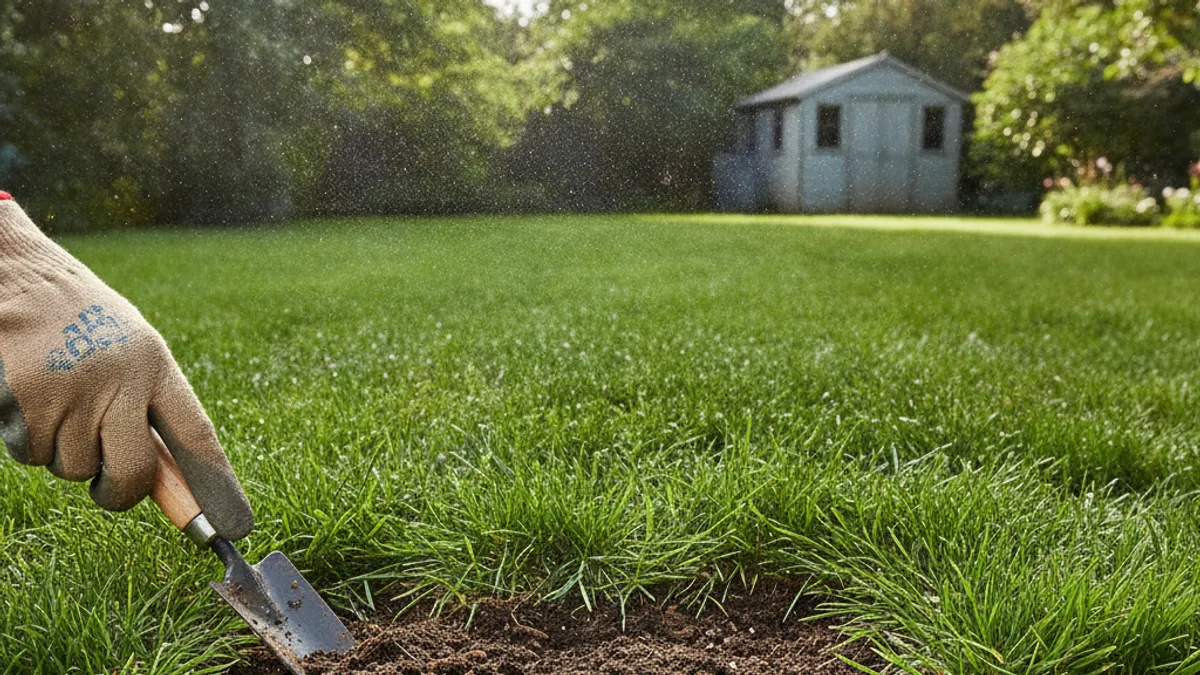
Think of your soil as the pantry for your lawn. If the pantry is empty or the contents are spoiled, your grass simply won't flourish, no matter how much you water or fertilize. Healthy soil is packed with nutrients, has good drainage, and allows air to circulate freely.
Assessing Your Soil's Health: pH and Nutrients
The two most critical factors for soil health are its pH level and nutrient content.
- Soil pH: This measures how acidic or alkaline your soil is, on a scale of 0 to 14. Most turfgrasses prefer a slightly acidic to neutral pH, typically between 6.0 and 7.0. A pH outside this range can lock up essential nutrients, making them unavailable to your grass, even if they are present in the soil. For example, if the pH is too low (acidic), nutrients like phosphorus and potassium can become less available.
- Nutrient Content: Grass needs a balanced diet, primarily consisting of Nitrogen (N), Phosphorus (P), and Potassium (K). Nitrogen promotes green, leafy growth, Phosphorus aids in root development, and Potassium helps with overall plant health and stress resistance. Soil tests can reveal deficiencies or excesses of these macronutrients, as well as micronutrients.
You can get a good idea of your soil's health by using a simple soil testing kit available at most garden centers. Following the instructions on the kit will give you specific readings for pH and major nutrient levels, which are vital for choosing the right amendments and fertilizers.
Watering Wisely: The Right Amount, The Right Time
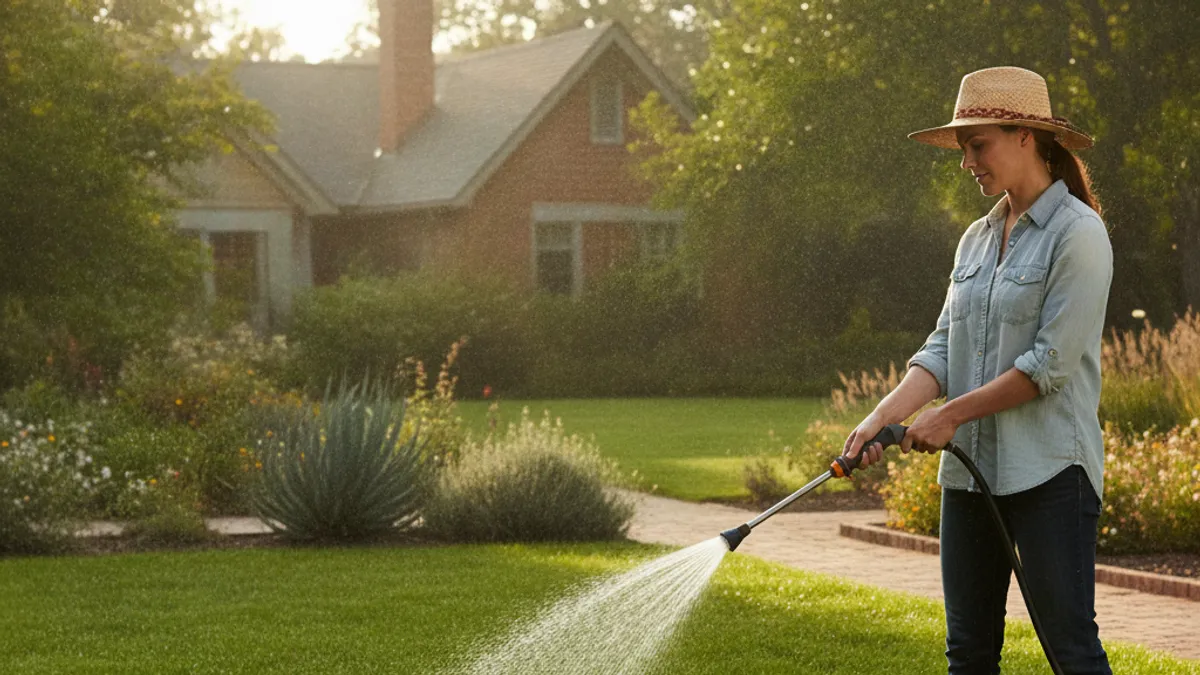
Water is life for your lawn, but too much or too little can be detrimental. Proper watering encourages deep root growth, making your lawn more resilient to drought and heat. The key is consistency and applying water deeply rather than frequent, shallowings.
- How Much? Generally, most lawns need about 1 to 1.5 inches of water per week, spread over one or two watering sessions. This depends heavily on your grass type, soil type, and local climate. Sandy soils drain faster and may need more frequent, lighter watering, while clay soils hold moisture longer and benefit from less frequent, deeper applications.
- When to Water? The best time to water is early in the morning, ideally between 4 a.m. and 10 a.m. This allows the grass to absorb the water before the heat of the day causes significant evaporation. Watering in the late evening can leave the grass wet overnight, which can encourage fungal diseases.
- How to Check? A simple way to test if your lawn needs water is to step on the grass. If the blades spring back up, it’s likely okay. If they stay flattened, it’s time to water. You can also use a screwdriver; if it’s difficult to push into the soil, it’s too dry. Watering deeply encourages roots to grow deeper in search of moisture, creating a more drought-tolerant lawn.
Using a rain gauge can help you track how much natural precipitation your lawn is receiving, so you know how much supplemental watering is actually needed. Some irrigation system manufacturers even offer controllers that adjust watering schedules based on local weather data.
Feeding Your Lawn: Fertilizing for a Lush Look

Fertilizing is like giving your lawn a nutrient boost. It replenishes the soil and provides the essential elements grass needs to grow thick, green, and healthy. The goal is to apply the right type of fertilizer, at the right time, and in the right amount.
Choosing the Right Fertilizer: NPK and Types
Fertilizer bags display three numbers, known as the N-P-K ratio, representing the percentage by weight of Nitrogen (N), Phosphorus (P), and Potassium (K).
- Nitrogen (N): This is the most important nutrient for green growth and density. A higher first number, like 20-5-10, indicates a higher nitrogen content.
- Phosphorus (P): Essential for root development and seedling growth, phosphorus is often in lower concentrations unless the soil test indicates a deficiency.
- Potassium (K): This nutrient helps with overall plant health, disease resistance, and stress tolerance (like heat or drought).
Fertilizers also come in different forms:
- Quick-Release: These provide nutrients immediately but can lead to rapid growth spurts and are more prone to burning the lawn if over-applied. They are often cheaper but require more frequent application.
- Slow-Release: These release nutrients gradually over an extended period (weeks to months), providing a more consistent food source and reducing the risk of burning. They are generally considered more effective for long-term lawn health and often preferred by professionals.
The best fertilizer for your lawn depends on your grass type, soil test results, and the time of year. For example, a higher nitrogen fertilizer is often applied in the spring and fall for cool-season grasses to promote growth. As of 2026, manufacturer data still shows slow-release nitrogen formulations as the preferred choice for sustained turf health and reduced environmental runoff.
Tackling Weeds: Your Battle Plan
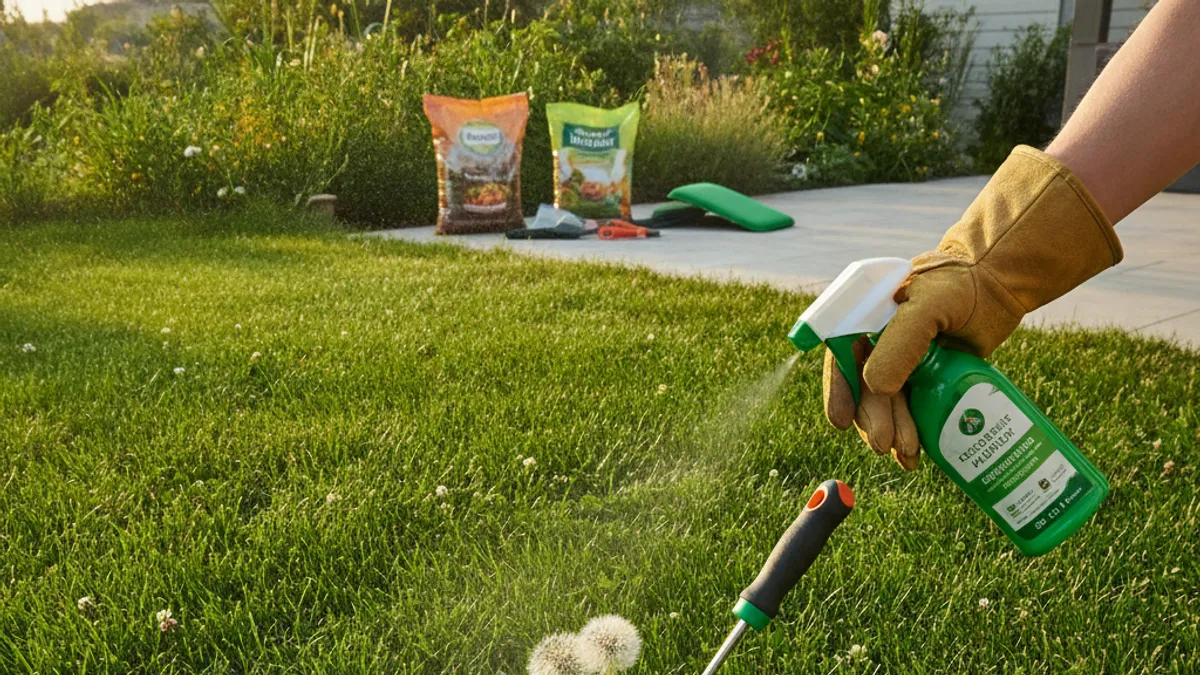
Weeds are the unwelcome guests at your lawn party, stealing precious resources from your desired grass. A proactive strategy is key, focusing on both prevention and removal. Understanding that weeds thrive in weak areas of your lawn means keeping your grass healthy is your best defense.
When Should You Fight Weeds?
The timing of your weed-fighting efforts makes a big difference. Different types of weeds need different tactics at specific times of the year.
- Pre-emergent Herbicides: These are applied before weed seeds germinate. They create a barrier in the soil that kills germinating seedlings. For cool-season grasses, this is typically applied in early spring, before soil temperatures consistently reach 55°F, to prevent annual weeds like crabgrass. A second application might be needed in late summer or early fall. For warm-season grasses, the timing shifts to late winter or early spring.
- Post-emergent Herbicides: These are used to kill weeds that are already growing. They are most effective when weeds are young and actively growing. It's crucial to identify the type of weed to choose the correct post-emergent herbicide. Some target broadleaf weeds, while others are designed for grassy weeds.
- Manual Removal: For small infestations, pulling weeds by hand can be very effective, especially after a rain when the soil is soft. Make sure to get the entire root system to prevent regrowth.
What Does a Weed-Free Lawn Look Like?
A lawn managed effectively against weeds will have dense, uniform turf cover. You won't see distinct patches of clover, dandelions, or other unwanted species. The grass blades will stand upright, and the overall appearance will be smooth and consistent.
- Visual Cue: Imagine a golf course fairway versus a neglected vacant lot. The golf course, meticulously managed, has a dense carpet of one type of grass. The vacant lot might be a mix of grass, weeds, and bare soil.
- The Difference: The primary difference is consistent application of preventative measures and targeted treatments for existing weeds.
Dealing with Pests and Diseases: Protecting Your Turf
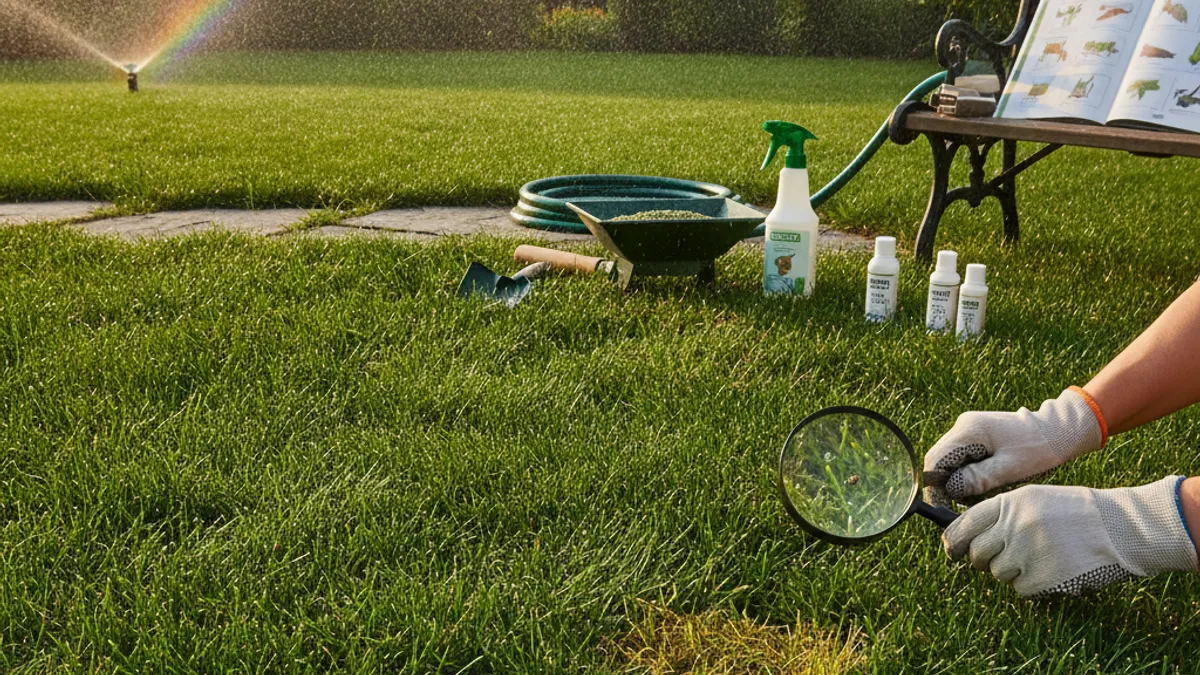
Even healthy lawns can fall victim to pests and diseases that can quickly turn a vibrant green carpet into a brown, damaged mess. These issues often arise when the lawn is already stressed, making good maintenance practices your first line of defense. Our research indicates that healthy, well-fed, and properly watered turf is inherently more resistant to many common pest and disease outbreaks.
Common Lawn Pests and What They Do
Several common insects can wreak havoc on your lawn by feeding on the grass blades or roots.
- Grubs: These C-shaped larvae of beetles feed on grass roots, causing irregular brown patches that can be easily pulled up like a carpet. In severe infestations, you might even see birds digging extensively in your lawn, a sign they're finding a tasty grub buffet.
- Chinch Bugs: These small insects suck the juices from grass blades, causing yellowing and browning that often starts in sunny areas and can spread rapidly. They are more common in warm-season grasses.
- Sod Webworms: The larvae of these lawn moths feed on grass blades, creating irregular patches of brown, chewed-up grass. They are typically more active at night.
Spotting Lawn Diseases Early
Fungal diseases are a frequent problem, especially in humid conditions or when lawns are overwatered.
- Brown Patch: This disease creates circular patches of brown, dead grass, often with a darker margin. It's common in warm weather and can be exacerbated by excessive nitrogen fertilizer applied at the wrong time.
- Dollar Spot: Characterized by small, straw-colored spots roughly the size of a silver dollar, this disease can spread and merge to create larger dead areas. It thrives in both cool and warm conditions and is often associated with low nitrogen levels.
- Red Thread: This fungal disease causes scattered, reddish-pinkish streaks on grass blades, giving the lawn a somewhat faded or "dying" appearance. It's often a sign of low nitrogen in the soil.
Early detection is key. Regularly walking your lawn and looking closely at the grass blades and root areas will help you identify problems before they become widespread and more difficult to manage.
Mowing for Success: Height, Frequency, and Blades
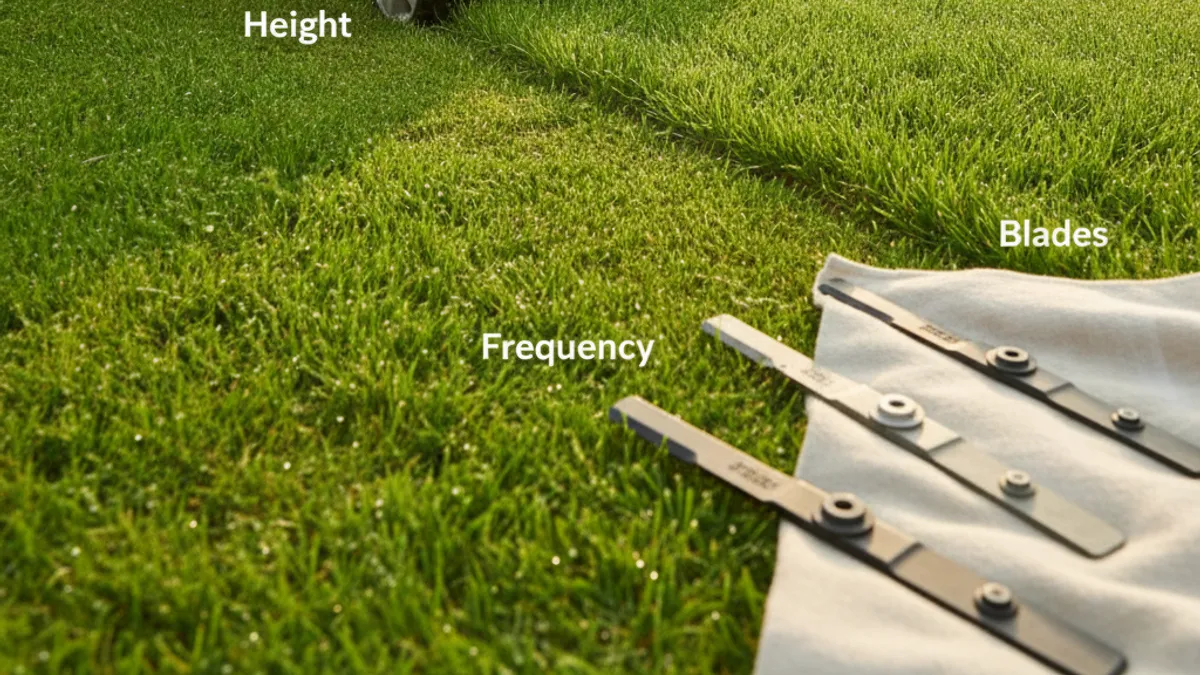
Mowing might seem straightforward, but it's one of the most impactful cultural practices for lawn health. How you mow, at what height, how often, and with what equipment, directly affects your grass's density, root development, and overall vigor.
The "Right" Mowing Height Matters
Mowing too short stresses the grass, making it vulnerable to weeds, drought, and disease. It also reduces the grass’s ability to photosynthesize. Conversely, mowing too high can lead to a floppy lawn that might not stand up well.
- General Guidelines:
- Cool-Season Grasses: Often benefit from a mowing height of 2.5 to 3.5 inches. Taller growth (like with tall fescue) encourages deeper roots.
- Warm-Season Grasses: Some, like bermuda grass, can be mown shorter, sometimes down to 0.5 to 1 inch, especially if aiming for a very fine texture. Others, like zoysia, do well at 1 to 2 inches.
- The "One-Third Rule": Never remove more than one-third of the grass blade's height in a single mowing. This means if your grass is 3 inches tall and you want to maintain it at 2 inches, you can mow. If it grows to 4.5 inches, you can mow it back to 3 inches. If it grows longer, you need to mow more frequently to stay within the one-third limit.
How Often Should You Mow?
The frequency of mowing is determined by how fast your grass is growing, which is influenced by the grass type, weather, and fertilization. It’s better to mow more frequently at the correct height than to let it get too long and then scalp it.
Blade Condition: Sharper is Better
Dull mower blades tear grass blades rather than cutting them cleanly. This ragged cut leaves the grass susceptible to disease and causes it to turn brown at the tips, giving your lawn a chewed or fuzzy appearance.
- Visual Difference: A clean cut looks like a precise slice across the blade. A ragged cut looks shredded and frayed.
- Maintenance: Sharpen your mower blades at least once a year, or more often if you have a large lawn or mow frequently.
Seasonal Lawn Care: A Year-Round Workflow
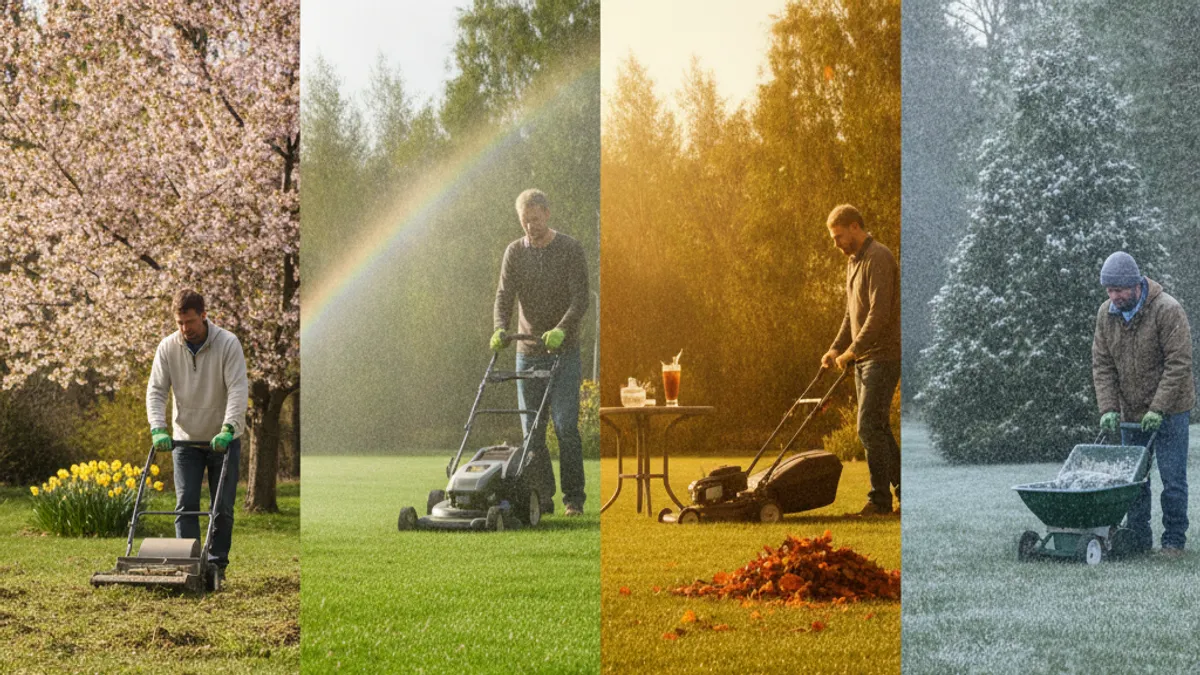
Your lawn's needs change dramatically throughout the year. A comprehensive plan addresses these shifts, ensuring your turf gets the right care at the right time. What you do in spring directly impacts how well your lawn handles summer heat, and fall care sets the stage for winter survival and spring revival.
Spring Tune-Up: Getting Ready for Growth
As the soil warms and grass begins to green up, it's time for an energetic spring push.
- Clean Up Debris: Rake away any fallen leaves or debris that may have accumulated over winter. This allows sunlight and air to reach the grass.
- Aeration (Optional but Recommended): Especially for compacted soils, aerating (pulling small plugs of soil out) improves air and water penetration. It's best done when the grass is actively growing.
- Fertilization: Apply a balanced fertilizer, often with a higher nitrogen content, to encourage new growth. Check your grass type and soil test for specific recommendations.
- Weed Control: Apply a pre-emergent herbicide before weeds like crabgrass get a foothold.
- First Mowing: Mow at the higher end of the recommended height for your grass type to encourage strong root development.
Summer Care: Beating the Heat
Summer is a stress test for most lawns. The focus shifts from aggressive growth to survival and maintenance.
- Water Deeply and Infrequently: Aim to provide 1 to 1.5 inches of water per week, usually in one or two sessions, early in the morning. Avoid frequent, shallow watering, which encourages shallow roots.
- Mow Higher: Raise your mower to its highest setting to shade the soil, reduce moisture loss, and lessen heat stress on the grass.
- Fertilize Sparingly (If At All): Avoid heavy fertilization during peak summer heat, as it can tax a stressed lawn. If fertilizing, use a slow-release formula and water it in well.
- Monitor for Pests and Diseases: Heat and drought can weaken the lawn, making it more susceptible. Be vigilant for signs of trouble.
Fall Focus: Preparing for Dormancy
Fall is arguably the most important season for long-term lawn health, especially for cool-season grasses.
- Continued Mowing: Keep mowing as grass continues to grow, adjusting height as needed.
- Overseeding: Fall is the prime time to overseed cool-season lawns to fill in thin areas and thicken turf.
- Fertilization: Apply a fall fertilizer, often one slightly higher in potassium, to help the grass store energy for winter and promote root growth.
- Weed Control: Apply post-emergent herbicides for any lingering weeds.
- Leaf Management: Rake or mulch fallen leaves. Letting them mat down can smother the grass.
Winter Watch: Protecting Your Grass
Even when dormant, your lawn needs some consideration to ensure a healthy spring return.
- Limit Traffic: Avoid walking or driving on frozen or waterlogged grass to prevent damage to crowns and roots.
- Snow Protection: In areas with heavy snowfall, significant snow cover can insulate the lawn. However, ice dams or prolonged deep freezes can sometimes cause winter kill.
- Prepare Tools: Clean and service your mower and other lawn equipment during the off-season.
- Review Plans: Look back at your lawn's performance throughout the year and plan for any adjustments needed for the next season based on soil tests or observed issues.
When DIY Isn't Enough: Knowing When to Call a Pro
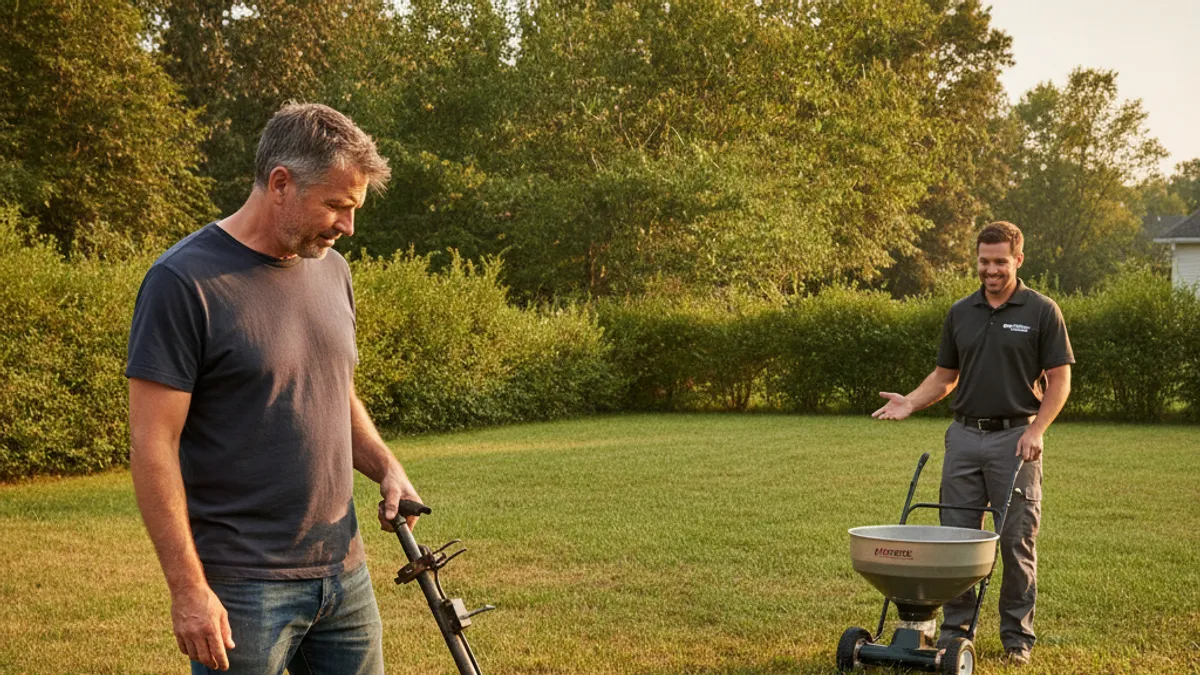
While this guide empowers you to handle many lawn care tasks, there are times when professional expertise is invaluable, or even necessary. Recognizing these situations can save you time, money, and frustration in the long run.
- Severe Infestations or Diseases: If you're dealing with a widespread pest problem, like a massive grub infestation, or a persistent, aggressive lawn disease that isn't responding to your treatments, a professional has access to stronger, more targeted solutions and the expertise to apply them safely and effectively.
- Complex Soil Issues: If your soil tests reveal significant nutrient imbalances or very poor structure that you can't seem to correct with standard amendments, a lawn care specialist can diagnose deeper issues and recommend tailored solutions.
- Large or Steep Properties: Maintaining very large lawns or properties with difficult terrain can be physically demanding and may require specialized equipment that professionals already possess.
- Specific Grass Types: Some turf varieties, like certain ornamental grasses or highly managed bentgrass greens, require very precise and advanced care that goes beyond general homeowner practices.
- Time Constraints: For busy homeowners, a professional service can ensure consistent, timely care that aligns with seasonality, freeing up your weekends.
Professionals can also identify subtle problems you might miss. They have diagnostic tools and years of experience training their eyes to spot issues in their very early stages, often before significant damage occurs.
Essential Tools for a Greener Lawn
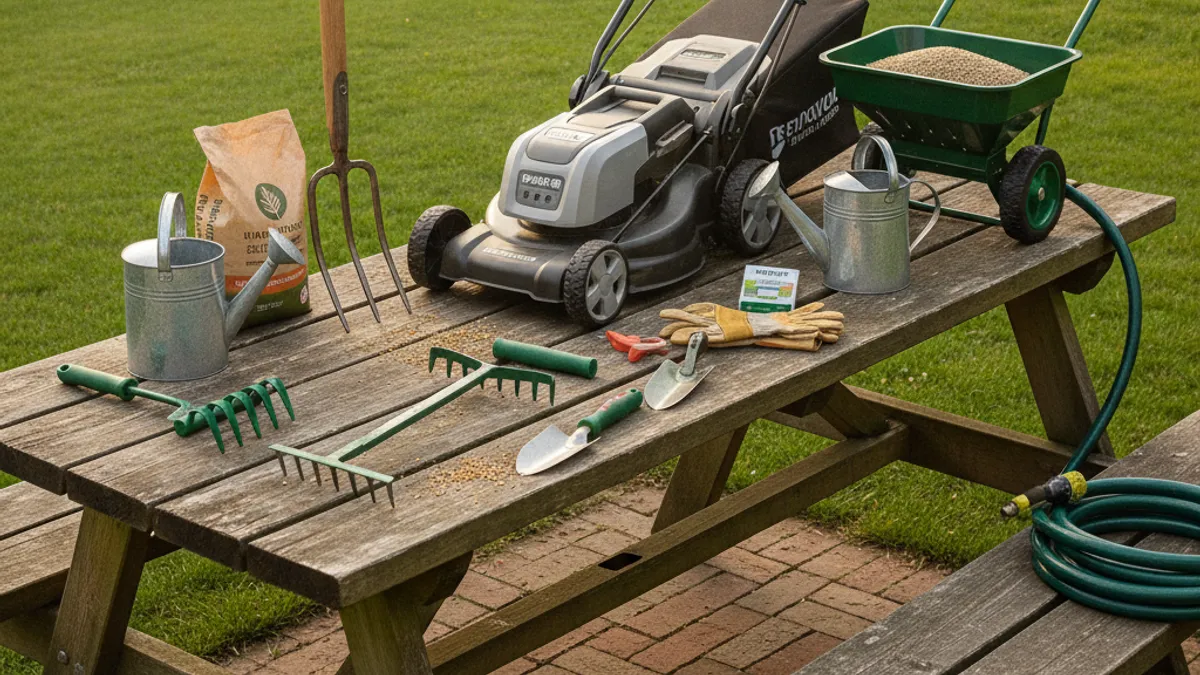
Having the right tools makes all the difference when tackling lawn care. While you don't need a professional setup, a few key pieces of equipment will make your job easier and your results better. Invest in quality where it counts, and your future self will thank you.
What You Need for Basic Lawn Care
- Mower: The most important tool. Whether it's a simple push mower, a self-propelled model, or a riding mower, ensure it's the right size for your yard and that its blades are kept sharp. Rotary mowers are most common for residential use.
- Hose and Sprinkler: For watering, a good quality garden hose (at least 50 feet for average yards) and a reliable sprinkler are essential. Oscillating or impact sprinklers offer good coverage.
- Spreader: Crucial for applying fertilizer, seed, and granular pest/weed controls evenly. There are broadcast spreaders (good for larger areas) and drop spreaders (more precise for smaller areas or near delicate plantings).
- Rake: A leaf rake for debris removal and a sturdy garden rake for leveling soil and dethatching are useful.
- Hand Trowel/Weeder: For digging out stubborn weeds by their roots.
Tools for More Advanced Lawn Care (Optional)
If you're looking to take your lawn to the next level, consider these:
- Aerator: A core aerator (which pulls plugs) is more effective than a spike aerator for reducing soil compaction. You can rent these, or buy a manual one for smaller yards.
- Dethatcher (Scarifier): This tool has tines or blades that dig into the thatch layer to remove dead grass buildup. Like aerators, these are often available for rent.
- Soil Test Kit: As mentioned earlier, this is vital for understanding your soil's pH and nutrient levels.
The right tools not only make the job more efficient but also increase the accuracy of your applications, whether it's spreading fertilizer or watering. Using a well-maintained spreader, for example, ensures you're not over-applying and potentially burning your lawn.
Seasonal Lawn Care: A Year-Round Workflow [Continued]
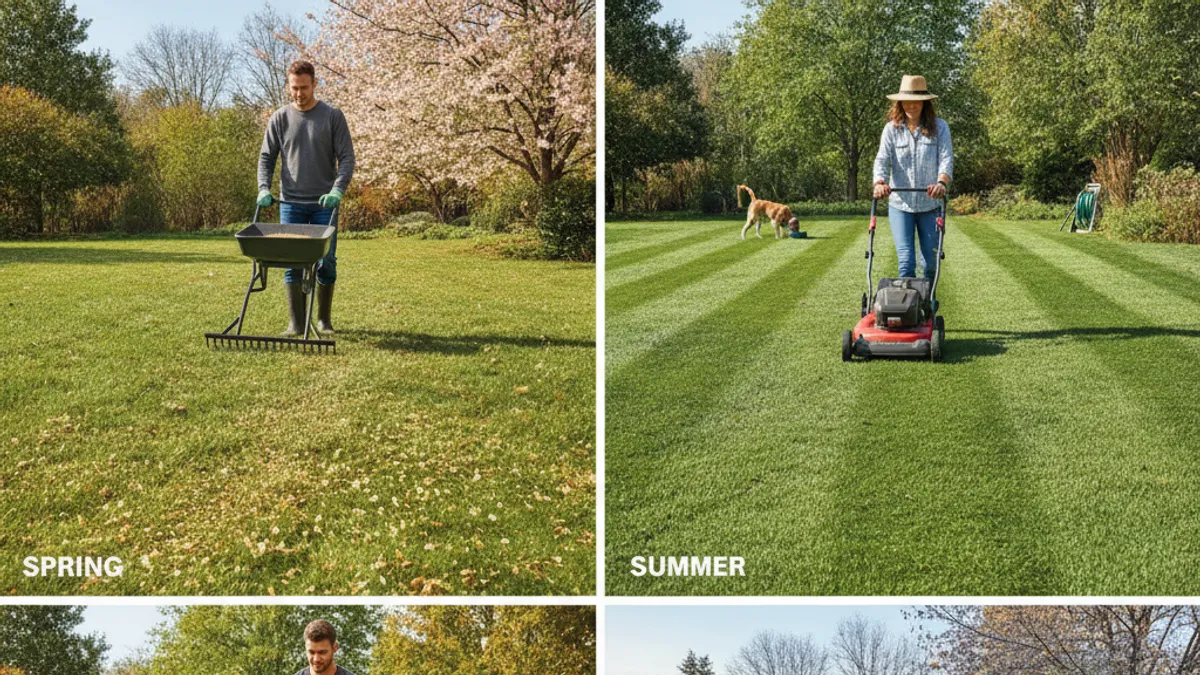
We've covered the general tasks for each season, but let's dive a bit deeper into how these actions build on each other and what to watch out for. This continuous cycle of care is what transforms a decent lawn into a great one.
Spring Tune-Up: Getting Ready for Growth
Spring is your lawn's breakfast, lunch, and dinner. It needs energy to recover from winter and prepare for the growing season.
- Debris Removal: Piles of leaves can smother grass and create bare spots. Raking them up also removes thatch that might have accumulated over winter. If you have a large lawn, a leaf blower can speed this up.
- Aeration: If your soil feels hard or water tends to pool after rain, aeration is probably needed. This process creates small holes in the soil, allowing air, water, and nutrients to penetrate. For many cool-season grasses, aerating in early spring or early fall is ideal.
- Fertilization: A spring feeding boosts growth and greenness. Look for a fertilizer with a good amount of nitrogen. Many spring fertilizers also include pre-emergent herbicides to tackle early-season weeds like crabgrass. Aggregate data from university turf research suggests that nitrogen applied in spring should be a slow-release type to avoid excessive top growth that can be susceptible to summer stress.
- Weed Prevention: Applying a pre-emergent herbicide around mid-spring, as soil temperatures rise, is key to preventing annual weeds. Timing is critical; if you aerate after applying pre-emergent, it can disrupt the chemical barrier.
Summer Care: Beating the Heat
Summer is prime time for your lawn to show its resilience, or its struggles. Conserving moisture and reducing stress are paramount.
- Watering Strategy: Avoid shallow, frequent watering. This encourages shallow root systems that are easily damaged by heat and drought. Aim for 1 inch of water every 7-10 days, applied in one or two watering sessions. Water in the early morning to minimize evaporation and reduce disease risk. A lawn that is starting to show slight wilting (a dull, bluish-grey tint, or footprints that linger) is a good indicator it’s time to water.
- Mowing Height: Raise your mower deck to its highest setting. Taller grass (3-4 inches for many cool-season types) shades the soil, keeps it cooler, conserves moisture, and crowds out weeds.
- Fertilizer Caution: During peak summer heat, avoid applying fast-release nitrogen fertilizers. If your lawn needs nutrients, opt for a slow-release formula designed for summer stress or a biostimulant product.
- Pest & Disease Patrol: Higher temperatures and stress can invite insects like chinch bugs and diseases like brown patch. Inspect your lawn regularly.
Fall Focus: Preparing for Dormancy
Fall is a crucial recovery and preparation period, especially for cool-season grasses. It's like setting your lawn up for a successful hibernation.
- Overseeding: If you have thin spots or bare patches, fall is the best time to overseed cool-season lawns. The cooler temperatures and increased moisture help new seeds germinate and establish before winter. Use a mixture of grass seed varieties suited to your climate.
- Fertilization: A fall feeding is vital. Grass plants continue to actively grow roots even as top growth slows. A fertilizer with a higher potassium content can help the turf build reserves and improve winter hardiness.
- Continued Mowing & Leaf Management: Keep mowing as grass grows, but start raising the height later in the fall. Rake or mulch fallen leaves promptly to prevent them from smothering the grass and encouraging disease.
- Weed Control: Fall is also an excellent time to apply post-emergent herbicides to control perennial weeds that are actively storing energy for winter.
Winter Watch: Protecting Your Grass
When temperatures drop and grass goes dormant, the work isn't entirely over. Protecting your lawn from harsh winter conditions is key to a healthy spring comeback.
- Limit Traffic: Walking on frozen or snow-covered grass can break the dormant blades and damage crowns. Stay off the lawn as much as possible during winter.
- Ice and Snow: While snow acts as an insulator, prolonged ice cover can suffocate grass by preventing air exchange. If you have heavy ice buildup, try to break it up in areas where it’s particularly thick, if possible without damaging the turf.
- Tool Maintenance: Winter is the perfect time to clean, sharpen, and service your lawn equipment. This ensures they're ready for the spring rush.
Essential Tools for a Greener Lawn
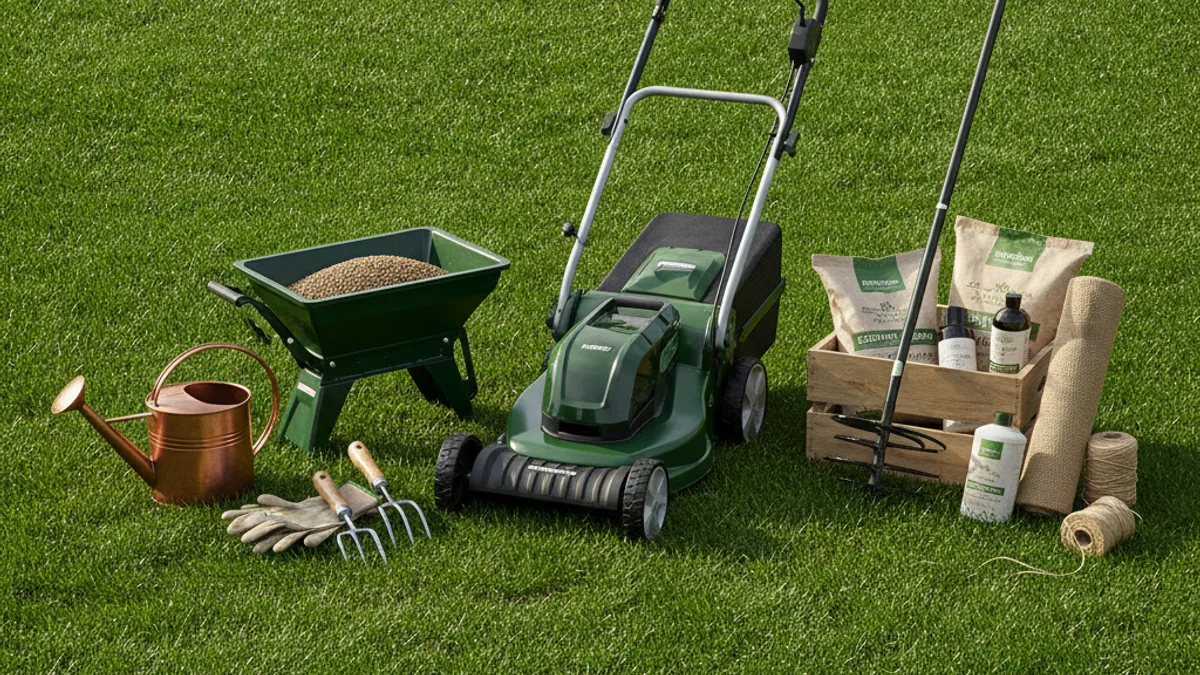
Having the right tools makes all the difference when tackling lawn care. While you don't need a professional setup, a few key pieces of equipment will make your job easier and your results better. Invest in quality where it counts, and your future self will thank you.
What You Need for Basic Lawn Care
- Mower: The most important tool. Whether it's a simple push mower, a self-propelled model, or a riding mower, ensure it's the right size for your yard and that its blades are kept sharp. Rotary mowers are most common for residential use.
- Hose and Sprinkler: For watering, a good quality garden hose (at least 50 feet for average yards) and a reliable sprinkler are essential. Oscillating or impact sprinklers offer good coverage.
- Spreader: Crucial for applying fertilizer, seed, and granular pest/weed controls evenly. There are broadcast spreaders (good for larger areas) and drop spreaders (more precise for smaller areas or near delicate plantings).
- Rake: A leaf rake for debris removal and a sturdy garden rake for leveling soil and dethatching are useful.
- Hand Trowel/Weeder: For digging out stubborn weeds by their roots.
Tools for More Advanced Lawn Care (Optional)
If you're looking to take your lawn to the next level, consider these:
- Aerator: A core aerator (which pulls plugs) is more effective than a spike aerator for reducing soil compaction. You can rent these, or buy a manual one for smaller yards.
- Dethatcher (Scarifier): This tool has tines or blades that dig into the thatch layer to remove dead grass buildup. Like aerators, these are often available for rent.
- Soil Test Kit: As mentioned earlier, this is vital for understanding your soil's pH and nutrient levels.
The right tools not only make the job more efficient but also increase the accuracy of your applications, whether it's spreading fertilizer or watering. Using a well-maintained spreader, for example, ensures you're not over-applying and potentially burning your lawn.
The Dirt on Soil: Your Lawn's Foundation [Continued]
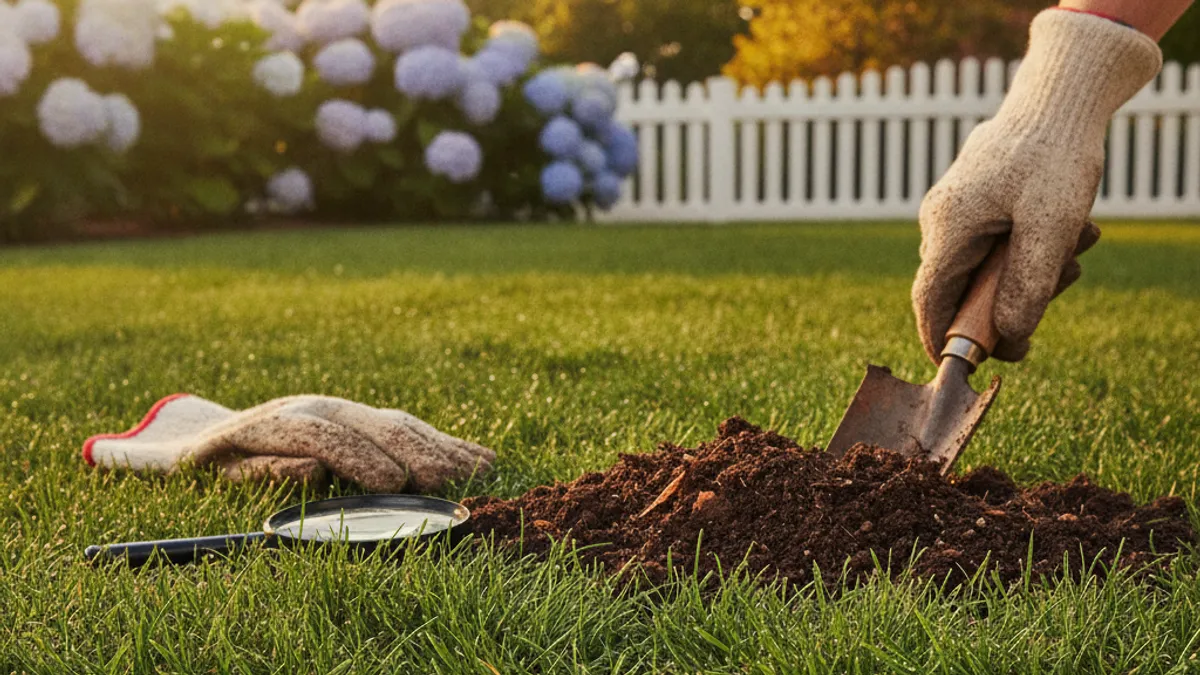
We've touched on soil's importance, but let's reinforce why it's the absolute bedrock of a great lawn. Without healthy soil, all other efforts, watering, fertilizing, weed control, are fighting an uphill battle. Soil is a living ecosystem, and its health dictates the health of everything growing in it.
Why Soil Testing is Non-Negotiable
Relying on guesswork for soil amendments can be wasteful and even harmful. A soil test provides a clear picture of what your lawn actually needs. This is especially true for pH. If your soil's pH is too high or too low, nutrients you apply may not be absorbed by the grass.
- pH Adjustments: If your soil is too acidic (pH below 6.0), you can add lime. The amount needed will be specified by your soil test results. If it's too alkaline (pH above 7.0), you might add elemental sulfur or peat moss, though this is less common.
- Nutrient Deficiencies: A test will pinpoint shortages in Nitrogen, Phosphorus, Potassium, and essential micronutrients. This allows you to select fertilizers or amendments that specifically address these gaps, rather than applying a generic, potentially unbalanced formula.
Our research indicates that most homeowners rarely perform soil tests, which is a primary reason for struggling lawns. University Extension services often offer low-cost or free soil testing, providing recommendations tailored to your region and desired turf type.
Understanding Soil Structure and Compaction
Beyond pH and nutrients, the physical structure of your soil is critical for root development and water management.
- Ideal Soil: A loamy soil, which is a mix of sand, silt, and clay, offers good drainage and nutrient retention. It also allows for good aeration.
- Compaction Issues: Heavy foot traffic, the weight of lawn equipment, or poor drainage can lead to soil compaction. When soil particles are pressed too closely together, there's little room for air pockets. This chokes grass roots, prevents water from soaking in, and makes it difficult for roots to grow deep.
- Consequences of Compaction: Lawns in compacted soil often show signs of stress quickly during hot weather. They may appear thin, discolored, and be more prone to weeds because the turf is weakened. This is where aeration, physically creating space in the soil, becomes invaluable. As mentioned in the "Spring Tune-Up" section, this process is a direct countermeasure to compaction.