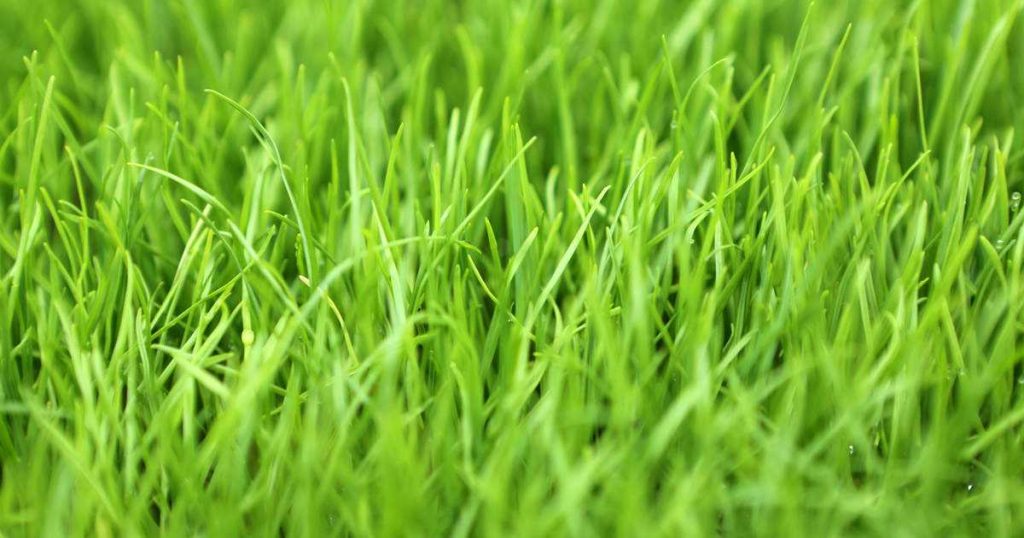
Yes, ryegrass is excellent for lawns, especially for quick greening and establishing a lush, dense turf. It’s known for its rapid growth, resilience, and vibrant green color, making it a popular choice for both cool-season and transitional lawns. Ryegrass can significantly improve the appearance of your yard in a short period and even help with weed control by creating a thick, competitive grass layer.
Ryegrass is highly recommended if you want a fast-growing, vibrant lawn that recovers quickly from wear and tear. Its ability to establish rapidly makes it ideal for overseeding or starting a new lawn, although it may require some maintenance to keep it healthy. Whether you’re a homeowner aiming for a beautiful yard or a landscaper looking for dependable turf, ryegrass can be a great option.
When considering if ryegrass is good for your lawn, it’s important to factor in your local climate, soil type, and maintenance capabilities. Ryegrass thrives in cooler seasons, providing a lush green backdrop when other grasses may struggle. Overall, it’s a versatile and resilient choice for creating a lively, picture-perfect lawn.

Is Ryegrass Good for Lawns? A Detailed Look
What is Ryegrass?
Ryegrass is a popular cool-season grass known for its fast growth and lush green appearance. It belongs to the *Lolium* genus and comes mainly in two types: perennial ryegrass and annual ryegrass. Both types are widely used in lawns, but they serve different purposes.
Perennial vs. Annual Ryegrass
Perennial ryegrass stays green year after year and is often used for permanent lawns. It is resilient and can withstand heavy foot traffic. Annual ryegrass, on the other hand, grows quickly but lasts only one season. It is common for temporary lawns or overseeding.
Why Consider Ryegrass for Your Lawn?
Ryegrass offers several advantages that make it appealing to homeowners and landscapers. It germinates rapidly, providing quick coverage and an attractive, dense turf. Its ability to withstand wear makes it suitable for active households.
Advantages of Ryegrass for Lawns
- Fast Germination: Ryegrass seeds sprout within just a week, making it ideal for quick lawn establishment.
- High Resilience: It tolerates foot traffic and physical wear better than many other grasses.
- Good for Overseeding: Ryegrass blends well with other grasses, helping to thicken existing lawns.
- Ideal for Cool Seasons: It performs well in the cooler months, maintaining color and vitality.
- Cost-Effective: Ryegrass seeds are generally affordable and readily available.
Limitations of Ryegrass
While ryegrass has many benefits, it is not perfect for all lawns. It can struggle in hot, dry conditions and may require more maintenance during summer months. It also tends to become invasive if not properly managed.
Best Uses for Ryegrass in Lawns
Overseeding Existing Lawns
Ryegrass is excellent for overseeding because it quickly fills in bare patches. It is often used to improve the appearance and durability of older lawns.
Creating a Temporary Lawn
Its rapid germination makes ryegrass suitable for short-term lawns for special events or seasonal use. It can be removed or replaced when a different grass type is desired.
Mixing with Other Grasses
Ryegrass blends with fescues, bluegrass, and other cool-season grasses. These mixtures balance speed, resilience, and overall lawn health.
Growing and Maintaining Ryegrass
Planting Tips
Prepare the soil by aerating and enriching it with compost. Sow seeds evenly at recommended rates, usually around 15 to 20 pounds per 1000 square feet. Water lightly but frequently to encourage germination.
Watering Needs
Ryegrass prefers moist soil. During establishment, keep the soil consistently damp. Once established, it tolerates some drought but performs best with regular watering.
Fertilization
Apply a balanced fertilizer every six to eight weeks. During peak growth periods, a high nitrogen fertilizer boosts lush, green foliage.
Maintenance Practices
Regular mowing at about 2.5 to 3 inches keeps ryegrass healthy and encourages denser growth. Aerate the soil annually to reduce compaction and improve root development.
Dealing with Common Pests and Diseases
Ryegrass is susceptible to fungal diseases such as dollar spot and rust. Proper watering, mowing, and fertilization help prevent disease outbreaks. Keep an eye out for pests like chafer beetles and treat accordingly.
Environmental Considerations
Ryegrass is a good choice for areas with cooler climates because of its ability to grow in such conditions. However, it does not tolerate prolonged droughts or excessive heat, which can cause thinning or dormancy.
Comparing Ryegrass to Other Lawn Grasses
| Feature | Ryegrass | Fescue | Bluegrass |
|---|---|---|---|
| Growth Rate | Very fast | Moderate | Moderate |
| Durability | High | Moderate | Moderate |
| Water Tolerance | Moderate | High | High |
| Climate Suitability | Cool, transitional | Cool | Cool |
Is Ryegrass Suitable for Your Lawn?
Ryegrass is ideal for lawns needing quick establishment, high resilience, and active use. It is less suited for dry, hot climates unless supplemented with irrigation. Careful consideration of climate and lawn purpose will determine if ryegrass is the right choice.
Best Practices for Incorporating Ryegrass
For optimal results, combine ryegrass with drought-tolerant grasses for a balanced lawn. Regular maintenance and monitoring will help keep the lawn healthy and vibrant.
Final Thoughts
Ryegrass can be a valuable addition to your lawn, especially if you need quick coverage or have high foot traffic. Understanding its strengths and limitations helps you decide if it fits your landscape needs. Proper planting, watering, and ongoing care will ensure your lawn stays lush and durable.
Perennial Ryegrass: Worth It in the North? (Snow Mold & Grass Type Discussion)
Frequently Asked Questions
What are the benefits of using ryegrass on a lawn?
Ryegrass provides quick germination and establishes itself rapidly, creating a dense and even lawn. It offers good wear tolerance, making it ideal for high-traffic areas. Additionally, ryegrass stays green during cooler months, ensuring your lawn remains attractive year-round.
How does ryegrass affect maintenance requirements for lawns?
Ryegrass generally requires regular watering to keep the soil moist and promotes healthy growth. It also benefits from fertilization to maintain its vibrant green color. Since ryegrass grows quickly, you may need to mow more frequently to keep it neat and prevent it from becoming too tall.
Can ryegrass work well in combination with other grass types?
Yes, mixing ryegrass with other cool-season grasses like fescue can create a resilient and aesthetically pleasing lawn. The combination helps improve drought resistance and pest tolerance while maintaining a lush appearance throughout various seasons.
What are some common challenges when growing ryegrass on a lawn?
Ryegrass can become invasive if not managed properly, outcompeting other grass types. It may also be susceptible to diseases such as rust and leaf spot, especially in overly moist conditions. Regular maintenance and proper spacing help prevent these issues and keep the lawn healthy.
Is ryegrass suitable for areas with heavy foot traffic?
Yes, ryegrass handles foot traffic well, making it a popular choice for sports fields and recreational lawns. Its rapid growth helps recover quickly from wear and tear, ensuring the lawn stays full and healthy despite frequent use.
Final Thoughts
Ryegrass is an excellent choice for lawns due to its quick germination and dense growth. It withstands foot traffic well and creates a lush, green appearance. Its adaptability to various soil types makes it popular among homeowners.
However, ryegrass tends to require frequent watering and maintenance to stay healthy. It also may not tolerate extreme heat or drought as well as other grasses.
In conclusion, is ryegrass good for lawns? Yes, it offers many benefits such as rapid growth and durability, but it needs proper care. Overall, it is a valuable option for those seeking a lively, resilient lawn.