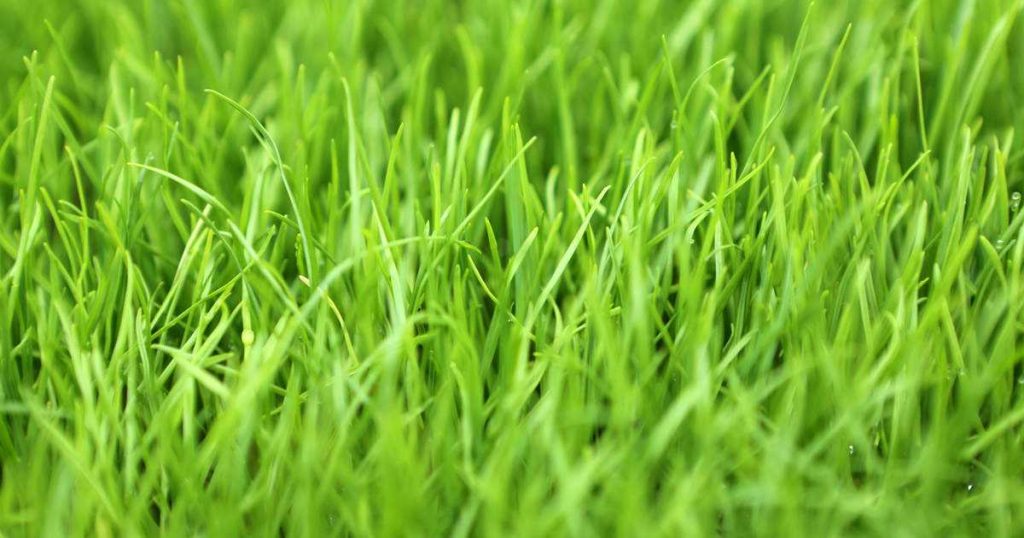
Perennial ryegrass is an excellent choice for creating lush, vibrant lawns thanks to its quick establishment and durability. It’s a popular grass for both home gardens and sports fields because it recovers fast from wear and tear. If you’re wondering whether perennial ryegrass is good for your lawn, the answer is yes—especially if you want a green, dense, and resilient turf. This grass thrives in various conditions, stays green most of the year, and is relatively easy to maintain. Whether you’re looking to seed a new lawn or overseed an existing one, perennial ryegrass can give you stunning results. It’s ideal for areas that see frequent foot traffic and can adapt well to different climates. So if you want a beautiful, hardy lawn, perennial ryegrass might just be the perfect choice.

Is Perennial Ryegrass Good for Lawns?
Introduction to Perennial Ryegrass
Perennial ryegrass is a popular grass type used in many lawns around the world. It is known for its quick germination and lush green color. This grass is often chosen for its ability to establish fast and stay green during the cooler months.
Key Features of Perennial Ryegrass
Perennial ryegrass has several important features that make it attractive for lawn owners. It has fine-textured blades that create a dense and attractive turf. It also grows quickly, which helps fill in bare spots and repairs damage fast.
Why Do People Use Perennial Ryegrass?
Many prefer perennial ryegrass because it provides a vibrant, green surface that is soft underfoot. It is excellent for high-traffic areas like sports fields, gardens, and playgrounds. Its fast growth also means less time waiting for a lush yard.
Advantages of Using Perennial Ryegrass for Lawns
Rapid Germination and Establishment
Perennial ryegrass germinates within a week after planting, making it ideal for quick lawn repair or new lawns. Its fast establishment ensures the lawn looks good in a short period.
Bright Green Color
This grass keeps a vivid green shade throughout the year, especially in cooler months. Its color makes lawns look lively and inviting.
Thick and Dense Turf
Perennial ryegrass grows densely, helping to prevent weeds from taking hold. This thick coverage creates a uniform and attractive lawn surface.
Good Wear Tolerance
This grass withstands heavy foot traffic, making it suitable for family yards and sports courts. It recovers quickly from wear and tear.
Compatibility with Overseeding
Perennial ryegrass is often used to overseed warm-season grasses in winter, extending the lawn’s green appearance year-round.
Disadvantages of Perennial Ryegrass
Sensitivity to Drought
While it looks great when watered regularly, perennial ryegrass can struggle during long dry spells. It may turn brown if not irrigated adequately.
Limited Cold Tolerance
This grass prefers cooler weather and might not survive harsh winter conditions in some regions. Its growth slows significantly in extreme cold.
Rapid Growth Means More Mowing
The quick growth of perennial ryegrass requires frequent mowing. Homeowners may find this a little demanding to maintain its perfect look.
Susceptibility to Disease
Perennial ryegrass can be vulnerable to certain turf diseases like brown patch or rust if conditions are overly moist or poorly drained.
Ideal Growing Conditions for Perennial Ryegrass
Soil Requirements
The grass prefers well-draining, fertile soils. A pH level between 5.5 and 7.5 is ideal for healthy growth.
Sunlight and Shade
It thrives best in full sun but can tolerate some light shade. More shade might lead to thinner turf and less vibrant color.
Watering Needs
Consistent moisture is key for healthy perennial ryegrass. It needs about 1 to 1.5 inches of water per week, especially during hot weather.
Fertilization Tips
Regular feeding with nitrogen-rich fertilizer promotes lush, dense growth. Applying fertilizer every six to eight weeks keeps the lawn vibrant.
Maintenance Tips for Perennial Ryegrass Lawns
- Mowing: Keep mower blades sharp and mow at a height of 1.5 to 2.5 inches.
- Watering: Water early in the morning to reduce disease risk and promote deep roots.
- Aeration: Periodically aerate the soil to improve air, water, and nutrient penetration.
- Overseeding: Use perennial ryegrass to repair worn or patchy areas quickly.
Is Perennial Ryegrass Suitable for Your Lawn?
Deciding if perennial ryegrass is right for your yard depends on your climate, soil type, and lawn goals. This grass works well in cooler climates but may need extra care in dry or cold regions.
Best Uses for Perennial Ryegrass
- Sports fields and parks due to its durability
- High-traffic residential lawns
- Overseeding warm-season grasses during winter
- Lawns requiring quick repair or establishment
Comparing Perennial Ryegrass with Other Lawn Grasses
| Feature | Perennial Ryegrass | Kentucky Bluegrass | Bermuda Grass |
|---|---|---|---|
| Growth Rate | Fast | Moderate | Fast in warm weather |
| Cold Tolerance | Moderate | High | Low |
| Water Needs | Moderate | Moderate | Low |
| Wear Tolerance | High | Moderate | High in summer |
| Maintenance | Frequent mowing necessary | Regular mowing | Less mowing in warm months |
Environmental Impact and Sustainability
Perennial ryegrass can be grown sustainably with proper management. Using organic fertilizers, compost, and water conservation techniques helps reduce environmental impact. It also provides a green cover that helps prevent soil erosion and improves air quality.
Perennial ryegrass is a versatile, lively grass option for lawns in cooler climates. Its quick germination, dense growth, and durability make it suitable for many lawn purposes. However, it requires regular care, especially watering and mowing, to keep the turf looking its best. When managed properly, perennial ryegrass can lead to a lush, inviting yard that withstands heavy use.
By understanding its qualities and care needs, you can decide if perennial ryegrass fits your lawn’s requirements and enjoy a vibrant, healthy yard year-round.
Perennial Ryegrass Pros and Cons
Frequently Asked Questions
How does perennial ryegrass perform in various climate conditions?
Perennial ryegrass adapts well to a range of temperate climates, thriving during cooler months and recovering quickly from damage. However, it may struggle in regions with extremely hot or dry summers, as it prefers consistent moisture and cooler temperatures. Proper watering and maintenance can help improve its resilience in diverse conditions.
Is perennial ryegrass suitable for high-traffic areas?
Yes, perennial ryegrass is known for its durability and ability to withstand frequent foot traffic. Its dense growth habit and quick recovery rate make it an excellent choice for lawns with children, pets, or sports activities, ensuring the turf remains lush and resilient over time.
What maintenance practices enhance the growth of perennial ryegrass?
Regular mowing, adequate watering, and fertilization support healthy development of perennial ryegrass. It’s important to mow at the recommended height to promote dense growth and prevent pests or diseases. Aerating the soil periodically also helps improve nutrient absorption and root development.
Final Thoughts
Perennial ryegrass offers a lush, green appearance and quick germination, making it popular for lawns. Its ability to recover rapidly from damage helps maintain a vibrant yard. However, it may require frequent overseeding and good soil conditions to thrive.
For those seeking a low-maintenance and resilient lawn, perennial ryegrass can be an excellent choice. It suits areas that experience regular foot traffic and seasonal changes.
In conclusion, is perennial ryegrass good for lawns? Yes, it provides quick growth and repair, but consider your climate and maintenance preferences for optimal results.