Every year, homeowners pour money into grub killer at the wrong time and wonder why their lawn still looks terrible. Knowing when to use grub killer isn't complicated, but it does depend on one thing you probably haven't checked: where the grubs are in their lifecycle right now.
University extension research across the US confirms that timing matters more than the product you choose. Apply too early and you waste the treatment. Apply too late and the roots are already destroyed.
As of 2026, the science hasn't changed, but the stakes have higher with tighter restrictions on certain active ingredients. Let's walk through exactly when you should pull the trigger and when you should wait.
Quick Answer
Use preventative grub killer in late spring to early summer when soil temperatures reach 55 to 65 degrees Fahrenheit. Use curative grub killer in late summer to early fall when you see active damage. Never apply either during drought or when heavy rain is forecast.
Check your soil temperature first. Always confirm grubs are present before treating.
The Real Problem: Most People Apply Grub Killer at the Wrong Time
The biggest mistake homeowners make is treating for grubs in spring when they see brown patches in their lawn. That brown patch is usually last year's damage from grubs that have already pupated into beetles and flown away. Your treatment lands on empty soil.
Here is what actually happens. Grubs spend late summer and early fall eating grass roots. They go deep into the soil for winter.
In spring, they come back up briefly, pupate into beetles, and emerge in early summer to lay eggs. If you apply a curative product in April or May, the grubs are either too deep to reach or already gone.
The second common error is using a preventative product too late. Preventatives work by sitting in the soil waiting for newly hatched grubs to take a bite. Apply them in August after the eggs have already hatched, and the grubs are already too big for the chemical to kill effectively.
That is why timing has to match biology. You are not just applying a chemical. You are intercepting a very specific moment in a pest's life cycle.
Miss that window by even two weeks and your results drop significantly.
How Grub Lifecycle Dictates Your Timing
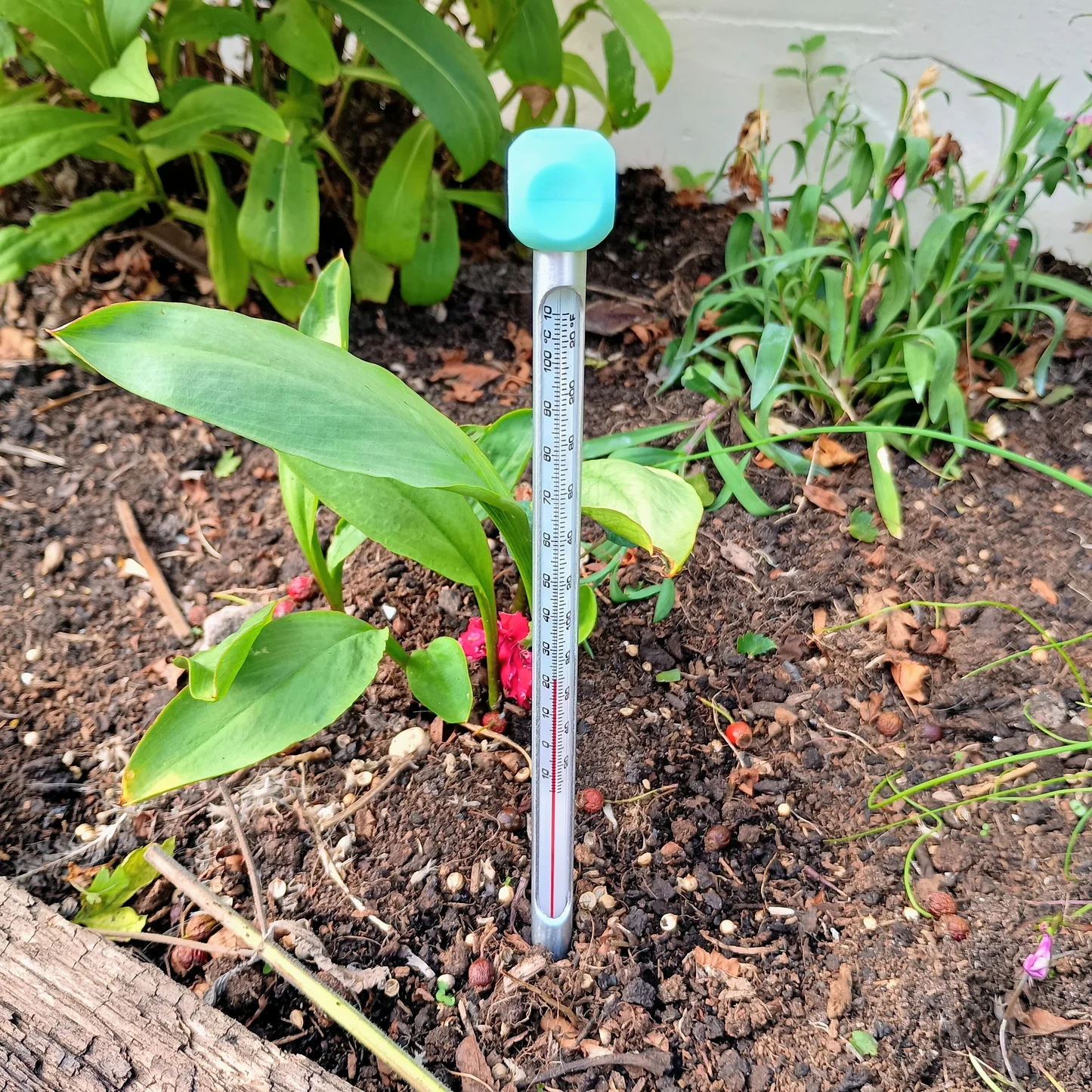
Image source: Bing (Web (fair-use with source credit))
Grubs go through four distinct stages each year, and each stage responds to a different kind of treatment. Understanding these four windows is the entire secret to knowing when to use grub killer.
Preventative vs. Curative: What Each Actually Does
Preventative products contain active ingredients like imidacloprid or chlorantraniliprole. These chemicals stay in the soil for weeks or months. When a newly hatched grub starts feeding on a treated grass root, it stops eating and dies within days.
Preventatives are incredibly effective, but only against very young grubs.
Curative products contain trichlorfon or carbaryl. They kill on contact within a few hours or days. These work on larger, actively feeding grubs that are already damaging your lawn.
The trade-off is that they break down quickly in sunlight and soil, so their window of effectiveness is much shorter.
The decision between the two comes down to one question: are you preventing a problem you expect, or are you stopping damage that is happening right now?
The Soil Temperature Rule That Changes Everything
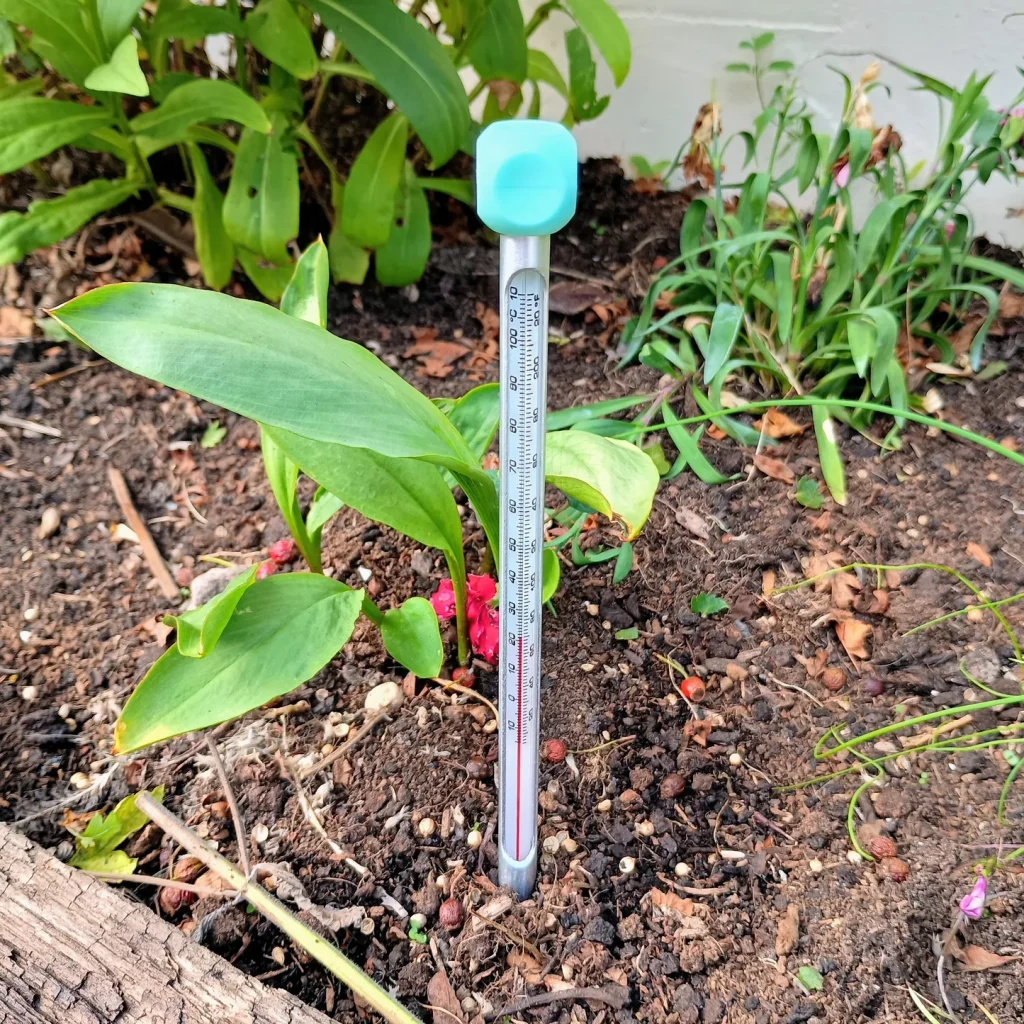
University extension programs across the US agree on one benchmark: soil temperature at 4 inches deep. When that temperature hits 55 to 65 degrees Fahrenheit, beetle eggs in your area are about to hatch. That is your signal to apply a preventative product.
You can measure this with a simple soil thermometer inserted 4 inches into the ground. Take readings in the morning before the sun heats the surface. Three consecutive days at 55 degrees or higher means the egg hatch window is open.
For curative treatments, soil temperature matters less because you are responding to visible damage. But temperature still affects how fast the product works. Curatives break down faster in hot soil above 80 degrees, so early fall applications tend to perform better than midsummer ones.
Step-by-Step Decision Tree
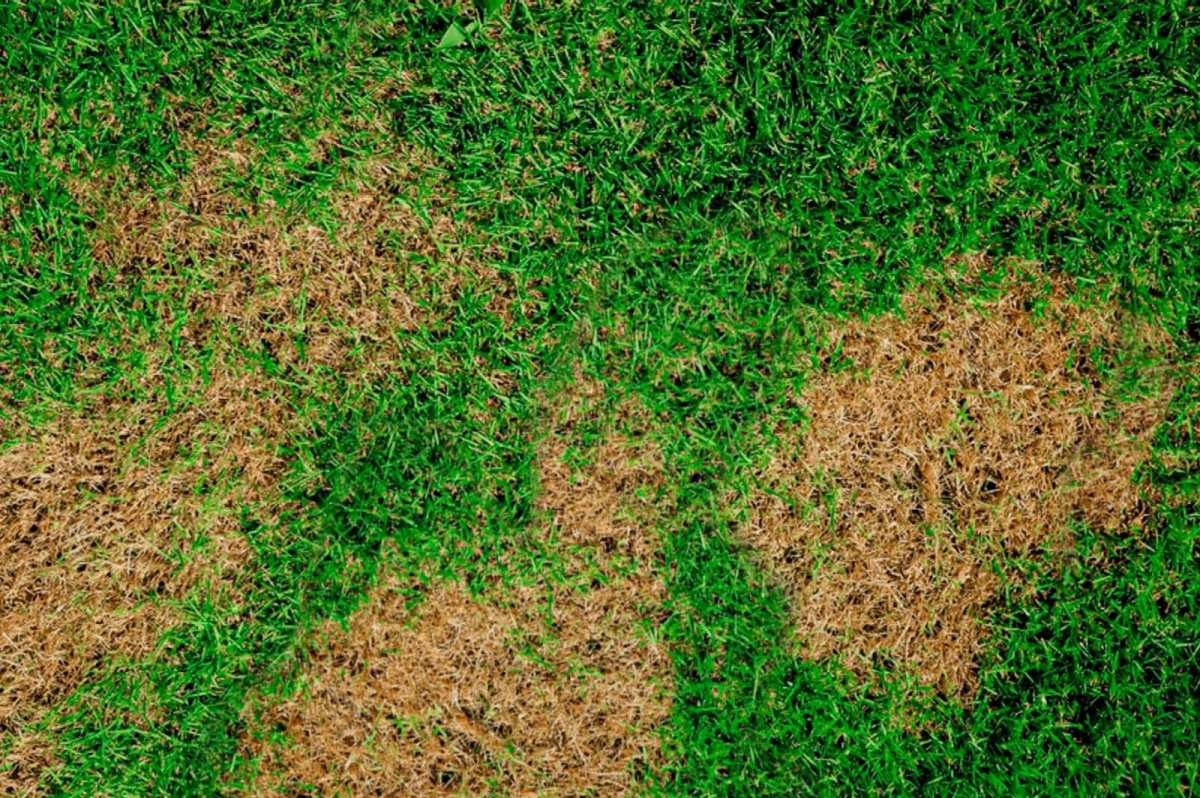
Image source: Bing (Web (fair-use with source credit))
Here is the decision framework that extension agents and turf professionals actually use. Walk through these four questions in order. They will tell you exactly where you stand.
Question 1: Do You See Active Damage Right Now?
Look for the classic signs. Brown patches that peel up like loose carpet. Spongy spots where the turf has no root anchorage.
Skunks or raccoons digging at night they love eating grubs and will tear up your lawn to get them.
If the answer is yes, go immediately to curative treatment. You have active feeding grubs in the soil right now. Do not wait.
Do not switch to a preventative. The damage will get worse every day.
If the answer is no, move to question 2.
Question 2: Is It the Right Season for Prevention?
Check the calendar and your soil temperature. Preventative windows run from late April through early June in most northern states and from March through early May in southern regions. If you are in that window and your soil is between 55 and 65 degrees, a preventative application makes sense.
If you are past that window, skip prevention entirely. A preventative applied in August is wasted money.
Question 3: How Many Grubs Are Actually in Your Lawn?
Do not guess this one. Cut a square foot of sod about 3 inches deep. Peel it back and count the white grubs you see in the soil and root zone.
University extension guidelines say 10 or more grubs per square foot justifies treatment.
Fewer than 10? Your lawn can handle the population naturally. Skip the chemical and focus on watering and fertilization to help the grass outgrow the damage.
Question 4: What Type of Grass Do You Have?
Cool-season grasses like Kentucky bluegrass and fescue are more vulnerable to grub damage because their roots are shallower. Warm-season grasses like Bermuda and Zoysia have deeper root systems and can tolerate higher grub populations before showing damage.
If you have a cool-season lawn, you should treat at lower grub counts around 5 to 8 per square foot. If you have warm-season grass, you can hold off until you hit 10 or more.