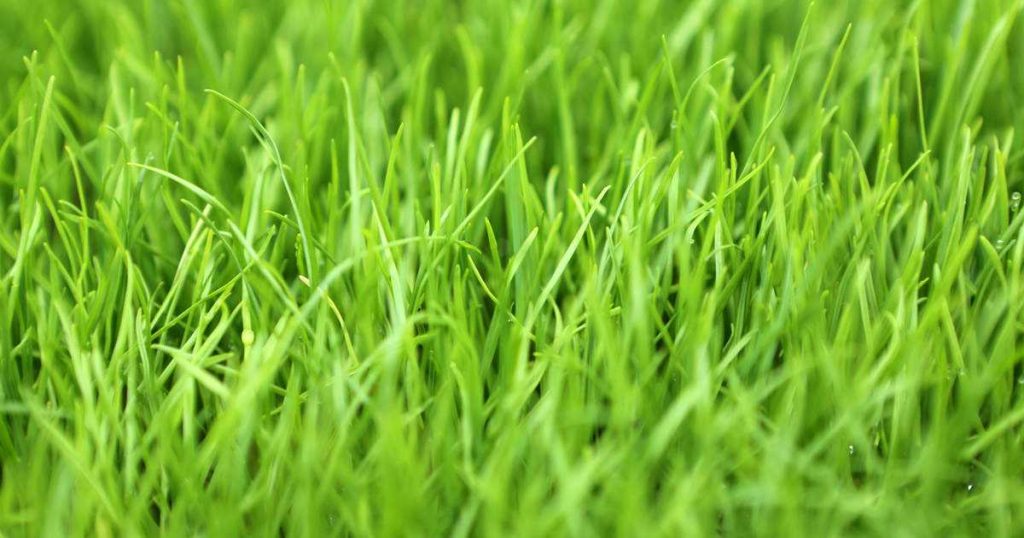
Perennial ryegrass is a vibrant, lush green grass that instantly transforms any lawn into a picture-perfect landscape. Its fine texture and dense growth make it a favorite for lawns, sports fields, and pastures. The grass is characterized by narrow, blade-like leaves that stay soft to the touch and create a smooth, inviting surface.
In short, perennial ryegrass looks like a dense carpet of bright green blades that grow quickly and stay lush year-round. Its fine leaf texture and vigorous growth pattern give it a neat, uniform appearance, making it easy to recognize even at a glance. If you’re trying to identify this versatile grass, look for its rich green color, fine blades, and its ability to form a dense turf quickly.
If you’re wondering what perennial ryegrass looks like, picture a bright green, fine-textured grass with dense, evenly spread tufts that create a soft, inviting lawn. It’s often used in sports fields and home lawns because of its quick germination and lush appearance. When you see a vibrant, smooth, and soft-looking grassy area that bounces back swiftly when stepped on, it’s likely perennial ryegrass, a popular choice for creating attractive, durable lawns.

What Does Perennial Ryegrass Look Like? An In-Depth Guide
Introduction to Perennial Ryegrass
Perennial ryegrass is a popular grass variety used in lawns, sports fields, and pastures. It is known for its bright green color and dense growth habit. This grass is highly valued for its quick germination and ability to recover fast from wear and tear.
General Appearance of Perennial Ryegrass
Perennial ryegrass has a fine-textured blade that creates a lush, carpet-like surface. The blades are typically narrow and slim, giving the grass a sleek and neat appearance. Its vibrant green shade makes it stand out among other grass types.
Blade Characteristics
The blades of perennial ryegrass are usually between 1/10 to 1/8 inch wide. They are smooth and soft to the touch, creating a comfortable surface for walking or playing. The blades grow upright and tend to curve slightly at the tips.
Color and Leaf Texture
This grass exhibits a bright, lively green color that remains consistent throughout the growing season. The leaf texture is fine and delicate, but dense enough to form a thick lawn. The fine leaf blades help it blend naturally into a well-maintained landscape.
Growth Habit and Density
Perennial ryegrass grows in dense clumps that spread quickly through tillering. This means new shoots grow from the base of existing blades, creating a uniform and tightly knit turf. Its rapid growth makes it ideal for overseeding or repairing patches.
Stem and Root System
Perennial ryegrass produces thin, flexible stems called culms that can reach up to 2 feet tall when fully grown. Its root system is fibrous, enabling it to adapt well to various soil conditions. The roots are fine but extensive, helping the grass stay healthy and resistant to drought.
Seed Head and Flowering Features
During the flowering season, perennial ryegrass produces characteristic seed heads. These are typically spike-like structures that emerge from the top of the stems. The seed heads are slender, with small spikelets that contain the grass’s flowers and seeds.
Seasonal Changes in Appearance
In spring and summer, perennial ryegrass remains lush and vibrant green. During colder months, it may turn a slightly duller shade but usually stays green if cared for properly. Its quick growth allows it to recover after winter dormancy or damage.
Comparison with Similar Grasses
Perennial ryegrass often gets mistaken for other fine-leaved grasses like Kentucky bluegrass or fescues. Unlike Kentucky bluegrass, which has a bluish hue, perennial ryegrass stays bright green. Fescues tend to have a rougher texture, whereas ryegrass blades are very smooth.
Common Uses and Why Its Appearance Matters
The appearance of perennial ryegrass makes it an excellent choice for sport fields, lawns, and golf courses where a uniform, attractive surface is needed. Its dense growth helps prevent weeds from taking hold, enhancing landscape aesthetics.
Tips for Recognizing Perennial Ryegrass
To identify perennial ryegrass, look for these features:
- Bright green color throughout the year
- Fine, soft blades that are narrow
- Dense, carpet-like growth pattern
- Prolific tillering for quick coverage
- Seed heads that appear during flowering season
Additional Visual Features
Perennial ryegrass often shows a slight sheen on the blades, especially when healthy and well-watered. The grass forms a tight mat with little gaps, contributing to its dense look. Its upright growth habit makes it stand tall yet flexible.
Summary of Key Visual Traits
Below is a quick overview of the visual markers for perennial ryegrass:
| Feature | Description |
|---|---|
| Color | Bright, vibrant green |
| Blade Width | Very narrow, fine texture |
| Growth Pattern | Dense, tufted with quick spreading |
| Seed Head | Spike-like, slender with small spikelets |
| Stem Height | Usually up to 2 feet tall when flowering |
Perennial ryegrass’s look is characterized by its fine, bright green blades, dense coverage, and quick-growing nature. Its aesthetic appeal and resilience make it a top choice for many turf applications. Recognizing these features can help you identify and maintain a healthy, attractive lawn or sports field.
Perennial Ryegrass Pros and Cons
Frequently Asked Questions
What are the distinguishing features of perennial ryegrass foliage for identification?
Perennial ryegrass has fine, narrow, and vibrant green leaves that grow densely. The blades are smooth and shiny, with a slightly tapered shape at the tip. Its growth habit is upright and spreading, forming a dense turf that is easy to recognize. During the growing season, the grass produces a lush, uniform appearance that is characteristic of its healthy state.
How does the seed head of perennial ryegrass appear during flowering?
The seed heads of perennial ryegrass are slender and spike-like, appearing during flowering periods. They grow upright from the stems and are typically composed of multiple small, closely packed spikelets. The seed head exudes a fine, feathery texture, giving the plant a delicate and airy appearance when in full bloom.
What color variations can you expect in perennial ryegrass throughout the year?
Generally, perennial ryegrass maintains a bright, medium to dark green hue year-round, especially in well-maintained lawns. During colder months, the color may deepen slightly, and in dry conditions, the grass can appear slightly duller. Overall, its consistent green coloration makes it easy to identify in various seasons.
How does the growth pattern of perennial ryegrass differ from other turf grasses?
Perennial ryegrass exhibits a dense, fine-leaved growth pattern with a vigorous spreading habit. It grows quickly and forms a tight, uniform turf. Compared to coarser grasses like tall fescue or Kentucky bluegrass, it maintains a finer texture and more upright posture, creating a neat and even appearance that is distinctive.
In what way can surface texture help identify perennial ryegrass on a lawn?
The surface texture of perennial ryegrass is smooth and soft underfoot, with a fine blade structure that feels lush and velvety. Its uniform, dense mat provides a consistent feel across the turf. This fine texture stands out against coarser grasses, making it easier to distinguish when inspecting a lawn closely.
Final Thoughts
Perennial ryegrass is a bright green grass with fine, narrow leaves that grow densely together. It often forms lush, thick tufts ideal for lawns and sports fields. The blades are smooth and shiny, giving it a fresh appearance.
Its growth pattern is upright and steady, creating a uniform canopy. During different seasons, it maintains its vibrant color and dense texture.
In conclusion, what does perennial ryegrass look like? It features fine, bright green blades that grow densely and upright, making it easily recognizable and popular for its aesthetic appeal.