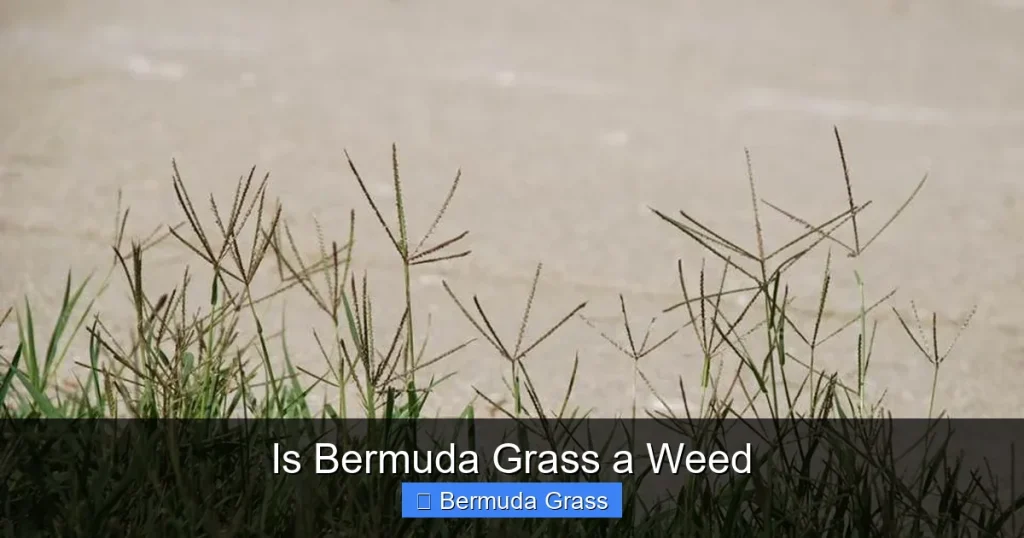
Bermuda grass is a popular warm-season turfgrass, but it can sometimes behave like a weed in certain areas. This guide explains how to identify Bermuda grass, understand its behavior, and manage it effectively. Whether you want to keep it or remove it, you’ll find practical tips here.
Key Takeaways
- Identifying Bermuda grass: It has fine-textured blades and spreads quickly through underground rhizomes and stolons.
- Is Bermuda grass a weed? It depends on your lawn goals; it’s considered a desirable turf in warm climates but a weed in others.
- Managing Bermuda grass: Proper mowing, watering, and fertilization can control its spread or promote its growth.
- Controlling Bermuda grass: Use herbicides or physical removal methods if you want to eradicate it from unwanted areas.
- Prevention tips: Regular lawn maintenance helps prevent Bermuda grass from invading other areas.
- Environmental factors: Climate and soil conditions influence whether Bermuda grass behaves as a weed or a desirable turf.
Introduction
If you’ve ever wondered whether Bermuda grass is a weed, you’re not alone. This versatile warm-season grass is loved in many regions for its lush, green appearance and durability. However, in some cases, Bermuda grass can become invasive or unwanted, leading homeowners and landscapers to question whether it’s a weed. In this comprehensive guide, we’ll explore what Bermuda grass is, how to identify it, and whether it qualifies as a weed. Plus, you’ll learn effective strategies for managing and controlling it based on your lawn goals.
What Is Bermuda Grass?
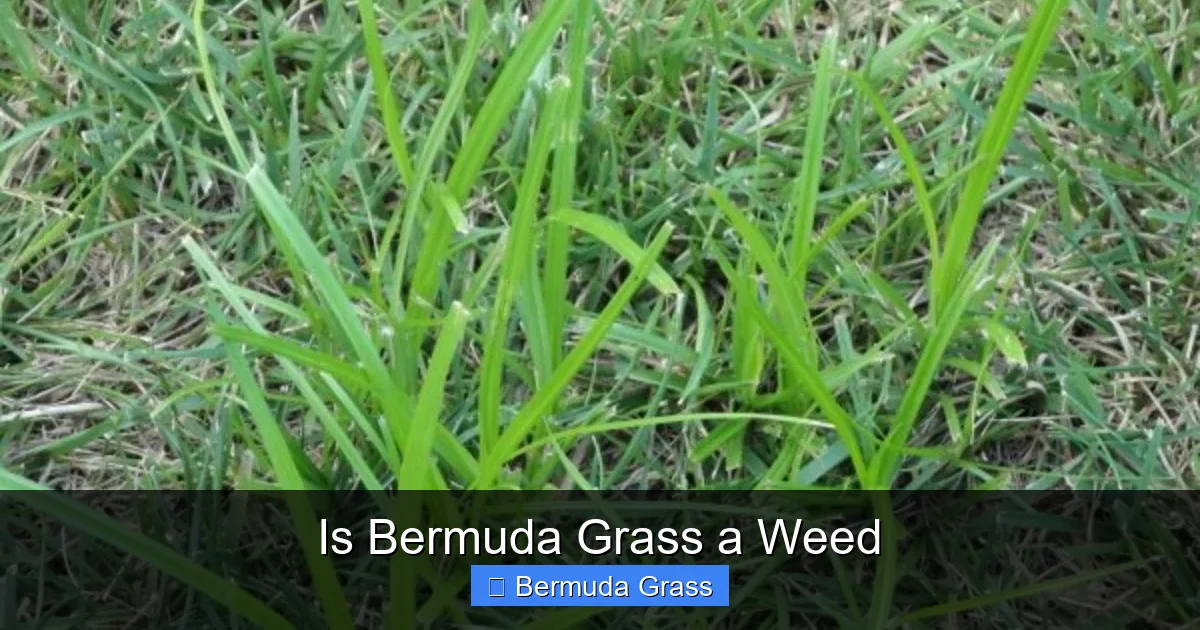
Bermuda grass (Cynodon dactylon) is a warm-season perennial turfgrass popular in southern states and tropical regions. It thrives in hot, sunny climates and is known for its dense, lush appearance and resilience to heavy foot traffic. Farmers, sports fields, and homeowners often use Bermuda grass because of its durability and drought tolerance.
Visual guide about Is Bermuda Grass a Weed
Image source: images.saymedia-content.com
Its fine-textured blades grow quickly and spread through underground rhizomes and above-ground stolons, which help it recover from damage and spread rapidly. This growth habit is part of what makes Bermuda grass so resilient but also one of the reasons it can be mistaken for a weed.
Is Bermuda Grass a Weed?
The answer depends on your perspective and your lawn’s goals. In some regions, Bermuda grass is the preferred turfgrass, used for lawns, sports fields, and golf courses. In these settings, it’s considered a valuable, desirable grass.
However, in cooler climates or in areas where you want a different type of grass or ground cover, Bermuda grass can be viewed as a weed. Its aggressive spreading habit can invade flower beds, vegetable gardens, or shaded areas, making it difficult to control. So, whether Bermuda grass is a weed is subjective—it’s a weed only if it’s unwanted in your specific situation.
How to Identify Bermuda Grass
Physical Characteristics
- Blade appearance: Fine-textured, pointed blades that are bright green during the growing season.
- Growth habit: Spreads rapidly through rhizomes (underground stems) and stolons (above-ground runners).
- Density: Forms a dense, carpet-like turf that can choke out weeds.
When to Identify
It’s easiest to identify Bermuda grass during its peak growing season in summer. Look for its fine blades and vigorous spreading habit. In early spring or fall, it may go dormant and turn brown, so identification then can be tricky.
Visual guide about Is Bermuda Grass a Weed
Image source: i.ytimg.com
Is Bermuda Grass a Weed or a Lawn? How to Decide
If Bermuda grass is thriving in your yard and is the type of turf you want, then it’s a desirable lawn grass. But if it’s invading areas where you don’t want it—like flower beds, vegetable patches, or shaded zones—it’s best to treat it as a weed. The key is to identify your goals and assess where Bermuda grass is growing.
Managing Bermuda Grass
Promoting Bermuda Grass as a Lawn
- Mowing: Keep your Bermuda grass at a height of 1-2 inches for a dense, healthy lawn.
- Watering: Deep, infrequent watering encourages deep root growth and helps it stay healthy.
- Fertilization: Use a high-nitrogen fertilizer during the growing season to promote lush growth.
- Overseeding and aeration: Regular maintenance ensures a thick turf that resists weeds and invasive grasses.
Controlling or Removing Bermuda Grass
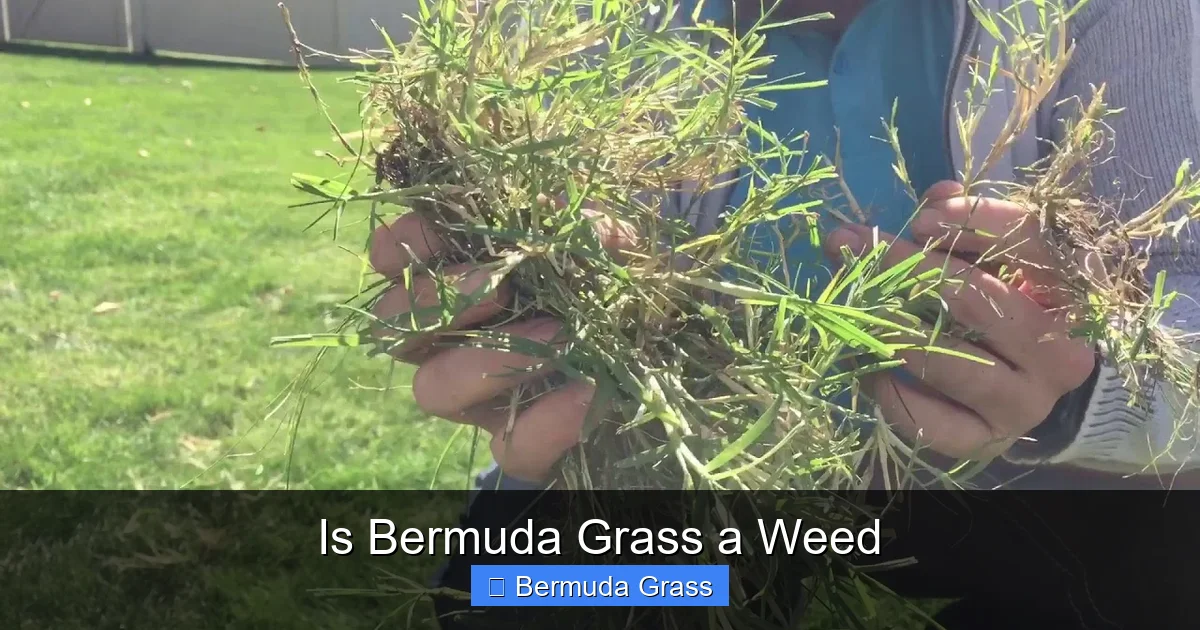
- Physical removal: Dig up rhizomes and stolons manually or with gardening tools. Be thorough to prevent regrowth.
- Herbicide applications: Use selective herbicides like glyphosate or mesotrione, following label instructions carefully. Multiple applications may be necessary.
- Smothering: Cover Bermuda grass with thick plastic or tarp for several weeks to kill it off.
- Soil solarization: Use clear plastic during hot months to heat the soil and eliminate Bermuda grass.
Practical Tips for Managing Bermuda Grass
- Prevent spread: Regularly inspect your yard to catch Bermuda grass early.
- Edge trimming: Keep edges tidy to prevent it from creeping into unwanted areas.
- Adjust your lawn care: Avoid overwatering or fertilizing excessively, which can encourage Bermuda grass growth in areas where you don’t want it.
- Maintain a healthy lawn: A dense, healthy turf naturally suppresses weeds and invasive grasses, including Bermuda grass.
Troubleshooting Common Issues
- Bermuda grass returning after removal: It’s resilient. Reapply herbicides or continue physical removal until it’s eradicated.
- Invasion in shaded areas: Bermuda prefers full sun. Consider planting shade-tolerant ground cover or grass in shaded zones.
- Damage from herbicides: Follow instructions carefully to avoid harming desirable plants nearby.
Conclusion
In summary, Bermuda grass is a versatile, resilient turfgrass that can be both a lawn and a weed, depending on your goals. Its rapid spreading habit makes it desirable in some settings but invasive in others. Understanding how to identify, manage, and control Bermuda grass empowers you to make informed decisions about your landscape. Whether you want to promote it as a healthy lawn or eliminate it from unwanted areas, the strategies outlined here will help you achieve your landscaping goals.
Final Tips
Always monitor your lawn regularly. Proper maintenance and early intervention are key to managing Bermuda grass effectively. With patience and the right approach, you can keep your yard looking its best.