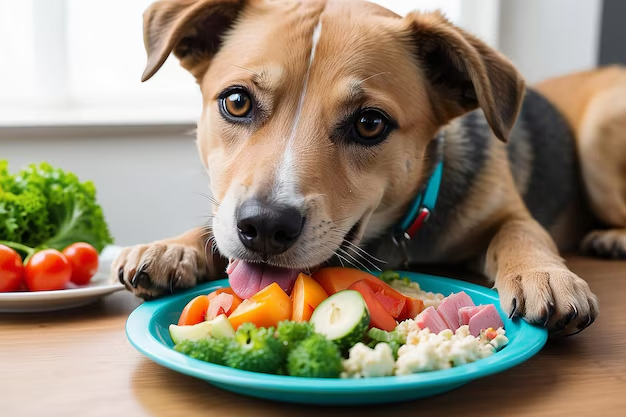
Image source: Bing (Web (fair-use with source credit))
Your dog just scarfed down a fat, white grub from the backyard, and now you're staring at your phone wondering whether you should be panicking or shrugging it off. The honest answer? Can dogs eat grubs isn't a simple yes or no.
It depends entirely on what kind of grub, where it came from, and how much your dog ate. Different species carry different risks, and so does the environment they were living in.
According to peer-reviewed research published in the Journal of Animal Science, insect protein sources like black soldier fly larvae show digestibility rates above 80% in domestic dogs. That's promising data. But "grubs" covers a huge range of beetle larvae, and not all of them come with a clean bill of health.
Let's dig into what you actually need to know before deciding whether those wriggly backyard snacks are safe for your dog.
Quick Answer
Yes, dogs can eat certain types of grubs safely. Commercially raised grubs like mealworms and black soldier fly larvae are used in pet treats and dog food. Wild grubs carry higher risks, including parasites and pesticide exposure.
One or two clean, identified grubs won't harm most healthy dogs. Regular consumption or unknown species warrants a vet consultation.
Why Getting This Right Matters for Your Dog
This isn't just a trivia question. The wrong message, under the wrong circumstances, can lead to a real veterinary emergency. Here's what's at stake.
Dogs explore the world with their mouths. If your dog is a grub-eater by habit, every season you could be dealing with pesticide toxicity, parasite loads, or choking incidents. These aren't theoretical risks either.
Veterinary case reports have documented intestinal obstructions from dogs consuming large numbers of beetle larvae. Parasites like Physaloptera (stomach worms) can be transmitted through intermediate hosts including beetles and their larvae. Lungworm transmission has also been linked to dogs ingesting slugs and snails, which share many of the same habitats as grubs.
The other side matters too, though. The insect protein market for pet food is growing rapidly. The European Food Safety Authority has already authorized several insect species as safe feed materials.
Black soldier fly larvae are now used commercially in dog treats and kibble across North America and Europe.
Getting the facts straight means you can make a reasoned decision instead of reacting out of fear or, worse, complacency.
Can Dogs Eat Grubs? The Straight Answer
The short version: most dogs can handle one or two grubs without any problem. The long version is where it gets useful, because the safety question branches out fast.
Here's the basic framework.
If the grub is from a known, safe species, sourced from a clean environment or purchased commercially, and your dog is a healthy adult with no food sensitivities, then yes. It's likely harmless and might even offer some nutritional value.
If the grub is wild-caught from your garden or lawn, especially in an area treated with pesticides or herbicides, and you can't identify the species, that's a different story entirely. The risk profile changes dramatically.
Let me break it down further.
Factors that make grubs lower risk:
- The species is identified and known to be safe (mealworms, superworms, black soldier fly larvae)
- The grub comes from a reputable commercial source
- Your dog is healthy with no known allergies
- It's an occasional treat, not a daily habit
Factors that spike the risk:
- Wild-caught, unidentified species
- Source area treated with lawn chemicals or pesticides
- Your dog is a puppy, senior, or immunocompromised
- Your dog ate more than just one or two
- The grub came from decaying matter, compost, or animal waste
The Association of American Feed Control Officials provides guidelines for novel protein sources in animal feeds. Insect-derived ingredients are increasingly included in these frameworks, but the emphasis is always on controlled, farmed sources rather than wild-harvested ones.
What Types of Grubs Are We Actually Talking About?

Image source: Bing (Web (far-use with source credit))
The word "grub" is generic. It refers to the larval stage of various beetles. In your backyard, you're most likely dealing with one of several common types, and they don't all carry the same risk profile.
Here's what you're likely encountering.
White grubs (Scarabaeidae family)
These are the classic C-shaped, creamy-white larvae found in soil and lawns. They include larvae from Japanese beetles, June beetles, and European chafers. They feed on grass roots and are most common in late summer through fall.
These are the grubs your dog is probably digging up.
Mealworms (Tenebrio molitor)
Smaller, golden-brown larvae of the darkling beetle. These are the most common commercially farmed insect for pet treats. They're about an inch long, relatively soft-bodied, and widely available dried or live at pet stores.
Superworms (Zophobas morio)
Larger relatives of mealworms, reaching up to two inches. They have a tougher exoskeleton and stronger mandibles. Commercially farmed and sold as reptile and bird food, though some dog treat manufacturers use them too.
Waxworms (Galleria mellonella larvae)
Soft-bodied, creamy-white larvae of the wax moth. Very high in fat, these are usually fed to reptiles but marketed for dogs in some specialty treat lines. Their soft bodies make them easy to digest.
Black soldier fly larvae (Hermetia illucens)
These are the rising star of the insect protein world. Commercially farmed at scale, they're already used in commercial dog foods and treats. Research shows they're high in protein (around 40-45% dry matter) and rich in lauric acid, which has antimicrobial properties.
Why identification matters
The species you're dealing with directly affects the risk. White grubs from your lawn could carry parasite eggs, pesticide residue, or harmful bacteria from soil. Commercially farmed mealworms or black soldier fly larvae are raised in controlled environments with monitored feed, which eliminates most of those concerns.
The chitin content varies by species too. That's the tough, fibrous material that makes up the exoskeleton. Smaller, softer larvae are easier for dogs to digest.
Larger, harder species can cause gastrointestinal upset if eaten in quantity, especially for dogs unaccustomed to them.
What Happens When a Dog Eats a Grub
So your dog just gulped one down. Here's what's going on inside, step by step.
In the first few minutes
Most dogs chew grubs before swallowing, though some gulp them whole. The exoskeleton, made of chitin, starts breaking down in the stomach acid. Smaller, softer grubs like mealworms or waxworms break down quickly.
Larger, tougher ones like superworms take longer and may cause mild stomach irritation along the way.
In the first few hours
The protein, fat, and moisture from the grub get processed through the digestive system like any other food. A typical white grub is about 60-65% water, with moderate protein and low fat. For a healthy adult dog, one grub is nutritionally insignificant.
It's the equivalent of a very small treat.
What's normal to see
- No visible reaction at all (most common)
- Slight increase in interest in your garden (your dog now knows there's a snack source)
- A minor, single episode of loose stool if your dog ate several
What's not normal
- Vomiting within a few hours
- Repeated episodes of diarrhea
- Lethargy or disinterest in food
- Visible worms in stool days or weeks later (suggests parasite transmission)
- Abdominal bloating or signs of pain
The canine digestive system is well-equipped to handle occasional insect consumption. Dogs are opportunistic omnivores by nature, and wild canids regularly consume insects as part of their diet. The domesticated dog's gut handles grubs similarly, assuming the grub itself isn't carrying something harmful.
The real concern isn't the grub itself in most cases. It's what came along with it, like parasites, bacteria, or chemical residues.
The Real Risks You Shouldn't Ignore
This is where plain honesty matters more than reassurance. Even though most dogs will be fine, the risks are real and worth understanding clearly.
Parasite transmission
Wild grubs can carry intermediate stages of various parasites. Stomach worms (Physaloptera species) use beetles and their larvae as intermediate hosts. If your dog eats an infected grub, the parasite can mature in your dog's stomach.
Symptoms include chronic vomiting, weight loss, and decreased appetite. Roundworm eggs can also be present in soil-dwelling grubs.
Pesticide and chemical exposure
This might be the single biggest practical risk for most dog owners. If your lawn or garden has been treated with insecticides, herbicides, or fertilizers, grubs in that soil can carry toxic residues. Organophosphate-based lawn treatments are particularly dangerous.
Symptoms of pesticide toxicity include drooling, trembling, difficulty breathing, and seizures. This is a veterinary emergency.
Bacterial contamination
Wild grubs from compost piles, decaying organic matter, or animal waste areas can carry Salmonella, E. coli, and other pathogens. Dogs are somewhat more resistant to foodborne bacteria than humans, but they're not immune. Puppies, seniors, and immunocompromised dogs are at higher risk.
Choking and obstruction
Larger grubs, especially superworms or big white grubs, can pose a choking hazard for small dogs or enthusiastic gulpers. If your dog swallows several large grubs whole, there's a risk of intestinal blockage, particularly in smaller breeds. Symptoms include vomiting, loss of appetite, abdominal pain, and inability to pass stool.
Allergic reactions
Though less common, some dogs can develop allergic reactions to insect proteins. This is more likely with repeated exposure. Signs include itching, facial swelling, hives, and gastrointestinal upset.
Compulsive grub-eating behavior
Some dogs develop a fixation on eating grubs and other insects. This escalates the exposure to all the risks above. If your dog can't stop digging up and eating grubs, you're looking at a behavior issue that compounds the health risk.
The pattern here is clear. A one-off, small, clean grub is unlikely to harm a healthy dog. Habitual consumption of wild grubs from chemically treated areas is a genuinely dangerous habit that deserves serious attention.
When Grubs Can Actually Be a Good Thing
It's not all risk and warning labels. There's a legitimate upside to grubs as a protein source, and the pet food industry is paying close attention.
Nutritional profile
Insect larvae are genuinely nutritious. Black soldier fly larvae contain roughly 40-45% protein on a dry matter basis, with a solid amino acid profile including lysine and methionine. They're also rich in lauric acid, a medium-chain fatty acid with documented antimicrobial properties.
Mealworms offer around 20% protein and 14% fat, making them a moderate-calorie treat option.
Novel protein advantage
For dogs with food sensitivities to common proteins like chicken, beef, or lamb, insect protein offers a genuinely novel alternative. A dog that's reacted to traditional protein sources may tolerate insect-based treats well, since the protein structures are completely different. Veterinary dermatologists sometimes recommend novel protein diets for dogs with chronic skin or digestive issues, and insect protein fits that category.
Environmental sustainability
This matters more than people think. Insect farming requires dramatically less water, land, and feed than traditional livestock production. Black soldier fly larvae can be raised on organic waste streams, converting material that would otherwise go to landfill into high-quality protein.
For environmentally conscious pet owners, insect-based treats represent a genuinely lower-impact choice.
Commercial availability
As of 2026, multiple brands offer insect-based dog treats and foods in the US and UK markets. These products use farmed insects raised under controlled conditions, processed to eliminate pathogens, and formulated to meet AAFCO nutritional guidelines. They're not a fringe product anymore.
The key distinction is between controlled, farmed grubs and wild-caught ones. The benefits apply almost exclusively to the commercially sourced variety.
How to Safely Offer Grubs to Your Dog
If you want to let your dog try grubs intentionally, here's how to do it without gambling with their health.
Step 1: Source them properly
Buy from a reputable pet supply retailer or insect farm. Look for products specifically marketed for pet consumption. These will be raised in controlled environments, fed clean diets, and processed to reduce bacterial load.
Dried mealworms, freeze-dried black soldier fly larvae, and similar products are widely available online and in pet stores.
Step 2: Start with a tiny amount
Offer one small grub or a pinch of dried insects. Wait 24 to 48 hours and watch for any adverse reaction. This is the same approach you'd use with any new food.
Look for vomiting, diarrhea, lethargy, or changes in appetite.
Step 3: Keep portions small
Treats should make up no more than 10% of your dog's daily caloric intake. For a medium-sized dog, that means a few grubs, not a handful. Overdoing it can cause digestive upset regardless of the source.
Step 4: Store them correctly
Dried grubs should be kept in a cool, dry place in a sealed container. Live grubs need appropriate housing with proper substrate and moisture. Don't let either sit around long enough to develop mold or attract pests.
Step 5: Know your dog's health status
If your dog has a compromised immune system, chronic digestive issues, or known food allergies, check with your vet before introducing any novel protein. Puppies under six months and senior dogs with declining organ function also warrant extra caution.
Wild Grubs vs. Store-Bought: Not Even Close
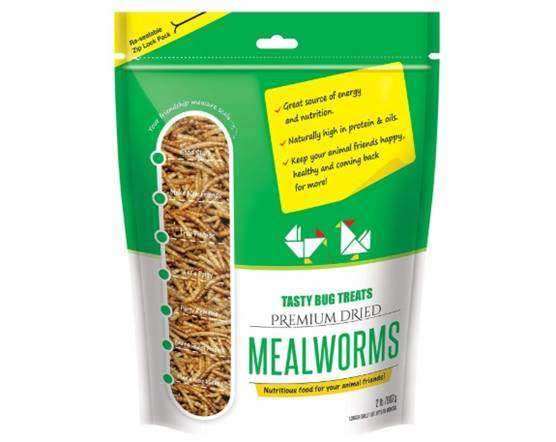
Image source: Bing (Web (fair-use with source credit))
The difference between a grub from your backyard and one from a commercial insect farm is enormous. Here's a direct comparison.
| Factor | Wild Grubs | Store-Bought (Farmed) |
|---|---|---|
| Species identification | Unknown, variable | Known, consistent |
| Pesticide exposure | Likely if lawn treated | None, controlled environment |
| Parasite risk | Moderate to high | Negligible |
| Bacterial contamination | Possible (Salmonella, E. coli) | Processed to reduce pathogens |
| Nutritional consistency | Variable | Standardized |
| Chitin content | Varies by species | Known and consistent |
| Availability | Seasonal | Year-round |
| Cost | Free | $8-25 per bag |
The "free" price tag on wild grubs is misleading. The potential vet bill from pesticide toxicity or parasite treatment costs far more than a bag of commercially raised treats.
If your dog is a habitual backyard grub hunter, you have two options. Supervise outdoor time and redirect the behavior, or treat your lawn with pet-safe methods and accept some level of risk. The second option still carries parasite concerns, so supervision is the better path.
Better Alternatives If You're Unsure
If the risk assessment makes you uncomfortable, plenty of alternatives deliver similar benefits without the guesswork.
Commercial insect-based treats
These give you the novel protein and sustainability benefits with none of the wild-caught risks. Brands using black soldier fly larvae, mealworms, or crickets are increasingly available. Look for products that meet AAFCO standards and list clear ingredient sourcing.
Single-protein limited ingredient treats
If you're exploring novel proteins for a dog with sensitivities, hydrolyzed protein treats or single-source options like venison, rabbit, or duck are well-established alternatives with extensive safety data.
Vegetable-based crunchy treats
Carrot sticks, green beans, and blueberries offer low-calorie crunch without any protein-related risks. They won't replicate the nutritional profile of grubs, but they're completely safe and most dogs enjoy them.
Dental chews with added protein
Some dental chew products incorporate insect protein alongside their oral health benefits. These are a good middle ground if you want to introduce insect protein in a controlled, measured format.
The bottom line is simple. If you're curious about grubs as a protein source, buy them from a reputable supplier. Don't rely on your backyard as a snack bar.
What to Watch for After Your Dog Eats a Grub
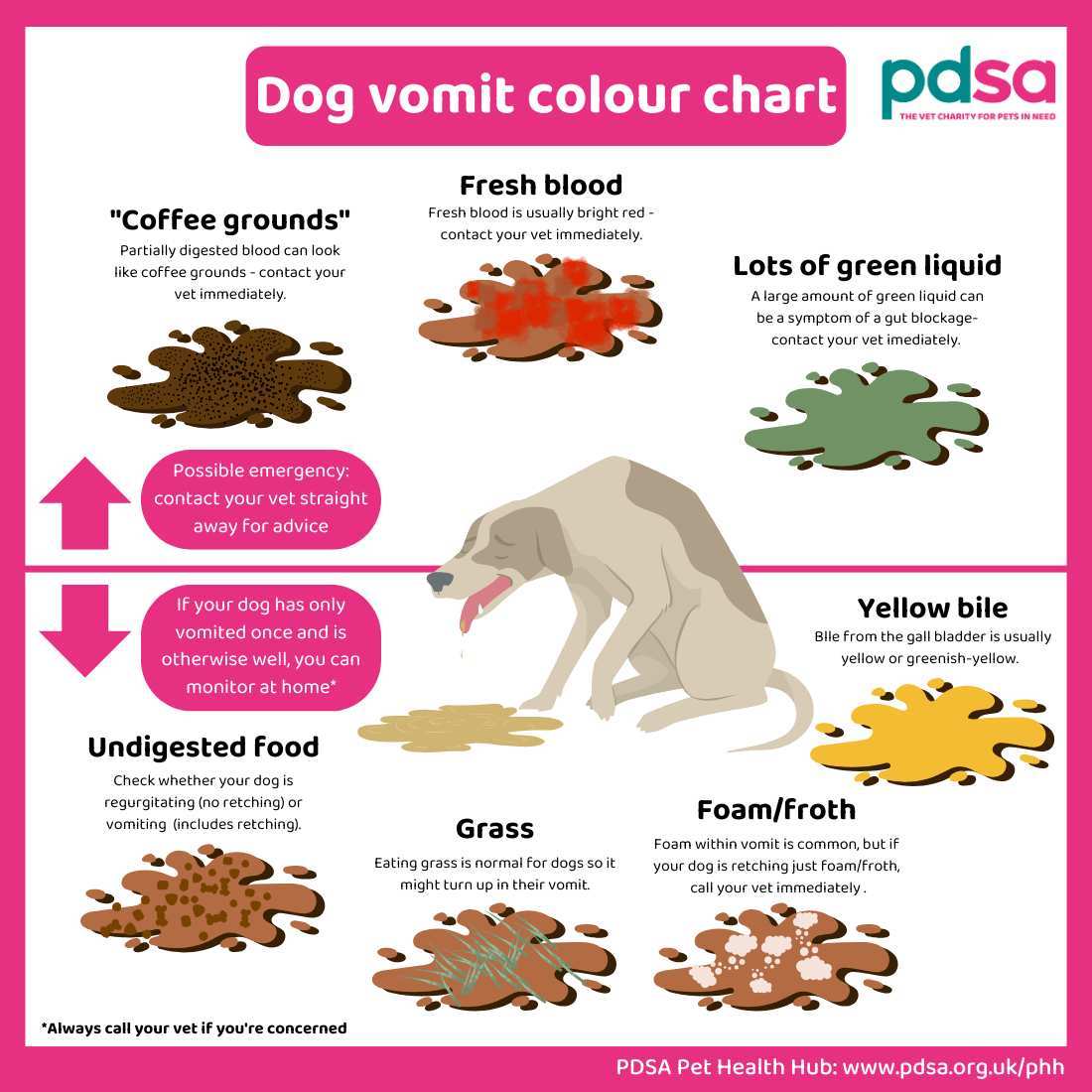
Image source: Bing (Web (fair-use with source credit))
Whether your dog snuck a wild grub or you offered one intentionally, here's what to monitor in the hours and days afterward.
First 6 hours
Watch for immediate signs of distress. Vomiting, excessive drooling, pawing at the mouth, or difficulty breathing suggest either a choking incident or a toxic reaction. These warrant an immediate vet visit, not a wait-and-see approach.
First 24 hours
Mild digestive upset is the most common issue. A single episode of loose stool or minor vomiting isn't unusual when a dog eats something new. Withhold food for 12 hours, offer small amounts of water, then reintroduce a bland diet of boiled chicken and rice.
If symptoms persist beyond 24 hours, call your vet.
First 2 weeks
This is the window for parasite-related symptoms to appear. Watch for changes in stool consistency, visible worms in feces, decreased appetite, or unexplained weight loss. If you notice any of these, a fecal exam at your vet's office can identify whether parasites were transmitted.
Red flags that need immediate attention
- Repeated vomiting or diarrhea
- Blood in stool or vomit
- Lethargy lasting more than a few hours
- Abdominal bloating or signs of pain when touched
- Tremors, seizures, or uncoordinated movement (possible pesticide toxicity)
- Difficulty breathing or excessive panting
Most dogs will show no symptoms at all. But knowing what to look for means you won't miss the early signs of a problem that's easier to treat when caught quickly.
When to Call the Vet (No Second-Guessing)
Some situations don't warrant a wait-and-see approach. If your dog shows any of these signs after eating a grub, pick up the phone.
Call immediately if you see:
- Repeated vomiting or diarrhea lasting more than a few hours
- Tremors, seizures, or muscle twitching
- Difficulty breathing or blue-tinged gums
- Extreme lethargy or unresponsiveness
- Known ingestion of grubs from a chemically treated lawn
Call within 24 hours if you see:
- Persistent loose stool beyond one day
- Refusal to eat for more than one meal
- Visible worms in vomit or stool
- Swelling around the face or mouth
When you call, tell your vet exactly what happened. Mention the type of grub if you know it, the approximate quantity, and where it came from. If you know your lawn was treated with chemicals, share the product name if possible.
This information helps your vet assess the risk level and decide whether you should bring your dog in or monitor at home.
What the Research and Experts Actually Say
The scientific community's view on insect protein for dogs is increasingly positive, with important caveats.
Peer-reviewed studies in the Journal of Animal Science have demonstrated that insect-based diets are well-tolerated by healthy dogs, with digestibility rates comparable to conventional protein sources. Black soldier fly larvae meal in particular has shown strong results in feeding trials.
The European Food Safety Authority published a safety assessment supporting the use of several insect species in pet food, including black soldier fly, mealworm, and lesser mealworm. Their evaluation covered production methods, nutritional adequacy, and potential hazards.
The FDA regulates insect-based pet food ingredients under the same framework as other novel feed ingredients. Products must be safe, properly labeled, and manufactured under appropriate quality controls.
Veterinary nutritionists generally agree that insect protein is a viable option for dogs, particularly those with food sensitivities. The World Small Animal Veterinary Association includes novel and hydrolyzed protein sources in its dietary guidelines for managing adverse food reactions.
The consistent theme across all of this is that controlled, farmed insects are well-studied and safe. Wild-caught grubs from unknown environments are not.
Your Simple Decision Checklist
Use this quick framework to make a clear call.
It's probably fine if:
- Your dog ate one or two small grubs
- Your dog is healthy and fully grown
- The grubs came from an untreated area
- Your dog shows no symptoms within 24 hours
Take action if:
- Your dog ate multiple grubs or large ones
- The source area was treated with any chemicals
- Your dog is a puppy, senior, or has health issues
- Any symptoms appear, even mild ones
Switch to commercial insect treats if:
- You want the nutritional benefits without the risk
- Your dog has food sensitivities and needs novel protein
- You're looking for a sustainable treat option
- Your dog is a compulsive insect-eater and you want a controlled alternative
Frequently Asked Questions
Can puppies eat grubs?
Puppies under six months have developing immune systems and are more vulnerable to parasites and bacterial infections. Stick to commercially raised, species-identified insect treats if you want to introduce novel protein. Avoid wild-caught grubs entirely for puppies.
Are dried mealworms safe for dogs?
Yes, dried mealworms from a reputable pet supply source are safe for most dogs. They're commercially raised, processed to reduce bacterial load, and widely used in dog treats. Start with a small amount to check for individual tolerance.
What should I do if my dog eats a grub from my lawn?
Monitor your dog closely for the next 24 to 48 hours. Watch for vomiting, diarrhea, lethargy, or any behavioral changes. If your lawn has been treated with pesticides or herbicides, call your vet immediately and share the product information.
Can dogs get worms from eating grubs?
Yes, wild grubs can carry intermediate stages of parasites including stomach worms and roundworms. This is one of the primary risks of allowing dogs to eat grubs from untreated or unknown environments. A fecal exam at your vet can confirm parasite transmission.
How many grubs can a dog eat safely?
For commercially sourced grubs, a few pieces as an occasional treat is reasonable. There's no established toxic dose for common species like mealworms or black soldier fly larvae. For wild grubs, there's no safe quantity due to unpredictable contamination risks.