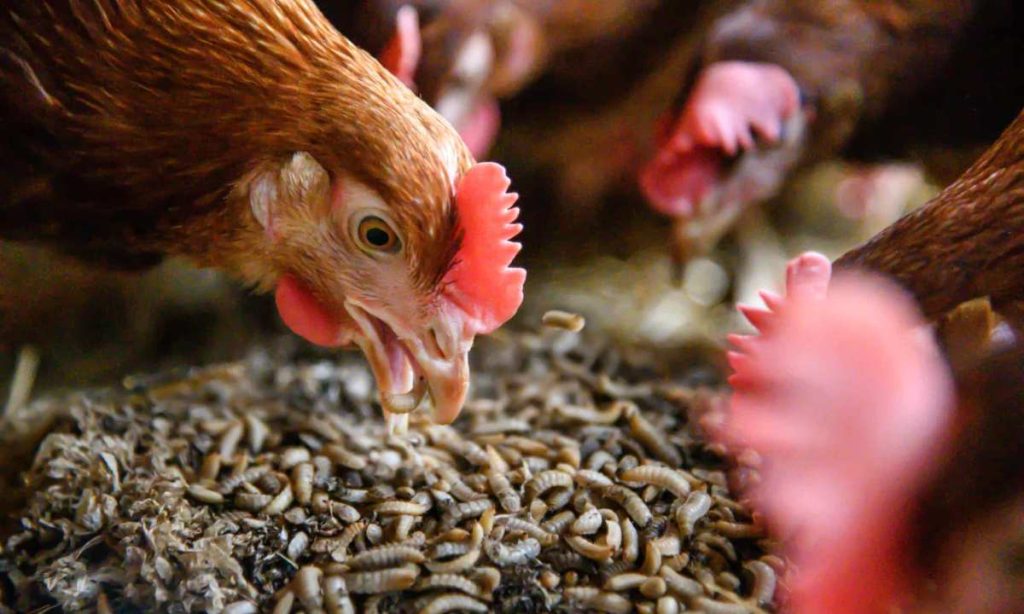
Chickens tear through bugs without hesitation. So when you're standing in the garden holding a handful of fat white grubs, the question is simple: can chickens eat grubs?
The answer matters more than most backyard owners realize. Getting it wrong with insect feeding can mean kidney damage, worm infestations, or worse spreading through your whole flock. Here's what the research and experienced poultry keepers tell us about feeding grubs responsibly.
Quick Answer: Can Chickens Eat Grubs Safely?
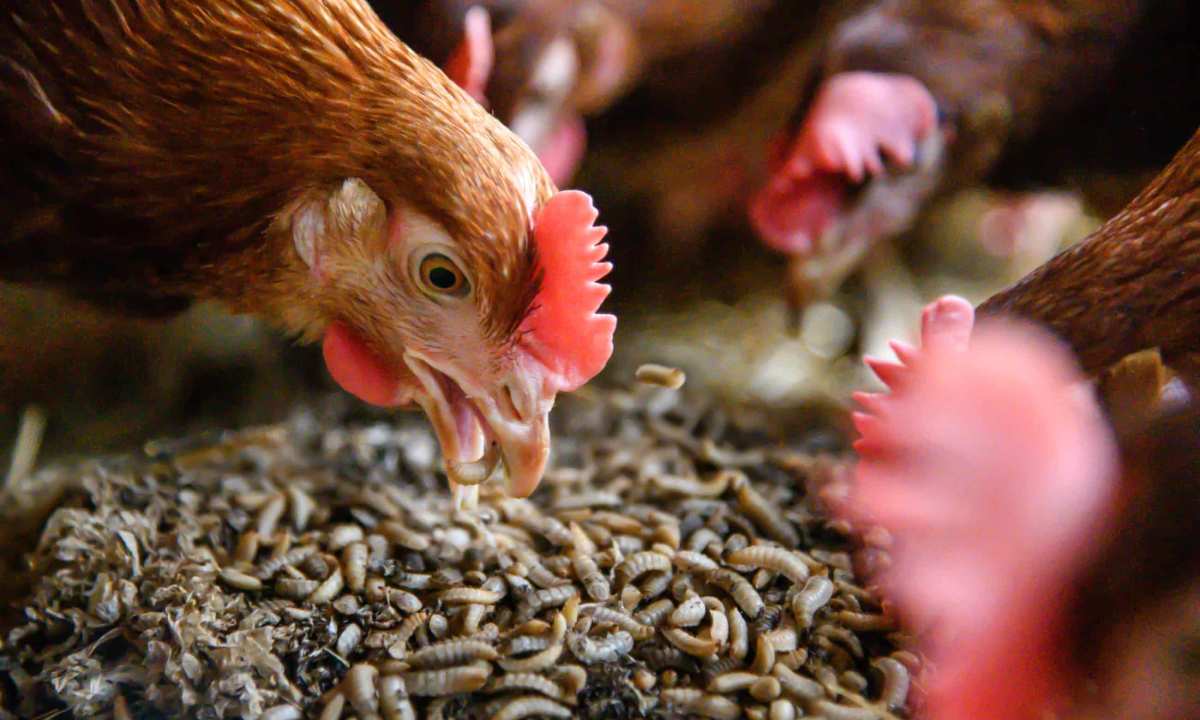
Yes, chickens can eat specific grubs. Domestically raised mealworms and Black Soldier Fly Larvae are both popular poultry feed options. These species are commercially farmed and are widely available from reputable suppliers.
Many keepers also use dried Grubs Worms, which are typically Black Soldier Fly Larvae in a shelf-stable form. These products can be a safe, high-protein supplement when sourced from certified insect farms.
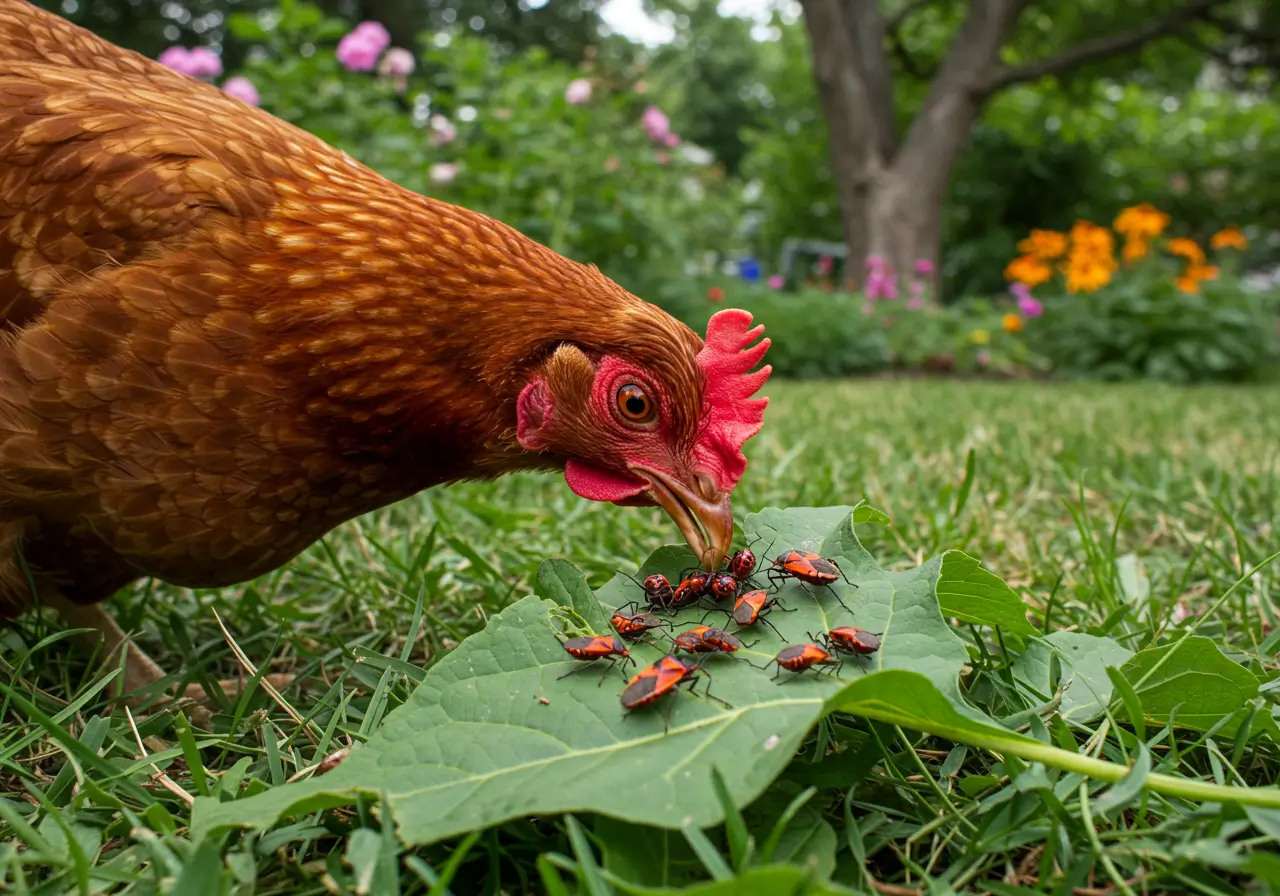
Wild grubs carry risks that commercially raised ones don't. Parasite transmission, bacterial contamination, and pesticide residue are real concerns with garden-found larvae. Limit grubs to roughly 10% of your chickens' total diet.
Stick with trusted suppliers you'll protect your flock while giving them a natural, protein-rich treat.
[Image source: Bing (Web (fair-use with source credit))]
The Main Types of Grubs Chickens Encounter
Not every white worm curling in your compost bin is the same animal. Understanding the species matters before you decide what's safe for your birds.
Commercially raised and widely available:
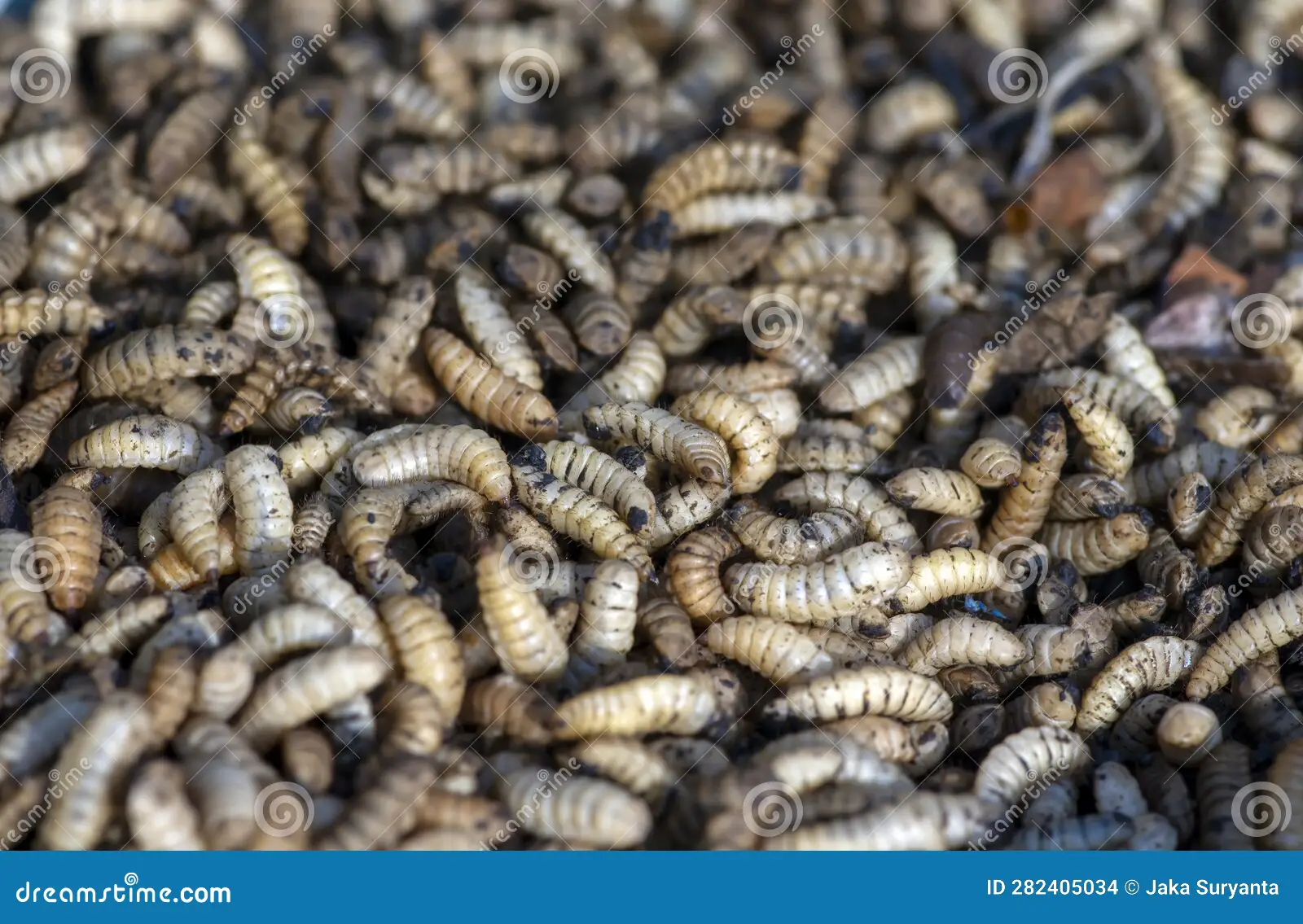
- Black Soldier Fly Larvae (Hermetia illucens), Known as "BSFL" or marketed as Grubs Worms. Hardy, fast-growing, and the most common farm-raised insect feed for poultry. Protein content around 40, 45% on a dried basis.
- Mealworms (Tenebrio molitor), The larval stage of the darkling beetle. Familiar, easy to farm at home, and available live or dried from most feed suppliers.
- Superworms (Zophobas morio), Larger than mealworms. Higher fat content. Good for treats but not as a daily staple due to calcium-phosphorus imbalance.
- Waxworms (Galleria mellonella), Very high in fat. Best reserved as rare treats, similar to candy. Not nutritionally balanced as a regular feed.
Wild grubs found in gardens and compost:
- June beetle larvae (Phyllophaga spp.), C-shaped white grubs common in turfgrass. Edible for of parasite transfer if pulled from soil treated with pesticides.
- Japanese beetle larvae (Popillia japonica), Another common lawn grub. Same contamination risks apply.
- Various unidentified larvae, Many wild grubs are perfectly safe. But without precise species identification, you're gambling on parasite load and chemical exposure.
The safest approach is straightforward. Stick with mealworms and BSFL from certified insect farms. Avoid feeding wild grubs unless you can confirm the species and know the soil they came from hasn't been chemically treated.
Commercially raised insects are bred in controlled environments. They're screened for pathogens and raised on clean substrates. That removes the guesswork entirely.
[Image source: Bing (Web (fair-use with source credit))]
What Makes Grubs a Good Feed Option
There's a reason insects are gaining traction as a legitimate poultry feed ingredient. Organizations like the FAO actively promote insect protein as a more efficient and environmentally friendly alternative.
Dense protein punch. Black soldier fly larvae deliver roughly 40, 45% protein by dry weight. Mealworms sit around 20, 25% on a fresh basis. That makes grubs one of the most protein-rich treats you can offer without switching to a commercial high-protein ration.
Complete amino acids. Bug protein tends to contain all the essential amino acids chickens need, including lysine and methionine. These two amino acids are critical for egg production and feather growth. Layer feed is balanced around them, but grubs add a natural supplementary source.
Behavioral enrichment. Chickens are foragers. Tossing a handful of live grubs into the run triggers natural hunting and scratching instincts. Owners consistently report calmer, less feather-pecking behavior when their hens have something meaningful to work for beyond pellets.
Sustainability angle. Insect farming uses a fraction of the land, water, and feed compared to soy or fishmeal production. While individual backyard keepers may not move the needle globally, feeding what you raise or locally source aligns with low-waste poultry keeping.
Molting support. When hens molt in late summer or fall, they need extra protein to rebuild feathers. Whole grubs and dried insects provide supplementation during that recovery window without overloading the overall ration.
The practical takeaway is that grubs fill a specific niche. They're a high-protein supplement and enrichment tool, not a replacement for balanced layer feed. Used in that context, they're genuinely useful.
The Real Risks Most Chicken Keepers Overlook
Grubs sound innocent. But poultry vets and extension services flag consistent issues when owners supplement feeder insect diets.
Protein overload and kidney damage. This is the one that catches people off guard. Laying hens need around 16, 18% protein in their complete daily diet. When you add grubs on top without adjusting the base feed, total protein can push past 25 or even 30%.
Excess protein breaks down into uric acid. The kidneys can't process it fast enough, and urate crystals deposit in joints and organs. Foot pad swelling, sudden reluctance to move, and drop in egg production are classic signs.
Chronic overfeeding leads to visceral gout, which is often fatal.
Parasite cycling. Worm eggs and protozoan cysts can survive inside insect vectors. Chickens eating wild-caught grubs may ingest gapeworm eggs, roundworm eggs, or even histomoniasis-causing parasites. Commercially raised grubs from screened facilities eliminate this risk.
Garden-found ones do not.
Bacterial contamination. Live cultures of Salmonella and E. coli have been isolated from unscreening insect batches. Even certified farms occasionally face recalls. Wild-harvested grubs carry higher bacterial loads, especially from compost or manure-heavy soils.
Pesticide and heavy metal buildup. Soil-dwelling grubs bioaccumulate organochlorine pesticides and lead. If your garden or yard has been treated historically, grubs pulled from that ground may carry residues that transfer to your flock and into their eggs.
Nutritional imbalance from selective feeding. Chickens prefer grubs over pellets. Any owner who's ever sprinkled mealworms in the run has watched hens abandon their balanced layer feed entirely. Monitor intake so the crew doesn't fill up on treats and miss out on calcium, vitamins, and balanced nutrition.
Calcium-phosphorus ratio problems. Mealworms and many grubs are high in phosphorus relative to calcium. Excess phosphorus blocks calcium absorption. For laying hens, even a minor calcium deficit softens eggshells fast.
These aren't arguments against feeding grubs. They're arguments for doing it carefully.
Parasites, Bacteria, and Contaminant Dangers
Drilling deeper on the organisms and chemicals that can hitchhike into your coop on the backs of grubs.
Parasites of concern:
- Gapeworm (Syngamus trachea), Eggs can pass through beetle and fly hosts. Infects the trachea of chickens, causing gasping and head shaking.
- Roundworm (Ascaridia galli), Eggs survive in soil and can be picked up by insect larvae feeding on contaminated material.
- Cecal worms (Heterakis gallinarum), The primary vector for blackhead disease (histomoniasis), particularly dangerous for turkeys but also harmful to chickens in mixed flocks.
Bacterial dangers:
- Salmonella enterica, Multiple serovars can survive in insect gut contents. Can colonize chickens without obvious symptoms and shed into eggs.
- E. coli, Opportunistic pathogen that proliferates in larvae raised on contaminated substrates.
- Clostridium spp., Associated with necrotic enteritis in poultry. Overgrowth risk increases when gut environment shifts from sudden dietary changes.
Chemical contaminants:
- Organophosphate and carbamate pesticides, Persistent in soil for years. Grubs from previously treated lawns can carry residues.
- Heavy metals (lead, cadmium), Grubs from roadside soils or near old structures may sequester metals at levels harmful to small-bodied birds.
- Mycotoxins, If grubs are raised on moldy or improperly stored grain-based substrates, fungal toxins transfer through the food chain.
When commercial suppliers fall short. Even certified insect farms are not immune to quality failures. In 2023, EU RASFF notifications included multiple insect feed consignments flagged for Salmonella and unauthorized additives. Ask your supplier for certificates of analysis showing pathogen screening.
Reputable farms like Grub Terra will provide those documents.
The pattern is clear. The danger vectors are specific, known, and avoidable. Controlled farming removes most of the biological risk.
Chemical risk depends entirely on what the grubs were raised on or picked from. If you don't know the history, don't feed them.
[Image source: Bing (Web (fair-use with source credit))]
Safe Sourcing: Wild-Harvested vs. Commercially Raised
Where your grubs come from determines nearly everything about feeding safety. Let's break down the two paths.
Commercially raised grubs (recommended):
- Raised in controlled, bio-screened environments. Substrates tested for contaminants. Pathogen monitoring performed regularly.
- Species-specific breeding ensures you know exactly what your chickens are eating.
- Consistent nutritional profiles batch to batch. Labeled protein, fat, and moisture content available.
- Widely available online and at farm stores across the US, UK, and EU.
- Companies like Grub Terra and Insect Direct provide documented feed safety standards for their Black Soldier Fly Larvae products.
Wild-harvested grubs (proceed with caution):
- Species identification required. Many grubs look identical to the untrained eye.
- Soil and compost origins determine chemical and parasitic load.
- Impossible to verify pathogen exposure after the fact.
- Seasonal availability only. Spring and early summer are peak grub seasons in most temperate zones.
| Factor | Commercially Raised | Wild-Harvested |
|---|---|---|
| Species certainty | Guaranteed | Often unknown |
| Pathogen risk | Low (screened) | Potentially high |
| Chemical risk | Low (controlled substrate) | Depends on origin |
| Nutritional consistency | High | Variable |
| Seasonal availability | Year-round | Spring/summer only |
| Regulation oversight | Certified farm standards | None |
Can you raise your own? Yes, and many keepers do. Mealworm colonies can be managed in small bins at home. Black soldier fly setups are more involved but highly productive in warm climates.
Home-raised grubs offer middle-ground control. You know what they're eating, you manage sanitation, and you avoid the unknowns of wild soil contact.
The bottom line is straightforward sourcing. Buy certified commercial grubs or raise your own in clean substrates. Wild-collect only if you're certain about species identity, pesticide history, and parasite pressure in your region.
Most experienced keepers skip the wild route entirely, and for good reason.
How Much Should You Actually Feed
Portion control trips up most first-time grub feeders. It's tempting to dump a whole container into the run, but overfeeding creates real health problems fast.
The 10% rule. Treats, including grubs, should make up no more than 10% of a chicken's total daily feed intake. A standard laying hen eats roughly 120 to 150 grams of feed per day. That means grubs should be limited to about 12 to 15 grams of the total daily ration as a treat supplement.
For dried grubs, which are concentrated, that's roughly one to two tablespoons per bird, a few times a week, not per day.
Adjust for life stage. Chicks under 16 weeks are growing rapidly and need balanced starter feed first. Wait until pullets are at least 8 to 12 weeks old before introducing small quantities of soft-bodied grubs. Broody hens and recovering birds can benefit from increased protein, but keep the increment gradual.
Watch for selective feeding. Chickens will pick grubs out of any mix and leave the balanced feed behind. To prevent this, offer grubs after the morning feeding is done. Give them ten to fifteen minutes.
Then remove any leftovers. This keeps treats from displacing the nutritionally complete base diet.
Seasonal adjustments matter. During molt (typically late summer through fall), increase protein slightly to support feather regrowth. A few extra grubs per week during that window is reasonable. In winter, when hens may be confined more, live grubs also serve as enrichment.
But don't boost total protein beyond what the base feed already provides for cold-weather laying.
A practical schedule many keepers follow is offering grubs two to three times per week rather than daily. This treats them as a supplement, not a dietary staple. The flock gets the behavioral boost and protein top-up without cumulative overload.
Nutritional Balances When Adding Grubs to the Diet
Protein isn't the only number that matters. Calcium-phosphorus ratios, vitamin content, and overall dietary balance shift once you start adding grubs consistently.
Calcium is the biggest gap. Layer hens need around 3.5 to 4.5 grams of calcium per day to form strong eggshells. Mealworms provide minimal calcium relative to their phosphorus content. The ideal calcium-to-phosphorus ratio for laying hens is roughly 2:1 or higher.
Most grubs sit closer to 1:7 or even 1:10, heavily skewed toward phosphorus. Excess phosphorus blocks calcium absorption in the gut. That's why a hen eating lots of grubs but not enough layer feed can start laying thin-shelled or shell-less eggs within a week or two.
The fix is simple. Always provide free-choice oyster shell or limestone grit alongside grubs. Hens self-regulate calcium intake when given the option. They'll eat more oyster shell during active laying and ease off when they don't need it.
Offering crushed eggshells baked and recycled from your own flock works too.
Fat content varies by species and form. Live BSFL are roughly 25 to 35% fat by dried weight. Mealworms are similar. Dried grubs are even more concentrated because the moisture is removed.
Fat isn't inherently bad, but excess body fat in hens reduces liver function and egg output. Heritage breeds and heavy layers (Orpingtons, Wyandottes) are more prone to obesity. Keep portions modest for these birds.
Amino acid quality is a genuine plus. The amino acid profile of insect protein matches poultry requirements closely. Methionine and lysine levels in BSFL are comparable to fishmeal and soybean meal. That's one reason insect protein is gaining traction in commercial poultry diets worldwide.
Vitamins and minerals beyond calcium. Grubs contain modest amounts of B vitamins and trace minerals like zinc and iron. They don't replace the full vitamin premix found in commercial layer feeds. That's the key point to remember.
Grubs are a supplement, not a substitute.
| Nutrient | Live BSFL (approx, dried basis) | Layer Feed (typical) |
|---|---|---|
| Crude protein | 40–45% | 16–18% |
| Fat | 25–35% | 3–5% |
| Calcium | <0.5% | 3.5–4.5% |
| Phosphorus | 0.6–1.0% | 0.5–0.7% |
| Calcium:Phosphorus | ~1:1.5 | ~5:1 to 8:1 |
The takeaway from the numbers is straightforward. Grubs add protein and fats. They do not add calcium.
Pair them with free-choice calcium sources, keep portions small, and maintain a quality base feed as the primary nutrition.
Live vs. Dried: Which Form Works Better
Both forms nourish your flock. They serve slightly different purposes and come with different practical realities.
Live grubs:
- Trigger natural foraging and hunting behaviors.
- Provide hydration, since larvae are roughly 60 to 75% water by weight.
- Require proper storage. Keep mealworms refrigerated (around 40 to 50°F) to slow pupation. BSFL do best at room temperature but pupate quickly in warmth.
- More expensive to ship and store. Spoilage risk if the bedding gets moldy.
- Best for enrichment, training recall, and active foraging-based keeping.
Dried grubs:
- Shelf-stable for months in sealed containers.
- Nutrient-dense by weight since water is removed. Small volume delivers big protein impact.
- No refrigeration needed. Convenient for small flocks with limited storage.
- Chickens still recognize them as food and eat them eagerly.
- Lack the interactive foraging stimulation of live movement.
- More concentrated calcium-phosphorus imbalance per gram because fat and calcium ratios shift when water is removed.
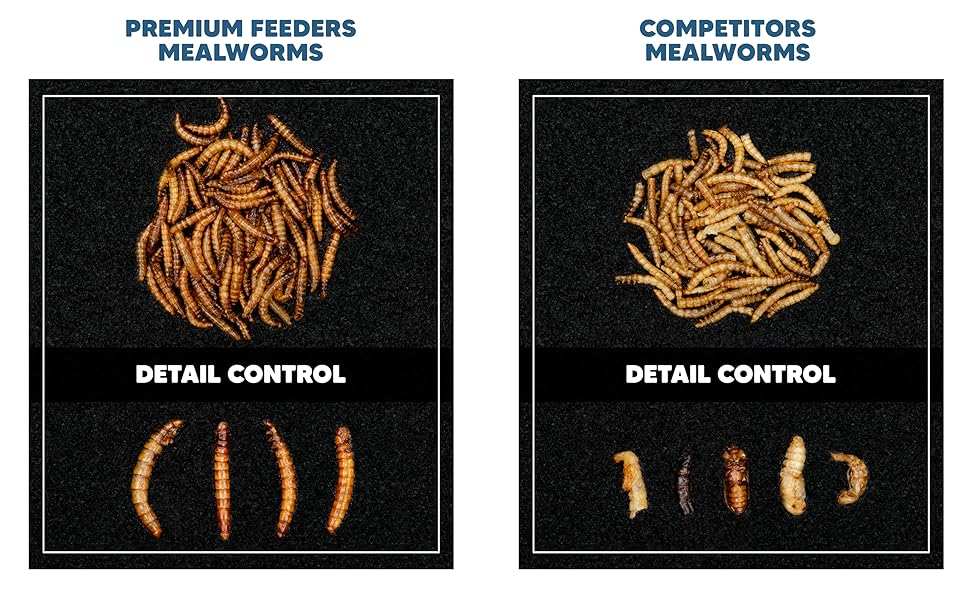
Which to choose depends on your setup. If you're keeping a few hens in a suburban backyard and want convenience, dried BSFL from a certified supplier are hard to beat. If you have a larger flock, want to reduce waste by feeding compost-grown larvae, or value behavioral enrichment, live grubs make more sense.
Some keepers mix both. Live grubs a couple times a week for enrichment. Dried grubs tossed into the run during winter when live supplies are harder to source.
Either way, source consistency matters more than form. Stick with one or two trusted suppliers so the nutritional content stays predictable.
[Image source: Bing (Web (fair-use with source credit))]
Step-by-Step Guide to Introducing Grubs Safely
A gradual, watchful approach avoids most of the common problems.
Start with certified dried grubs from a known supplier. Avoid wild-harvested or unverified larvae for the first introduction. You want known species and known sourcing when observing how your flock responds.
Small portion to start. Offer roughly half a tablespoon per hen, scattered on the ground. Watch for a full week. Monitor droppings, behavior, appetite for regular feed, and egg production. No changes means you can continue.
Introduce live grubs once you're confident with dried. Give the same small portion. Observe whether chickens hunt eagerly or ignore them. Most flocks learn within a single offering that these are food.
Watch for selective feeding. If hens start skipping layer feed in favor of treats, reduce grub frequency. Offer grubs only after the morning feed is consumed.
Always provide free-choice calcium. Oyster shell in a separate hopper ensures hens can balance their own calcium needs. This becomes more important the more grubs you feed.
Track egg quality. Soft shells, thin shells, or reduced output signal the calcium-phosphorus balance is off. Cut back on grubs and boost calcium sources immediately.
Scale slowly if you want to feed more. Increase by small amounts every two weeks. Never jump from occasional treats to daily supplementation overnight.
Maintain biosecurity. Store grubs in clean, sealed containers. Wash hands after handling live larvae. Don't let wild birds or rodents access your insect supply.
This is a cautious approach by design. You're introducing a concentrated food source to animals that thrive on consistency. Gradual introduction lets both you and your flock adjust safely.
Common Mistakes That Hurt Flocks
Seen across forums, extension calls, and vet visits are the same handful of patterns every year.
Feeding grubs as the main protein source. Owners switch to grubs thinking they're saving money on feed. The birds miss out on balanced vitamins and calcium. Egg quality drops.
Long-term health suffers.
Ignoring the calcium gap. No free-choice oyster shell anywhere in the coop. Laying hens draw from bone reserves to compensate. That works for a few days, then fracture risk and soft shells skyrocket.
Overfeeding out of generosity. Extra-large portions daily instead of modest treats. Protein climbs past what kidneys can handle. Uric acid buildup follows.
Gout cases spike in flocks eating unlimited grubs.
Feeding unidentifiable wild grubs. Sure, most are harmless. But the ones that carry parasites or chemical residues cause disproportionate damage. One bad batch can undo months of healthy flock management.
Skipping the adjustment period. New feed introduced overnight without monitoring. Digestive upset, diarrhea, and refusal to eat regular feed when sudden changes hit the gut microbiome.
Sourcing from unverified suppliers. No species identification on the label. No pathogen screening. No certificates of analysis.
If the supplier can't tell you exactly what species are in the bag, find a better source.
Not accounting for breed differences. Heavy breeds need smaller portions than active foraging breeds like Leghorns. Bantams need proportionally less than large fowl. One-size-fits-all portions don't work.
The fix for most of these is simple awareness and restraint. Small portions from reliable sources, offered after regular feed, alongside free-choice calcium, will keep your flock gaining the benefits without the setbacks.
Alternatives if Grubs Don't Fit Your Setup
Grubs aren't the only high-protein supplement worth considering. Several options work well depending on your constraints:
- Crickets: Similar protein profile to mealworms. Available live or dried. Aggressive escape artists if you're buying live.
- Earthworms: Naturally found in healthy soil. Rich in protein and minerals. Avoid those from chemically treated areas.
- Sunflower seeds: Black oil variety is a favorite. High in healthy fats. Excellent winter supplement.
- Cooked lentils and beans: Must be fully cooked. Raw legumes contain lectins toxic to chickens.
- Fish meal or tinned sardines: Very high protein. Use sparingly. Strong taste transfers to egg yolks.
- Sprouted grains: Sprouted wheat or barley boosts vitamin content. Low-cost if you sprout at home.
Some keepers rotate through several of these across the season. Variety reduces repetitive strain on any single supplement pathway. The principles stay the same: small portions, quality sourcing, and free-choice calcium every time.
When to Call a Veterinarian
Contact an avian or poultry vet if you notice any of the following after introducing grubs:
- Eggshells turning thin, soft, or shell-less within a week
- Sudden drop in egg production without seasonal explanation
- Swollen joints or reluctance to walk (gout sign)
- Persistent watery droppings lasting more than two days
- Open-mouth breathing or tail bobbing (respiratory distress)
- Loss of appetite for regular feed lasting beyond 24 hours
A vet visit is also warranted if your flock was fed unverified wild grubs and illness surfaces weeks later. Parasite-related illness can delay symptoms well after ingestion. Mention the recent insect feeding clearly at the appointment so the diagnostic process runs faster.
Frequently Asked Questions
Can baby chicks eat grubs safely?
Wait until pullets are at least 8 to 12 weeks old. Their starter feed should remain the primary diet until then.
How often should I add grubs to my hens' diet?
Two to three times per week is reasonable. Daily feeding risks protein overload.
Are commercial grubs genetically modified?
Most farmed BSFL and mealworms are not genetically modified. They're bred from stock adapted for captivity over several generations.
Can I feed my chickens grubs from a compost bin?
Only if you're certain the compost is free from pesticides, mold, and chemical run-off. In practice, most keepers spot-check their bins and rely on certified commercial batches to avoid uncertainty.
Do grubs change the taste of eggs?
No strong evidence supports taste transfer from a moderate grub diet. Heavy fishmeal inclusion does. Grubs in normal portions do not.
What about grubs for roosters or non-laying birds?
Non-laying adults tolerate higher protein better than laying hens. Roosters, capons, and retired hens can eat slightly larger portions safely.