Image source: Bing (Web (fair-use with source credit))
So you've picked up a container of grubs at the pet store and you're wondering whether they're actually safe for your bearded dragon. It's a fair question, and the answer isn't as simple as a yes or no. The word "grubs" gets thrown around loosely in the reptile community, and what's safe depends entirely on which species you're holding.
Here's the short version: some grubs are excellent feeders, some are fine in small amounts, and others can cause real health problems if you're not careful. The difference comes down to calcium content, fat levels, and how hard their exoskeletons are to digest. Let's break it all down so you know exactly what to feed and what to skip.
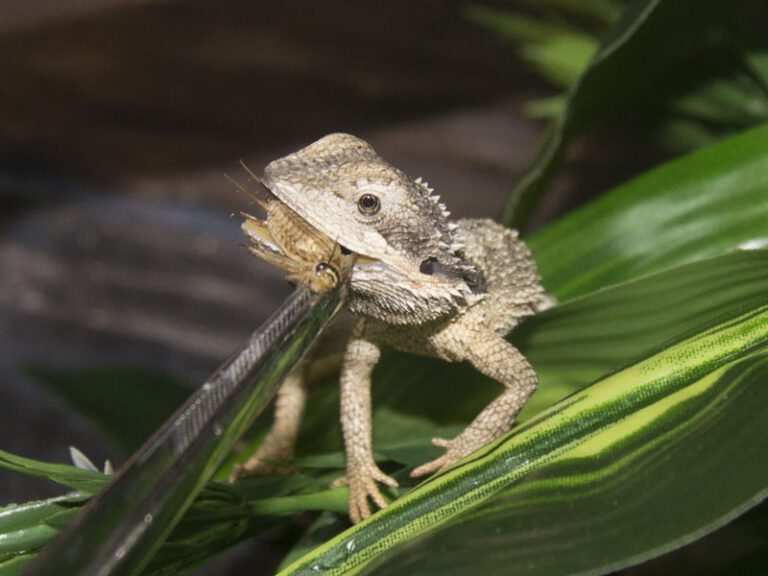
Image source: Bing (Web (fair-use with source credit))
Quick Answer
Yes, bearded dragons can eat certain grubs safely. Black soldier fly larvae are the best option because of their naturally high calcium content. Mealworms and superworms are acceptable in moderation but carry impaction and obesity risks.
Waxworms should only be an occasional treat due to their very high fat content. Always gut-load and dust grubs before feeding them to your dragon.
Why Getting Grub Feeding Right Actually Matters
Feeding the wrong grubs, or feeding the right ones the wrong way, is one of the most common mistakes bearded dragon owners make. And the consequences aren't minor. Metabolic bone disease, impaction, and obesity are all directly linked to poor feeder insect choices.
Metabolic bone disease alone is responsible for more vet visits and deaths in captive bearded dragons than almost any other condition. It develops when a dragon doesn't get enough usable calcium, and the biggest contributor is a diet heavy in insects with poor calcium-to-phosphorus ratios. That's not a scare tactic.
That's just what the veterinary literature consistently shows.
The good news is that getting this right is straightforward once you understand the basics. You don't need a degree in herpetology. You just need to know which grubs work, how often to offer them, and what preparation steps are non-negotiable.
The Quick Answer: Which Grubs Are Safe and Which Aren't
Not all grubs are created equal, and lumping them together is where most confusion starts. Here's a straightforward breakdown:
- Black soldier fly larvae (Hermetia illucens): Excellent staple feeder. High calcium, soft body, easy to digest.
- Hornworms (Manduca sexta): Great for hydration and as an occasional feeder. Very low fat, very high moisture.
- Silkworms (Bombyx mori): Strong nutritional profile. High protein, low fat, soft-bodied. Harder to find and more expensive.
- Mealworms (Tenebrio molitor): Acceptable in moderation for adults. Harder exoskeleton, poor calcium ratio. Risky for juveniles.
- Superworms (Zophobas morio): Similar to mealworms but larger and higher in fat. Adults only, and only occasionally.
- Waxworms (Galleria mellonella): Essentially candy for bearded dragons. Very high fat. Treat only, and sparingly.
The key takeaway is that "grubs" isn't one thing. A black soldier fly larva and a waxworm are both technically grubs, but their nutritional profiles are almost opposites. Knowing the species matters more than the label on the container.
What "Grubs" Actually Means — Breaking Down Each Type
The term "grubs" is a catch-all that refers to the larval stage of various beetle and moth species. In the reptile feeding world, it's used loosely to describe any soft-bodied, worm-like feeder insect. That imprecision is exactly why so many owners get confused.
When a pet store sells you "grubs," you need to check the species name on the container. Black soldier fly larvae are sometimes labeled as Phoenix Worms, Calciworms, or NutriGrubs, depending on the brand. Mealworms are the small, brown, hard-shelled larvae most people picture.
Superworms look similar but are much larger and darker at the head end. Waxworms are small, white, and very soft. Hornworms are bright green and can grow surprisingly large.
Each of these species has a different nutritional makeup, a different exoskeleton hardness, and a different role in your dragon's diet. Treating them as interchangeable is the fastest way to run into health problems. Let's look at each one in detail so you can make informed choices.
Black Soldier Fly Larvae: The Gold Standard Grub

Image source: Bing (Web (fair-use with source credit))
If you're going to pick one grub to build your feeding rotation around, black soldier fly larvae should be it. Their calcium-to-phosphorus ratio sits around 1.5:1 to 2:1, which is close to the ideal ratio recommended for reptiles. That means you often don't even need to dust them with extra calcium powder, though it doesn't hurt to do so.
They're also relatively low in fat (around 14%) and have a soft body that's easy for bearded dragons of all ages to digest. Juveniles can handle them without the impaction risk that comes with harder-shelled feeders. Adults benefit from the decent protein content (around 17%) without the obesity risk of fattier options.
Another practical advantage is that BSFL are easy to keep at home. They don't smell, they don't require feeding if you're storing them in a cool place, and they have a decent shelf life compared to other live feeders. As of 2026, they're widely available from online suppliers and most well-stocked pet stores in the US and UK.
The one downside is size. Standard BSFL are quite small, so adult bearded dragons may need a larger volume to feel satisfied. That's not a nutritional problem, just a practical one.
You can buy larger sizes from some suppliers, or simply pair them with other feeders to round out a meal.
Mealworms and Superworms: Handle With Care

Image source: Bing (Web (fair-use with source credit))
Mealworms and superworms are probably the most commonly fed grubs, and they're also the ones that cause the most problems when owners aren't careful. The issue isn't that they're toxic. It's that their nutritional profile and physical characteristics make them risky if overfed or fed to the wrong age group.
Mealworms have a calcium-to-phosphorus ratio of roughly 0.07:1, which is extremely poor. That means they're high in phosphorus relative to calcium, and phosphorus actually blocks calcium absorption in the reptile gut. Feeding too many mealworms without proper supplementation is a direct path to metabolic bone disease.
Their exoskeletons are also relatively hard and high in chitin, which is difficult for young bearded dragons to digest. Juveniles under about six months should not be offered mealworms at all. The impaction risk is real, especially if the dragon is even slightly dehydrated or kept at suboptimal temperatures.
Superworms carry the same calcium problem but add higher fat content (around 18%) and a much larger size. They're appropriate only for adult bearded dragons, and even then they should be an occasional feeder, not a staple. A few superworms once or twice a week is fine for a healthy adult.
A diet built around them will lead to obesity and calcium deficiency over time.
If you do feed either of these, always gut-load them for 24 to 48 hours before offering them, and always dust with calcium powder. That won't fix the fundamental calcium-to-phosphorus imbalance, but it helps offset it.
Waxworms, Hornworms, and Silkworms: Treats, Staples, or Somewhere In Between
Waxworms are the grub most owners overfeed because bearded dragons go absolutely crazy for them. Their fat content sits around 22%, which makes them incredibly palatable. Think of them as the reptile equivalent of a chocolate bar.
Your dragon will eat them eagerly, but a diet built on waxworms leads to rapid weight gain and fatty liver disease.
Use waxworms as an occasional treat, maybe two or three worms once a week at most. They can be genuinely useful for underweight dragons or recovering from illness, but for a healthy adult they're a liability if overdone.
Hornworms are practically the opposite. They're about 85% moisture, very low in fat (around 3%), and soft-bodied. They're excellent for hydration, especially for dragons that don't drink readily from a bowl.
The downside is their poor calcium-to-phosphorus ratio (roughly 0.1:1) and their cost. They grow fast, they're perishable, and they're one of the more expensive feeders per worm. Dusting with calcium powder makes them a solid occasional addition, but they shouldn't be a daily staple.
Silkworms are arguably the best overall feeder insect nutrically, with high protein (around 64% on a dry matter basis), low fat (around 5%), and a soft body. The problem is availability and price. They're harder to find consistently and more expensive than most alternatives.
If you can source them reliably, they're a fantastic option, especially for growing juveniles that need dense protein without the fat load.
The Calcium-to-Phosphorus Problem Most Owners Miss
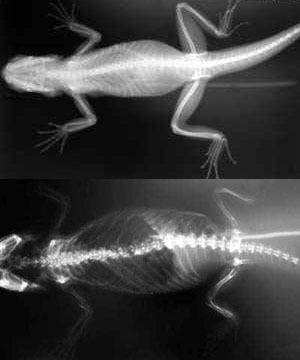
Image source: Bing (Web (fair-use with source credit))
This is the single most important concept in bearded dragon nutrition, and it's the one most care sheets gloss over. Every feeder insect contains both calcium and phosphorus, but the ratio between the two matters more than the absolute amount of either.
The ideal calcium-to-phosphorus ratio for reptiles is about 2:1. That means two parts calcium for every part phosphorus. Phosphorus binds to calcium in the gut and prevents absorption, so an insect that's high in phosphorus relative to calcium actually pulls calcium out of your dragon's system instead of adding to it.
Here's how common grubs stack up:
| Feeder Insect | Calcium-to-Phosphorus Ratio | Fat Content |
|---|---|---|
| Black soldier fly larvae | ~1.5:1 to 2:1 | ~14% |
| Hornworms | ~0.1:1 | ~3% |
| Silkworms | ~0.2:1 | ~5% (dry matter) |
| Mealworms | ~0.07:1 | ~13% |
| Superworms | ~0.05:1 | ~18% |
| Waxworms | ~0.03:1 | ~22% |
Black soldier fly larvae are the only grub on this list that comes close to the ideal ratio on their own. Everything else requires calcium dusting to compensate. That doesn't mean you can't feed the others, but it does mean skipping the supplementation step is risky.
Without adequate calcium absorption, bearded dragons develop metabolic bone disease. The early signs include tremors in the legs, a soft or rubbery jaw, difficulty lifting the body off the ground, and reluctance to move. Advanced cases involve bone fractures, spinal deformities, and eventually death.
UVB lighting in the enclosure is also essential because it enables vitamin D3 synthesis, which is what actually allows calcium to be metabolized. Calcium powder alone won't fix a dragon that has no UVB exposure.
How to Feed Grubs Safely: Gut-Loading, Dusting, and Sizing
There are three non-negotiable steps before any grub goes into your dragon's enclosure. Skip any of them and you're leaving nutrition on the table or actively putting your dragon at risk.
Gut-loading means feeding the insects a high-quality diet 24 to 48 hours before offering them to your dragon. Whatever the grub eats becomes part of what your dragon absorbs. Commercial gut-load products from brands like Repashy or Zoo Med work well.
Fresh vegetables like sweet potato, carrots, and leafy greens also do the job. A grub that's been sitting in a container with nothing but oats for a week is significantly less nutritious than one that's been properly gut-loaded.
Dusting means coating the grubs in calcium powder right before feeding. Use a plain calcium powder without D3 for daily feedings if your dragon has proper UVB exposure. Rotate in a calcium powder with D3 once or twice a week.
A light coating in a plastic bag or small container works perfectly. You're not breading a cutlet, just a fine film.
Sizing is about making sure the grub isn't too large for your dragon. The standard rule is that no feeder insect should be wider than the space between your dragon's eyes. This applies to length as well as width for hornworms and superworms.
Oversized feeders cause impaction, choking, and in some cases the insect can actually injure the dragon's mouth or digestive tract from the inside.
The feeding temperature matters too. Bearded dragons need a basking spot of around 100 to 110 degrees Fahrenheit (38 to 43 degrees Celsius) to properly digest their food. If the enclosure is too cold, even perfectly gut-loaded and dusted grubs can sit in the gut and cause problems.
Feeding Schedule by Age: Juvenile vs. Adult vs. Senior
Your dragon's age completely changes how many grubs they should eat and what kinds are appropriate. Feeding an adult diet to a juvenile stunts growth. Feeding a juvenile diet to an adult causes obesity.
Getting the schedule right matters.
Juveniles (0 to 6 months):
Eat about 80% insects and 20% greens. Feed insects two to three times daily as many as they'll eat in 10 to 15 minutes. Stick with black soldier fly larvae, small dubia roaches, and small crickets.
Avoid mealworms and superworms entirely at this stage.
Sub-adults (6 to 12 months):
Transition gradually toward more greens. Insect feedings drop to once or twice daily. You can introduce small mealworms at this point if you want variety, but keep BSFL as the primary feeder.
Adults (12+ months):
Now it's roughly 20% insects and 80% greens. Insect feedings happen two to three times per week. Adults can handle mealworms and superworms in small numbers.
Waxworms stay as an occasional treat. Hornworms are fine for hydration but keep the calcium dusting consistent.
Senior dragons (5+ years):
Protein needs don't drop dramatically, but portions should be slightly reduced if activity levels decline. Obesity becomes more of a concern with age. Keep meals lean and focus on easy-to-digest feeders like BSFL and hornworms.
Weighing your dragon monthly with a kitchen scale is the best way to track whether your feeding plan is working. A healthy adult should maintain a relatively stable weight. Sudden drops or rapid gains are early warnings that something in the diet needs adjusting.
Signs You're Feeding the Wrong Grubs (or Too Many)
Your bearded dragon can't tell you something's wrong, so you have to watch the physical signs. Here's what to look for:
- Jaw softening or swelling: This is one of the earliest indicators of calcium deficiency and potential metabolic bone disease. The jaw may feel rubbery rather than firm.
- Lethargy and weakness in the legs: If your dragon struggles to lift their body or drags their hind legs, calcium metabolism is likely compromised.
- Swollen or impacted belly: A hard, distended abdomen that doesn't soften could signal impaction from oversized or hard-shelled feeders.
- Rapid weight gain: If your dragon's tail base and midsection are bulging, you're probably overfeeding high-fat grubs like waxworms or superworms.
- Runny or unusually foul stool: Digestive distress can come from feeding insects that are too large, too hard, or from poor-quality sources.
- Refusal to eat greens: Dragons that are overfed insects often become picky and refuse vegetables, which worsens the nutritional imbalance.
If you notice any combination of these symptoms, especially the jaw and leg issues, get to an exotic animal veterinarian quickly. Early-stage metabolic bone disease is treatable with aggressive calcium supplementation and UVB correction. Advanced cases are much harder to reverse.
Wild-Caught Grubs: Why It's Never Worth the Risk
It might seem convenient to collect grubs from your garden or backyard, but this is one of the riskiest things you can do for your bearded dragon. Wild-caught insects carry two major threats that you can't see with the naked eye.
First, parasites. Wild grubs can harbor internal parasites like nematodes, protozoa, and tapeworms that transfer directly into your dragon when eaten. A single infected grub can introduce a parasite load that takes months and a veterinary fecal exam to diagnose and treat.
Second, pesticide and herbicide exposure. Even if you don't treat your own yard with chemicals, neighboring properties do. Grubs from treated soil can contain enough residual toxin to seriously harm or kill a small reptile.
There's no way to visually inspect a grub for chemical contamination.
The Association of Reptilian and Amphibian Veterinarians consistently advises against feeding wild-caught insects for exactly these reasons. The savings aren't worth a vet bill, or worse. Stick with commercially raised feeders from reputable suppliers.
Best Feeder Insects Ranked for Bearded Dragons
Here's the ranked order from most to least recommended as a staple feeder:
- Black soldier fly larvae: Best overall. Great calcium ratio, soft body, all ages.
- Dubia roaches: Excellent protein, easy to gut-load, low chitin. Not technically a grub but worth including in any rotation.
- Silkworms: Top-tier nutrition but expensive and harder to source.
- Hornworms: Great for hydration, low fat, but poor calcium ratio without dusting.
- Crickets: Decent protein but noisy, smelly, and can bite your dragon if left uneaten.
- Mealworms: Acceptable for adults only, in moderation.
- Superworms: Adults only, occasional use, high fat.
- Waxworms: Treat only. Very high fat, addictive to dragons.
The best approach is variety. No single feeder insect provides a complete nutritional profile on its own. Rotating three or four types across the week, with BSFL as the backbone, gives your dragon the broadest nutrient coverage.
When to Call the Vet: Red Flags You Shouldn't Ignore
Some symptoms mean you need professional help immediately, not a dietary adjustment at home. Contact an exotic animal veterinarian if you observe:
- Tremors, twitching, or shaking in the limbs or tail
- A jaw that feels soft or doesn't close properly
- Inability to lift the body off the ground
- No bowel movement for more than two weeks with a distended abdomen
- Sudden refusal to eat for more than a week in an otherwise healthy dragon
- Visible swelling along the spine or limbs
These signs point to conditions like metabolic bone disease, severe impaction, or organ issues that require veterinary intervention. Early treatment makes a significant difference in outcomes. Waiting too long can turn a treatable condition into a permanent disability or worse.
Final Verdict: The Grub Feeding Plan That Actually Works
Build your feeding rotation around black soldier fly larvae as the primary grub. Add dubia roaches and crickets for variety. Use hornworms occasionally for hydration.
Keep mealworms and superworms as rare additions for adults only. Treat waxworms like dessert, not dinner.
Always gut-load for 24 to 48 hours. Always dust with calcium powder. Always size the feeder appropriately.
And always pair a solid diet with proper UVB lighting and correct basking temperatures.
That's the plan. It's not complicated, but it requires consistency. Get these basics right and you'll avoid the vast majority of nutrition-related health problems that send bearded dragons to the vet.
Frequently Asked Questions
Can baby bearded dragons eat grubs?
Baby and juvenile bearded dragons should only eat soft-bodied grubs like black soldier fly larvae. Avoid mealworms, superworms, and waxworms entirely until they're at least six months old. Their digestive systems can't handle hard exoskeletons at that age.
How many grubs should I feed my bearded dragon per day?
Juveniles can eat as many appropriately sized grubs as they'll consume in 10 to 15 minutes, two to three times daily. Adults only need insects two to three times per week, with grubs making up a portion of that offering.
Are dried grubs safe for bearded dragons?
Dried grubs are not ideal. They lose significant moisture and some nutritional value in the dehydration process. Live feeders are always preferred because they retain full nutritional content and provide mental stimulation through hunting.
Can bearded dragons eat grubs every day?
Juveniles need daily insect feedings, and grubs like BSFL can be part of that daily rotation. Adults should not eat grubs daily. Overfeeding insects to adults leads to obesity and organ stress.
What happens if my bearded dragon eats too many waxworms?
Too many waxworms cause rapid weight gain and can lead to fatty liver disease. Waxworms are around 22% fat, which is extremely high. Limit them to two or three worms once a week at most.