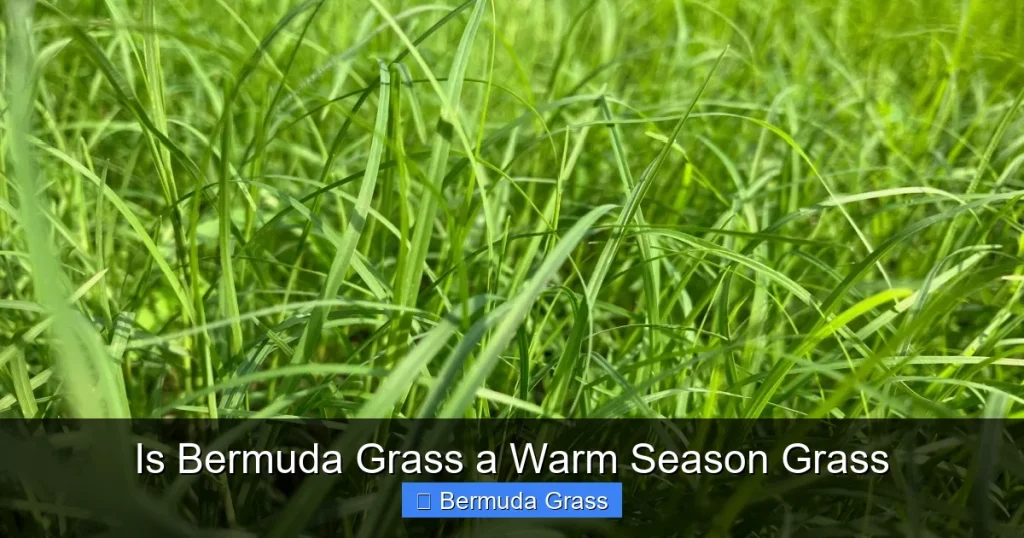
Bermuda grass is widely recognized as a classic warm season grass perfect for hot climates. This guide explains what makes Bermuda grass a warm season variety, how to care for it, and its ideal growing conditions, helping you make informed lawn decisions.
Key Takeaways
- Bermuda grass is a warm season grass: It thrives in hot weather and warms up during late spring and summer.
- Optimal growing temperatures: Bermuda grass prefers temperatures between 75°F and 95°F for healthy growth.
- Cool weather dormancy: It becomes dormant and turns brown during cold winters, especially in cooler climates.
- Sunlight requirements: Bermuda grass needs full sun to flourish and does poorly in shaded areas.
- Maintenance tips: Proper mowing, watering, and fertilization help Bermuda grass stay healthy in its active season.
- Climate suitability: Perfect for southern and warm regions, but may struggle in cooler or temperate zones.
Introduction
If you’re planning to plant a lawn or maintain a turf area, understanding the type of grass suited for your climate is essential. One common question is: Is Bermuda grass a warm season grass? The answer is yes, but there’s more to learn about its growing habits, care requirements, and ideal conditions. In this guide, we’ll explore everything you need to know about Bermuda grass, helping you decide if it’s the right choice for your yard and how to care for it properly.
What Is Bermuda Grass?
Bermuda grass, scientifically known as Cynodon dactylon, is a warm season turfgrass. It’s highly popular in southern U.S. states and tropical regions due to its ability to withstand high temperatures and drought. Its dense, fine-textured blades create a lush, green lawn that’s durable and attractive.

Visual guide about Is Bermuda Grass a Warm Season Grass
Image source: plantforsuccess.com
Why Is Bermuda Grass Considered a Warm Season Grass?
Growing Season and Temperature Preferences
Bermuda grass is classified as a warm season grass because it actively grows during the warm months of the year. It prefers temperatures between 75°F and 95°F, thriving in hot summer weather. When temperatures drop below 60°F, growth slows significantly, and the grass enters dormancy.

Visual guide about Is Bermuda Grass a Warm Season Grass
Image source: i.pinimg.com
Dormancy in Cooler Weather
During cooler months, especially in regions with cold winters, Bermuda grass goes into dormancy. Its color fades from vibrant green to brown or tan, and growth halts. This dormancy period is natural and helps the grass conserve energy during unfavorable conditions.
Growing Bermuda Grass: Step-by-Step Guide
1. Assess Your Climate and Site
- Climate suitability: Bermuda grass performs best in USDA zones 8-11. It loves full sun and warm temperatures.
- Soil conditions: Well-drained, sandy or loamy soils with a pH of 5.8-7.0 are ideal.
- Sunlight exposure: Ensure your site gets at least 6-8 hours of direct sunlight daily.
2. Prepare the Soil
Test Your Soil
Use a soil testing kit to check pH and nutrient levels. Amend soil if necessary to reach optimal conditions.
Clear the Site
Remove weeds, debris, and existing grass. Loosen the soil to a depth of 4-6 inches for good root penetration.
Amend the Soil
Add compost or organic matter to improve fertility and drainage. Level the soil surface evenly.
3. Planting Bermuda Grass
Choose Your Method
- Sod: Instant lawn, but more expensive.
- Seed: Cost-effective, but takes longer to establish.
- Sprigs or plugs: Good for patching or establishing large areas gradually.
Seeding Tips
Scatter Bermuda grass seeds evenly at a rate of about 1-2 pounds per 1000 sq ft. Rake lightly to cover seeds and water gently.
Sodding and Plugs
Lay sod or plant plugs in staggered rows. Water thoroughly after planting.
4. Watering and Fertilization
- Watering: Keep soil consistently moist during establishment. Once established, Bermuda grass needs about 1-1.25 inches of water weekly.
- Fertilization: Apply a balanced fertilizer (like 16-4-8) in spring and summer. Follow recommended rates to promote lush growth.
5. Mowing and Maintenance
- Mowing height: Maintain at 1-2 inches for optimal health.
- Regular mowing: Mow frequently to keep the grass dense and prevent weeds.
- Weed control: Use pre-emergent herbicides in early spring and spot-treat weeds as needed.
Managing Bermuda Grass in Different Seasons
Summer Care
In peak summer, Bermuda grass thrives with frequent watering and high mowing height to reduce stress.
Winter Dormancy
In cooler regions, prepare for dormancy by reducing watering and fertilization. Do not mow during dormancy as it can stress the grass.
Resuming Growth in Spring
As temperatures rise, Bermuda grass will turn green and resume active growth. Increase watering and fertilize to encourage quick recovery.
Troubleshooting Common Issues
- Brown patches: Often caused by drought, pests, or disease. Water deeply and check for pests.
- Thatch buildup: Remove thatch layer with dethatching tools to improve air and water penetration.
- Poor establishment: Ensure proper soil prep, planting depth, and watering.
- Shade problems: Bermuda needs full sun; consider alternative grasses if shaded.
Conclusion
In summary, Bermuda grass is indeed a warm season grass. It flourishes in hot, sunny climates and goes dormant in cooler weather. Understanding its growing habits and care requirements helps you maintain a lush, healthy lawn. Whether you’re planting new Bermuda grass or managing an existing lawn, knowing that it’s a warm season grass will guide your lawn care decisions and ensure your yard looks its best year-round.
Additional Tips
- Plant Bermuda grass in late spring after the danger of frost has passed.
- Adjust watering based on weather conditions to prevent overwatering or drought stress.
- Use proper mowing techniques to promote dense growth and reduce weed invasion.