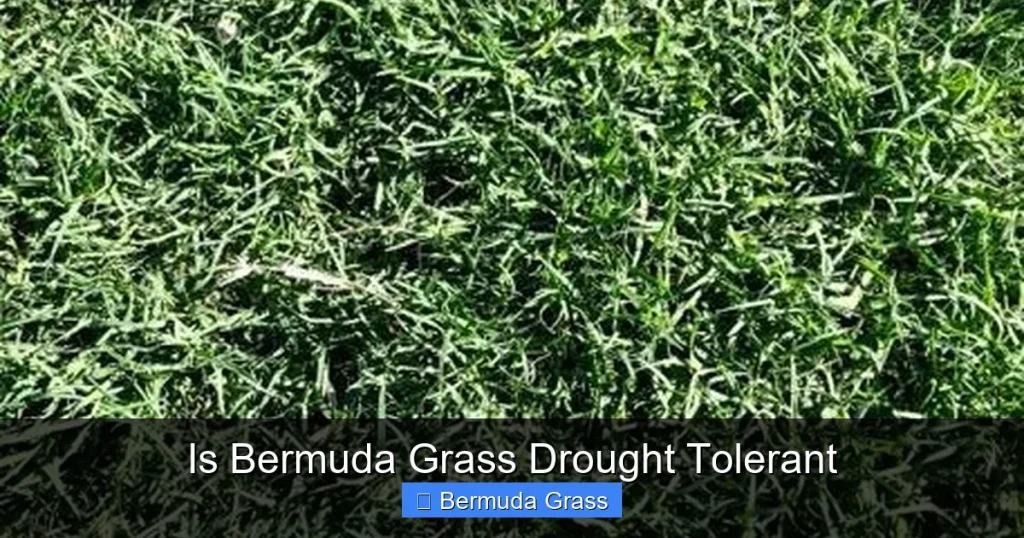
Bermuda grass is known for its resilience and ability to withstand drought conditions. In this guide, you’ll learn how to determine its drought tolerance, proper watering techniques, and tips to keep your lawn lush during dry months.
Is Bermuda Grass Drought Tolerant?
If you’re a homeowner or landscaper, you’re probably asking, “Is Bermuda grass drought tolerant?” The answer is a resounding yes. Bermuda grass is renowned for its ability to survive in hot, dry climates with minimal water. But there’s more to the story. Understanding how Bermuda grass handles drought, how to care for it properly, and what signs to watch for can help you maintain a lush, healthy lawn even during dry spells. In this comprehensive guide, you’ll learn everything you need to know about Bermuda grass’s drought tolerance and how to optimize its health.
Key Takeaways
- Bermuda grass is highly drought tolerant: It can survive extended dry periods once established.
- Proper watering improves drought resistance: Deep, infrequent watering encourages deep roots.
- Maintenance impacts drought tolerance: Proper mowing and fertilization help Bermuda grass withstand drought.
- Soil type matters: Well-draining soil enhances drought resilience.
- Signs of drought stress: Wilting, discoloration, and patchy growth indicate need for care.
- Preventative measures: Aeration and overseeding can improve drought tolerance over time.
What Makes Bermuda Grass Drought Tolerant?
Bermuda grass (Cynodon dactylon) is a warm-season grass native to tropical and subtropical regions. Its natural habitat is often arid or semi-arid, which contributes to its resilience during drought conditions. Several factors make Bermuda grass drought tolerant:
- Deep root system: Bermuda grass develops extensive roots that reach deep into the soil, accessing moisture that surface grasses can’t.
- Growth habit: Its aggressive spreading helps it recover quickly from stress and fill in bare patches caused by drought.
- Physiological adaptations: Bermuda grass reduces its water loss by closing stomata during hot, dry weather.
However, even the most drought-tolerant grass needs proper care to truly thrive during dry spells. Let’s explore how you can support your Bermuda grass lawn to maximize its drought resilience.
Step 1: Choose the Right Bermuda Grass Variety
Understand the Variants
Not all Bermuda grass types have the same drought tolerance. Common varieties include:
- Common Bermuda: Widely used, hardy, and drought resistant.
- TifTuf Bermuda: Known for exceptional drought tolerance and drought recovery.
- Celebration Bermuda: Good drought resistance but requires more maintenance.
Tip:
If you live in an area prone to drought, opt for TifTuf or other drought-tolerant varieties. These are bred for better water efficiency and quick recovery.
Step 2: Prepare Your Soil for Drought Conditions
Test and Improve Soil Drainage
Well-draining soil helps Bermuda grass access moisture evenly and prevents root rot. Conduct a soil test to check for compaction or poor drainage. If needed, amend soil with organic matter or sand to improve drainage.
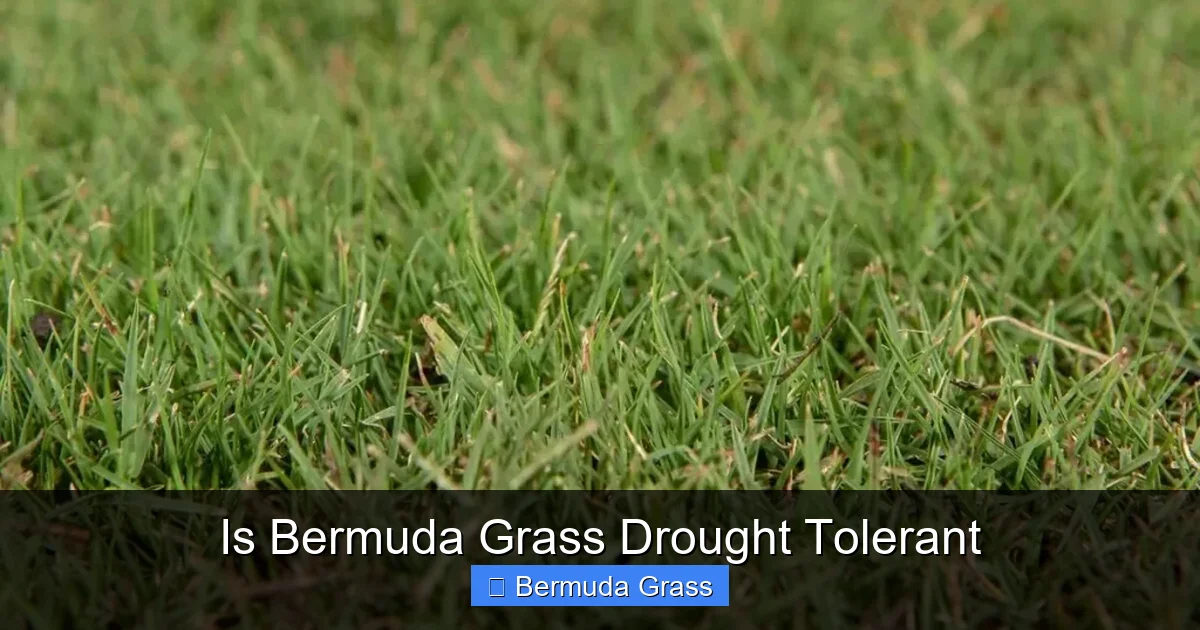
Visual guide about Is Bermuda Grass Drought Tolerant
Image source: sodlawn.com
Maintain Soil Health
Healthy soil retains moisture better. Adding compost or organic fertilizer can boost soil fertility and water retention capacity, which benefits drought tolerance.
Step 3: Establish Proper Watering Practices
Deep and Infrequent Watering
Water your Bermuda grass deeply, about 1 to 1.5 inches per session, once or twice a week. Deep watering encourages roots to grow deeper into the soil, making the grass more drought resistant.
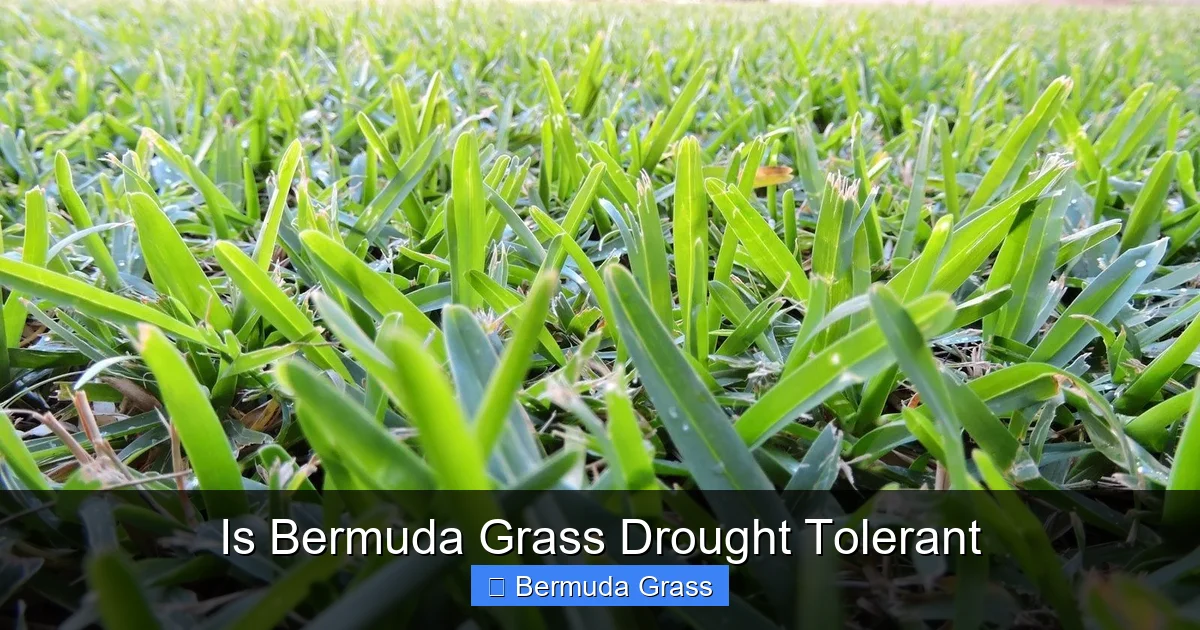
Visual guide about Is Bermuda Grass Drought Tolerant
Image source: cdn.mos.cms.futurecdn.net
Timing is Key
Water early in the morning to minimize evaporation. Avoid watering during the hottest part of the day or late in the evening, which can promote disease.
Use Efficient Irrigation Systems
Consider installing drip irrigation or soaker hoses for targeted watering. Use rain sensors or timers to avoid overwatering.
Step 4: Mow Correctly for Drought Resistance
Maintain Optimal Height
Keep Bermuda grass at a height of about 1 to 1.5 inches. Taller grass shades the soil, reducing evaporation and encouraging deeper roots.
Regular Mowing Schedule
Mow regularly to prevent the grass from becoming too tall or too short. Sharp blades ensure clean cuts and less stress on the grass.
Step 5: Fertilize Appropriately
Use Drought-Friendly Fertilizers
Apply balanced fertilizers with slow-release nitrogen to promote healthy growth and resilience. Avoid over-fertilizing, which can make the grass more susceptible to drought stress.
Timing
Fertilize during the active growing season, typically late spring or early summer, to strengthen the grass before dry periods.
Step 6: Aerate and Overseed
Aerate to Improve Soil Permeability
Periodic aeration helps water penetrate the soil better and reduces compaction. Use a core aerator for best results.
Overseed Bare Patches
Overseeding with drought-tolerant Bermuda varieties can help fill in dry, patchy areas and enhance overall drought resistance.
Step 7: Monitor and Troubleshoot
Watch for Signs of Drought Stress
- Wilting or footprints remaining visible after walking on the lawn
- Discoloration, especially a dull blue-green or brownish hue
- Patchy or uneven growth
Interventions
If you notice these signs, increase watering frequency, improve soil conditions, or apply a light fertilizer. Avoid overwatering, which can cause disease and root rot.
Conclusion: Is Bermuda Grass Drought Tolerant?
Yes, Bermuda grass is naturally drought tolerant, thanks to its deep roots and physiological adaptations. However, to maximize its drought resistance, proper care is essential. Selecting the right variety, preparing the soil, watering wisely, and maintaining optimal mowing and fertilization practices will help your Bermuda grass lawn stay lush and healthy during dry periods.
Remember, while Bermuda grass can handle dry conditions better than many grasses, consistent maintenance and smart watering are key to keeping it thriving. With these tips, you can enjoy a green, drought-tolerant lawn even in the hottest, driest months.
Additional Tips for Drought-Resistant Bermuda Grass
- Mulch around the grass to retain soil moisture.
- Reduce foot traffic during drought periods to minimize stress.
- Consider installing a rainwater harvesting system to supplement watering needs.
Final Thoughts
Bermuda grass’s natural resilience makes it an excellent choice for drought-prone areas. By following proper care practices, you can ensure your lawn remains healthy, green, and drought-tolerant year-round.