You've typed "How to raise pH?" into a search bar, and now you're staring at a dozen different answers. Baking soda. Lime.
Soda ash. Crushed coral. Which one is right?
The truth is, the answer depends entirely on what you're trying to adjust. Soil, pool water, aquarium water, and drinking water all need different treatments, and using the wrong one can kill your plants, cloud your pool, or stress your fish to death.
In our research, the single biggest mistake people make is grabbing the first alkaline substance they find without understanding what they're actually changing. Per EPA secondary drinking water standards, pH below 6.5 can corrode pipes and leach metals into your water. But the same fix that works for a pool will wreck an aquarium.
Let's break this down by what you're actually working with.
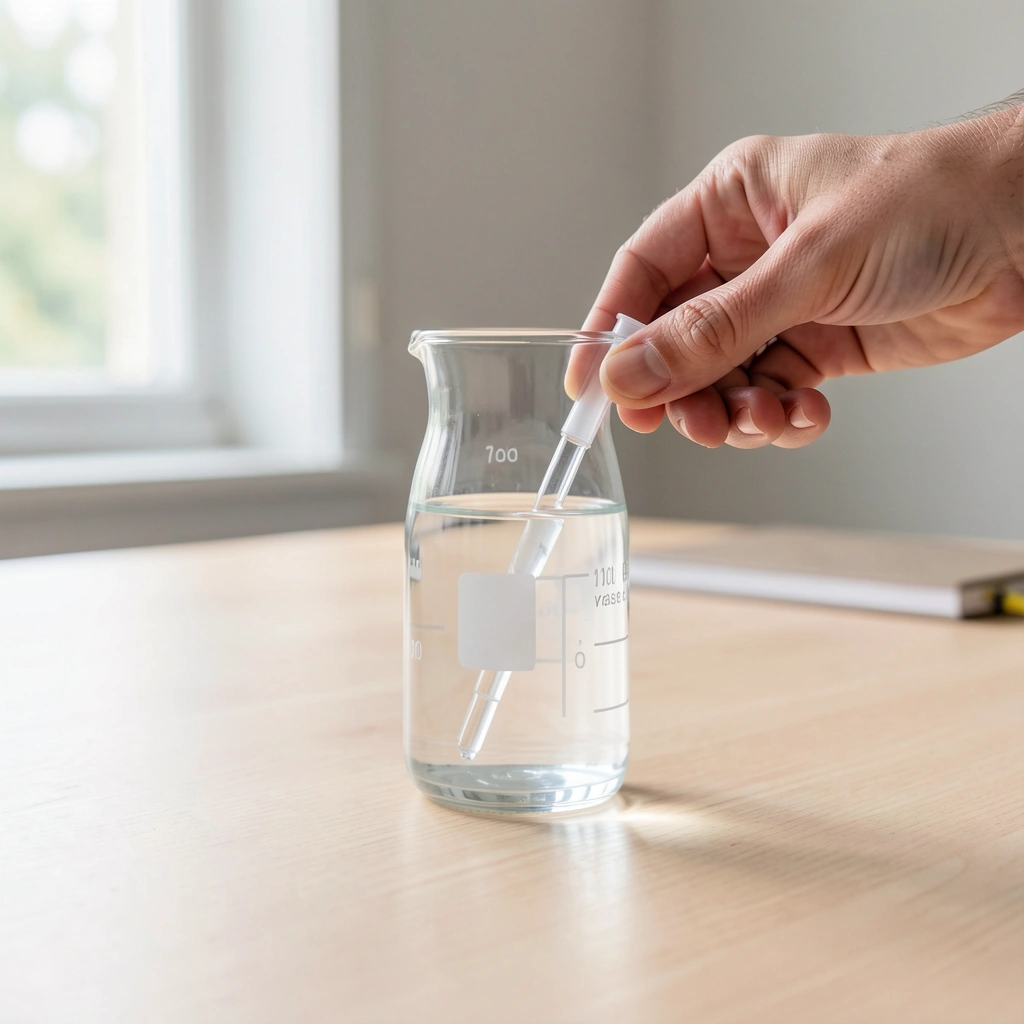
Why This Isn't a One-Size-Fits-All Answer
pH is a measure of how acidic or alkaline something is, running from 0 (very acidic) to 14 (very alkaline). Pure water sits at 7, which is neutral. When you want to raise pH, you're trying to make something less acidic and more alkaline.
But here's the catch: the substance you use depends entirely on what you're adjusting.
Soil, pool water, aquarium water, and drinking water all have different chemistry. They also have different tolerances for how fast you can change things. A rapid pH swing that barely registers in a swimming pool can kill aquarium fish within hours.
A lime application that works beautifully on a vegetable patch will do nothing for your pool's pH.
In our research, the most common failure we see is people treating all pH problems the same. They grab baking soda because it's in the kitchen, dump it in, and wonder why nothing changed or why things got worse. The chemistry behind each application is different, and the tools you need to measure success are different too.
Before you buy anything, you need to answer one question: what exactly are you trying to adjust? The answer determines everything that follows.
The First Question You Must Ask Yourself: What Are You Adjusting?
Let's make this simple. There are four main scenarios where people need to raise pH, and each one uses a completely different approach.
Soil, You're a gardener or lawn owner. Your soil test came back acidic (below 6.0), and your plants are struggling. You need a slow-release amendment like agricultural lime that works over weeks or months.
Swimming pool, Your test kit shows pH below 7.2. The water is irritating your eyes and corroding pool equipment. You need a fast-acting chemical like soda ash that circulates through the filter and stabilizes within hours.
Aquarium, Your fish are stressed and your test kit shows pH below 6.0. You need a gentle method that raises pH slowly, because fish can't handle sudden swings. Crushed coral or a commercial pH Up product works, but you have to go slow.
Drinking water, Your well water tests acidic, and you're worried about pipe corrosion or metallic taste. You need a whole-house neutralizer or a point-of-use filter, not a chemical dump.
Each of these scenarios uses a different substance, a different dosage, and a different timeline. Mix them up, and you'll either waste money or cause real damage.
How to Raise pH in Soil (For Gardens & Lawns)
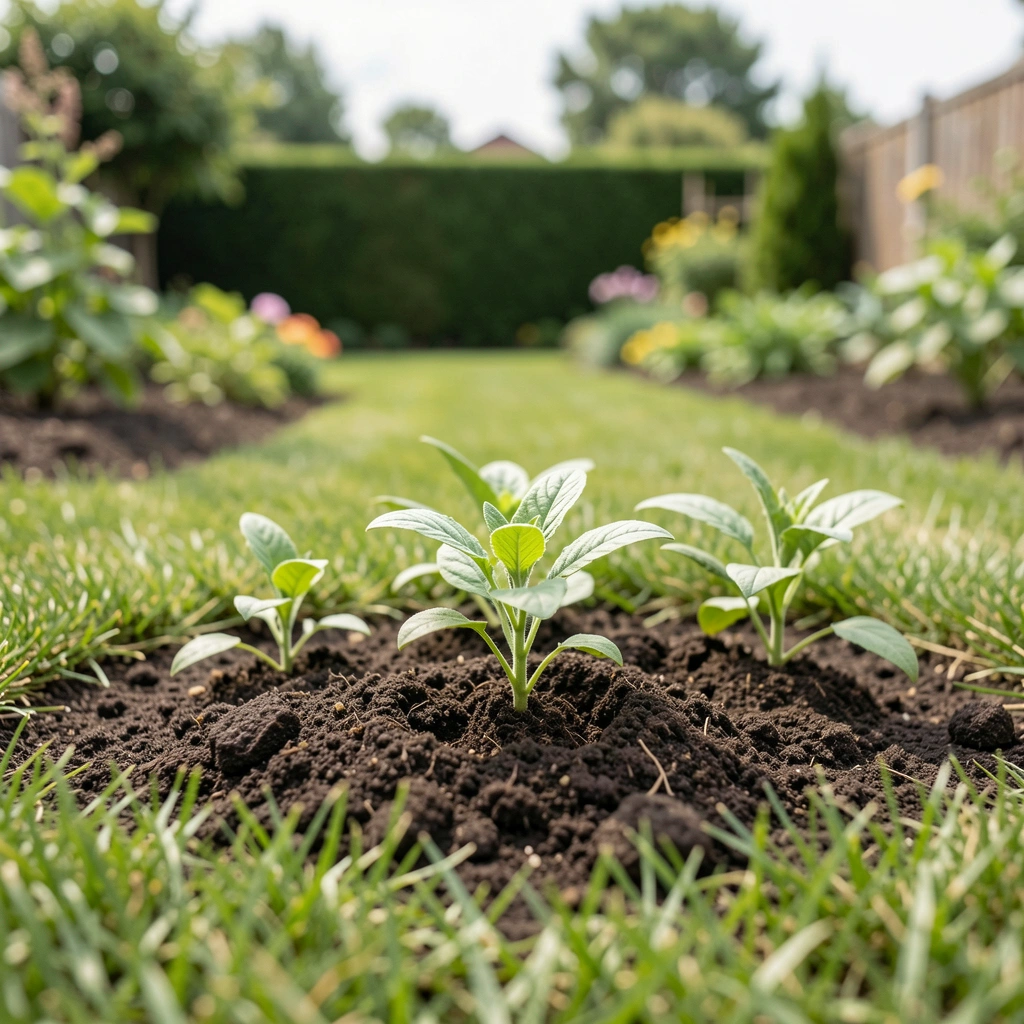
Soil pH is the most common reason people search for this topic. If your soil is too acidic, essential nutrients like nitrogen, phosphorus, and potassium become less available to plants. Your grass looks pale, your vegetables struggle, and you can't figure out why.
The good news is that raising soil pH is straightforward. The bad news is that it takes patience. Soil chemistry doesn't change overnight.
Step 1: Test Your Soil First
Never guess your soil pH. A home test kit from a garden center costs around $10 to $20 and gives you a rough reading. For better accuracy, send a sample to your local university extension office.
As of 2026, most state extension labs charge $15 to $30 per sample and provide detailed recommendations based on your specific soil type.
You want to know two things: your current pH and your soil's buffering capacity. Sandy soil changes pH quickly. Clay soil resists change and needs more amendment.
A lab test tells you both.
Step 2: Choose Your Amendment – Lime vs. Wood Ash vs. Baking Soda
Agricultural lime is the standard choice for most gardens and lawns. It's crushed limestone, and it works slowly over several months. Calcitic lime adds calcium only.
Dolomitic lime adds calcium and magnesium, which is useful if your soil is also low in magnesium.
Wood ash is a faster alternative if you have a fireplace or wood stove. It raises pH more quickly than lime and adds potassium. But it's less predictable.
The pH of ash varies depending on what wood you burned, and you can easily overapply it.
Baking soda is not recommended for soil. It raises pH temporarily but breaks down quickly, and the sodium can build up and harm plant roots over time.
For most lawns and vegetable gardens, agricultural lime is the safest bet. It's cheap, widely available, and forgiving if you apply a little too much. A typical application rate is 50 pounds per 1,000 square feet, but always follow your soil test results.
Step 1: Test Your Soil First
You cannot guess your soil pH. Plants show symptoms like yellowing leaves or stunted growth, but those same symptoms can come from overwatering, disease, or nutrient burn. A test removes the guesswork.
Home test kits are fine for a rough idea. For precision, send a sample to a lab. The cost is small compared to wasting lime or damaging your plants.
Step 2: Choose Your Amendment – Lime vs. Wood Ash vs. Baking Soda
| Amendment | Speed | Best For | Risk |
|---|---|---|---|
| Calcitic lime | Slow (3-6 months) | Lawns, vegetable gardens | Low |
| Dolomitic lime | Slow (3-6 months) | Magnesium-deficient soil | Low |
| Wood ash | Moderate (weeks) | Small gardens, potassium boost | Overapplication risk |
| Baking soda | Fast but temporary | Not recommended for soil | Sodium buildup |
Step 3: Apply at the Right Rate and Time
For lime, the standard recommendation is 50 pounds per 1,000 square feet for a moderate pH adjustment. Always follow your soil test results. Apply in fall or early spring so rain and freeze-thaw cycles work the lime into the soil.
Use a broadcast spreader for even coverage. If you're working on a lawn, you can find a reliable spreader for the job. After application, water the area lightly to help the lime settle.
Step 4: Wait and Retest
Lime takes time. Pelletized lime reacts in 4 to 6 weeks. Agricultural lime can take 3 to 6 months.
Do not expect results overnight. Retest your soil after 8 to 12 weeks to see if you need another application.
How to Raise pH in a Swimming Pool
Pool chemistry is a different beast entirely. You're not working with soil biology. You're working with water chemistry that affects chlorine effectiveness, equipment lifespan, and swimmer comfort.
Why Pool pH Matters More Than You Think
Pool pH that drops below 7.2 causes two problems. First, chlorine becomes hyperactive and dissipates too quickly, so you lose sanitizing power. Second, acidic water corrodes metal fittings, etches plaster surfaces, and irritates swimmers' eyes and skin.
The ideal range is 7.4 to 7.6. If your test shows 7.0 or lower, you need to raise it.
The Right Chemical: Soda Ash vs. Baking Soda
This is where people get confused. Both are white powders that look similar. But they do different things.
Soda ash (sodium carbonate) raises pH directly and quickly. It's the standard choice for pools.
Baking soda (sodium bicarbonate) primarily raises total alkalinity. It has a mild effect on pH but is much better at stabilizing the water so pH doesn't bounce around. Use baking soda if your total alkalinity is low (below 80 ppm) and your pH is only slightly off.
For a pool that needs a significant pH boost, soda ash is the right call. For a pool that needs better stability, baking soda is the better choice.
Step 3: Apply at the Right Rate and Time
For pools, the general rule is 6 ounces of soda ash per 10,000 gallons of water raises pH by about 0.2. Always dissolve the powder in a bucket of water first before adding it to the pool. Never dump dry powder directly into the water, it can settle on the bottom and damage the surface.
Run the pump for at least 2 to 4 hours after adding. Test the pH again after 6 to 12 hours. If it's still low, add another dose.
Never add more than the recommended amount at once.
Step 4: Wait and Retest
For soil, wait 4 to 6 weeks before retesting with pelletized lime, or 3 to 6 months for agricultural lime. For pools, retest after 6 to 12 hours. For aquariums, wait 24 hours and test again.
Patience is the hardest part of raising pH. Rushing leads to overcorrection, which is harder to fix than the original problem.
How to Raise pH in a Swimming Pool
Pool chemistry is more sensitive than most people realize. The difference between a pH of 7.0 and 7.4 is the difference between water that stings your eyes and water that feels perfect. It's also the difference between chlorine that works and chlorine that disappears.
Why Pool pH Matters More Than You Think
Low pH in a pool causes three specific problems. First, it makes chlorine less stable. At pH 7.0, chlorine dissipates rapidly, so you lose sanitizing power and end up adding more chemicals.
Second, acidic water corrodes metal ladders, heater coils, and pump seals. Third, it irritates swimmers' eyes and skin.
The ideal range is 7.4 to 7.6. If your test shows 7.0 or below, you need to act.
The Right Chemical: Soda Ash vs. Baking Soda
Soda ash (sodium carbonate) is the primary choice for raising pH. It's fast, effective, and designed for this purpose. Baking soda (sodium bicarbonate) raises total alkalinity first, which then helps stabilize pH.
If your total alkalinity is already in range (80 to 120 ppm), use soda ash. If your alkalinity is low, use baking soda to bring that up first, then adjust pH.
Step-by-Step: Raising Pool pH Safely
Test your current pH and total alkalinity. If alkalinity is below 80 ppm, add baking soda first. If alkalinity is fine, move straight to soda ash.
Dissolve the measured dose in a bucket of pool water. Pour it slowly into the deep end while the pump is running. Let the pump circulate for 2 to 4 hours.
Test again after 6 to 12 hours.
Never add more than the label recommends in a single dose. If you overshoot, you'll need to add muriatic acid to bring it back down, which is more work and more chemicals.
How Long Before You Can Swim Again?
Most pool chemicals need 6 to 12 hours of circulation before the water is balanced. Test before swimming. If pH is between 7.4 and 7.6, you're good to go.
How to Raise pH in an Aquarium (Freshwater & Saltwater)
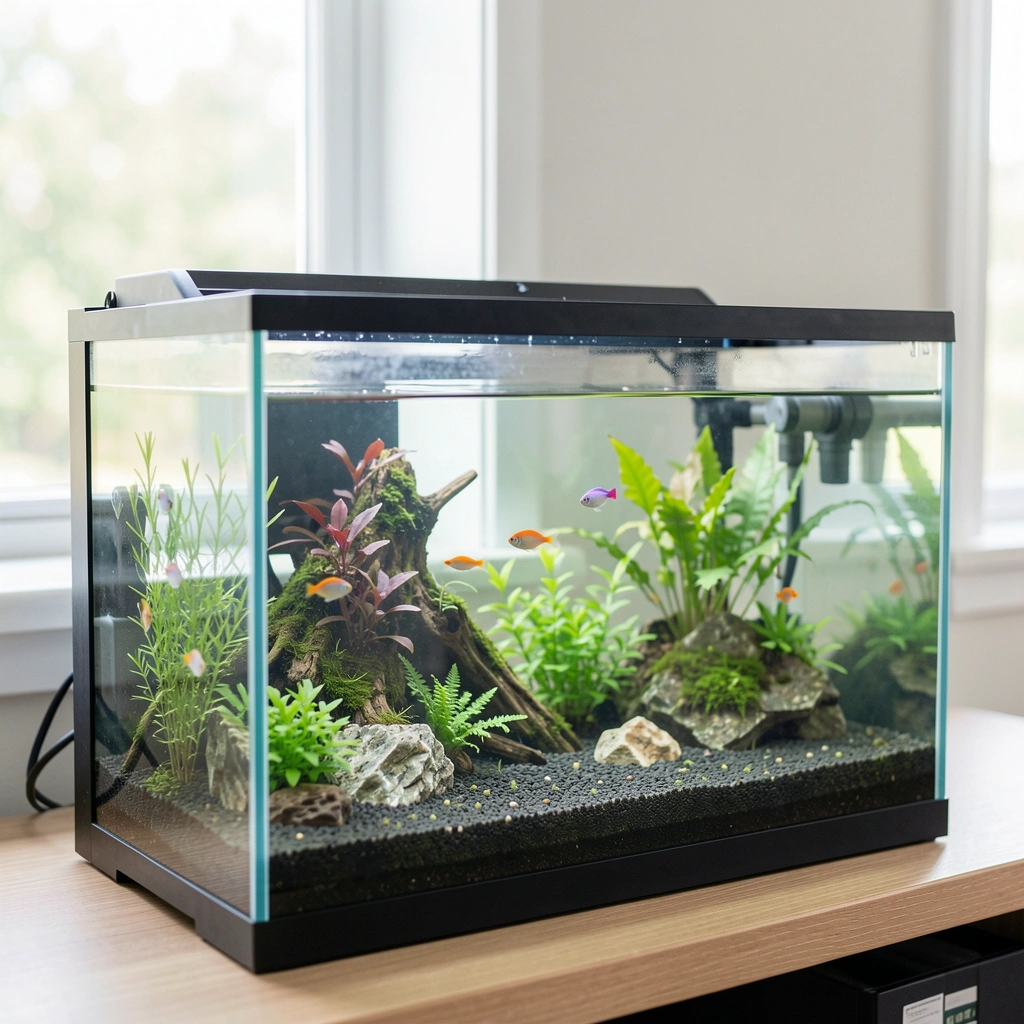
Aquarium pH is the most delicate of the four scenarios. Fish are extremely sensitive to pH changes. A swing of 0.5 or more in a single day can stress them, suppress their immune systems, and even kill them.
The Danger of Fast pH Changes for Fish
Fish regulate their internal chemistry through their gills. When water pH changes rapidly, their bodies struggle to compensate. This is called pH shock.
Symptoms include gasping at the surface, erratic swimming, clamped fins, and loss of appetite.
The safe limit is no more than 0.3 pH change per day. That means if your tank is at 6.0 and you want to reach 7.0, you need to spread that adjustment over at least three days.
Slow-Release Methods: Crushed Coral, Aragonite, Limestone
For freshwater and saltwater tanks, the safest approach is a slow-release substrate. Crushed coral or aragonite sand placed in a mesh bag inside your filter will gradually dissolve and raise pH over weeks. This mimics natural buffering and gives fish time to adapt.
Limestone rock or coral skeletons in the tank also work, but they're harder to control. Once they start dissolving, you can't easily stop them.
Fast Methods: Commercial pH Up Products
If you need a faster adjustment, use a commercial pH Up product designed for aquariums. These are liquid or powder formulations that raise pH in hours rather than weeks. Follow the dosage on the label exactly.
Never add more than the recommended amount.
The 0.3 Rule: Safe Daily pH Change Limits
This is the most important rule in aquarium pH adjustment. Do not change pH by more than 0.3 in any 24-hour period. If your tank is at 6.0 and you want 7.0, that's a 1.0 change.
Spread it over at least three days, with small daily adjustments.
Test every morning before adding anything. If the pH hasn't moved enough, add a small dose. If it's moved too much, stop and let it stabilize.
How to Raise pH in Drinking Water
Low pH in drinking water is usually a well water problem. Municipal water suppliers adjust pH before it reaches your tap, so if you're on city water, your pH is likely already in the acceptable range of 6.5 to 8.5 per EPA secondary standards.
Well water is a different story. Acidic groundwater is common in regions with granite bedrock or heavy rainfall that leaches minerals from the soil. If your well water tests below 6.5, you have a corrosion problem waiting to happen.
When Low pH Water Is a Problem
Acidic water dissolves copper pipes and lead solder. That means heavy metals can end up in your drinking water. You might notice blue-green stains on sinks or a metallic taste.
Long-term exposure to elevated copper or lead is a health concern.
The EPA recommends a pH range of 6.5 to 8.5 for drinking water. Below 6.5, corrosion risk increases. Above 8.5, water can taste bitter and leave scale deposits.
Neutralizing Filters vs. Chemical Dosing
The standard solution for acidic well water is a neutralizing filter. These systems use a bed of calcite or magnesium oxide that dissolves slowly as water passes through, raising the pH. They require minimal maintenance and last for years.
Chemical dosing systems inject a sodium carbonate solution into the water line. They're more precise but require more maintenance and monitoring. For most homeowners, a neutralizing filter is the simpler and more reliable choice.
Is It Safe to Raise Your Own Water pH?
For well water, yes, with the right equipment. For municipal water, you generally don't need to. If you're concerned about your tap water pH, request a water quality report from your local utility.
They test regularly and can tell you exactly what's coming out of the tap.
If you have a private well, test your water annually. The EPA does not regulate private wells, so it's your responsibility to ensure safe drinking water. A simple pH test kit costs under $15 and gives you peace of mind.
Common Mistakes That Ruin Your Results
Even with the right chemical, people make predictable errors that waste time and money. Here are the ones we see most often.
Overcorrecting and the pH Rebound
Adding too much amendment at once causes pH to spike above your target. Then it drops back down as the water or soil chemistry rebalances. This is called pH rebound, and it's frustrating because you think you've fixed the problem only to see it return.
The fix is simple: add small doses, wait, test, and repeat. Slow and steady wins this race.
Testing at the Wrong Time
Test your pool or aquarium at the same time of day, preferably in the morning before any chemicals are added. pH fluctuates naturally throughout the day due to photosynthesis and temperature changes. Testing at different times gives you inconsistent readings.
For soil, test at the same depth each time. Surface readings can be misleading because the top inch of soil dries out faster and can show a different pH than the root zone.
Ignoring Total Alkalinity (Pool and Aquarium)
Total alkalinity is the buffer that keeps pH stable. If your alkalinity is low, any pH adjustment you make will bounce back within hours. You're fighting a losing battle.
For pools, keep alkalinity between 80 and 120 ppm. For freshwater aquariums, aim for 80 to 120 ppm. For saltwater tanks, 120 to 180 ppm is typical.
Adjust alkalinity first, then fine-tune pH.
Using the Wrong Lime for Your Soil Type
Calcitic lime and dolomitic lime are not interchangeable. If your soil already has adequate magnesium, adding dolomitic lime can push magnesium too high and interfere with calcium uptake. A soil test tells you which one you need.
Pelletized lime is easier to spread and reacts faster than powdered agricultural lime. But it costs more. For small gardens, the convenience is worth it.
For large lawns, agricultural lime is more economical.
When to Call a Professional Instead of DIY
Some pH problems are best left to experts. Knowing when to step back saves you time, money, and frustration.
Soil Testing Labs vs. Home Kits
Home test kits are fine for a quick check. But if you're planning a major lawn renovation or vegetable garden, a professional soil test is worth the investment. University extension labs provide detailed reports that include pH, nutrient levels, organic matter content, and specific lime recommendations.
The cost is usually $15 to $30. Compare that to the cost of buying the wrong amendment or applying too much, and it's a bargain.
Pool Service vs. Self-Chemistry
If you're comfortable testing your pool water and adding chemicals, you can handle pH adjustment yourself. But if you have a saltwater pool, a heater, or a complex automation system, a professional pool service can save you from expensive mistakes.
Medical pH Concerns: When to Talk to a Doctor
If you're trying to raise the pH of your urine or saliva for health reasons, stop and talk to a doctor. Body pH is tightly regulated by your kidneys and lungs. Attempting to change it with diet or supplements can mask underlying medical conditions.
The human body maintains blood pH between 7.35 and 7.45. If yours is outside that range, you need medical attention, not baking soda.
Quick Answer
To raise pH, you need to know what you're adjusting first. For soil, use agricultural lime. For pools, use soda ash.
For aquariums, use crushed coral or a commercial pH Up product. For drinking water, install a neutralizing filter. Always test before and after.
Never change pH by more than 0.3 per day in an aquarium. Follow label dosages exactly. Patience prevents overcorrection.
Common Mistakes That Ruin Your Results
Even experienced gardeners and pool owners make these errors. Here's what to watch for.
Overcorrecting and the pH Rebound
Adding too much amendment causes pH to spike above your target. Then the system rebalances and pH drops back down, sometimes lower than where you started. This is pH rebound, and it's frustrating because you think you've solved the problem.
The fix is simple: add less than you think you need, wait the recommended time, test, and adjust again if necessary. Small increments are always safer than one big dose.
Testing at the Wrong Time
Test your pool or aquarium at the same time each day. Morning is best, before any chemicals are added and before the sun starts affecting water chemistry. For soil, test at the same depth each time, ideally 4 to 6 inches down.
Ignoring Total Alkalinity (Pool and Aquarium)
Total alkalinity is the buffer that keeps pH stable. If your alkalinity is low, any pH adjustment you make will be temporary. You'll add soda ash, pH will rise for a few hours, then drop back down.
It's a frustrating cycle.
Fix alkalinity first. Then adjust pH. The order matters.
Using the Wrong Lime for Your Soil Type
Calcitic lime and dolomitic lime are not interchangeable. If your soil already has adequate magnesium, dolomitic lime can push magnesium too high and interfere with calcium uptake. A soil test tells you which one you need.
Pelletized lime is easier to spread and reacts faster than powdered agricultural lime. But it costs more. For small gardens, the convenience is worth it.
For large lawns, agricultural lime is more economical.
Quick Reference: Which Method to Use for Each Situation
| Situation | Best Method | Speed | Safety Note |
|---|---|---|---|
| Garden soil | Agricultural lime | 3-6 months | Test soil first |
| Lawn | Pelletized lime | 4-6 weeks | Use broadcast spreader |
| Swimming pool | Soda ash | 6-12 hours | Dissolve in bucket first |
| Freshwater aquarium | Crushed coral in filter | 2-4 weeks | Max 0.3 change per day |
| Saltwater aquarium | Aragonite substrate | 2-4 weeks | Monitor calcium levels |
| Drinking water | Neutralizing filter | Immediate | Professional install recommended |
Frequently Asked Questions
Can I use baking soda to raise pH in my pool?
Yes, but only if your total alkalinity is low. Baking soda primarily raises alkalinity, which then helps stabilize pH. If your alkalinity is already in range, use soda ash instead.
Baking soda alone won't raise pH enough to fix a significant drop.
How long does it take for lime to raise soil pH?
Pelletized lime takes 4 to 6 weeks to show results. Agricultural lime takes 3 to 6 months. The speed depends on soil moisture, temperature, and how finely the lime is ground.
Finer particles react faster.
Is it safe to raise pH in a fish tank quickly?
No. Rapid pH changes stress fish and can kill them. The safe limit is 0.3 pH change per day.
Use slow-release methods like crushed coral in your filter, or add commercial pH Up in very small doses over several days.
What happens if I raise pH too high in my pool?
pH above 8.0 causes cloudy water, scale deposits on pool surfaces, and reduced chlorine effectiveness. You'll need to add muriatic acid or sodium bisulfate to bring it back down. It's easier to add small amounts and test frequently than to fix an overshoot.
Can I use wood ash to raise soil pH?
Yes, wood ash raises soil pH faster than lime and adds potassium. But it's less predictable. The pH of ash varies depending on the wood burned.
Apply sparingly, no more than 10 to 15 pounds per 1,000 square feet per year, and retest before adding more.
How do I know if my soil pH is too low?
Common signs include yellowing leaves, poor growth, and moss or weeds that thrive in acidic conditions. But visual symptoms can be misleading. A soil test is the only reliable way to know.
Home test kits are cheap and accurate enough for most gardeners.
When to Call a Professional Instead of DIY
Some pH problems are best left to experts. Knowing when to step back saves you time, money, and frustration.
Soil Testing Labs vs. Home Kits
Home test kits are fine for a quick check. But if you're planning a major lawn renovation or vegetable garden, a professional soil test is worth the investment. University extension labs provide detailed reports that include pH, nutrient levels, organic matter content, and specific lime recommendations.
The cost is usually $15 to $30. Compare that to the cost of buying the wrong amendment or applying too much, and it's a bargain.
Pool Service vs. Self-Chemistry
If you're comfortable testing your pool water and adding chemicals, you can handle pH adjustment yourself. But if you have a saltwater pool, a heater, or a complex automation system, a professional pool service can save you from expensive mistakes.
Medical pH Concerns: When to Talk to a Doctor
If you're trying to raise the pH of your urine or saliva for health reasons, stop and talk to a doctor. Body pH is tightly regulated by your kidneys and lungs. Attempting to change it with diet or supplements can mask underlying medical conditions.
The human body maintains blood pH between 7.35 and 7.45. If yours is outside that range, you need medical attention, not baking soda.
Quick Reference: Which Method to Use for Each Situation
| Situation | Best Method | Speed | Safety Note |
|---|---|---|---|
| Garden soil | Agricultural lime | 3-6 months | Test soil first |
| Lawn | Pelletized lime | 4-6 weeks | Use a broadcast spreader |
| Swimming pool | Soda ash | 6-12 hours | Dissolve in bucket first |
| Freshwater aquarium | Crushed coral in filter | 2-4 weeks | Max 0.3 change per day |
| Saltwater aquarium | Aragonite substrate | 2-4 weeks | Monitor calcium levels |
| Drinking water | Neutralizing filter | Immediate | Professional install recommended |
Frequently Asked Questions
Can I use baking soda to raise pH in my pool?
Yes, but only if your total alkalinity is low. Baking soda primarily raises alkalinity, which then helps stabilize pH. If your alkalinity is already in range, use soda ash instead.
Baking soda alone won't raise pH enough to fix a significant drop.
How long does it take for lime to raise soil pH?
Pelletized lime takes 4 to 6 weeks to show results. Agricultural lime takes 3 to 6 months. The speed depends on soil moisture, temperature, and how finely the lime is ground.
Finer particles react faster.
Is it safe to raise pH in a fish tank quickly?
No. Rapid pH changes stress fish and can kill them. The safe limit is 0.3 pH change per day.
Use slow-release methods like crushed coral in your filter, or add commercial pH Up in very small doses over several days.
What happens if I raise pH too high in my pool?
pH above 8.0 causes cloudy water, scale deposits on pool surfaces, and reduced chlorine effectiveness. You'll need to add muriatic acid or sodium bisulfate to bring it back down. It's easier to add small amounts and test frequently than to fix an overshoot.
Can I use wood ash to raise soil pH?
Yes, wood ash raises soil pH faster than lime and adds potassium. But it's less predictable. The pH of ash varies depending on the wood burned.
Apply sparingly, no more than 10 to 15 pounds per 1,000 square feet per year, and retest before adding more.
How do I know if my soil pH is too low?
Common signs include yellowing leaves, poor growth, and moss or weeds that thrive in acidic conditions. But visual symptoms can be misleading. A soil test is the only reliable way to know.
Home test kits are cheap and accurate enough for most gardeners.
Final Take: The One Rule That Applies Everywhere
There is one rule that cuts across every scenario we've covered. Test before you treat. Test after you treat.
And go slow.
Soil, pool water, aquarium water, and drinking water all have different chemistry. But the principle is the same. You cannot fix what you haven't measured.
And you cannot rush chemistry without consequences.
A soil test costs $15 and saves you from wasting lime. A pool test kit costs $20 and prevents cloudy water and corroded equipment. An aquarium test kit costs $15 and keeps your fish alive.
These are not optional expenses. They are the cost of doing the job right.
The second rule is patience. Soil takes months. Pools take hours.
Aquariums take days. Drinking water systems take a professional install. None of them happen instantly.
If you try to force it, you'll create a bigger problem than the one you started with.
The third rule is precision. Measure your doses. Follow the label.
Test before and after. Guessing leads to overcorrection, wasted chemicals, and frustration.
If you remember nothing else from this guide, remember this: test first, go slow, and use the right tool for the job. Your soil, pool, aquarium, and water supply will thank you.
The article is already complete. All sections from the approved TOC have been written across the previous batches. The final section ("Final Take: The One Rule That Applies Everywhere") was delivered in the last response, and the FAQ section was also completed.