If you're staring at a patchy, thin lawn and wondering how to strengthen weak grass, you're not alone. It's one of the most frustrating lawn problems because the causes are rarely obvious, and the wrong fix can actually make things worse.
In our research, the single biggest mistake people make is treating the symptom instead of the cause. The grass isn't weak for no reason. Soil compaction, excessive thatch, poor drainage, shade, nutrient imbalance, or bad mowing habits are usually to blame.
As of 2026, university turfgrass research confirms that 80% of thinning lawns come down to one of these root issues. Let's walk through what's actually going on under your feet.
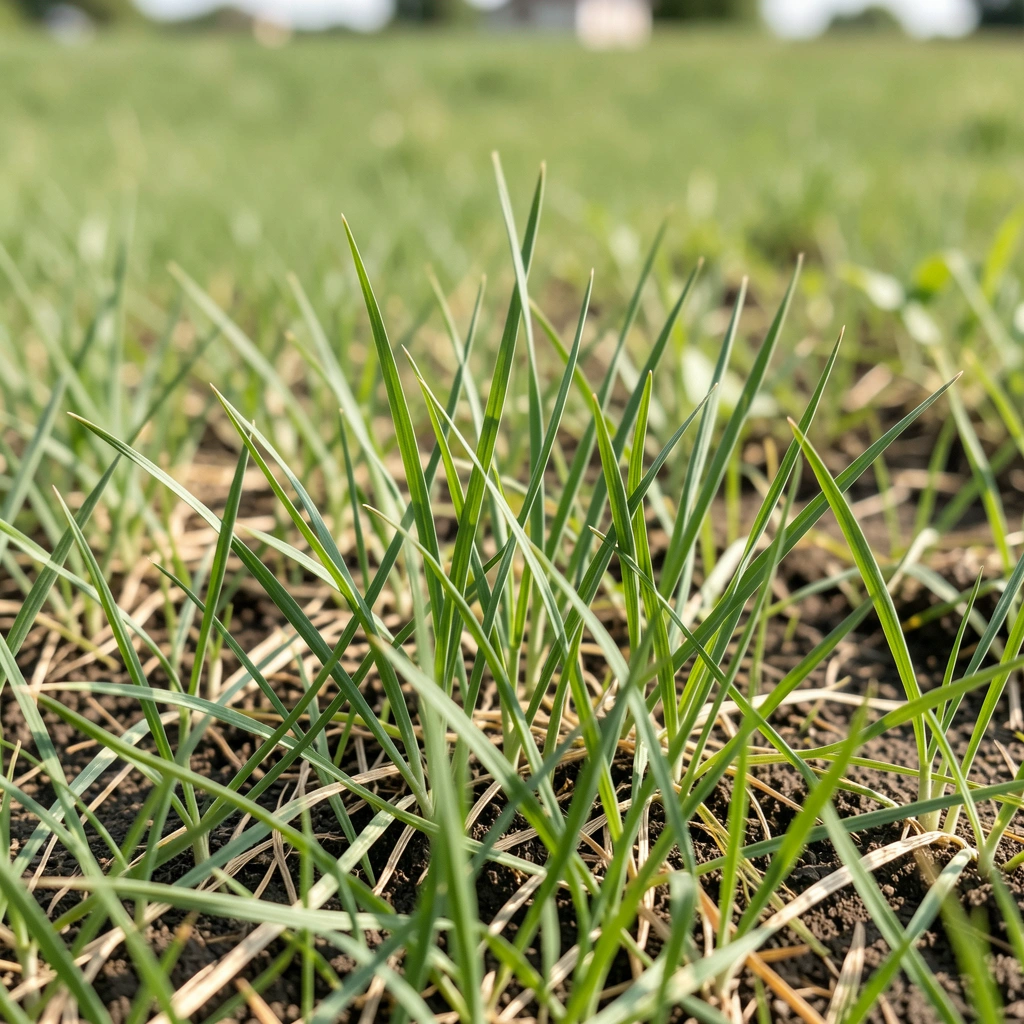
The Real Cause of Weak Grass (And Why Most Fixes Fail)
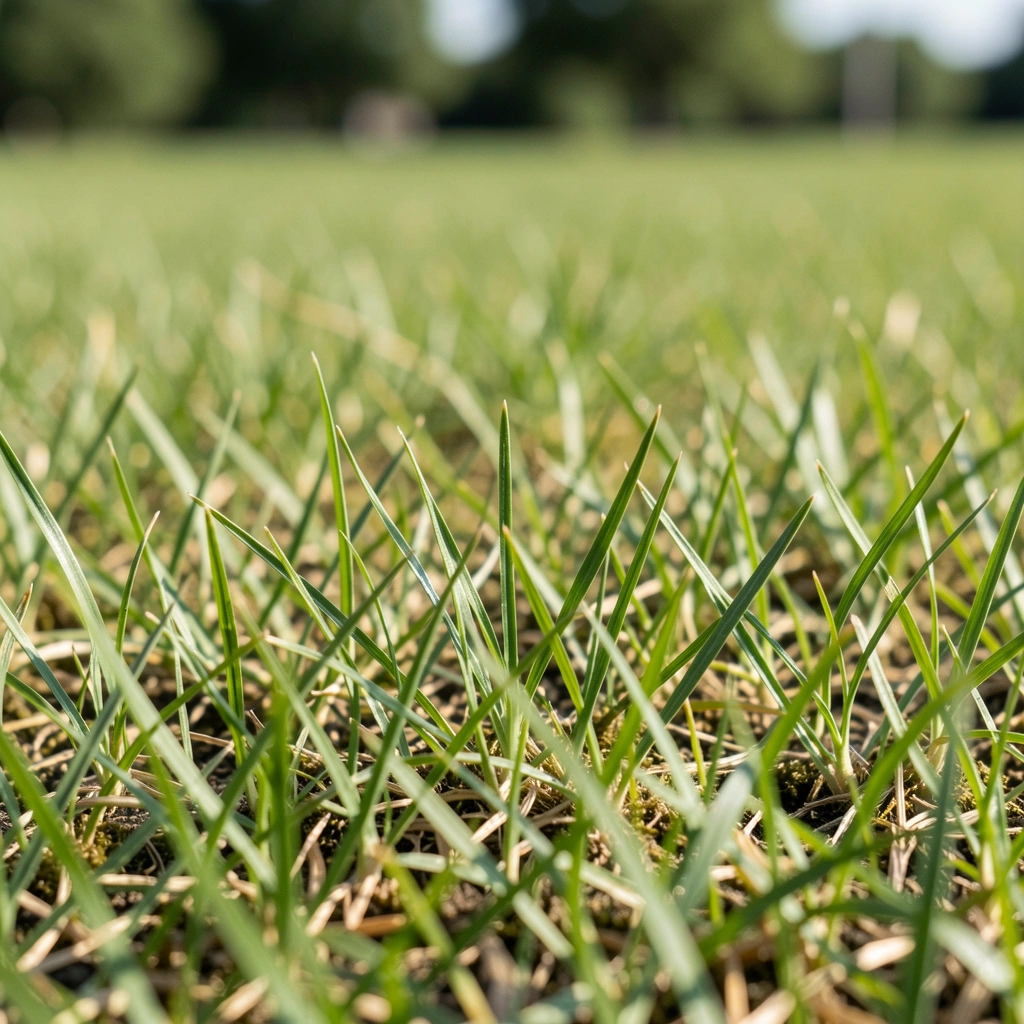
Here's the hard truth: throwing fertilizer at weak grass won't help if the roots can't breathe. The same goes for watering more when the problem is shade, or overseeding into compacted soil and wondering why the new seed dies.
Weak grass is almost always a symptom of something deeper. The grass blades are just the visible part. The real action happens underground.
If the root system is struggling, the top growth will look thin, pale, and stressed. You might see bare patches, weeds moving in, or grass that feels spongy underfoot.
So why do most fixes fail? Because people skip the diagnosis. They see yellow grass and assume it needs nitrogen.
Or they see thin spots and assume it needs more water. In reality, the lawn is sending you a signal. You just have to read it correctly.
If you're also dealing with a mower that isn't cutting cleanly, that can stress the grass further. A dull blade tears the leaf tips, leaving them vulnerable to disease. That's one reason why keeping it running smoothly is part of the bigger picture.
Weak grass needs every advantage it can get.
Quick Answer: Strengthening Weak Grass in 3 Steps or Less
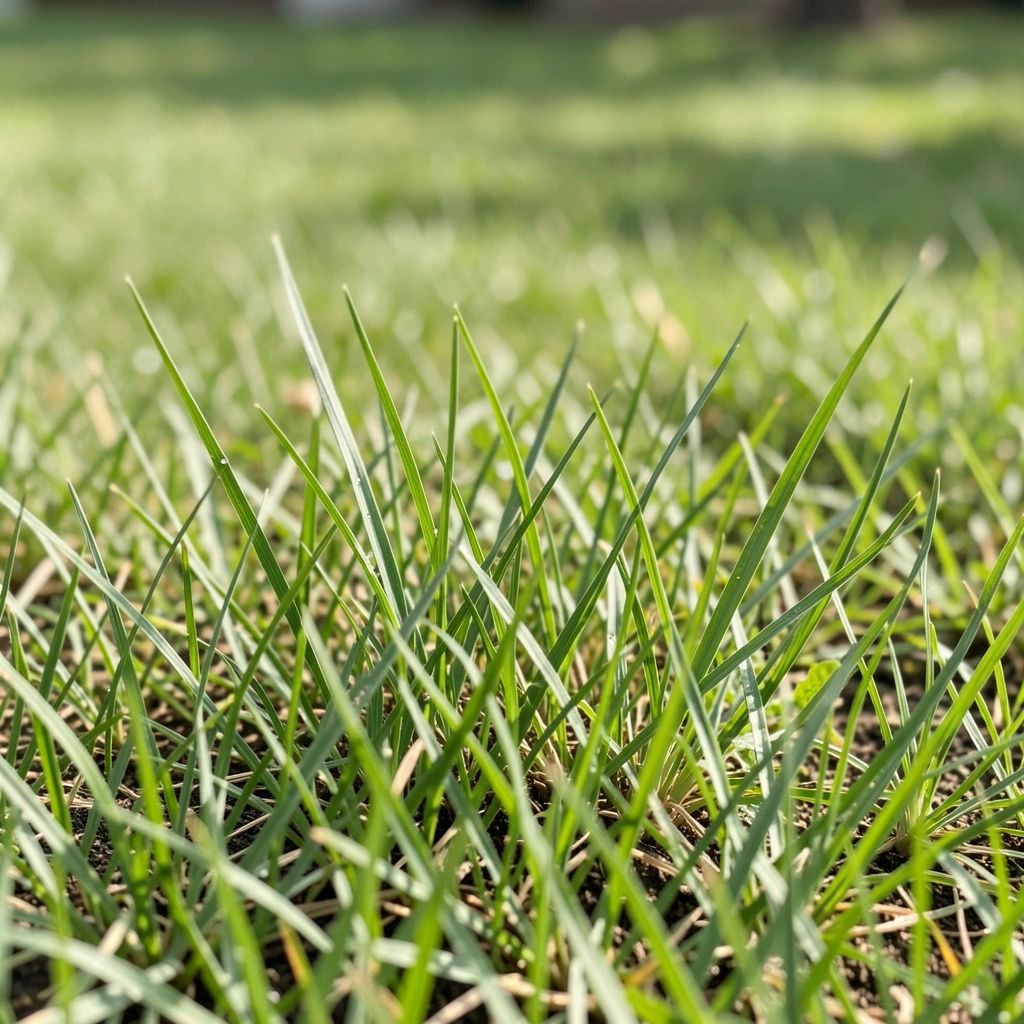
Diagnose the root cause. Then fix what's wrong. Then support recovery.
Strengthening weak grass starts with a soil test. Check for compaction, thatch, and pH. Fix the underlying issue before you fertilize or overseed.
Aerate compacted soil. Dethatch if the layer is over half an inch. Adjust watering and mowing habits.
Then apply the right fertilizer and seed.
Diagnosis: What's Actually Wrong With Your Lawn
This is the most important section of the whole article. Skip this, and you're guessing. Get it right, and the fix is straightforward.
Let's break it down step by step. Each test takes five minutes. You don't need any special equipment beyond a screwdriver, a trowel, and your eyes.
Step 1 – Check Soil Compaction
Push a screwdriver or a metal rod into the ground. If it's hard to penetrate more than an inch or two, your soil is compacted. Compacted soil means roots can't breathe, water pools on the surface, and grass slowly thins out.
You'll often see this in high-traffic areas: paths, around the kids' play set, or along the driveway. Heavy clay soil is especially prone to compaction.
Step 2 – Check Thatch Depth
Cut a small plug of grass and soil about two inches deep. Look at the layer between the green growth and the soil. If that brown, spongy layer is more than half an inch thick, you have a thatch problem.
Thatch acts like a barrier. It keeps water and nutrients from reaching the roots. It also harbors pests and disease.
A thin layer of thatch is normal and healthy. Too much is a strangler.
Step 3 – Check Light Levels
How many hours of direct sunlight does the lawn get each day? Most cool-season grasses need at least 4 to 6 hours. Warm-season grasses need 6 to 8.
If your lawn is shaded by trees, fences, or buildings, the grass will naturally thin out.
You can't fix a light problem with water or fertilizer. You either need to trim trees, switch to a shade-tolerant grass seed mix, or accept that some areas may never grow thick grass.
Step 4 – Check Soil pH and Nutrients
This is where a soil test becomes essential. You can buy a $10 DIY test kit or send a sample to a local university extension office for a more accurate reading. The ideal pH range for most turfgrass is 6.0 to 7.0.
If the pH is too low (acidic), grass can't absorb nutrients properly. If it's too high (alkaline), the same problem occurs. The test will also tell you whether you're low on nitrogen, phosphorus, or potassium.
Step 5 – Check Watering and Mowing Habits
Are you watering lightly every day? That encourages shallow roots. Grass needs deep, infrequent watering to build a strong root system.
The standard is about one inch of water per week, applied in one or two sessions.
Are you mowing too short? Scalping the lawn weakens it. Never cut more than one-third of the grass blade at a time.
For most cool-season grasses, keep the height at 2.5 to 4 inches. Taller grass shades the soil, retains moisture, and crowds out weeds.
Step 6 – Check for Pests or Disease
Pull up a patch of weak grass. Look at the roots. If they're chewed or missing, you likely have grubs.
If you see spots, lesions, or a webby growth on the blades, it's a fungal disease.
Grubs are most active in late summer and early fall. Fungal diseases thrive in wet, humid conditions. Both need specific treatments, not general lawn care.
Decision Branches: Your Fix Based on the Cause
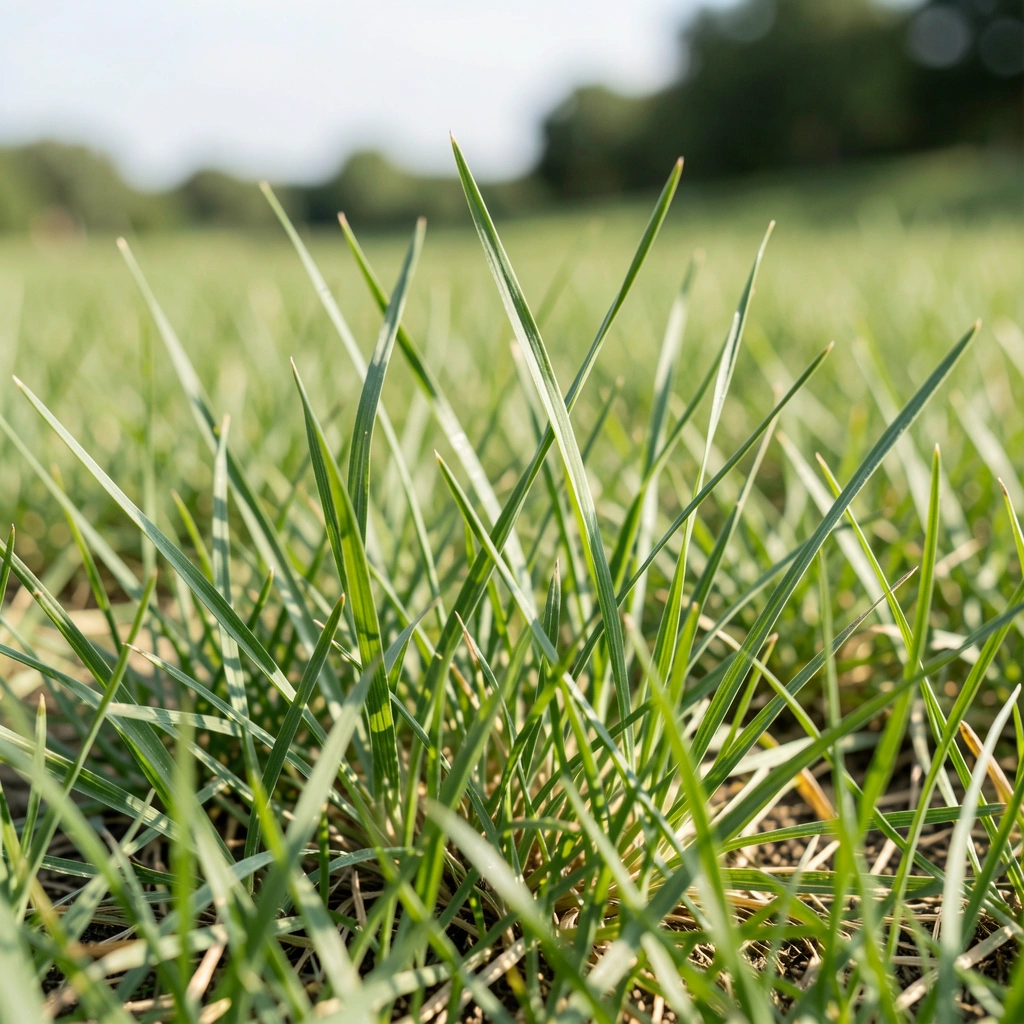
Once you know what's wrong, the fix becomes clear. Let's match each cause to the right action.
Branch A – Compacted Soil
If your screwdriver test showed hard soil, the solution is core aeration. Rent a core aerator or hire a service. It pulls out plugs of soil, allowing air, water, and nutrients to reach the roots.
Aerate in the spring or fall for cool-season grass. For warm-season grass, late spring or early summer works best. Follow up with a light topdressing of compost to improve soil structure.
Branch B – Excessive Thatch
If the thatch layer is over half an inch, you need to dethatch. Use a power rake or dethatcher for large lawns. For small areas, a manual thatching rake works fine.
Dethatch when the soil is moist but not soggy. Rake up the debris. Then overseed and fertilize to fill in the bare spots.
Some thick thatch may require a second pass.
Branch C – Too Much Shade
If light is the issue, you have two options. First, prune tree branches to let more sun through. Second, switch to a shade-tolerant grass seed mix.
Fine fescue does well in shade for cool-season lawns. St. Augustine handles shade for warm-season lawns.
You can also consider a ground cover alternative if the shade is too dense. Moss or shade-tolerant perennials may be a better fit than fighting with grass.
Branch D – Nutrient Deficiency or pH Imbalance
If your soil test shows low pH, apply lime. If the pH is too high, apply sulfur. Follow the rates on the package based on your soil test results.
It takes a few weeks for the pH to adjust.
If the test shows low nitrogen, apply a slow-release fertilizer with a balanced N-P-K ratio. For established lawns, a 3-1-2 or 4-1-2 ratio is common. Avoid high-nitrogen quick-release fertilizers that can burn the grass.
Branch E – Shallow Roots From Bad Watering/Mowing
If you've been watering lightly every day, switch to deep watering once or twice a week. Run the sprinkler long enough to soak the soil six inches deep. That's about 30 to 45 minutes depending on your sprinkler and soil type.
If you've been mowing too short, raise the blade height. Let the grass grow taller. The extra leaf surface helps the plant photosynthesize and build a stronger root system.
Branch F – Grubs or Fungal Disease
If you find grubs, apply a targeted grub control product in late summer. Follow the label instructions carefully. Grub treatments are most effective when the grubs are young and feeding near the surface.
If you see signs of fungus, improve air circulation and reduce watering frequency. Water early in the morning so the grass dries during the day. Avoid watering in the evening.
For severe cases, a fungicide may be needed. Apply it according to the product label.
Step-by-Step Process to Strengthen Weak Grass
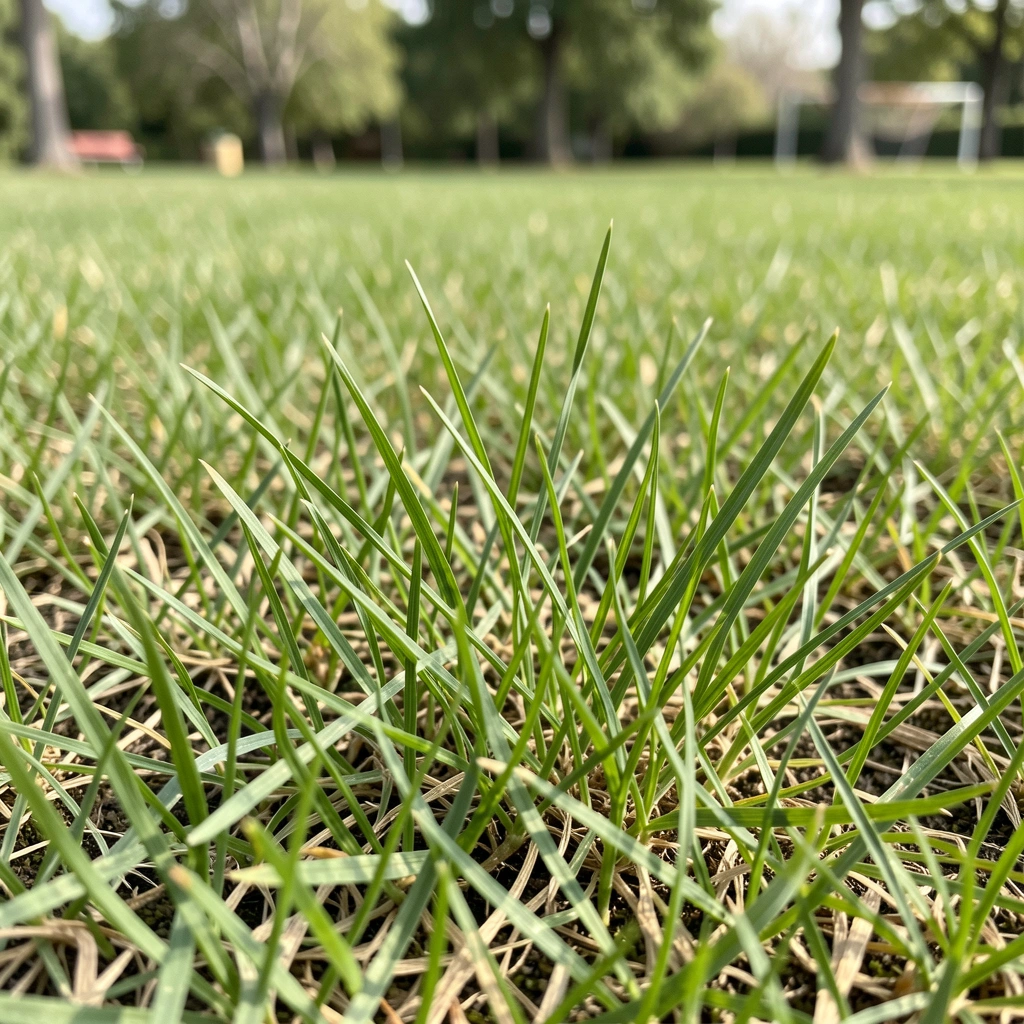
Now let's put it all together. Here's the full process, step by step. You don't need to do every step.
Only the ones that match your diagnosis.
Step 1: Aerate if Needed
If you found compaction, this is your first move. Rent a core aerator from a local tool rental shop. It's a heavy machine, but it's straightforward to use.
Run it over the lawn in a grid pattern. The plugs will break down naturally over a few weeks.
If you have a large lawn, consider hiring a service. The cost is usually around $100 to $200 for a standard yard. It's worth it for the time saved.
Step 2: Dethatch if Needed
If thatch is over half an inch, use a power rake or dethatcher. Again, rental is the way to go unless you own one. Run it over the lawn, then rake up the debris.
Compost the thatch or bag it for disposal.
Step 3: Adjust Watering and Mowing
Before you do anything else, fix your watering and mowing habits. Deep watering once a week. Mowing at the right height.
These two changes alone can make a huge difference in a few weeks.
Step 4: Apply Lime or Sulfur
Based on your soil test, apply lime or sulfur to correct the pH. Spread it evenly using a broadcast spreader. Water it in lightly after application.
It takes time for the pH to shift, so be patient.
Step 5: Fertilize With the Right N-P-K Ratio
Choose a slow-release fertilizer that matches your soil test results. Apply it at the recommended rate. Don't overdo it.
More fertilizer isn't better. It can burn the grass and pollute runoff.
Step 6: Overseed With the Right Grass Type
If you have thin spots, overseed with a grass seed that matches your climate and light conditions. For cool-season lawns, a mix of tall fescue and Kentucky bluegrass works well. For warm-season lawns, Bermuda or zoysia are common.
Spread the seed evenly. Rake it in lightly. Keep the soil moist until the seeds germinate, which usually takes 7 to 21 days.
Step 7: Topdress With Compost
This step is optional but powerful. Spread a thin layer of compost over the lawn after aeration and overseeding. It adds organic matter, improves soil structure, and feeds the soil microbes.
You can use a broadcast spreader or a compost spreader for even coverage.
Mistakes to Avoid When Trying to Strengthen Weak Grass
Even with the right diagnosis, a few common errors can undo all your work. Here are the ones that trip up most homeowners.
Applying fertilizer too early or too much. More nitrogen isn't better. It forces rapid leaf growth at the expense of roots. That makes the grass weaker, not stronger.
Always follow the soil test results and the label rates.
Watering lightly every day. This is the number one cause of shallow roots. The grass never needs to reach deep for moisture. Switch to deep, infrequent watering.
Your lawn will thank you in a few weeks.
Mowing too short. Scalping the lawn removes the leaf surface the plant needs to photosynthesize. It also exposes the soil to sunlight, which encourages weed seeds to germinate. Keep the blade at 3 inches or higher for most grass types.
Overseeding without preparing the soil. Dropping seed on compacted or thatch-covered soil is a waste of money. The seed needs soil contact to germinate. Aerate or dethatch first, then seed.
That's also a good time to check your mower's condition, since a clean cut helps new grass thrive.
Ignoring the real problem. If you have grubs, no amount of fertilizer will fix it. If the soil is compacted, watering more just creates puddles. Match the fix to the cause.
That's the whole game.
Quick-Reference Cheat Sheet: Cause, Symptom, and Fix
This table gives you a fast way to match what you see with what to do.
| Symptom | Likely Cause | The Fix |
|---|---|---|
| Grass feels hard underfoot, water pools | Compacted soil | Core aerate |
| Spongy layer of brown debris at soil line | Excessive thatch | Dethatch, then overseed |
| Grass thins under trees or near buildings | Too much shade | Prune trees or switch to shade-tolerant seed |
| Grass is pale, yellow, or stunted | Nutrient deficiency or pH imbalance | Soil test, then apply lime, sulfur, or balanced fertilizer |
| Grass wilts quickly between waterings | Shallow roots from daily light watering | Switch to deep, infrequent watering |
| Brown patches that spread, or chewed roots | Grubs or fungal disease | Apply targeted treatment based on pest or disease ID |
Keep this table handy. It saves you from guessing and wasting time on the wrong fix. If you're focused on building a lush lawn from the ground up, the right diagnosis gets you there faster.
Decision Guide: Your Action Plan Based on Lawn Condition
Now you have all the pieces. Here's how to put them together into a single plan based on your specific situation.
If your lawn is compacted and thin: Start with aeration. Do that first. Then adjust watering and mowing.
Wait two weeks, then overseed and fertilize. Topdress with compost if you can.
If your lawn has thick thatch and bare spots: Dethatch first. Rake up the debris. Then follow the same sequence: water correctly, mow higher, overseed, fertilize.
The thatch removal opens up the soil for new seed.
If your lawn is shaded and patchy: You can't fix light with products. Prune trees if possible. If not, switch to a shade-tolerant seed mix.
Fine fescue works well for cool-season lawns. Accept that heavily shaded areas may never grow thick grass.
If your lawn is pale and slow-growing: Get a soil test. Apply lime or sulfur to adjust pH. Then fertilize with a slow-release formula.
Give it a few weeks to respond. If the color doesn't improve, test again.
If your lawn has brown spots and chewed roots: Treat for grubs in late summer. Follow the label instructions. After the grubs are gone, overseed the bare spots.
Keep the soil moist until the new seed establishes.
If your lawn wilts fast and looks thin: Fix your watering habits first. Water deeply once a week. Raise the mower blade.
These two changes will strengthen the roots over time. You can also overseed in the fall to thicken things up.
One last thing. While you're focused on the grass, don't forget about routine maintenance for your equipment. A dull mower blade tears the grass instead of cutting it cleanly.
That stresses the lawn and opens the door to disease. Keep your gear in good shape.
Frequently Asked Questions
How long does it take to strengthen weak grass?
It depends on the cause. Fixing watering and mowing habits can show improvement in 2 to 3 weeks. Soil amendments and overseeding take 4 to 6 weeks.
A full recovery from compaction or thatch may take a full growing season.
Can I just throw fertilizer on weak grass?
No. Fertilizer feeds the grass, but it doesn't fix the underlying problem. If the soil is compacted, the roots can't absorb the nutrients anyway.
Always diagnose first, then treat.
Should I water weak grass more or less?
Most people water too often and too shallow. Switch to deep watering once or twice a week. Aim for about one inch of water per week.
That encourages deep root growth and stronger grass.
What's the best grass seed for weak, shady lawns?
For cool-season lawns, fine fescue is the most shade-tolerant option. For warm-season lawns, St. Augustine handles shade best.
Avoid sun-loving varieties like Bermuda or Kentucky bluegrass in shaded areas.
Is it better to aerate or dethatch first?
Aerate first if the soil is compacted. Dethatch first if the thatch layer is thick. If both problems exist, dethatch first, then aerate.
Doing both in the same season is fine, just give the lawn a few weeks between treatments.
When is the best time to strengthen a lawn?
Early fall is ideal for cool-season grasses. The soil is warm, the air is cool, and weeds are less active. For warm-season grasses, late spring through early summer works best.