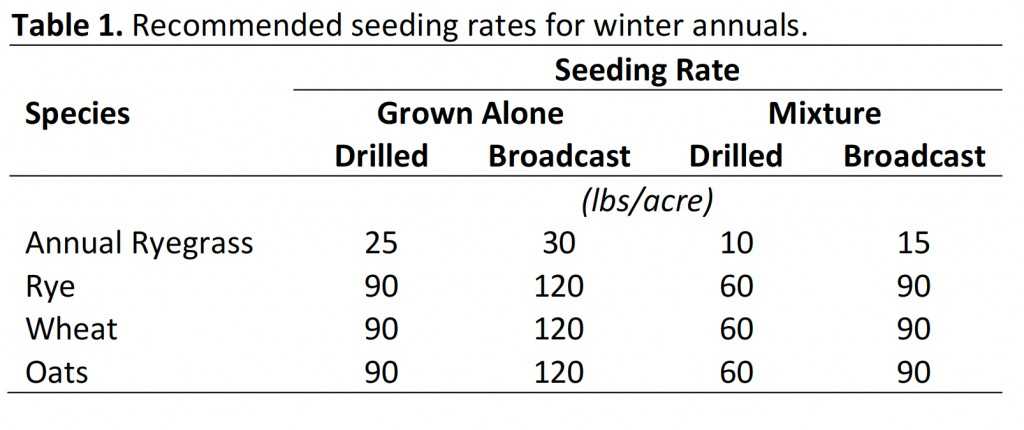
The recommended amount of ryegrass seed per acre is 20-30 pounds. Ryegrass is a popular grass species that is widely used for pasture, hay, and erosion control. It is known for its quick establishment, high productivity, and ability to withstand grazing. However, determining the right amount of ryegrass seed to sow per acre can be a challenge for many farmers and landowners. In this blog article, we will explore the factors that influence the seeding rate of ryegrass and provide practical tips to help you achieve optimal results. Whether you’re a seasoned farmer or just starting out, this guide will give you the knowledge and confidence to make informed decisions about how much ryegrass seed to use per acre. So, let’s dive in and uncover the secrets to successful ryegrass establishment!

Ryegrass Seed Per Acre: All You Need to Know
Growing ryegrass can be a beneficial addition to your farming or landscaping practices. Whether you’re aiming to improve pasture quality, enhance soil erosion control, or simply add aesthetic appeal to your lawn, understanding the appropriate ryegrass seed per acre is key to achieving successful results. In this article, we’ll dive deep into the world of ryegrass seeding rates, exploring factors that influence the amount of seed required, common ryegrass varieties, and the benefits of proper seed rates.
Factors Influencing Ryegrass Seed Rates
Determining the ideal ryegrass seed rate per acre depends on several factors that can vary depending on the specific application. By considering these factors, you can tailor your seeding plan to maximize the success of establishing a healthy ryegrass stand.
1. Ryegrass Variety
Different ryegrass varieties have unique characteristics, including variations in seed size, germination rates, and growth habits. These distinctions influence the recommended seeding rate per acre. It is essential to select the most suitable ryegrass variety for your specific needs and understand its associated seeding requirements.
2. Purpose
The intended purpose of your ryegrass planting plays a significant role in determining the seed rate per acre. Are you sowing ryegrass for forage, erosion control, or turf establishment? Each purpose requires a different seed density to achieve optimal results.
3. Soil Conditions
The quality and condition of the soil impact the ryegrass seed rate. Factors such as soil fertility, pH levels, and organic matter content can affect seed germination and establishment. Conducting a soil test prior to seeding will provide valuable information to determine the appropriate ryegrass seeding rate per acre.
4. Environmental Factors
Climate and location factors, such as temperature, rainfall, and sunlight availability, also influence the ryegrass seed rate. Areas with higher precipitation or colder temperatures may require higher seeding rates to compensate for potential establishment challenges.
Recommended Ryegrass Seeding Rates
While specific seeding rates may vary depending on the aforementioned factors, the following general guidelines can serve as a starting point for your ryegrass seeding endeavors:
1. Pasture and Forage Establishment
When establishing ryegrass for pasture or forage purposes, it is crucial to ensure sufficient seed density for optimal grazing or hay production. Recommended ryegrass seeding rates for forage production typically range from 15 to 30 pounds per acre, depending on the specific ryegrass variety and intended usage.
2. Erosion Control
Ryegrass serves as an effective tool for soil erosion control, particularly in areas prone to erosion or disturbed soils. The suggested seed rate for erosion control purposes ranges from 20 to 40 pounds per acre. Higher rates are generally recommended in more challenging environmental conditions or on steep slopes.
3. Turf Establishment
If you’re aiming to establish a lush green ryegrass turf, it is essential to adhere to the recommended seeding rates. For turf applications, a seeding rate of 8 to 12 pounds per acre is commonly suggested to ensure a dense and visually appealing lawn.
Selecting the Right Ryegrass Variety
Choosing the appropriate ryegrass variety is crucial to achieving the desired outcomes when sowing ryegrass per acre. Here are a few popular ryegrass varieties known for their versatility and adaptability:
1. Annual Ryegrass (Lolium multiflorum)
Annual ryegrass is a popular choice for temporary forage and quick establishment. It germinates rapidly and can provide abundant forage within a short period. Recommended seeding rates for annual ryegrass range from 20 to 30 pounds per acre, depending on the purpose.
2. Perennial Ryegrass (Lolium perenne)
Perennial ryegrass is known for its persistent growth and excellent grazing capacity. It offers high-quality forage and is often used in pastures and hay production systems. Recommended seeding rates for perennial ryegrass range from 15 to 25 pounds per acre.
3. Winter Ryegrass (Lolium multiflorum)
Winter ryegrass is an excellent choice for winter pasture or forage production. Its ability to thrive in cooler temperatures makes it suitable for regions with mild winters. Seeding rates typically range from 15 to 25 pounds per acre.
Benefits of Proper Ryegrass Seed Rates
Understanding and implementing appropriate ryegrass seed rates can yield a host of benefits, ensuring successful establishment and long-term performance:
- Promotes vigorous early growth, aiding in the development of a dense stand
- Enhances forage production, providing ample grazing options for livestock
- Minimizes weed competition by densely covering the soil surface
- Reduces soil erosion, protecting vulnerable areas and preventing sediment runoff
- Creates visually appealing turf for landscaping purposes
- Improves soil health through the addition of organic matter from ryegrass root systems
Determining the appropriate ryegrass seed rate per acre is crucial for achieving successful outcomes in various applications, including forage production, erosion control, and turf establishment. By considering factors such as ryegrass variety, purpose, soil conditions, and environmental factors, you can tailor your seeding plan to maximize efficiency and ensure a thriving ryegrass stand. Understanding the benefits of proper seed rates will help you unlock the full potential of ryegrass in your farming or landscaping practices.
Growing Ryegrass for Forage
Frequently Asked Questions
What is the recommended rate of ryegrass seed per acre?
The recommended rate of ryegrass seed per acre varies depending on various factors such as soil fertility, desired grass density, and the specific variety of ryegrass being used. It is generally recommended to sow ryegrass at a rate of 15-20 pounds of seed per acre for overseeding purposes, or 25-30 pounds per acre for establishing a new stand. It is advisable to consult with a local agricultural extension or seed supplier for specific seed rate recommendations based on your location and intended use.
How deep should ryegrass seeds be planted?
Ryegrass seeds should be planted at a depth of approximately ¼ to ½ inch. Planting the seeds too deep may result in poor germination, as ryegrass is a relatively small seed. Shallow planting ensures that the seeds are in close contact with the soil and have access to the necessary moisture for successful establishment. It is important to prepare the seedbed properly by removing any debris or large clumps to ensure good seed-to-soil contact.
When is the best time to sow ryegrass seed?
The optimal time to sow ryegrass seed depends on the specific climate and growing conditions in your region. In general, it is recommended to sow ryegrass seed in late summer to early fall, as this allows the seed to germinate and establish before winter. However, in warmer climates, ryegrass can also be sown in early spring. Avoid sowing ryegrass seed during extreme temperature periods or when the soil is excessively wet.
Can ryegrass be overseeded into an existing lawn?
Yes, ryegrass can be overseeded into an existing lawn to enhance its appearance during the cooler months. The process involves spreading ryegrass seed over the existing lawn and lightly raking it in to ensure good seed-to-soil contact. However, it is important to prepare the lawn beforehand by mowing it short and removing any debris or thatch that may hinder the seed-to-soil contact. Regular watering and proper maintenance practices are crucial for successful overseeding.
How long does it take for ryegrass seed to germinate?
The germination time for ryegrass seed can vary depending on factors such as temperature, moisture, and the specific variety being used. Generally, ryegrass seeds germinate within 7-14 days under optimal conditions. It is important to provide adequate moisture during this period to facilitate germination. Regular watering and monitoring of soil moisture levels are essential for successful and timely seed germination.
Final Thoughts
In conclusion, determining the appropriate ryegrass seed per acre is crucial for achieving optimal results in agriculture. The recommended quantity varies depending on various factors such as soil conditions, climate, and intended use. By carefully considering these factors and consulting with experts, farmers can determine the ideal ryegrass seed per acre to achieve desired outcomes in terms of yield, grass quality, and weed suppression. Additionally, regularly monitoring and adjusting the seeding rate as necessary can help maintain a healthy and productive ryegrass stand. Overall, proper planning and implementation of the right seed rate per acre ensure successful ryegrass cultivation.