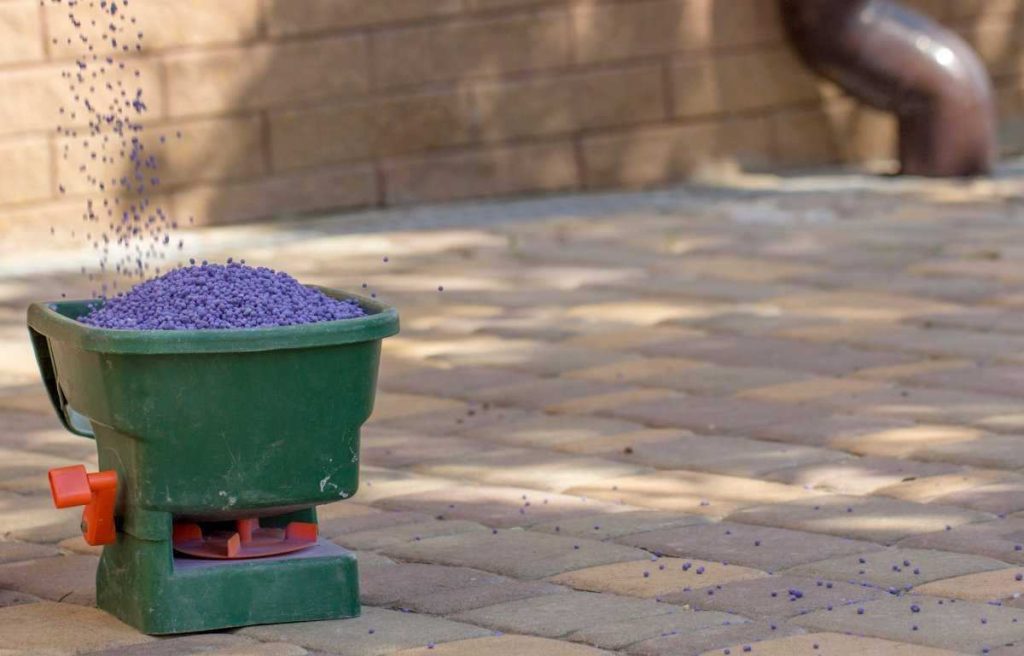
For a lush, green Kentucky bluegrass lawn, fertilize roughly three times a year—spring, summer, and fall—to keep it healthy and vibrant. Consistent feeding ensures your grass stays resilient, dense, and beautifully green throughout the seasons. Fertilizing too often can lead to excessive growth and potential disease, while too little may leave your lawn thin and patchy. The key is to strike the right balance based on your soil and climate.
To maintain a stunning Kentucky bluegrass lawn, understanding the correct fertilization schedule is crucial. Typically, applying fertilizer in early spring, mid-summer, and late fall provides optimal nutrients without overdoing it. Proper fertilization not only encourages vigorous growth but also enhances disease resistance and drought tolerance. This guide will help you determine the best timing and frequency for fertilizing Kentucky bluegrass to keep your yard looking its best all year round.

How Often to Fertilize Kentucky Bluegrass
Understanding Kentucky Bluegrass Growth Cycles
Kentucky bluegrass is a popular turfgrass because of its lush, deep green color and fine texture. It grows best in cooler weather but can thrive in various soil conditions. To keep it healthy and vibrant, understanding its growth cycle is essential.
During spring, the grass begins to grow actively after dormancy. In summer, growth slows down, especially during hot, dry periods. Fall is another critical period for growth, as the grass prepares for winter, making fertilization crucial during this time. Recognizing these cycles helps determine the optimal fertilization schedule.
Why Proper Fertilization Matters
Regular fertilization supplies Kentucky bluegrass with essential nutrients like nitrogen, phosphorus, and potassium. These nutrients promote healthy roots, strong stems, and a dense lawn. Proper fertilization also enhances drought resistance and disease tolerance.
Over-fertilizing can lead to excessive growth, thatch buildup, and increased vulnerability to pests. Conversely, under-fertilizing results in dull color, thin turf, and poor recovery after stress. Striking the right balance ensures a put-together, healthy lawn.
Ideal Fertilization Schedule for Kentucky Bluegrass
Generally, Kentucky bluegrass benefits from fertilization about three to four times per year. The timing depends on climate, soil type, and lawn use. An effective schedule balances nutrients throughout the growing season to maintain vibrancy.
Most experts recommend fertilizing in early spring, late spring, late summer or early fall, and late fall. Spacing these applications evenly keeps the grass consistently nourished, promoting steady growth and color.
Spring Fertilization: First Step to a Green Lawn
Apply fertilizer when the soil warms to about 55°F. This is usually early to mid-spring. Use a balanced fertilizer with nitrogen, phosphorus, and potassium. Early fertilization supports root growth and recovers grass from winter stress.
Avoid fertilizing too early if the soil is still cold to prevent encouraging excessive, weak growth. Water the lawn after fertilizing to help nutrients penetrate the soil. Repeat this application about six to eight weeks later if needed.
Late Spring Fertilization: Promoting Dense Growth
Late spring fertilization helps maintain the lush appearance of Kentucky bluegrass as it enters its peak growing period. Use a nitrogen-rich fertilizer to encourage dense, vigorous growth.
Apply when the grass is actively growing but before the heat of summer. This timing boosts turf health, making the lawn more resilient to weeds and pests. Maintain a consistent watering routine to maximize nutrient uptake.
Summer Fertilization: Avoid Overfeeding
Fertilizing during hot summer months requires caution. Too much nitrogen can cause stress, making the grass susceptible to drought and disease. If you choose to fertilize, opt for a light, slow-release fertilizer.
Apply early in the season, ideally in late spring or early summer, and avoid fertilizing during peak heat. Focus on maintaining moisture and mowing at the proper height. This prevents stress and keeps the lawn healthy during the hottest months.
Fall Fertilization: Preparing for Winter
Fall is the most important fertilization period for Kentucky bluegrass. Apply a fertilizer high in potassium to strengthen roots and improve winter hardiness. Giving the turf a boost before winter helps it recover faster in spring.
Timing is crucial—apply fertilizer when the grass is still actively growing but not too late in fall. This ensures nutrients are absorbed before the grass enters dormancy. Water thoroughly after application to aid nutrient absorption.
Late Fall or Winter Fertilization
In warmer climates, a late fall feeding can help sustain the grass through winter. However, in colder regions, fertilization is typically unnecessary during winter months. Always avoid fertilizing when the ground is frozen.
Applying fertilizer late in the season helps keep the grass healthy and ready to rebound from winter stress. Use a low nitrogen, high potassium formula for best results.
Factors Influencing Fertilization Frequency
Various factors determine how often you should fertilize Kentucky bluegrass. Soil type, grass health, climate, and lawn usage all play roles. For instance, sandy soils drain quickly and may require more frequent feeding.
Heavy foot traffic lawns may also need more nutrients to recover from wear. Regular soil testing can provide data on nutrient levels, guiding appropriate fertilization schedules. Adjusting application timing and frequency ensures optimal lawn health.
Signs That Indicate Fertilizer is Needed
Watch for dull green color, thin patches, or slow recovery after mowing as signs of nutritional deficiency. If the grass seems weak or isn’t growing vigorously, it might benefit from fertilization.
Similarly, neglected lawns that show patches of yellowing or browning often need a nutrient boost. Use these signs to determine when to schedule your next fertilization.
Types of Fertilizers and Their Use
Choose from quick-release or slow-release fertilizers based on your lawn needs. Quick-release fertilizers deliver nutrients rapidly but require more frequent application.
Slow-release options provide a steady supply of nutrients over time, reducing the risk of over-fertilization. Organic fertilizers are also available, offering a natural approach to maintaining healthy Kentucky bluegrass.
Creating a Fertilization Calendar
To keep your lawn healthy year-round, develop a fertilization calendar. Mark key times in spring, late spring, late summer, and fall to apply fertilizers.
This schedule helps prevent overfeeding and ensures your lawn receives nutrients when it needs them most. Keep notes on lawn condition and adjust based on weather, growth rate, and soil tests.
Additional Tips for Effective Fertilization
Always follow the manufacturer’s instructions for fertilizer application rates. Use a spreader for even distribution to avoid patchy growth.
Consider watering the lawn after fertilization to help nutrients penetrate the soil. Regular mowing at the correct height also promotes healthy growth and nutrient efficiency.
Related Topics
- Best mowing practices for Kentucky bluegrass
- Watering tips to complement fertilization
- Managing weeds in Kentucky bluegrass lawns
- Soil testing and nutrient management
By following these guidelines and understanding how often to fertilize Kentucky bluegrass, you can enjoy a lush, green lawn all season long. Proper fertilization is key to maintaining turf health, color, and resilience against stressors.
Kentucky Bluegrass Care | DoMyOwn.com
Frequently Asked Questions
How does the season affect the fertilization schedule of Kentucky bluegrass?
During the growing season, typically in spring and early summer, Kentucky bluegrass benefits from regular fertilization every 6 to 8 weeks to promote healthy growth. In fall, applying a slow-release or winterizer fertilizer helps the grass prepare for dormancy and sustain its health through winter. In winter, fertilization is generally unnecessary as growth slows down significantly. Adjust your fertilization schedule based on seasonal growth patterns to maintain a lush, green lawn year-round.
What is the recommended amount of fertilizer for Kentucky bluegrass at each application?
Apply about 1 to 1.5 pounds of nitrogen per 1,000 square feet per application. It’s essential to follow the fertilizer label instructions to avoid over-fertilizing, which can lead to excessive growth and increased disease risk. Use a balanced fertilizer with an appropriate nitrogen-phosphorus-potassium ratio and ensure even coverage across your lawn for uniform health and color.
How can soil testing influence how often I fertilize my Kentucky bluegrass?
Soil testing provides insights into nutrient levels and pH balance, guiding you to customize your fertilization schedule. If your soil shows deficiencies, you can apply specific fertilizers more or less frequently based on the results. Regular testing ensures you target nutrient needs accurately, preventing over-application and promoting a healthier lawn.
Are there any signs I should watch for that indicate my Kentucky bluegrass needs more frequent fertilization?
If your lawn appears dull, yellowing, or shows uneven growth, it may need additional nutrients. Slow recovery after mowing or drought stress can also signal nutrient deficiencies. Observing these signs helps determine when to increase fertilization frequency or adjust your lawn care routine to maintain optimal health.
Can over-fertilizing Kentucky bluegrass cause problems?
Yes, applying too much fertilizer can lead to rapid, weak growth that makes the grass more susceptible to diseases and pests. Over-fertilization can also cause thatch buildup, which hampers root health and water absorption. Stick to recommended rates and avoid fertilizing excessively to keep your lawn healthy and resilient.
Final Thoughts
Fertilizing Kentucky bluegrass at the right intervals is essential for a healthy lawn. Generally, fertilize it every 4 to 6 weeks during the growing season.
Apply a balanced fertilizer in early spring and late summer to promote strong growth.
The key to a lush lawn is sticking to a consistent schedule. How often to fertilize Kentucky bluegrass depends on soil health and climate, but regular feeding ensures vibrant, resilient grass.