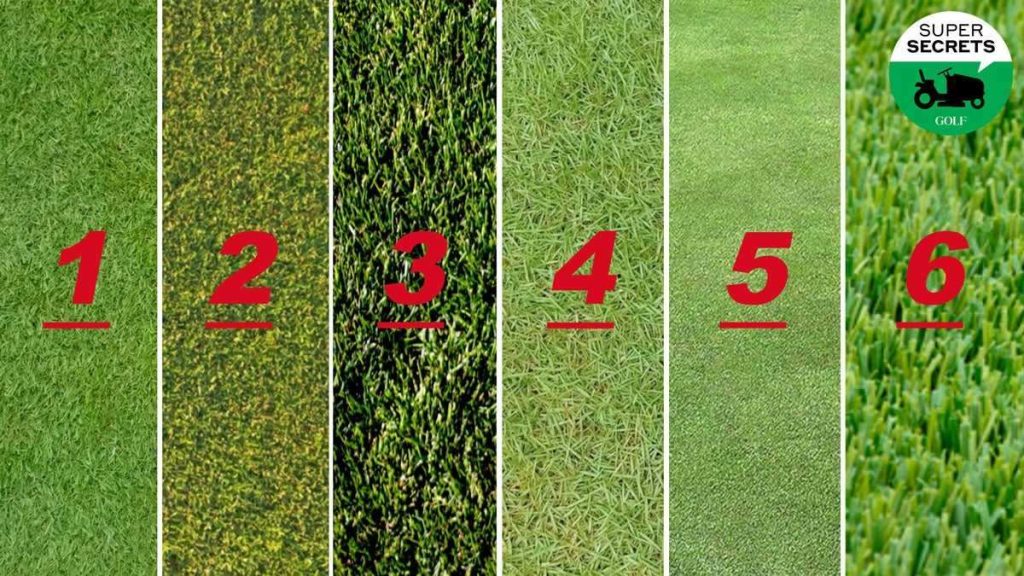
Looking to upgrade your golf course with a turf that’s lush, durable, and visually stunning? Zoysia grass could be your perfect choice. Its dense growth and tolerance to wear make it ideal for golf fairways and greens, providing a smooth playing surface that enhances the game. Zoysia’s ability to handle heat and drought, while maintaining its vibrant color, means less maintenance and more playtime.
In short, Zoysia grass offers a resilient and visually appealing option for golf course managers seeking a turf that combines performance with low upkeep. Its dense matting ensures fewer weeds and excellent wear resistance, making it a top pick for high-traffic areas on golf courses.
Zoysia grass is gaining popularity among golf course designers and managers due to its exceptional ability to establish a high-quality playing surface with minimal upkeep. Known for its lush, fine texture and deep green hue, this warm-season grass provides excellent wear tolerance, making it ideal for tees, fairways, and greens. Its dense growth habit not only creates a smooth, consistent surface but also helps suppress weeds, reducing chemical use. Additionally, Zoysia’s drought and heat tolerance means less watering and maintenance, which is a boon in regions with hot, dry climates. Its slow growth rate allows for less frequent mowing, saving time and labor. Overall, Zoysia grass is a sustainable, visually appealing choice that enhances the playing experience while simplifying turf management on golf courses.

Zoysia Grass for Golf
Zoysia grass is gaining popularity on golf courses around the world. Its unique qualities make it an excellent choice for fairways, greens, and tee boxes. Golf course managers and players are increasingly interested in its natural look and low-maintenance needs.
What Is Zoysia Grass?
Zoysia grass is a warm-season turfgrass known for its dense growth and resilience. It originates from Asia and parts of Australia, making it suitable for warmer climates. Its leaves are fine-textured and create a smooth, lush playing surface.
Key Features of Zoysia Grass on Golf Courses
- Durability: Zoysia can withstand heavy foot traffic and rough play without significant damage.
- Low Watering Needs: It requires less water compared to other warm-season grasses, saving resources.
- Weed Resistance: Its dense growth creates a barrier against weeds, reducing chemical use.
- Heat Tolerance: It performs well in hot summer temperatures, maintaining its color and density.
- Shade Tolerance: Some varieties grow well in shaded areas, making it versatile for different course designs.
The Advantages of Using Zoysia Grass for Golf
Low Maintenance Requirements
Zoysia grass requires less frequent mowing because of its slow growth rate. It needs fewer fertilizers and pesticides, which lowers maintenance costs. This makes it ideal for golf courses seeking sustainable and cost-effective options.
Excellent Playability
The smooth, firm surface of zoysia enhances ball roll and putting accuracy. Its dense growth minimizes uneven spots, providing consistent playing conditions across the course. Golfers notice a difference in how the ball reacts on zoysia compared to other grasses.
Environmental Benefits
Zoysia’s drought tolerance means less water use, helping conserve water resources. Its natural weed resistance reduces the need for chemical herbicides. Plus, its ability to thrive in various soils lessens soil disturbance during renovations.
Popular Zoysia Grass Varieties for Golf Courses
Zoysia Japonica (Empire, Meyer)
Empire is known for its dark green color and fine texture. Meyer zoysia adapts well to different climates and has good drought tolerance, making it popular on golf courses. It grows slowly, reducing mowing frequency.
Zoysia Matrella (Zeon, Zenith)
Zeon zoysia offers a dense, soft turf ideal for greens and tees. It is highly shade tolerant and has excellent wear resistance. Zenith is valued for its fine texture and vibrant color.
Choosing the Right Variety
- Climate Compatibility: Select varieties suited for your region’s temperature and rainfall patterns.
- Traffic Levels: Use more resilient types for high-traffic areas like fairways and tees.
- Shade Conditions: Incorporate shade-tolerant varieties under trees or in shaded spots.
Growing and Establishing Zoysia Grass
Planting Methods
Zoysia can be established through plugs, sod, or seed. Sod provides immediate coverage, making it a preferred method for golf courses needing quick results. Plugs and seed take longer but are more cost-effective for larger areas.
Soil Preparation and Planting Tips
- Ensure soil is well-drained and enriched with organic matter.
- Remove existing grass or weeds before planting.
- Maintain soil pH between 5.5 and 6.5 for optimal growth.
- Plant during the active growing season, typically late spring to early summer.
Watering and Fertilization
After planting, keep the soil moist but not waterlogged. Gradually reduce watering as the grass establishes. Fertilize with low-nitrogen, slow-release fertilizers to promote healthy growth without excessive thatch buildup.
Maintenance Practices for Zoysia Grass on Golf Courses
Mowing Strategies
Keep zoysia grass at heights of about 0.5 to 1 inch for greens and around 1.5 to 2 inches for fairways. Use sharp blades to prevent tearing and promote a clean cut. Mowing frequency depends on growth rate, which varies with season.
Water Management
Provide deep, infrequent watering sessions to encourage deep root growth. Reduce watering in winter when the grass is less active. Proper irrigation prevents drought stress and maintains turf density.
Pest and Disease Control
Zoysia is relatively resistant to pests and diseases but can still face issues like chinch bugs or brown patch. Implement integrated pest management and maintain proper airflow and watering practices to prevent outbreaks.
Challenges and Limitations of Zoysia Grass
Slow Establishment
Zoysia takes longer to establish compared to other grasses, often requiring patience during initial growth. This can be a drawback for courses needing quick renovation results.
Cold Sensitivity
While it tolerates heat well, zoysia is susceptible to cold damage. It may go dormant or turn brown in winter in cooler climates, requiring careful selection of varieties for specific regions.
Cost Considerations
The initial cost of sod or plugs can be higher than seed. However, the long-term savings on maintenance and water often offset this expense.
Innovations and Future Trends in Zoysia Use for Golf
Breeding Better Varieties
Breeders are working on developing zoysia varieties with faster establishment, better cold tolerance, and enhanced wear resistance. These innovations could expand its use to a wider range of golf courses.
Eco-Friendly Maintenance Techniques
- Using organic fertilizers and natural pest control methods.
- Implementing smart irrigation systems for efficient water use.
- Using sustainable soil practices to enhance turf health.
Integrated Turf Management
Golf courses are adopting comprehensive management strategies focusing on sustainability, turf health, and player experience. Zoysia fits well within this approach due to its low input requirements.
Zoysia grass offers many benefits for golf courses, including durability, low water needs, and excellent playability. Its versatility and eco-friendly qualities make it a smart choice for modern golf course design. As breeding and technology improve, zoysia’s role in golf course turf management will likely grow even more prominent.
Zeon Zoysia Renovation Update – #golfcourselawn
Frequently Asked Questions
What are the maintenance requirements for zoysia grass on golf courses?
Zoysia grass requires regular mowing to maintain a smooth surface, typically at a height of 0.5 to 1 inch. It benefits from occasional dethatching and aeration to promote healthy root growth. Proper watering is essential, ensuring deep, infrequent irrigation to encourage drought tolerance. Fertilization should focus on balanced nutrients, usually applied every 6 to 8 weeks during the growing season. Integrated pest and weed management helps keep the turf healthy and playable.
How does zoysia grass perform in different climatic conditions for golf courses?
Zoysia grass thrives in warm, moderate climates with ample sunlight. It tolerates drought and heat well but may enter dormancy or grow slowly in colder temperatures. In areas with mild winters, it remains green longer and provides a consistent playing surface. On golf courses in cooler regions, overseeding or alternative grass types might be necessary to maintain year-round playability. Overall, zoysia adapts well to various climates when managed appropriately.
What advantages does zoysia grass offer compared to other turfgrass options on golf courses?
Zoysia grass creates a dense, smooth surface that minimizes the presence of uneven patches and bare spots. It requires less water and fertilizer than many traditional grasses, reducing maintenance costs. Its drought and heat tolerance allow for longer periods between watering, conserving resources. Additionally, its wear resistance helps withstand heavy foot traffic, making it ideal for high-usage areas on golf courses.
Can zoysia grass recover quickly from divots or damage on a golf course?
Yes, zoysia grass recovers relatively quickly from divots and damage due to its vigorous growth habit. When properly maintained, it fills in damaged areas faster than some other warm-season grasses. Applying appropriate fertilization and ensuring adequate moisture support rapid regeneration, keeping the playing surface smooth and playable after repairs.
Are there specific soil conditions best suited for growing zoysia grass on golf courses?
Zoysia grass prefers well-drained, sandy to loamy soils with a neutral to slightly acidic pH. Adequate soil fertility is essential for healthy growth, so incorporating organic matter and proper fertilization improves turf quality. Ensuring good drainage prevents waterlogging, which can harm the grass. Conducting soil tests helps determine necessary amendments to create the ideal environment for zoysia to thrive.
Final Thoughts
Zoysia grass for golf offers excellent durability and a smooth playing surface. Its dense growth helps reduce soil erosion and minimizes water usage, making it an eco-friendly choice. Golf courses benefit from its resilience and lush appearance. This grass type enhances playability and aesthetic appeal, making it a top pick for course managers.