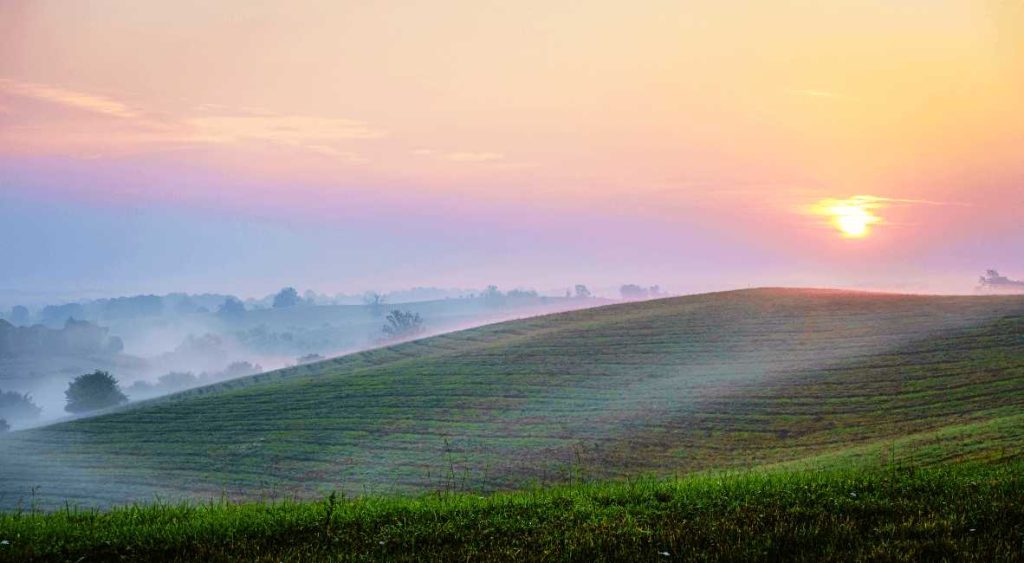
Kentucky is called the Bluegrass State because of its iconic, lush bluegrass plains that define its landscape. This nickname captures the essence of its scenic beauty and rich agricultural history, standing out among other states. The term “bluegrass” specifically refers to a type of lush, bluish-tinted grass that thrives in Kentucky’s fertile soils, making it perfect for horse breeding and farming. These expansive grasslands have been an integral part of the region’s identity for centuries, shaping its culture and economy. So, when you hear Kentucky called the Bluegrass State, it’s a tribute to the stunning, vibrant grass that once blanketed its rolling hills and continues to symbolize its natural charm. Now, let’s explore why this particular grass became so synonymous with Kentucky’s heritage.

Why is Kentucky Called the Bluegrass State?
The Origin of the Name ‘Bluegrass’
Kentucky earned its nickname, the “Bluegrass State,” because of its unique natural landscape. The term “bluegrass” refers to the dense, bluish-purple tint seen in the tall grasses during certain times of the year. These grasses wave gently in the wind, creating a stunning blue hue that covers the rolling hills. Early settlers and farmers noticed this distinctive feature, which became a symbol of Kentucky’s lush terrain.
What is Bluegrass?
Bluegrass is a type of grass native to the southeastern United States. It belongs to the Poaceae family, which includes many common grasses used in lawns and pastures. The specific species that gives Kentucky its nickname is *Poa pratensis*, also known as Kentucky bluegrass. It is known for its deep green color and ability to thrive in a variety of soil conditions.
The Significance of Bluegrass in Kentucky’s Agriculture
Agriculture has long been a vital part of Kentucky’s economy. The region’s fertile soil and moderate climate make it ideal for growing bluegrass. Farmers use this grass primarily for grazing livestock and for producing hay. Bluegrass is also appreciated for its resilience and lush appearance, making it a popular choice for pasturelands. Its importance in farming helped cement the state’s identity with the name “Bluegrass,” emphasizing its rural and agricultural roots.
The History Behind Kentucky’s Bluegrass Heritage
In the 19th century, the term “Bluegrass” started appearing in written records to describe the region’s landscape. It was initially a local nickname, but it gained national prominence through literature and reports about the area’s beauty. The Kentucky Bluegrass was also linked to the famous Kentucky Derby, which was first run in 1875. The race became a symbol of Kentucky’s elegance and tradition, further popularizing the nickname.
Bluegrass Music and Kentucky
While the term “bluegrass” is often associated with the grass, it also refers to a style of music originating in Kentucky. Bluegrass music combines elements from Appalachian, jazz, and country traditions. This genre gained popularity in the mid-20th century, with famous musicians like Bill Monroe, often called the “Father of Bluegrass,” emerging from Kentucky. The musical style helped boost the state’s cultural identity, making “Bluegrass” a household word beyond just the landscape.
How Bluegrass Became a State Symbol
Kentucky officially adopted “Bluegrass” as part of its identity over the years. The nickname is now seen on license plates, logos, and promotional materials. It signifies more than just the landscape; it reflects Kentucky’s rich cultural heritage and connection to music, farming, and history. The bluegrass landscape also symbolizes Kentucky’s commitment to preserving its natural beauty for future generations.
The Role of Bluegrass Festivals and Events
Throughout the year, Kentucky hosts various bluegrass festivals that celebrate this heritage. Events like the Kentucky Bluegrass Festival gather musicians and fans from around the country to enjoy live music and community activities. These festivals highlight the importance of bluegrass music and natural beauty in Kentucky’s cultural scene, drawing visitors who want to experience the true spirit of the Bluegrass State.
The Connection Between Bluegrass and Kentucky’s Tourism
The stunning bluegrass scenery attracts tourists looking for scenic drives, outdoor activities, and cultural experiences. National parks, historic sites, and horse farms are often situated in regions with abundant bluegrass landscapes. Visitors come to explore the rolling hills, participate in outdoor festivals, and enjoy traditional Kentucky cuisine, reinforcing the state’s nickname and cultural pride.
Bluegrass in Contemporary Kentucky
Today, bluegrass remains a vital part of Kentucky’s identity. From music festivals to farming practices, the bluegrass landscape continues to define the state. Schools, parks, and communities celebrate this heritage through art, music, and community events. The continued popularity of bluegrass music and the preservation of natural grasslands help keep Kentucky’s nickname alive and relevant.
Related Topics: Bluegrass and Kentucky’s Economy
Bluegrass has economic significance beyond its cultural value. The state’s economy benefits from tourism, music events, and agriculture centered around bluegrass. The presence of bluegrass farms supports livestock and hay production, which sustains local farmers. Additionally, bluegrass music attracts visitors and boosts local businesses, making it a key aspect of Kentucky’s economic development.
Future of the Bluegrass Identity in Kentucky
As Kentucky continues to grow, maintaining the bluegrass landscape remains a priority. Conservation efforts aim to protect native grasses and natural habitats. The ongoing promotion of bluegrass music and festivals ensures that this cultural element stays vibrant for future generations. The nickname “Bluegrass State” will likely remain a proud symbol of Kentucky’s natural beauty and cultural heritage.
In summary, Kentucky’s nickname as the “Bluegrass State” stems from its distinctive natural landscape, rich agricultural history, and vibrant musical traditions. The bluegrass grasses symbolize the state’s lush environment, resilient farming, and lively cultural scene. This nickname encapsulates Kentucky’s identity, blending its scenic beauty with its deep cultural roots and ongoing traditions.
Why Is Kentucky Called The Bluegrass State? – Southern Culture Collective
Frequently Asked Questions
What historical events contributed to Kentucky earning the nickname “Bluegrass State”?
Historical events in Kentucky’s development, especially in agriculture and land use, played a significant role in earning it the nickname. Early settlers recognized the extensive bluegrass pastures that thrived in the region, which became vital for grazing livestock. These landscapes influenced local agriculture and economy, leading people to associate the state with bluegrass from early times.
How do the natural features of Kentucky support the bluegrass reputation?
The state’s unique combination of fertile soil, mild climate, and abundant water sources creates ideal conditions for bluegrass to flourish. These natural features result in lush, resilient pastures that sustain livestock and contribute to Kentucky’s reputation for high-quality horse breeding and farming, reinforcing the bluegrass identity.
In what ways does the music and culture of Kentucky reflect the bluegrass theme?
Kentucky has a rich musical tradition rooted in bluegrass music, which originated in the Appalachian region of the state. The vibrant bluegrass music scene influences local culture and helps spread the association of the state with bluegrass—a symbol of its cultural heritage and rural lifestyle.
Why is bluegrass grass particularly well-suited to Kentucky’s environment?
Bluegrass grass thrives in Kentucky’s climate because it tolerates the state’s high humidity, moderate rainfall, and temperate temperatures. Its deep roots help prevent soil erosion, making it especially well-suited for the rolling hills and fertile plains found across Kentucky.
How has the reputation of bluegrass grass impacted Kentucky’s economy and tourism?
The reputation of bluegrass grass has enhanced Kentucky’s agricultural and tourism sectors. It draws visitors interested in horse racing, bourbon, and scenic landscapes, all connected to the state’s rural roots. The image of bluegrass helps promote Kentucky as a destination for outdoor activities and cultural experiences.
Final Thoughts
Kentucky is called the Bluegrass State because of its distinctive bluegrass soil and lush pastures. This type of grass, known for its vibrant bluish hue, dominates the region and shapes the state’s identity. Farmers and locals have long associated this plant with the area’s fertile lands.
The name also reflects Kentucky’s rich musical heritage, especially its bluegrass music genre that originated here. These elements together explain why Kentucky is called the Bluegrass State. The nickname captures both its natural beauty and cultural significance perfectly.