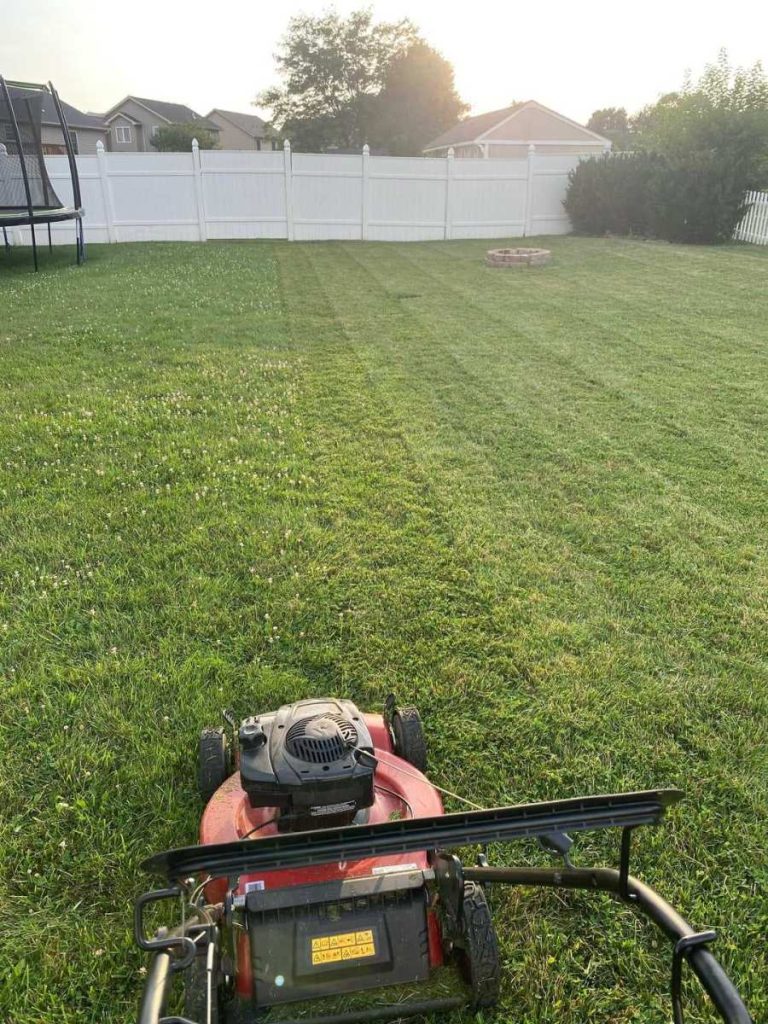
Cut Kentucky bluegrass every 1 to 3 weeks during the growing season for a lush, healthy lawn. Regular mowing encourages dense growth, keeps the grass vibrant, and prevents weeds from taking over. The ideal frequency depends on the season, weather, and how fast your grass is growing.
For maintaining a perfect Kentucky bluegrass lawn, cutting it every one to three weeks is generally recommended during the active growing period. This can vary based on factors like weather conditions and grass health. Staying attentive to the grass’s height and growth rate helps ensure you don’t cut too short or too infrequently. Proper mowing not only keeps your yard looking pristine but also promotes strong roots and overall plant health. Whether you’re aiming for a neat, manicured look or just trying to keep weeds at bay, understanding the right mowing schedule is key to achieving a vibrant, resilient Kentucky bluegrass lawn.

How Often to Cut Kentucky Bluegrass: The Complete Guide
Understanding the Growth Cycle of Kentucky Bluegrass
Kentucky bluegrass grows actively during its peak season, which is typically spring and fall. Its growth rate depends on the weather, soil, and maintenance practices. Knowing its growth cycle helps determine the ideal mowing frequency.
During warm months, Kentucky bluegrass can grow up to half an inch weekly, especially in favorable conditions. In cooler periods, growth slows down significantly. Consequently, adjusting your mowing schedule based on these changes ensures a healthy and lush lawn.
Why Proper Mowing Frequency Matters
Mowing too often or too little can harm your Kentucky bluegrass lawn. Cutting frequently helps keep the grass healthy, promotes dense growth, and prevents pests. In contrast, infrequent mowing can lead to thatch buildup and uneven grass height.
Regular mowing encourages the grass to develop strong roots, which improve drought resistance and overall vigor. It also enhances the lawn’s aesthetic appeal, giving it a neat and uniform look.
Ideal Cutting Height for Kentucky Bluegrass
Maintaining the correct grass height is essential when determining how often to cut Kentucky bluegrass. The recommended height for this grass type is between 2.0 and 2.5 inches.
Keeping grass within this range balances root development and photosynthesis, ensuring a healthy lawn. Avoid cutting more than one-third of the grass height at a time to prevent stress and damage.
How Often to Mow Kentucky Bluegrass in Different Seasons
The mowing frequency varies depending on the season.
Spring
In spring, Kentucky bluegrass starts growing rapidly. Mow every 5 to 7 days to keep the grass at the desired height. Regular mowing helps manage the quick growth and removes debris.
Summer
During hot months, growth slows down, so mowing may reduce to once every 10 to 14 days. Keep the grass at the recommended height to prevent heat stress and minimize water loss.
Fall
Fall is another peak growth period. Mow every 7 to 10 days. Raking leaves and mowing can prevent suffocation of the grass underneath.
Winter
In winter, Kentucky bluegrass enters dormancy and hardly grows. You may not need to mow at all. If growth occurs, mow only when necessary, avoiding cutting the grass too short.
Signs You Need to Mow More or Less Frequently
Pay attention to your lawn’s appearance to decide if you should adjust your mowing schedule.
- Too long: Grass taller than 3 inches can lead to thatch buildup or pests.
- Too short: Cutting below 2 inches stresses the grass and weakens root systems.
If the grass is uneven or overgrown, increase mowing frequency. Conversely, if the grass looks healthy and is within the recommended height, reduce mowing.
Tools and Techniques for Effective Mowing
Using the right mower and technique ensures healthier Kentucky bluegrass.
Choosing the Right Mower
A rotary mower with adjustable cutting heights works best. Ensure the mower blades are sharp to make clean cuts. A reel mower can also be used for a precise cut.
Proper Mowing Technique
Always mow when the grass is dry. Change mowing patterns to prevent soil compaction. Avoid cutting more than one-third of the grass height at each session.
Post-Mowing Care
Keep mower blades sharp and clean. Regularly sharpen blades to prevent tearing grass blades, which can lead to disease.
Additional Tips for Maintaining a Healthy Kentucky Bluegrass Lawn
To keep your lawn in top shape, combine proper mowing with other maintenance practices.
- Watering: Water deeply and infrequently to encourage deep roots.
- Fertilizing: Apply fertilizer during active growth periods to promote lush growth.
- Aerating: Aerate your lawn annually to reduce soil compaction and improve airflow.
- Weed Control: Manage weeds promptly to prevent competition with your grass.
Common Mistakes to Avoid When Mowing Kentucky Bluegrass
Avoiding common errors can prevent damage and keep your lawn healthy.
- Cutting too short: This can weaken roots and make grass susceptible to drought.
- Waiting too long between cuts: Overgrown grass can lead to thatch buildup and pests.
- Using dull blades: Dull blades tear grass rather than cut, increasing vulnerability to disease.
- Mowing in the same pattern repeatedly: This can compact soil and lead to uneven growth.
Impact of Mowing Height and Frequency on Lawn Density
The height at which you mow influences how dense and lush your Kentucky bluegrass becomes.
Maintaining a consistent mowing height promotes dense foliage, which crowds out weeds. Mowing too short can weaken the plant and lead to patchiness. Conversely, infrequent mowing allows the grass to become coarse and less resilient.
Seasonal Adjustments for Mowing Frequency
Adjust your mowing routine based on seasonal trends to optimize lawn health.
**Spring and Fall:** Increase mowing frequency to keep pace with rapid growth.
**Summer:** Reduce frequency to avoid stressing the grass during high temperatures.
**Winter:** Minimize or skip mowing unless growth resumes.
Summary Table of Mowing Frequencies
| Season | Average Mowing Interval | Recommended Grass Height |
|---|---|---|
| Spring | Every 5 to 7 days | 2.0 to 2.5 inches |
| Summer | Every 10 to 14 days | 2.0 to 2.5 inches |
| Fall | Every 7 to 10 days | 2.0 to 2.5 inches |
| Winter | As needed or none | Maintain at least 2 inches if growing |
Keeping your Kentucky bluegrass healthy involves understanding its growth patterns and adjusting mowing practices accordingly. Proper mowing not only enhances the lawn’s appearance but also supports its overall health and resilience.
Kentucky Bluegrass Care | DoMyOwn.com
Frequently Asked Questions
How does the growth rate of Kentucky Bluegrass influence its mowing schedule?
Kentucky Bluegrass tends to grow more rapidly during the spring and fall when temperatures are moderate and soil moisture is adequate. During these periods, you should mow more frequently, approximately once a week, to prevent the grass from becoming too tall. In the hotter summer months, growth slows down, and you may need to cut less often, perhaps every two weeks, to maintain a healthy, neat appearance.
What is the ideal mowing height for Kentucky Bluegrass to promote healthy growth?
Maintaining Kentucky Bluegrass at a height of about 2 to 3 inches encourages deep root growth and helps it resist drought and disease. Set your mower to cut off only the top third of the grass blade each time you mow. This practice ensures the grass stays healthy, and you won’t need to mow very often, usually once a week during active growth seasons.
How can weather conditions affect how often I should mow Kentucky Bluegrass?
Weather significantly impacts Kentucky Bluegrass’s growth rate. During periods of consistent rain and warm temperatures, the grass grows more quickly, requiring more frequent mowing. Conversely, during dry or extremely hot days, growth slows, and you can extend the interval between mowings. Always adjust your mowing schedule based on current weather to keep your yard healthy and well-maintained.
What signs indicate that Kentucky Bluegrass needs to be cut again?
If the grass exceeds the recommended height of 2.5 to 3 inches, it is time for another mowing session. Tall grass can develop thatch and become prone to pests and diseases. Regularly checking the height of your lawn helps you identify when mowing is necessary, ensuring the grass remains healthy and aesthetically pleasing.
How does frequent mowing affect the overall health of Kentucky Bluegrass?
Frequent mowing promotes dense, lush growth by encouraging the grass to develop more tillers and roots. It also helps manage thatch buildup and improves air circulation within the turf. However, avoid cutting too short or mowing excessively often, as this can stress the grass. Striking the right balance ensures your Kentucky Bluegrass stays vigorous and healthy throughout the season.
Final Thoughts
The frequency of cutting Kentucky bluegrass depends on your lawn’s growth rate and season. Typically, cutting once a week keeps the grass healthy and lush. During peak growing seasons, you might need to mow more often.
Avoid cutting too short, as it stresses the grass and hampers root growth.
In summary, how often to cut Kentucky bluegrass should align with its growth cycle, generally once a week. Consistent mowing promotes a vibrant, healthy lawn.