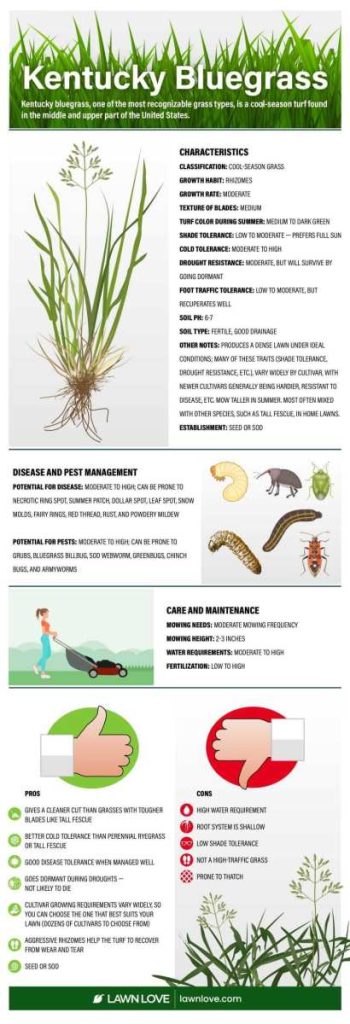
To keep Kentucky bluegrass sod lush and vibrant, ensure it receives regular watering, proper mowing, and adequate fertilization. Keep an eye out for pests and weeds, and aerate your lawn annually to promote healthy root growth. With consistent care, your grass will thrive and provide a beautiful, soft carpet for your outdoor space.
Kentucky bluegrass sod thrives when it’s properly watered, mowed at the right height, and fertilized at key times throughout the year. Additionally, aeration helps improve soil health, while weed and pest management keep the lawn in top condition. Following these simple steps will help you maintain a stunning, resilient lawn that invites relaxation and enjoyment.
Taking care of Kentucky bluegrass sod can feel overwhelming at first, but with some basic understanding, it becomes much easier. This grass type is popular for its rich color and dense growth, making it a favorite for home lawns and parks alike. The secret to a thriving Kentucky bluegrass lawn lies in understanding its specific needs—primarily consistent watering, timely fertilization, and periodic maintenance like mowing and aerating. As a cool-season grass, it performs best in regions with moderate temperatures, but it is also quite resilient. With a little effort and regular attention, you can turn your yard into a lush, inviting oasis that stays beautiful year-round.

How to Care for Kentucky Bluegrass Sod: The Complete Guide
Understanding Kentucky Bluegrass Sod
Kentucky Bluegrass is a popular choice for lawns because of its lush, deep green color and soft texture. It spreads evenly and repairs itself quickly, making it ideal for both residential and commercial landscapes. Knowing its basic needs helps ensure your sod stays healthy and vibrant.
Best Time to Install Kentucky Bluegrass Sod
The ideal time to lay Kentucky Bluegrass sod is during early spring or fall. During these seasons, the soil temperature is perfect for root growth, and the weather is typically moderate. Avoid planting in the heat of summer or freezing winter months to prevent stress on the turf.
Preparing the Soil for Kentucky Bluegrass
Proper soil preparation is essential for a healthy, thriving lawn. Start by removing weeds, rocks, and debris from the area. Loosen the soil to a depth of at least 4 to 6 inches using a rototiller or garden fork.
Testing and Amending Soil
Conduct a soil test to check pH levels and nutrient content. Kentucky Bluegrass prefers a soil pH of 6.0 to 7.0. Based on the results, add lime to raise pH or sulfur to lower it. Incorporate compost or topsoil to improve fertility and drainage.
Installing Kentucky Bluegrass Sod
Lay the sod on a moist, firm surface to encourage root contact with the soil. Unroll the sod tightly, avoiding gaps between pieces. Stagger seams like bricks for better stability and appearance.
Watering After Installation
Immediately after laying the sod, water thoroughly to settle the soil and activate the roots. Keep the sod moist but not waterlogged for the first two weeks. Frequent, light watering helps prevent the sod from drying out.
Watering Schedule for Kentucky Bluegrass
Proper watering is crucial for establishing a strong, healthy lawn. During the first month, water daily or every other day, ensuring the top 1 to 2 inches of soil stays moist. Once established, reduce watering frequency but increase depth to promote deep roots.
Deep Watering Practices
Water early in the morning to reduce evaporation and disease risk. Deep watering encourages roots to grow deeper into the soil, improving drought tolerance. Typically, Kentucky Bluegrass needs about 1 to 1.5 inches of water weekly.
Mowing Kentucky Bluegrass Sod
Mowing height influences the health and appearance of your lawn. Keep your mower blades sharp for a clean cut. Set the mower height between 2.5 to 3 inches to support root growth and shade the soil, reducing evaporation.
Best Mowing Practices
Do not remove more than one-third of the grass height at once. Mow regularly to prevent thatch buildup and disease. During peak growing season, mow once a week, adjusting as needed.
Fertilizing Kentucky Bluegrass
Feed your lawn with balanced fertilizer to promote lush growth. Apply a slow-release nitrogen fertilizer in early spring and late summer. Avoid over-fertilizing, which can lead to excessive thatch and disease problems.
Fertilizer Schedule
Use a lawn fertilizer with a ratio like 16-4-8 or 20-0-0. Apply evenly and water afterward to help nutrients penetrate the soil. Repeat every six to eight weeks during the growing season.
Pest and Disease Control
Kentucky Bluegrass is susceptible to pests like grubs and chinch bugs, as well as diseases such as dollar spot and leaf spot. Regular inspections help catch problems early.
Preventive Measures
Maintain proper mowing, watering, and fertilization routines to keep your lawn healthy. Aerate annually to improve soil aeration and reduce compaction. Use appropriate pesticides or fungicides when necessary, following label instructions.
Aeration and Dethatching
Aeration involves removing small cores of soil to reduce compaction, increase oxygen penetration, and improve water absorption. Dethatching removes a thick layer of thatch buildup, which can suffocate roots.
Performing Aeration and Dethatching
Use a lawn aerator every one to two years. Dethatch when thatch exceeds half an inch thick using a dethatching rake or machine. These practices boost soil health and promote vigorous growth.
Dealing with Common Kentucky Bluegrass Problems
Issues like brown patches, weeds, or uneven growth can diminish your lawn’s appearance. Identifying the problem early helps in applying the correct treatment.
Addressing Brown Patches
Brown patches often result from fungal infections. Improve air circulation, avoid excess watering, and apply appropriate fungicides if needed. Ensure proper watering and fertilization to strengthen the grass.
Controlling Weeds
Manual removal is effective for small weed patches. For larger areas, use selective herbicides suitable for Kentucky Bluegrass. Maintain healthy, dense turf to prevent weed invasions.
Correcting Uneven Growth
Overseed bare or thin spots in early fall or spring. Keep the area moist and avoid heavy foot traffic until new grass establishes.
Additional Tips for Maintaining a Healthy Kentucky Bluegrass Lawn
Consistent care creates a resilient and attractive lawn. Regularly monitor soil moisture, adjust watering for weather conditions, and perform seasonal cleanups. Mulching grass clippings helps return nutrients to the soil.
- Always follow proper watering schedules to avoid over or underwatering.
- Apply fertilizer according to the lawn’s specific needs and season.
- Maintain mowing at recommended heights to keep the grass healthy.
- Address pest and disease issues promptly to prevent spread.
- Perform soil testing every few years to adjust fertilization and amendments.
Related Topics
- How to choose the best fertilizer for Kentucky Bluegrass
- Best mowing height for Kentucky Bluegrass
- Effective aeration techniques for lawns
This comprehensive care guide will help keep your Kentucky Bluegrass sod looking vibrant, healthy, and inviting. Proper maintenance ensures your lawn remains lush, green, and resistant to common problems.
Kentucky Bluegrass Care | DoMyOwn.com
Frequently Asked Questions
How often should I water Kentucky bluegrass sod after installation?
Water your Kentucky bluegrass sod thoroughly immediately after laying it to help establish roots. Keep the soil consistently moist for the first two to three weeks, watering once or twice daily depending on weather conditions. As the sod begins to establish, gradually reduce watering frequency while increasing the depth of each watering session to encourage deep root growth. Generally, aim for about 1 to 1.5 inches of water per week, including rainfall, to maintain healthy sod.
What is the best mowing height for Kentucky bluegrass?
Maintain a mowing height of about 2.5 to 3.5 inches for Kentucky bluegrass. Mowing at this height promotes healthy growth and helps shade the soil, reducing weed development. Avoid cutting more than one-third of the grass height at a time to minimize stress on the sod. Regular mowing once a week during the growing season keeps the turf dense and encourages vigorous root development.
When and how should I fertilize Kentucky bluegrass sod?
Apply a nitrogen-rich fertilizer in early spring and again in late spring or early summer to support growth. Use a balanced fertilizer with equal parts nitrogen, phosphorus, and potassium, or follow a soil test recommendation. Spread the fertilizer evenly over the sod using a broadcast spreader and water it in thoroughly after application. Avoid fertilizing during periods of drought or extreme heat to prevent stress on the turf.
How can I control weeds in Kentucky bluegrass sod?
Maintain a healthy, dense turf to naturally outcompete weeds. Regularly mow at the proper height, water adequately, and fertilize appropriately to promote vigorous growth. For weeds that do appear, manually remove them or apply a selective herbicide suitable for bluegrass. Always follow label instructions carefully and avoid overuse, which could harm the desirable grass.
What steps should I take to repair damaged areas of Kentucky bluegrass?
To repair damaged spots, first remove any dead or diseased grass. Loosen the soil in the area and apply a thin layer of soil or compost. Reseed with Kentucky bluegrass seed, then gently press the seed into the soil. Water the area frequently to keep it moist until the new grass establishes. Consistent care during this period ensures the patch integrates well with the existing turf.
Final Thoughts
To care for Kentucky bluegrass sod, water it deeply and consistently, especially during dry periods. Mow the sod at the right height to promote healthy growth and prevent stress. Fertilize appropriately to provide essential nutrients and maintain a lush appearance. Regularly aerate the soil to improve air circulation and root development, ensuring a vibrant lawn. Proper maintenance will keep your Kentucky bluegrass sod healthy and beautiful for years to come.