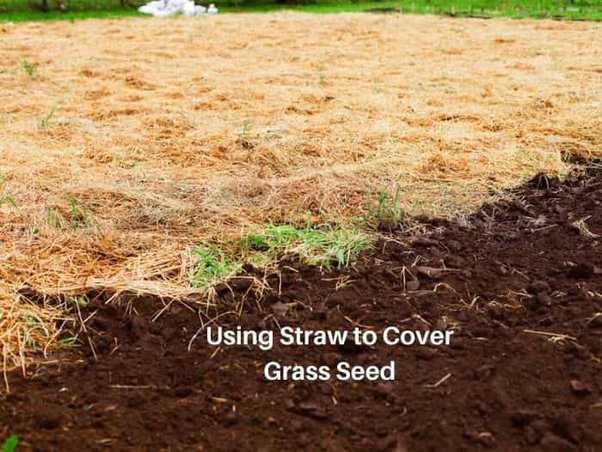
When it comes to covering grass seed, a good rule of thumb is to use a light layer of straw that is about 1/4 to 1/2 inch thick. This helps retain moisture, provides a protective barrier against birds, and keeps the seeds from washing away during watering or rain. If you’re unsure, remember that less is often more; too much straw can suffocate your seeds, hindering their growth. Now, let’s dive into the details of how much straw you need, why it’s beneficial, and tips for effectively applying it. Whether you’re starting a new lawn or overseeding an existing one, understanding the right amount of straw can make all the difference in achieving a lush, green yard.

“`html
How Much Straw to Cover Grass Seed
When planting grass seed, one essential step that often gets overlooked is the amount of straw to cover it with. Straw protects the seeds from birds, harsh weather, and erosion, which can significantly improve germination rates. In this section, we will explore how much straw you need to cover your grass seed for the best results.
Understanding the Purpose of Straw
Before diving into calculations, it’s crucial to understand why straw is beneficial for grass seed.
- Protection: Straw acts as a protective barrier against birds and other animals that might dig up the seeds.
- Moisture retention: It helps keep the soil moist, ensuring the seeds have the water they need to germinate.
- Erosion prevention: Straw reduces soil erosion caused by wind and rain.
These benefits make it clear that using straw is an important step in the grass-seeding process.
Determining the Amount of Straw Needed
The recommended amount of straw can depend on various factors, including the type of grass seed and the specific conditions of your planting area. Generally, the ratio is one bale of straw for every 1,000 square feet of seeded area.
Types of Straw
Consider the type of straw you use, as different types can impact the seeding process.
- Wheat straw: Commonly used and effective for moisture retention.
- Oat straw: Similar to wheat straw but can be more expensive.
- Barley straw: Less common but still effective.
Each type has its advantages, so choose based on availability and cost.
Calculating the Coverage Area
To effectively cover your grass seed, you need to calculate the area you’re working with. Here’s a simple method:
1. Measure the length and width of the area in feet.
2. Multiply the length by the width to find the total area in square feet.
3. Divide this number by 1,000 to determine how many bales of straw you will need.
For example, if your lawn area is 2,500 square feet, you will require approximately 2.5 bales of straw.
How to Spread Straw Evenly
Once you know how much straw you need, spreading it evenly is key. Follow these steps for optimal coverage:
- Use a rake or your hands to break up any large clumps of straw.
- Sprinkle the straw lightly over the seeded area.
- Aim for a coverage of about 1/4 to 1/2 inch thick.
Even distribution ensures that the grass seeds get the necessary protection and moisture.
Timing the Application of Straw
Timing is critical when applying straw. Ideally, you should spread straw immediately after you have seeded the area. This fast action helps to protect the seeds right away from potential issues.
Weather Considerations
Pay attention to the weather forecast before applying straw.
- If rain is forecasted, it’s best to wait, as heavy downpours can wash away seeds.
- If you are in a dry region, applying straw can help retain moisture until seedlings emerge.
Knowing the weather helps you plan the application of straw effectively.
Alternative Options to Straw
While straw is commonly used, several other materials can also serve a similar purpose.
Other Mulching Options
Consider these alternatives:
- Peat moss: Excellent for moisture retention but can be more expensive.
- Wood chips: Good for preventing erosion, but be careful as they may contain weed seeds.
- Compost: Adds nutrients to the soil while providing cover.
Each alternative has unique benefits and drawbacks, so consider what works best for your situation.
Common Mistakes to Avoid
Avoid making common mistakes when applying straw.
- Using too much straw can suffocate seeds, preventing them from germinating.
- Not applying it soon enough can leave seeds vulnerable to animals.
- Neglecting to break up clumps can lead to uneven coverage.
Staying aware of these mistakes can lead to better results.
Aftercare for Grass Seed
Once you’ve covered your grass seed with straw, proper aftercare is vital.
- Water the area lightly to ensure the straw settles and seeds receive moisture.
- Avoid heavy foot traffic during the initial growing period.
- Monitor for erosion and displacement of straw.
These steps can help ensure your grass seeds have the best chance to grow successfully.
Monitoring Germination
Keep an eye on the seeded area for germination signs.
- Typically, grass seeds germinate within 7 to 14 days depending on the variety.
- Make sure there is enough moisture during this period.
- Adjust watering as needed based on rainfall and temperature.
Monitoring helps you adjust care as needed for optimal growth.
Conclusion on How Much Straw to Cover Grass Seed
Understanding how much straw to cover your grass seed is crucial for a successful seeding project. By applying the right amount, knowing your alternatives, and avoiding common mistakes, you can enhance your chances for a lush, green lawn. So, whether you’re a first-time lawn seeder or a seasoned gardener, remember the importance of straw and its vital role in ensuring good seed germination.
“`
2016.05.12 – Planting grass seed with straw
Frequently Asked Questions
“`html
What factors influence the amount of straw needed for grass seed coverage?
The amount of straw required to cover grass seed depends on several factors, including the type of grass being planted, the soil condition, and local climate. For example, fine grass seeds may need a thinner layer of straw to ensure adequate light and moisture reach the seed, while coarser seeds can benefit from a thicker layer. Additionally, if the soil is sandy or prone to erosion, increasing the straw coverage can help retain moisture and protect the seeds.
Can using too much straw harm grass seed germination?
Yes, using excessive straw can negatively impact grass seed germination. A thick layer of straw may block sunlight and moisture, making it difficult for seeds to sprout. It can also create a barrier that prevents seeds from making contact with the soil. To avoid these issues, aim for a light, even coverage that allows the seeds to receive the necessary resources for growth.
Is there a specific thickness recommended for straw coverage over grass seed?
A general guideline suggests using a straw layer of about 1/4 to 1/2 inch thick for grass seed coverage. This thickness provides adequate protection without suffocating the seeds. Adjust the amount based on the specific requirements of the grass type and local conditions to ensure optimal germination.
How does the timing of straw application affect grass seed growth?
Applying straw at the right time significantly impacts grass seed growth. Ideally, you should spread the straw immediately after sowing the seeds. This timing helps protect the seeds from wind and erosion while retaining moisture in the soil. If you wait too long to apply the straw, the seeds may already be exposed to the elements, reducing their chances of successful germination.
What are the benefits of using straw to cover grass seed?
Covering grass seed with straw offers several benefits, such as protecting the seeds from erosion, regulating soil temperature, and retaining moisture. Straw also provides a habitat for beneficial microorganisms and helps suppress weeds, ultimately promoting healthier grass growth. By using straw smartly, you enhance the chances of achieving a lush, green lawn.
“`
Final Thoughts
Using the right amount of straw to cover grass seed is crucial for successful germination and growth. Generally, a thin layer of straw, about 1/4 to 1/2 inch thick, is sufficient. This allows sunlight and moisture to reach the seeds while protecting them from erosion and pests.
Over-applying straw can suffocate the seeds, preventing them from sprouting effectively. Therefore, knowing how much straw to cover grass seed is essential for creating optimal conditions for healthy grass growth.