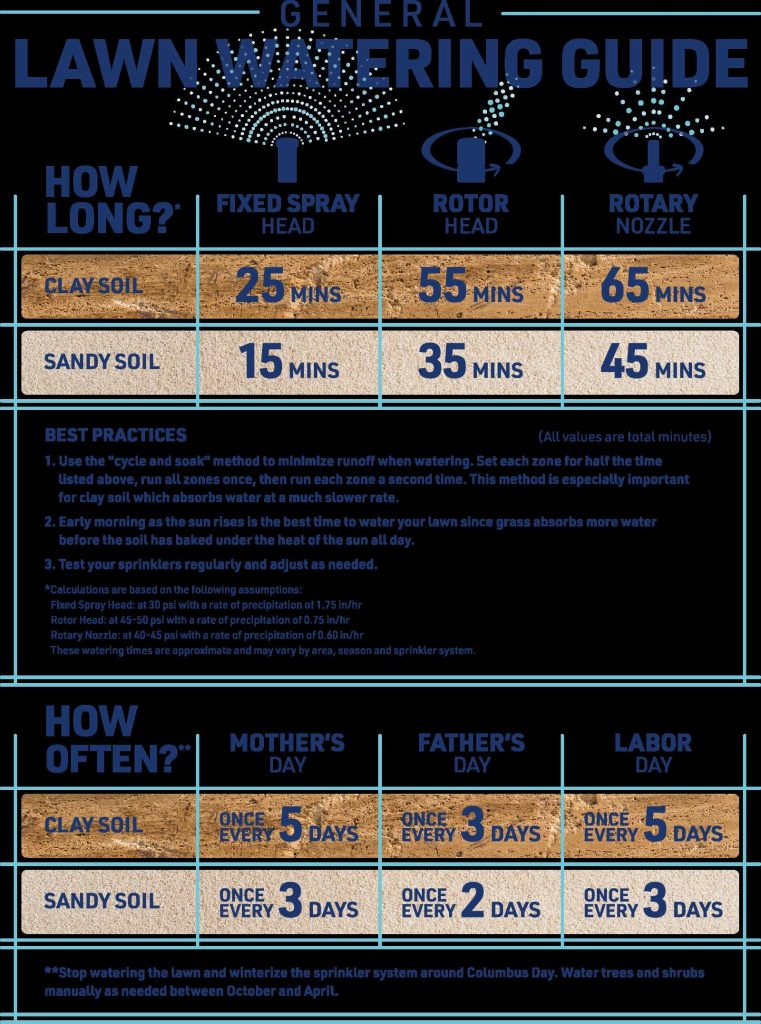
To keep your grass healthy and vibrant, it’s essential to water it properly. Generally, grass needs about 1 to 1.5 inches of water per week, either from rainfall or irrigation. This can be achieved through deep watering sessions two to three times a week, allowing the soil to absorb moisture thoroughly. Factors such as grass type, soil quality, and weather conditions can also influence how often you should water. So, if you’re wondering how frequently to water your grass, aim for that weekly guideline while paying attention to your lawn’s specific needs. Ensuring your grass gets the right amount of water will help create a lush, green outdoor space you can be proud of.

How Often to Water Grass: A Complete Guide
Watering your grass properly is essential for maintaining a lush, green lawn. However, figuring out *how often to water grass* can be a daunting task. Different variables such as the type of grass, the climate, and the season play a significant role in determining your watering schedule. In this article, we will explore the best practices for watering grass and ensure that your lawn remains healthy and vibrant.
Understanding Grass Types
Before delving into watering frequency, it’s essential to know that not all grasses are the same. There are two main types of grass: cool-season and warm-season.
- Cool-Season Grasses: These grasses thrive in the northern regions and are best suited for cooler temperatures. Examples include Kentucky bluegrass, fescue, and ryegrass.
- Warm-Season Grasses: These types flourish in southern climates and prefer warmer temperatures. Examples include Bermuda grass, zoysia, and St. Augustine grass.
Understanding the type of grass you have is crucial for establishing an appropriate watering schedule.
How Climate Affects Watering Needs
The climate in your area significantly influences how often you should water your grass.
- Hot and Dry Conditions: During prolonged heatwaves or droughts, grass will need more frequent watering to survive.
- Cool and Humid Conditions: In cooler climates with higher humidity, you may not need to water as often.
Being aware of the weather patterns in your region helps you adjust your watering accordingly.
Seasonal Watering Practices
Different seasons call for varying watering practices. Let’s break down how to approach each season for optimal lawn care.
Spring
In spring, as temperatures start to rise, grass begins to come out of dormancy.
- Water your grass about 1 to 1.5 inches per week, either through rainfall or irrigation.
- Monitor the soil moisture. If the top inch is dry, it is time to water.
Summer
Summer can be harsh on your lawn. Grass requires more water to stay healthy during this season.
- Consider watering 2 to 3 times per week, ensuring you deliver about 1 to 2 inches of water each time.
- Water early in the morning, as this helps reduce evaporation and fungal diseases.
Fall
As temperatures cool, grass growth starts to slow down.
- Gradually reduce watering to about 1 inch per week.
- Continue to check the soil moisture regularly; adjust the frequency based on rainfall.
Winter
In many areas, grass enters dormancy in winter.
- Watering is typically unnecessary unless you live in a warmer climate where grass remains green.
- If the ground is frozen or covered in snow, do not water your grass.
Soil Type and Its Importance
The type of soil in your yard plays a significant role in how often you need to water.
- Sandy Soil: Drains quickly and typically requires more frequent watering.
- Clay Soil: Retains moisture longer and may need less frequent watering.
- Loamy Soil: This ideal soil mixture retains moisture well and requires moderate watering.
Understanding your soil type allows you to tailor your watering schedule effectively.
Signs Your Grass Needs Water
Noticing signs that your grass is thirsty can help you maintain a healthy lawn.
- Color Change: Grass may turn a bluish-grey color when it lacks moisture.
- Footprints: If your footprints remain visible on the lawn, it’s a sign that it needs water.
- Brown Tips: The tips of the grass blades may begin to brown, indicating a lack of water.
Keep an eye out for these indicators to ensure your grass stays hydrated.
Watering Techniques: Best Practices
How you water your grass can make a significant difference in its health.
Deep Watering
Deep watering helps develop strong root systems.
- Instead of watering lightly every day, aim for deeper and less frequent watering.
- This encourages roots to grow deeper into the soil, making them more drought-resistant.
Using Sprinklers
Sprinklers can distribute water evenly across your lawn.
- Ensure that you have an appropriate system that covers your entire lawn.
- Check for any dry spots and adjust your watering pattern accordingly.
Soaker Hoses
Soaker hoses can be an efficient way to water grass.
- Place the hoses on the soil surface for slow, steady watering.
- This method minimizes evaporation and ensures the water penetrates the soil effectively.
Scheduling Your Watering Times
Timing is crucial when it comes to watering your lawn.
- Morning Watering: Watering early in the morning ensures less evaporation and gives grass time to dry during the day.
- Evening Watering: If you must water in the evening, keep it as early as possible to prevent mold growth.
Establishing a consistent schedule helps your lawn thrive.
Using Rain Sensors and Smart Irrigation Systems
With technology advancing, managing your lawn’s watering needs has become easier.
- Rain Sensors: These devices can help prevent overwatering by detecting moisture levels and shutting off irrigation during rain.
- Smart Irrigation Systems: These systems adjust watering schedules automatically based on the weather conditions and soil moisture.
Investing in such technologies can save water and keep your lawn healthy.
Water Conservation Techniques
While maintaining your lawn, it’s essential to consider water conservation.
- Mulching: Use mulch around areas of your lawn to retain moisture and reduce evaporation.
- Grass Clippings: Leave clippings on the lawn as they can help retain moisture and provide nutrients.
These practices not only help save water but also enrich the soil.
In summary, determining *how often to water grass* involves understanding various factors, including grass type, soil, and climate. Regularly monitor your lawn’s condition and adapt your watering schedule accordingly. This approach will lead to a green and thriving lawn that can be the envy of your neighborhood.
How Much Should I Water My Lawn? | Lawn Watering Tips
Frequently Asked Questions
What factors influence the frequency of watering grass?
The frequency of watering grass mainly depends on several factors such as the grass type, soil type, climate, and the season. For example, warm-season grasses typically require more water during hot summer months, while cool-season grasses may need less in the warmer seasons. Additionally, sandy soils drain quickly, necessitating more frequent watering, whereas clay soils retain moisture longer, allowing for less frequent watering.
How can I tell if my grass needs water?
You can assess whether your grass needs watering by checking the color and texture. Grass that appears dull or bluish and feels dry to the touch usually requires water. Another effective method is the “footprint test.” If your footprints remain visible in the grass, it’s a sign that it’s time to water.
What time of day is best for watering grass?
The ideal time for watering grass is early in the morning, preferably between 6 a.m. and 10 a.m. During this time, temperatures are cooler, and winds are generally calmer, allowing for better absorption of water without significant evaporation. Watering in the evening is also acceptable, but it may invite fungal diseases due to prolonged moisture on the grass overnight.
Is it better to water deeply or frequently?
Watering deeply and less frequently is more beneficial for grass health. Deep watering encourages the roots to grow deeper into the soil, making the grass more resilient to drought conditions. Aim for about 1 to 1.5 inches of water per week, either in one session or spread across a couple of days, rather than frequent light watering, which can lead to shallow root development.
How does the season affect watering needs?
Seasonal changes significantly impact the watering requirements of grass. During spring and fall, cooler temperatures and more rainfall reduce the need for watering. Summer often brings higher temperatures and drought conditions, increasing the need for more frequent watering to keep the grass healthy. Conversely, in winter, most grasses enter a dormant phase where they require minimal to no watering.
Final Thoughts
Understanding how often to water grass is essential for maintaining a healthy lawn. Typically, grass needs about one inch of water per week, whether from rainfall or irrigation.
Adjust your watering schedule based on weather conditions, soil type, and grass variety to meet these needs. Overwatering can lead to shallow roots and disease, while underwatering can cause stress and browning.
By following these guidelines, you can ensure your grass thrives throughout the seasons. Remember, knowing how often to water grass will keep your lawn looking vibrant and lush all year round.