
Determining how many pounds of grass seed for 1 acre is crucial for a lush lawn. This guide breaks down the essential factors, including grass type, desired density, and seeding method. We’ll help you calculate the precise amount of seed needed, ensuring optimal germination and a beautiful, healthy lawn.
Welcome, lawn enthusiasts! Are you standing on a vast expanse of land, dreaming of a carpet of green? Perhaps you’re undertaking a new landscaping project or revitalizing an existing area. Whatever your goal, a fundamental question arises: “How many pounds of grass seed for 1 acre?” This guide is your ultimate resource to demystify this question. We’ll walk you through the process, breaking down the variables that influence your seed calculation, ensuring you buy just the right amount for a healthy, vibrant lawn.
An acre is a substantial area, equivalent to 43,560 square feet. Accurately calculating your grass seed needs prevents waste and ensures optimal germination and density. Too little seed means bare patches, while too much can be costly and lead to competition among seedlings. Let’s dive in and get your lawn looking its best!
- The recommended seeding rate for a new lawn is generally between 4 to 10 pounds of grass seed per 1,000 square feet. This translates to approximately 174 to 435 pounds of seed for one full acre.
- Different grass types have varying seed sizes and germination rates, influencing the amount of seed needed. Fine-textured seeds like fescues require a higher poundage per square foot than coarser seeds.
- Seeding method plays a significant role in seed-to-soil contact. Broadcasting seed requires more seed than using a slit seeder to ensure proper coverage.
- Soil condition and preparation are vital for successful germination. Poor soil may necessitate a higher seeding rate to compensate for less ideal growing conditions.
- Overseeding a lawn requires less seed than establishing a new one. The goal is to fill in thin areas, not create a completely new turf.
- Always check the specific recommendations on your grass seed packaging. Manufacturers provide precise guidelines based on their product’s formulation.
Understanding the Basics: What is an Acre?
Before we get into seed quantities, it’s important to grasp the scale we’re dealing with. An acre is a unit of land area.
Square Feet in an Acre
An acre measures 43,560 square feet. This is the standard measurement used in the United States for land sales and agricultural purposes.
Conversions for Easier Calculation
While we’ll primarily work with square feet, understanding this conversion is key. If you can measure your area in smaller units, it can make calculations simpler. You can also find helpful online calculators for this.
Factors Affecting Grass Seed Calculation for 1 Acre
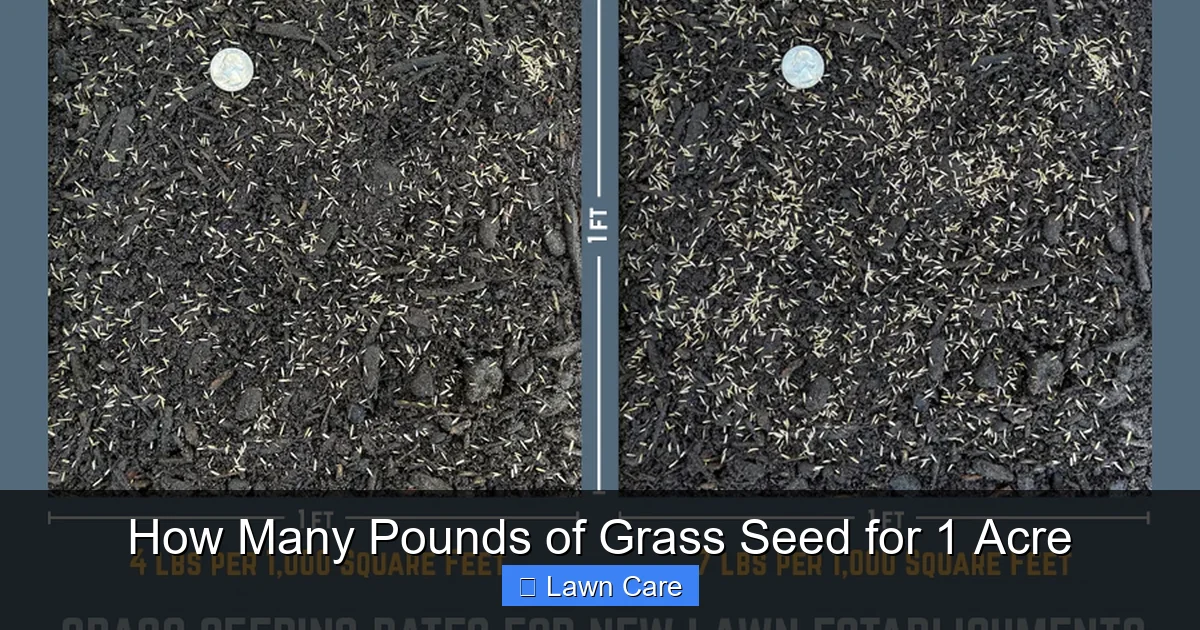
Visual guide about How Many Pounds of Grass Seed for 1 Acre
Image source: alseed.com
Several elements come into play when determining how many pounds of grass seed you’ll need for one acre. Ignoring these can lead to an incorrect estimate.
1. Grass Type: The Biggest Influencer
Different grass species have unique seed characteristics. This includes seed size, shape, and germination rate, all of which impact how densely you need to sow them.
Cool-Season vs. Warm-Season Grasses
* Cool-season grasses (like Fescues, Ryegrass, and Bluegrass) are typically planted in cooler climates and often have smaller seeds. They may require a higher seeding rate per square foot to achieve good coverage.
* Warm-season grasses (like Bermuda, Zoysia, and Centipede) are suited for warmer regions and can sometimes be established with slightly lower seeding rates due to their growth habits.
Seed Size and Density
Smaller seeds, like those of fine fescues, tend to be planted at higher rates by weight because you need more individual seeds to cover the same area. Coarser seeds, like some ryegrass varieties, might require a lower rate.
Example: Fescue vs. Bermuda
For example, a typical seeding rate for Tall Fescue might be 6-8 pounds per 1,000 square feet, while a rate for Bermuda might be 1-2 pounds per 1,000 square feet when starting from seed. This shows a significant difference.
2. Seeding Method: How You Apply the Seed
The way you spread your grass seed directly impacts how well it makes contact with the soil. Good seed-to-soil contact is essential for germination.
Broadcasting by Hand or Spreader
When broadcasting, seeds are scattered over the soil surface. This method can sometimes lead to uneven distribution and less direct seed-to-soil contact, especially if the soil surface isn’t perfectly prepared. You might need to slightly increase the seeding rate to compensate for potential losses or unevenness.
Using a Slit Seeder or Overseeder
A slit seeder or overseeder is a machine that cuts shallow grooves into the soil and drops the seed directly into these furrows. This provides excellent seed-to-soil contact and often allows for a slightly lower seeding rate because more of the seed is likely to germinate.
Aerial Seeding
This method, often used for very large or inaccessible areas, involves dropping seed from an aircraft. It usually requires a higher seeding rate due to potential seed loss from wind and uneven distribution.
3. Lawn Condition and Purpose: New Lawn vs. Overseeding
The goal of your seeding project is a critical factor. Are you establishing a brand-new lawn from scratch, or are you filling in bare spots in an existing lawn?
Establishing a New Lawn
When creating a new lawn, you need to sow enough seed to ensure a thick, dense turf from the very beginning. This typically requires the highest seeding rate. For a new lawn, you’re aiming for complete coverage. If you’re starting a new lawn, learning how to prepare soil for grass seed is a crucial first step.
Overseeding an Existing Lawn
Overseeding involves spreading grass seed over an existing lawn to improve its density and health. The goal here is to fill in thin areas and introduce more resilient grass varieties. Because there’s already established grass, you’ll use a lower seeding rate than for a new lawn. The exact amount for overseeding can vary, but it’s generally less than establishing a new lawn. You might be interested in learning how much grass seed for overseeding to get a better idea of the differences.
4. Soil Health and Preparation
The condition of your soil significantly impacts germination success. Healthy, well-prepared soil promotes better seed-to-soil contact and provides nutrients for healthy seedling growth.
Compacted Soil
If your soil is heavily compacted, seeds may struggle to establish strong roots. Aeration is crucial before seeding.
Poor Nutrient Content
Lawns in areas with poor soil might benefit from a higher seeding rate, acting as a buffer to ensure some seeds find favorable conditions. Adding compost or a starter fertilizer can also help. The right soil is key, so understanding how to choose the right soil for new grass seed is important.
5. Environmental Conditions
Factors like sunlight, shade, and climate can influence your seeding strategy. For example, some grasses need more sun than others. How many hours of sun does Bermuda grass need is a good example of how environmental factors can influence grass choice and, by extension, seeding rates.
Calculating Pounds of Grass Seed for 1 Acre: Step-by-Step

Visual guide about How Many Pounds of Grass Seed for 1 Acre
Image source: media.kunduz.com
Now that we understand the influencing factors, let’s get down to the actual calculation.
Step 1: Determine Your Area in Square Feet
An acre is already defined as 43,560 square feet. If you are seeding a portion of an acre, you’ll need to measure that specific area. Use a measuring tape or estimate using common dimensions.
Step 2: Find the Recommended Seeding Rate for Your Grass Type
This is the most crucial step. Seeding rates are typically provided by the grass seed manufacturer on the product packaging or on their website. They are usually expressed in pounds per 1,000 square feet.
Consult Your Seed Bag
Always prioritize the recommendations on the seed bag you purchase. This is tailored to that specific blend or variety. Look for phrases like “seeding rate,” “coverage rate,” or “application rate.”
General Seeding Rate Guidelines (for new lawns):
* **Tall Fescue:** 6-10 lbs per 1,000 sq ft
* **Perennial Ryegrass:** 8-10 lbs per 1,000 sq ft
* **Kentucky Bluegrass:** 1-2 lbs per 1,000 sq ft
* **Fine Fescues (Creeping Red, Chewings, Hard):** 5-8 lbs per 1,000 sq ft
* **Bermuda Grass (seed):** 0.5-2 lbs per 1,000 sq ft (Note: Bermuda is often established via sod or sprigs).
* **Zoysia Grass (seed):** 1-3 lbs per 1,000 sq ft (Note: Zoysia is also often established via sod or plugs).
Important Note on Other Grass Types
If you’re unsure about your specific grass type, it’s always best to consult with a local nursery or a lawn care professional. Knowing how many types of grass are there can be overwhelming, so focusing on your region and desired lawn characteristics is key.
Step 3: Convert the Seeding Rate to Your Total Area
Once you have the seeding rate in lbs per 1,000 sq ft, you can scale it up for your entire acre.
Calculation Formula:
(Seeding Rate in lbs / 1,000 sq ft) * (Total Square Footage of Area) = Total Pounds of Seed Needed
Example Calculation for 1 Acre (43,560 sq ft):
Let’s say your chosen grass seed blend has a recommended seeding rate of 7 pounds per 1,000 square feet for establishing a new lawn.
* **Step 1:** Area = 43,560 sq ft
* **Step 2:** Seeding Rate = 7 lbs / 1,000 sq ft
* **Step 3:** Calculation:
(7 lbs / 1,000 sq ft) * 43,560 sq ft = 304.92 lbs
So, for one acre, you would need approximately 305 pounds of this specific grass seed blend for a new lawn. This is a good starting point for understanding how much grass seed per acre is generally needed.
Step 4: Adjust for Overseeding (If Applicable)
If you are overseeding, you will use a reduced rate. A common guideline for overseeding is to use about 50-75% of the rate recommended for a new lawn.
Example Calculation for Overseeding 1 Acre:
Using the same Tall Fescue blend with a new lawn rate of 7 lbs per 1,000 sq ft:
* **New lawn rate for 1 acre:** 305 lbs (from previous example)
* **Overseeding rate (e.g., 60% of new lawn rate):** 305 lbs * 0.60 = 183 lbs
So, for overseeding one acre, you might need around 183 pounds of the same seed.
Step 5: Account for Seed Quality and Germination Rate
Some seed bags might state a germination rate. While not directly used in the poundage calculation, a lower germination rate means fewer seeds will sprout, potentially requiring a slightly higher application rate if you’re not getting the specified rate from the manufacturer. However, sticking to the manufacturer’s recommended rate is generally sufficient.
Practical Tips for Seeding an Acre

Visual guide about How Many Pounds of Grass Seed for 1 Acre
Image source: wikihow.com
Seeding such a large area requires planning and the right equipment.
Equipment Needs
* Spreader: For an acre, you’ll likely need a broadcast spreader with a large hopper capacity. Consider a tow-behind spreader if you’re using a riding mower or ATV.
* **Aerator:** Essential for loosening compacted soil and improving seed-to-soil contact.
* **Rake:** For final soil preparation and lightly covering broadcast seed.
* **Watering System:** A reliable way to keep the seed moist is critical. This could involve a hose with a good sprinkler head or an irrigation system.
Buying Seed in Bulk
Buying grass seed for an acre often means purchasing in bulk. This can be more economical. Many garden centers and agricultural supply stores sell seed in large bags (e.g., 50 lbs, 100 lbs).
Don’t Forget About the Soil
Before you even think about seed, ensure your soil is ready. This involves testing your soil, amending it with compost, and ensuring proper pH. A good foundation makes all the difference. Learning how to plant grass seed for beginners also applies to larger areas.
Troubleshooting Common Seeding Issues
Even with careful planning, you might encounter challenges.
Low Germination Rates
* Cause: Poor seed-to-soil contact, insufficient moisture, extreme temperatures, old seed, or soilborne diseases.
* Solution: Ensure proper soil preparation, consistent watering, and consider soil testing to identify any underlying issues. If you’re concerned about how long it takes for seeds to sprout, remember that germination times vary by grass type. For instance, how long does it take for Bermuda grass seed to germinate is different from other types.
Uneven Patchy Growth
* Cause: Uneven seed distribution, poor soil compaction in certain areas, or inconsistent watering.
* Solution: Calibrate your spreader carefully and overlap passes. Address soil compaction with aeration. Ensure all seeded areas receive consistent moisture.
Weeds Taking Over
* Cause: Existing weed seeds in the soil, or weeds germinating faster than grass.
* Solution: Proper soil preparation can disturb weed seeds. Using a starter fertilizer can help grass establish quickly, outcompeting weeds. If weeds are a persistent problem, you might need to research pre-emergent herbicides before seeding, or post-emergent solutions after establishment.
Conclusion: Your Blueprint for a Lush Acre
Calculating how many pounds of grass seed for 1 acre is no longer a daunting task. By understanding the critical factors—grass type, seeding method, lawn condition, and soil health—you can confidently determine the right amount of seed. Always refer to your specific seed product’s recommendations and use the conversion formula to scale it to your entire acre.
A well-planned seeding project is the first step towards a beautiful, healthy lawn that you can enjoy for years to come. Remember, investing in the right amount of seed and proper preparation will save you time and money in the long run. Happy seeding!