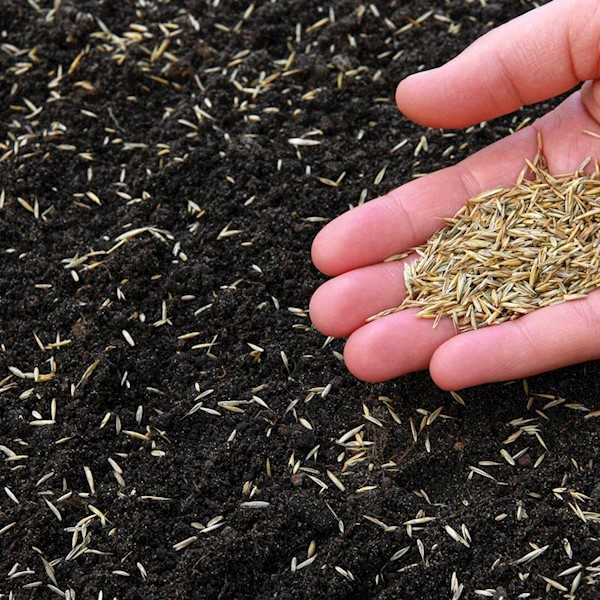
Choosing the right soil is the secret to a lush, healthy lawn that turns heads. The key is selecting soil that provides good drainage, plenty of nutrients, and the right pH level to support grass growth. When you start with quality soil, your new grass seed has the best chance to thrive from the very beginning.
In short, pick soil that is well-draining yet moist, rich in organic matter, and has a neutral pH for optimal grass germination. Ensuring your soil is prepared properly will lead to stronger roots and a vibrant, green lawn that lasts.
Getting your lawn off to a great start begins with understanding what kind of soil your yard has and how to improve it if needed. Often, soil quality is the difference between a patchy, weak lawn and one that’s dense and green. Think about testing your soil’s pH and nutrients, then amending it with compost or other organic materials to boost its fertility. Opt for soil that drains well but doesn’t dry out too quickly—this balance helps grass roots develop deep and strong. Remember, taking time to prepare the perfect soil foundation now means less trouble later and a lawn you’ll love showing off.

How to choose the right soil for new grass seed
Understanding the importance of soil quality
Good soil provides a strong foundation for new grass seed to grow. It supplies essential nutrients, retains moisture, and allows roots to spread easily. Choosing the right soil increases the chances of a thick, healthy lawn.
Testing your soil before planting
Before adding any soil, test your existing soil to understand its pH and nutrient levels. Use a simple soil testing kit available at garden centers or send samples to a lab for detailed analysis. This step helps you know what amendments are necessary.
How to interpret soil test results
A soil pH between 6.0 and 7.0 is ideal for most grasses. If your soil is too acidic or alkaline, you might need to add lime or sulfur. Nutrient deficiencies, such as low nitrogen or phosphorus, should be addressed to promote healthy seed growth.
Selecting the right soil type for your yard
Choosing the correct soil type is vital for establishing a lush lawn. The three main types are sandy, clay, and loamy soils, each with different qualities.
Sandy soil
Sandy soil drains quickly and warms up fast in spring. However, it often lacks nutrients and retains less moisture. To improve sandy soil, mix in organic matter like compost or peat moss.
Clay soil
Clay holds nutrients and moisture well but can become compacted and drain poorly. To loosen clay soil, add coarse sand and organic compost to improve drainage and aeration.
Loamy soil
Loamy soil offers a balanced mixture of sand, silt, and clay, making it the best for most grass types. It retains moisture while draining efficiently and is rich in nutrients.
Amending soil for optimal conditions
If your soil isn’t ideal, amendments can improve its quality. Organic matter like compost enhances structure, adds nutrients, and boosts microbial activity. Lime or sulfur can adjust pH, making the soil more hospitable for grass seed.
How to amend soil
Mix compost into the top 4 to 6 inches of soil using a garden rake or tiller. Spread lime or sulfur evenly based on soil test recommendations. Regularly aerate and add organic material annually to maintain soil health.
Choosing the right soil mix for overseeding or new lawns
For new lawns or overseeding, select a soil mix that promotes seed germination and root development.
Recommended soil composition
Create a blend that contains:
- 40% organic compost or topsoil
- 30% coarse sand
- 30% peat moss or other organic material
This mixture ensures good drainage, nutrient availability, and seed-to-soil contact.
Understanding soil pH and adjusting it
Proper pH levels boost grass seed germination and growth. Most grasses prefer a pH between 6.0 and 7.0.
How to test and adjust pH
Use a soil pH test kit to measure levels. If your soil is too acidic (below 6.0), add lime to raise pH. If it’s too alkaline (above 7.0), add sulfur or peat moss to lower pH. Re-test after amendments to verify the adjustment.
Considering drainage and aeration
Good drainage prevents waterlogging, which can drown developing roots. Aeration enhances oxygen flow and reduces soil compaction.
How to improve drainage
Mix coarse sand or organic matter into clay soils. Install drainage systems if necessary, especially in low-lying areas prone to standing water.
Practicing soil aeration
Use a garden fork or aerator tool to poke holes into the soil. This process creates space for roots and improves water and nutrient penetration.
Maintaining soil health in the long term
Healthy soil requires ongoing care. Regularly add organic matter, avoid compacting the soil, and control weeds that compete for nutrients.
Long-term soil management tips
Apply compost annually, mow your lawn at the proper height, and irrigate deeply and infrequently. These practices help maintain soil vitality for ongoing lawn success.
Related topics to consider
- Choosing grass seed based on soil type
- Watering techniques for new lawns
- Preventing soil erosion and compaction
- Using organic fertilizers for soil enrichment
Choosing the right soil for your new grass seed lays the groundwork for a thriving lawn. By understanding soil types, testing and amending your soil, managing pH, and ensuring proper drainage, you give your grass the best start. With these steps, you’ll be well on your way to a lush, green yard that lasts for years.
Frequently Asked Questions
What soil characteristics are ideal for new grass seed growth?
Choose soil that is well-draining and rich in organic matter. It should have a balanced pH level, ideally between 6.0 and 7.0, to support healthy root development. The soil must be loose enough to allow roots to penetrate easily while retaining sufficient moisture to keep the grass hydrated.
How does soil preparation impact the success of new grass seed?
Proper soil preparation creates an optimal environment for germination and growth. Breaking up compacted soil, removing debris, and incorporating compost improve soil aeration and nutrient availability. These steps ensure seeds have good contact with the soil, which encourages strong root establishment and even growth.
What type of amendments should I add to the soil before planting grass seed?
Add organic amendments like compost or peat moss to enhance soil fertility and moisture retention. If the soil is too acidic or alkaline, consider adding lime or sulfur to adjust the pH. These improvements make the soil more hospitable for grass roots and promote healthier growth.
How can I determine if my soil has the right drainage properties?
Perform a simple drainage test by digging a small hole and filling it with water. If the water drains within a few hours, your soil drains well. If it remains wet longer, you may need to improve drainage by adding sand or organic matter, or by creating a graded slope to prevent water pooling.
What is the best way to test my soil’s nutrient levels before seeding?
Use a soil testing kit or send a sample to a local extension service for analysis. The results will show nutrient levels such as nitrogen, phosphorus, and potassium. Based on the findings, you can apply appropriate fertilizers to supply deficiencies and foster a healthy environment for your new grass.
Final Thoughts
Choosing the right soil for new grass seed involves assessing soil texture, drainage, and nutrient content. Opt for well-draining soil rich in organic matter to promote healthy root growth. Test your soil to determine pH and nutrient levels, making necessary amendments.
Focus on soil that supports water retention without becoming waterlogged, ensuring your grass gets consistent moisture. Remember, how to choose the right soil for new grass seed influences germination success and long-term lawn health.