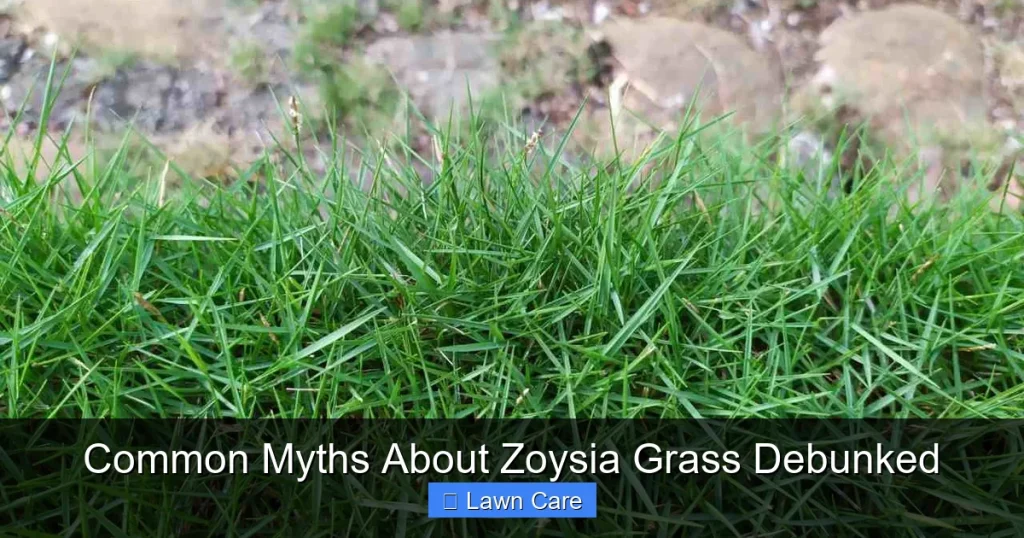
Zoysia grass is a popular choice for many homeowners, but a lot of misconceptions surround it. This article debunks common myths about Zoysia grass, covering its spread, maintenance, and resilience. Understanding the reality behind these myths helps you make informed decisions for a beautiful, healthy lawn.
There’s a lot to love about Zoysia grass. Its dense, attractive turf makes a beautiful addition to any yard. It’s tough, can handle a good amount of foot traffic, and stays green and lush through the warmer months. But like any popular lawn grass, Zoysia has its fair share of myths swirling around it. These misunderstandings can lead to incorrect expectations and, frankly, a lot of confusion for homeowners trying to achieve their dream lawn.
So, let’s clear the air! Today, we’re going to tackle some of the most common myths about Zoysia grass and replace them with the real facts. Armed with accurate information, you’ll be better equipped to decide if Zoysia is the right choice for your lawn and how to care for it effectively. Forget what you *think* you know about Zoysia grass, and let’s get to the truth!
## Myth 1: Zoysia Grass Spreads Like Wildfire and Takes Over Everything
This is probably one of the biggest and most persistent myths about Zoysia grass. People often imagine it as a relentless invader, choking out other plants and even creeping into flower beds with unstoppable force. While it’s true that Zoysia grass spreads, the idea of it being an uncontrollable menace is often exaggerated.
### The Reality of Zoysia’s Spread
Zoysia grass spreads through both underground rhizomes and above-ground stolons. This is how it forms that dense, beautiful carpet of turf. Its spreading nature is a big part of what makes it so good at filling in bare patches and creating a thick, weed-resistant lawn. However, “spreading” doesn’t automatically mean “out of control.”
* Rhizomes: These are underground stems that grow horizontally. They can extend several inches below the surface, allowing Zoysia to colonize new areas.
* Stolons: These are above-ground stems that creep along the surface of the soil. They root at nodes and can then send up new shoots, effectively creating new plants.
### How to Manage Zoysia’s Spread
The key to managing Zoysia’s spread lies in proactive and simple lawn maintenance. Think of it less like an invasion and more like a plant that needs a little guidance.
* Edging is Crucial: The most effective way to keep Zoysia from creeping into unwanted areas is regular edging. A clear boundary, whether it’s a physical edge along sidewalks and garden beds or even just a well-defined trench, will prevent its runners from crossing over. This is a standard lawn care practice for many grass types, not unique to Zoysia. You can learn more about how to edge a lawn with Zoysia grass cleanly in our dedicated guide.
* Regular Mowing: Mowing your Zoysia lawn at the recommended height also helps to manage its growth and spread. It encourages the grass to grow vertically and densely rather than sending out excessive runners.
* Dormancy Helps: Zoysia grass goes dormant and turns brown in cooler temperatures. This natural slowdown significantly reduces its spreading activity during fall and winter.
So, while Zoysia grass *does* spread, it’s not an untamable beast. With a little effort in edging and regular maintenance, you can easily keep it confined to your lawn area. The benefit of this spread is a resilient, self-healing lawn that looks fantastic.
## Myth 2: Zoysia Grass Needs Very Little Water, Making it a “Set It and Forget It” Lawn
Many people are drawn to Zoysia grass because of its reputation for drought tolerance. This is true – Zoysia is one of the more drought-resistant turfgrasses available. However, this has led to a misconception that it requires virtually no watering, which can be detrimental to its health.
### The Truth About Zoysia’s Water Needs
Zoysia grass is incredibly efficient with water use, especially compared to cool-season grasses. Its deep root system allows it to access moisture deeper in the soil profile. When conditions are dry, it can go dormant by turning brown, but this is a survival mechanism, not a sign of death. The grass will typically green up again when rainfall returns.
* Drought Tolerance: This means Zoysia can survive longer periods without watering than many other grasses. It’s a fantastic choice for regions with hot, dry summers.
* Establishment Needs Water: Newly planted Zoysia, whether from seed or sod, needs consistent moisture to establish a strong root system. During this initial phase, you cannot neglect watering.
* Extended Droughts Still a Challenge: Even drought-tolerant grasses can suffer if a drought is prolonged and severe. Without any supplemental watering, the grass can become stressed, develop thinning patches, and be more susceptible to damage.
### Best Practices for Watering Zoysia
To keep your Zoysia lawn healthy and green, especially during hot spells, follow these watering tips:
* Water Deeply and Infrequently: When you do water, aim to moisten the soil deeply. This encourages the roots to grow deeper, making the grass more resilient to dry conditions. Aim for about an inch of water per watering session.
* Monitor Soil Moisture: Don’t just water on a schedule. Check the soil moisture a few inches down. If it feels dry, it’s time to water. You can also look for visual cues like a bluish-gray tint to the grass or footprints that remain visible long after you’ve walked on it.
* Water in the Morning: Watering in the early morning is best. It allows the grass to absorb water before the heat of the day, and it minimizes water loss due to evaporation. Watering in the evening can sometimes lead to fungal issues if the grass blades remain wet overnight.
* Consider Your Climate: The amount of water Zoysia needs will vary significantly based on your local climate, soil type, and recent rainfall. For detailed advice, check out our guide on best practices for watering Zoysia grass in summer.
Zoysia grass is a water-wise choice, but it’s not entirely water-free. It requires sensible watering to thrive, particularly during establishment and prolonged dry spells.
## Myth 3: Zoysia Grass Absolutely Cannot Grow in Shade
Another common belief is that Zoysia grass is a sun-worshipper and will simply fail to grow in any area that receives less than full sun. While Zoysia is undeniably a sun-loving grass and performs at its peak in sunny conditions, it’s not entirely intolerant of shade.
### Understanding Zoysia’s Shade Tolerance
Most modern Zoysia cultivars possess a moderate degree of shade tolerance. This means they can survive and maintain a decent appearance in areas that receive partial shade, such as under trees with thinning canopies or on the north side of buildings.
* Full Sun is Ideal: Zoysia grass achieves its densest growth, most vibrant green color, and highest resilience in full sun (at least 6-8 hours of direct sunlight per day).
* Partial Shade is Tolerable: In areas with 4-6 hours of direct sunlight, or dappled shade throughout the day, Zoysia can still perform reasonably well. However, you might notice slightly slower growth and a less dense turf compared to sunny areas.
* Deep Shade is Problematic: Zoysia grass will struggle and likely die out in deep shade, such as under dense evergreen trees or in areas that receive very little direct sunlight.
### Tips for Growing Zoysia in Shady Areas
If you have areas with partial shade and are considering Zoysia grass, or already have it there, here’s what you can do:
* **Prune Trees:** Thin out the canopy of nearby trees to allow more sunlight to reach the lawn. This is a great way to improve light conditions for your Zoysia.
* Adjust Mowing Height: In shady areas, consider mowing Zoysia slightly higher. Longer grass blades can capture more sunlight.
* Reduce Fertilizer: Shady grass generally needs less fertilizer than grass in full sun. Over-fertilizing can lead to weak, leggy growth that is more susceptible to problems.
* Monitor for Pests and Diseases: Shady, damp areas can be more prone to fungal diseases. Keep an eye out and address any issues promptly. Understanding common problems with Zoysia grass and how to fix them is key here.
* Consider Other Grass Types: For areas with very deep shade, Zoysia might not be the best option. You might need to explore shade-tolerant grasses specifically suited for those conditions or consider alternative landscaping solutions.
So, while Zoysia grass thrives in the sun, don’t dismiss it entirely for partially shaded spots. With a little management, it can often hold its own.
## Myth 4: Zoysia Grass is High Maintenance and Difficult to Care For
The perception of Zoysia grass as a high-maintenance lawn can stem from its dense growth and the effort required for its initial establishment. However, once established, Zoysia is actually considered one of the lower-maintenance turfgrass options available, especially when compared to many cool-season grasses.
### The Low-Maintenance Advantage of Zoysia
Zoysia’s resilience and slow growth rate contribute to its low-maintenance nature. Once its root system is well-established, it requires less frequent mowing, less fertilization, and is relatively resistant to weeds.
* Reduced Mowing Frequency: Because Zoysia grows slower than many other grasses, it doesn’t need to be mowed as often. Typically, you’ll find yourself mowing less than once a week during the peak growing season. This is great news for anyone looking to save time and energy. Check out our guide on how to mow Zoysia grass for healthier growth.
* Less Need for Fertilization: Zoysia is not a heavy feeder. While it benefits from occasional fertilization, it doesn’t require the frequent feeding schedules that some other grasses do. Over-fertilizing can even be detrimental. Finding the right fertilization schedule is important, and you can explore options like [5 best fertilizer for zoysia grass](https://lawnhelpful.com/5-best-fertilizer-for-zoysia-grass/) to get started.
* Excellent Weed Suppression: The dense growth habit of Zoysia grass is its best defense against weeds. Once established, it forms such a thick mat that it leaves little room for weed seeds to germinate and grow. This means fewer herbicides are needed.
* Dormancy Reduces Work: During its dormant period in cooler months, Zoysia requires very little active lawn care.
### What “Maintenance” Does Involve?
While low-maintenance doesn’t mean “no maintenance,” the tasks required for Zoysia are generally straightforward:
* Regular Mowing: Still necessary, but less frequent.
* Occasional Watering: As discussed, it needs water, but it’s more drought-tolerant than many.
* Fertilization: A few applications per year are usually sufficient. Knowing when and how to fertilize is key, and [when and how to fertilize zoysia grass for best results](https://lawnhelpful.com/when-and-how-to-fertilize-zoysia-grass-for-best-results/) is a great resource.
* Aeration and Dethatching: Like any turf, Zoysia can benefit from occasional aeration to improve soil structure and dethatching if thatch builds up significantly.
* Edging: As mentioned, this is important to control spread.
Compared to the constant mowing, fertilizing, and potential pest/disease treatments needed for some other grasses, Zoysia is a clear winner for those seeking a beautiful lawn with less hassle.
## Myth 5: Zoysia Grass is Highly Susceptible to Pests and Diseases
This myth often arises from a general concern about lawn health rather than specific knowledge about Zoysia. In reality, Zoysia grass is known for its impressive resistance to many common lawn pests and diseases.
### Zoysia’s Natural Defenses
Zoysia’s tough, dense growth pattern provides a natural barrier against many common lawn threats. Its strong root system also helps it recover quickly from minor stresses.
* Pest Resistance: Zoysia is generally resistant to common pests like grubs, chinch bugs, and armyworms, which can wreak havoc on other turf types. While no grass is entirely immune, Zoysia rarely suffers significant damage from these pests.
* Disease Resistance: Similarly, Zoysia is quite resistant to most common turf diseases, including brown patch, dollar spot, and rust. This is a major advantage, as disease outbreaks can be costly and difficult to manage. You can learn how to treat brown patch disease in Zoysia grass if it ever occurs, but it’s usually less of a concern than with other grasses.
* Traffic Tolerance: Its ability to withstand heavy foot traffic also contributes to its overall health. When a lawn can handle activity, it’s less likely to develop weak spots where pests and diseases can take hold. This makes it a great option for active households, as [zoysia grass can survive heavy foot traffic](https://lawnhelpful.com/can-zoysia-grass-survive-heavy-foot-traffic/).
### When Problems *Can* Occur
While rare, Zoysia grass can still experience issues. These are often related to improper care or environmental stress rather than inherent weakness.
* Fungal Diseases in Wet Conditions: In extremely damp or poorly drained areas, Zoysia can become more susceptible to fungal diseases. Proper watering practices and good drainage are crucial.
* Chinch Bugs in Drought: While generally resistant, severe drought stress can sometimes make Zoysia more vulnerable to chinch bugs. Keeping the lawn adequately watered during dry periods is key.
* Grub Damage in New Lawns: Newly established Zoysia may be more vulnerable to grub damage before its root system is fully developed.
The bottom line is that Zoysia’s inherent toughness makes it one of the more problem-free grass types for homeowners. You’ll likely spend less time and money dealing with pests and diseases compared to many other lawn options.
## Myth 6: Zoysia Grass is Uncomfortable or Bad for Pets and Kids
Finally, some people worry that the dense, tough nature of Zoysia grass might make it uncomfortable for barefoot walks, playing fetch, or children’s playtime. This myth couldn’t be further from the truth! Zoysia grass is actually an excellent choice for family-friendly yards.
### The Family-Friendly Nature of Zoysia
When properly maintained, Zoysia grass forms a soft, thick, and resilient carpet that is wonderfully comfortable and safe for all members of the family, including your furry friends.
* Soft Texture: Many Zoysia varieties, especially newer cultivars, have a fine to medium leaf texture that is surprisingly soft underfoot. It’s not the prickly, coarse grass that some people imagine.
* Durable and Resilient: Its ability to withstand heavy traffic means it can handle kids running, dogs playing, and general outdoor activities without quickly developing bare spots. It bounces back remarkably well.
* Safe for Play: Unlike some rougher grasses that can cause irritation, Zoysia typically provides a comfortable surface for lounging, playing games, and even for pets to roll around on. It’s great for backyard barbecues and lazy summer afternoons.
* Reduced Allergens: For many people, Zoysia is a good choice as it is less allergenic than some other grasses. It’s also effective at preventing soil erosion, meaning less mud tracked into the house.
### Ensuring the Best Experience
To ensure your Zoysia lawn is as comfortable and enjoyable as possible for everyone:
* Keep it Mowed: Regular mowing at the appropriate height keeps the grass blades at a manageable length, contributing to a softer feel.
* Ensure Good Health: A healthy, well-watered, and fertilized Zoysia lawn will naturally be softer and more appealing than a stressed or neglected one.
* Avoid Over-Dormancy: While dormancy is natural, letting the lawn go completely brown and dry for extended periods might make it feel less plush.
So, if you’re concerned about whether your Zoysia lawn will be a comfortable and safe space for your children and pets, rest assured. It’s one of its many great advantages! You can read more about whether Zoysia grass is good for pets and kids to get further peace of mind.
## Conclusion: Zoysia Grass – More Fact Than Fiction
Zoysia grass is a fantastic lawn option for many climates, offering a beautiful, dense, and resilient turf. By debunking these common myths, we hope to provide a clearer picture of what to expect. It spreads, yes, but it’s manageable. It’s drought-tolerant, but it still needs water. It prefers sun but can handle some shade. And most importantly, it’s actually quite low-maintenance and incredibly family-friendly.
Understanding the realities behind these common misconceptions will help you make the best decisions for your lawn care. With accurate knowledge, you can truly appreciate and effectively manage your Zoysia grass for years of enjoyment. So, go forth and enjoy your tough, beautiful, and myth-busted Zoysia lawn!
- Myth: Zoysia grass spreads aggressively and takes over. Reality: While Zoysia spreads via rhizomes and stolons, its spread is manageable with proper edging and care.
- Myth: Zoysia grass needs very little water. Reality: Zoysia is drought-tolerant but still requires regular watering, especially during establishment and hot, dry periods.
- Myth: Zoysia grass can’t grow in shade. Reality: Most Zoysia varieties have moderate shade tolerance, but they perform best in full sun.
- Myth: Zoysia grass is high maintenance. Reality: Zoysia is actually quite low maintenance once established, requiring less mowing and fertilization than many other turf types.
- Myth: Zoysia grass is prone to pests and diseases. Reality: Zoysia is generally resistant to many common lawn pests and diseases.
- Myth: Zoysia grass is bad for kids and pets. Reality: Zoysia grass is typically soft, resilient, and safe for family use.
Quick Answers to Common Questions
Is Zoysia grass invasive?
No, Zoysia grass is not considered invasive in the same way that some exotic plants are. While it spreads actively through rhizomes and stolons, its spread can be effectively managed with regular edging and lawn maintenance, preventing it from becoming a problem in unwanted areas.
Does Zoysia grass need a lot of fertilizer?
Zoysia grass is a relatively low-maintenance turf and does not require as much fertilizer as some other grass types. It benefits from a few well-timed applications per year, but over-fertilizing can be detrimental.
Can Zoysia grass grow in clay soil?
Yes, Zoysia grass can grow in clay soil, though it prefers well-drained soil. Improving aeration and adding organic matter can help make clay soil more suitable for Zoysia growth.
How often should I water Zoysia grass?
Zoysia grass is drought-tolerant but still needs water. Water deeply and infrequently, aiming for about an inch of water per session when the soil feels dry a few inches down, especially during hot, dry periods.
Is Zoysia grass good for hot climates?
Absolutely. Zoysia grass is exceptionally well-suited for hot, dry climates due to its high heat tolerance and drought resistance, making it a popular choice in many warmer regions.
Frequently Asked Questions
How do I stop Zoysia grass from spreading into my flower beds?
Regularly use a lawn edger or spade to create a clean boundary between your lawn and flower beds. This physical barrier prevents the Zoysia runners (stolons) from creeping into unwanted areas.
Can Zoysia grass be overseeded?
Zoysia grass is a warm-season grass that goes dormant in the winter. It cannot be overseeded with cool-season grasses effectively, as they will die back in the heat. It is best established through sod or plugs.
Will Zoysia grass choke out weeds?
Yes, once established, the dense growth of Zoysia grass is very effective at suppressing most weeds by outcompeting them for sunlight, water, and nutrients.
What is the best time of year to fertilize Zoysia grass?
The best times to fertilize Zoysia grass are in the late spring or early summer, and again in the late summer or early fall. Avoid fertilizing during its dormant period or when it is under significant drought stress.
Is Zoysia grass a good choice for a sunny yard?
Zoysia grass thrives in full sun and is an excellent choice for sunny yards. It requires at least 6-8 hours of direct sunlight per day to achieve its best growth and appearance.
How long does it take for Zoysia grass to establish?
Zoysia grass grows relatively slowly. Sodded lawns can establish in a few weeks to months, while lawns grown from plugs or seed can take 2-3 years to reach full coverage and density.