
Curious about the playing surface in NFL stadiums? This guide delves into the number of stadiums that still boast natural grass fields. We’ll explore why some teams opt for turf while others stick with the traditional green, and touch upon the intense care required for these hallowed grounds. Discover the benefits of playing on real grass and the challenges involved.
How Many Nfl Stadiums Have Natural Grass
The roar of the crowd, the strategic plays, and the crisp thud of a kicked football – these are the sounds and sights of America’s favorite sport. But what about the ground beneath the players’ feet? The debate between natural grass and artificial turf in professional sports, particularly in the NFL, is a long-standing one. Many fans and players alike have a strong preference for the traditional feel and performance of real grass. But as technology advances and stadium needs evolve, artificial turf has become a viable and sometimes preferred option for some franchises. This guide will dive deep into the question that many football enthusiasts ponder: how many NFL stadiums have natural grass? We’ll explore the trends, the reasons behind the choices, and the incredible effort that goes into maintaining these iconic playing surfaces.
Key Takeaways
- Majority Favor Natural Grass: A significant majority of NFL stadiums still utilize natural grass for their playing fields, prioritizing the authentic playing experience and player preference.
- Turf’s Growing Influence: While natural grass remains dominant, some teams have transitioned to artificial turf due to climate challenges, multi-use needs, and perceived durability.
- Intensive Maintenance is Key: Maintaining a natural grass NFL field requires sophisticated agronomic practices, advanced technology, and dedicated groundskeeping crews.
- Player Preference and Safety: Many players express a preference for natural grass, believing it offers better footing and reduces certain injury risks compared to synthetic surfaces.
- Environmental and Aesthetic Appeal: Natural grass fields offer environmental benefits and a classic aesthetic that many fans and teams value.
- Economic Considerations: The initial cost and ongoing maintenance of natural grass fields are substantial, presenting a significant investment for NFL franchises.
- Technological Advancements: Innovations in turfgrass science and field management have made it possible to maintain high-quality natural grass even in challenging environments.
Understanding the NFL Field Landscape
The NFL has seen a significant shift in playing surfaces over the decades. In the early days, natural grass was the only option. However, the introduction and subsequent improvements in artificial turf technology have presented teams with a choice. This choice is often influenced by a multitude of factors, including climate, budget, the stadium’s design (domed or open-air), and the desire for versatility for other events.
The Prevalence of Natural Grass
As of recent seasons, the vast majority of NFL stadiums still feature natural grass playing surfaces. This is often seen as the gold standard by many players and traditionalists. The unique bounce of the ball, the way players can plant their feet, and the overall feel of the game are often cited as reasons for preferring real grass. It’s a surface that has a long history in the sport and is deeply ingrained in its identity.
The Rise of Artificial Turf
Despite the prevalence of grass, artificial turf has gained traction in the league. Several factors contribute to this trend. For teams in colder climates with shorter growing seasons or stadiums with retractable roofs that limit sunlight, maintaining a healthy natural grass field can be an enormous challenge. Artificial turf offers consistency and durability, requiring less intensive daily care once installed, and can withstand more events and weather conditions. This versatility is appealing for stadiums that host concerts, other sporting events, or have demanding schedules.
Factors Influencing Field Choice
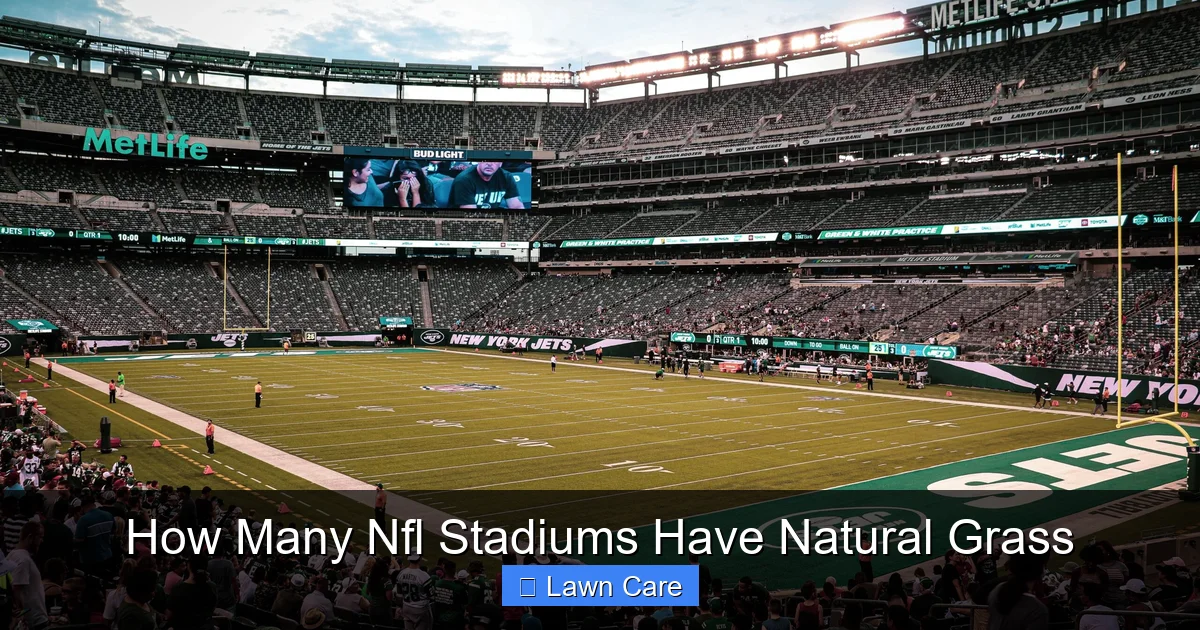
Visual guide about How Many Nfl Stadiums Have Natural Grass
Image source: thestadiumsguide.com
The decision to opt for natural grass or artificial turf isn’t made lightly. It involves a complex interplay of practical, economic, and performance-related considerations.
Climate and Geography
This is arguably one of the biggest determinants. Teams located in regions with harsh winters, excessive rainfall, or prolonged periods of drought often face immense challenges in keeping a natural grass field in peak condition year-round. For example, maintaining a lush green field in Green Bay during the winter months is a feat of incredible agronomy. Conversely, teams in warmer climates with ample sunlight have a more natural advantage. Understanding how many hours of sun does Bermuda grass need, for instance, is crucial for teams in warmer regions aiming to grow and maintain a healthy turf.
Stadium Design
Whether a stadium is an open-air venue or a domed structure significantly impacts field maintenance. Domed stadiums, while protecting from weather, can limit the natural sunlight and airflow essential for grass growth. This often necessitates advanced lighting systems and specialized turf management techniques. Open-air stadiums are more susceptible to weather, but they offer better natural conditions for grass.
Player Preference and Safety
A significant number of NFL players advocate for natural grass. They often report feeling that natural grass provides better traction, allowing them to make sharper cuts and plant their feet more effectively. Many also believe it leads to fewer lower-body injuries compared to some artificial turf surfaces, although research on this topic is ongoing and often debated. The debate over player safety on different surfaces is a critical consideration for the league and its players.
Maintenance and Cost
Natural grass requires meticulous and often costly maintenance. This includes regular watering, mowing, fertilization, aeration, and pest control. Teams with natural grass fields typically employ dedicated groundskeeping crews who are experts in turf management. While the initial installation cost of artificial turf can be high, its long-term maintenance costs are often considered lower and more predictable than those associated with natural grass, especially in challenging climates. However, the lifespan of artificial turf is also a consideration, as it needs replacement every 8-10 years.
Versatility for Multiple Events
Many modern stadiums are designed to host a variety of events beyond NFL games, such as concerts, college football games, or other entertainment spectacles. Artificial turf is often more resilient and can better withstand the heavy foot traffic and equipment associated with these diverse events. This makes it an attractive option for venues aiming to maximize their revenue streams.
How Many NFL Stadiums Have Natural Grass?
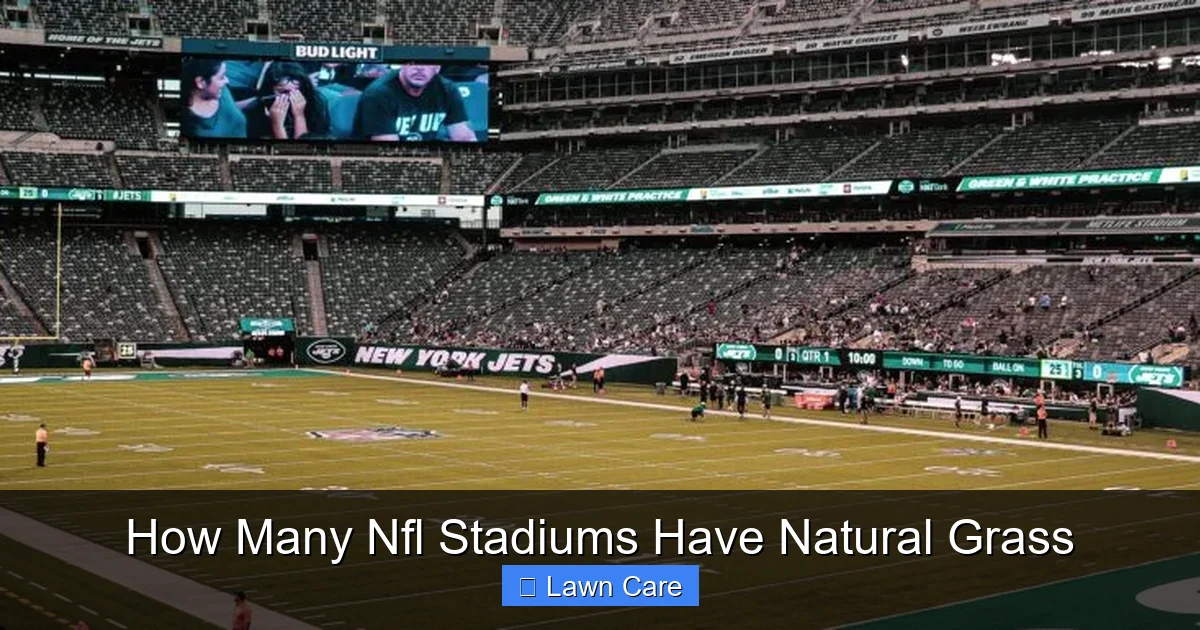
Visual guide about How Many Nfl Stadiums Have Natural Grass
Image source: thestadiumsguide.com
Pinpointing an exact, unchanging number can be tricky as decisions can change. However, based on recent information and trends, the majority of NFL stadiums still feature natural grass playing fields. While specific numbers can fluctuate slightly year-to-year due to renovations or team decisions, a strong consensus indicates that well over half, and often closer to two-thirds, of the league’s stadiums play on real grass.
The Traditionalists: Stadiums with Natural Grass
Teams that continue to prioritize natural grass often do so for the benefits discussed above – player preference, the authentic game experience, and the aesthetic appeal. These stadiums are a testament to the dedication of their groundskeeping teams who work tirelessly to ensure the field is playable and pristine, week after week. Maintaining a high-quality natural grass field is a significant undertaking, often involving state-of-the-art technology and deep knowledge of turf science. For those interested in the nuances of grass care, understanding how to mulch grass clippings for natural fertilizer can offer insights into the types of practices that contribute to healthy turf.
The Modernists: Stadiums with Artificial Turf
A notable minority of NFL stadiums have made the switch to artificial turf. These decisions are usually driven by the practical challenges of climate, the need for extreme durability, or the desire for a consistent playing surface regardless of weather. The technology behind modern artificial turf has advanced significantly, offering surfaces that mimic the feel and performance of grass more closely than ever before.
The Art and Science of Maintaining Natural Grass NFL Fields
Visual guide about How Many Nfl Stadiums Have Natural Grass
Image source: nflqueries.acadlog.com
For the stadiums that choose to host games on natural grass, the commitment is immense. It’s a year-round job that requires a deep understanding of agronomy and cutting-edge technology.
Soil and Drainage
The foundation of any healthy natural grass field is its soil composition and drainage system. NFL groundskeepers meticulously manage the soil’s pH, nutrient levels, and compaction. Advanced drainage systems are crucial to prevent waterlogging, which can damage the turf and make the field unplayable.
Turfgrass Selection
The type of grass used is critical and often varies by climate. Cool-season grasses like Kentucky bluegrass, perennial ryegrass, and fescues are common in northern regions, while warm-season grasses like Bermuda grass and Zoysia are favored in the south. Knowing how many hours of sun does Bermuda grass need, for example, is essential for its successful cultivation in suitable climates. Identifying your current grass type, or knowing how do I know what kind of grass I have, is a fundamental step for any lawn care enthusiast, and it’s even more critical at the professional level.
Advanced Irrigation and Lighting
Sophisticated irrigation systems ensure that the grass receives the precise amount of water it needs. In domed or shaded stadiums, grow lights are used to supplement sunlight, providing essential photons for photosynthesis. These lights are often specialized and emit the correct spectrum of light to promote healthy grass growth.
Pest and Disease Management
Natural grass is susceptible to pests and diseases. Groundskeeping crews employ integrated pest management strategies, often using biological controls and targeted treatments to keep the turf healthy and resilient.
Wear and Tear Management
The constant traffic from players, especially during intense games and practices, takes a toll on the grass. Teams use various techniques to manage wear, including rotating practice fields, overseeding, and using specialized turf reinforcement systems. The goal is to ensure the field is playable and safe for every game.
The Future of NFL Playing Surfaces
The discussion about natural grass versus artificial turf is likely to continue. As turf technology evolves, and as environmental concerns and player safety remain paramount, teams will keep evaluating their options. It’s possible that we may see more hybrid systems, which combine natural grass with synthetic fibers for added durability, or continued advancements in artificial turf that further bridge the performance gap.
However, the enduring appeal of a perfectly manicured natural grass field, with its unique playing characteristics and classic aesthetic, ensures that it will remain a significant presence in the NFL for the foreseeable future. The dedication and expertise required to maintain these fields are a testament to the importance of tradition and the pursuit of excellence in professional sports. Whether you’re a casual fan or a dedicated groundskeeping enthusiast, understanding the complexities behind these playing surfaces offers a deeper appreciation for the game. For those who dream of replicating that perfect pitch on a smaller scale, resources on how to plant Bermuda grass sod or how to get Bermuda grass to spread can provide valuable insights.
In conclusion, while the exact number can shift, a substantial majority of NFL stadiums continue to feature natural grass. This preference is driven by a combination of player desires, tradition, and the unique playing experience that real grass provides. The ongoing commitment to maintaining these fields highlights their importance in the sport.