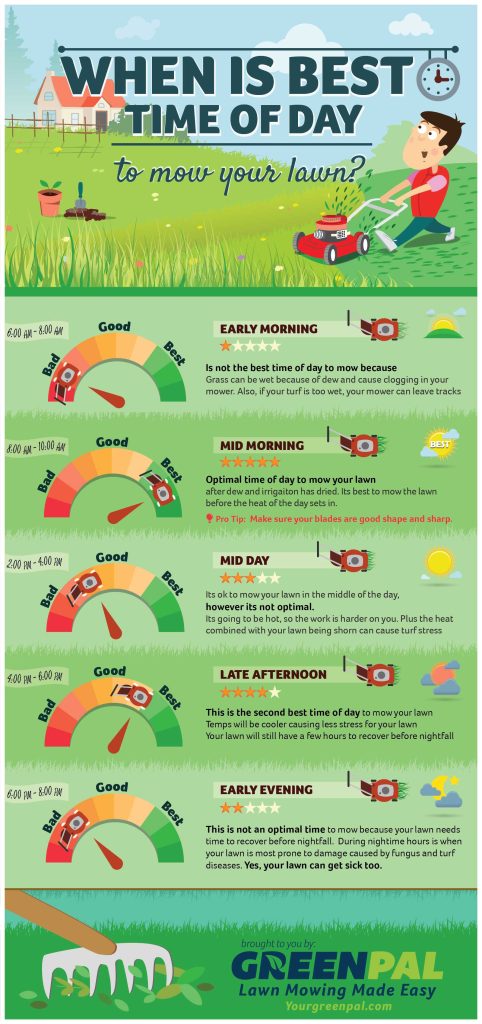
The best time to mow a lawn is when the grass is dry and on a weekly basis during the growing season. Mowing at the right time promotes healthy, lush grass and keeps pests at bay. It’s essential to avoid mowing when the grass is wet or during the hottest part of the day, as this can damage your lawn and lead to uneven cuts.
Mowing your lawn at the right time ensures it stays healthy and vibrant. Generally, the best time to mow is mid-morning or early evening when the grass has dried out, and the weather isn’t too hot. Regular mowing, combined with proper timing, helps maintain a beautiful, well-kept yard that invites you to relax and enjoy outdoor moments.

What is the Best Time to Mow a Lawn
Understanding the Growing Cycle of Your Grass
To know the best time to mow your lawn, first understand your grass’s growth patterns. Grass tends to grow most rapidly during warm, humid months. During this period, regular mowing keeps your lawn healthy and neat. Conversely, growth slows down in cooler months, requiring less frequent mowing. Recognizing these cycles helps you decide the optimal mowing times for your yard.
Ideal Time of Day to Mow Your Lawn
The best time of day to mow is early morning or late afternoon. In the morning, grass blades are still hydrated from overnight dew, making mowing easier and less damaging. Mowing during the heat of midday can stress the grass, especially when temperatures are high. Late afternoon mowing allows the grass to recover before nightfall, promoting healthy growth and minimizing stress.
Why Morning Mowing Is Preferred
Mowing in the early morning reduces the risk of fungal diseases that thrive in damp, warm conditions. Dew on the grass acts as a natural lubricant, resulting in cleaner cuts and less strain on your mower. Additionally, morning mowing prevents your lawn from drying out too quickly during the hotter afternoon hours.
Why Afternoon Mowing Is Also Good
Late afternoon mowing offers time for your grass to recover from the day’s heat. It also provides a cooler environment for you and your mower, making the task more comfortable. However, avoid mowing late in the evening to prevent cutting grass when it’s wet or too dry, which can harm the grass.
Considering Weather Conditions for Optimal Mowing
Weather plays a significant role in determining the right mowing time. Your goal should be to mow when the weather is dry, as wet grass can clog your mower and lead to uneven cuts.
Dry Weather Is Best
Mowing on dry days ensures clean cuts and healthier grass. Wet grass is heavier and can cause the mower blades to clog or tear rather than cut cleanly. Always wait at least 24 hours after rain or watering to mow your lawn.
Avoid Mowing During Extreme Heat or Cold
Heatwaves can stress your grass, so avoid mowing during the hottest part of the day in summer. Conversely, mowing during frost or when the ground is frozen can damage your lawn and stunt its growth.
Frequency of Mowing Based on Growth Rate
How often you mow depends on how quickly your grass grows. During peak growing season, you might need to mow once a week. In cooler seasons, mowing every two weeks or less may suffice.
Monitoring Grass Height
Use a ruler or your eyes to measure grass height. Keep it at an optimal height, usually between 2.5 to 3.5 inches. Regular mowing prevents grass from becoming too tall, which can lead to disease and pests.
Adjusting Mowing Schedule
Adjust your schedule based on growth rates and weather conditions. Don’t cut more than one-third of the grass height at a time, as this can stress the lawn.
Special Considerations for Different Grass Types
Different grass types have varying needs. For example, cool-season grasses like Kentucky bluegrass grow best in spring and fall. Warm-season grasses such as Bermuda or St. Augustine flourish during summer.
Cool-Season Grass Tips
Mow cool-season grasses early in the day during spring and fall. Allow them to grow longer during cooler weather and cut slightly shorter during the warmer months.
Warm-Season Grass Tips
Mow warm-season grasses in late morning or early afternoon when they are fully awake but not stressed by midday heat. Keep the height slightly higher to promote drought resistance.
Other Factors That Influence Mowing Time
Additional factors can affect when you should mow, such as lawn usage, landscape features, and pest control.
Refrain from Mowing During Lawn Heavy Use
Avoid mowing right after heavy foot traffic or outdoor activities that leave debris or damage on the grass.
Time for Pest and Disease Management
Timing your mowing to coincide with pest or disease cycles can help prevent outbreaks. Regular mowing can also reduce pest habitats and improve airflow around the grass.
Benefits of Proper Timing
Mowing at the right time promotes strong root growth, healthier grass, and a more attractive lawn. Proper timing also helps conserve water and reduces the need for lawn treatments.
Healthier Grass and Roots
Mowing when conditions are optimal encourages deep root development, making your lawn more resilient to drought and disease.
Enhanced Lawn Appearance
Consistently mowing at the right times creates a uniform, lush appearance. It also prevents overgrowth, which can hide pests and weeds.
Water Conservation
When grass is cut at the right height and time, it retains moisture better. This reduces the need to water frequently, saving resources and lowering costs.
Knowing the best time to mow your lawn involves considering the time of day, weather, grass type, and growth rate. Early morning and late afternoon are generally ideal, especially when the grass is dry and the weather is moderate. Regular mowing based on these factors will ensure a healthy, attractive lawn year-round. Proper timing not only improves your lawn’s health but also makes lawn care easier and more enjoyable.
What Time Should You MOW??
Frequently Asked Questions
What factors should I consider when deciding the best time to mow my lawn?
When planning to mow your lawn, consider the grass growth rate, weather conditions, and the time of day. Avoid mowing during rain or when the grass is wet to prevent damage. Also, aim to mow during early morning or late afternoon to minimize stress on the grass and reduce evaporation, which helps keep the soil healthy.
How does the season impact the ideal mowing time?
The season greatly influences the best mowing time. During peak growing seasons like spring and early summer, you may need to mow more frequently as grass grows rapidly. In the cooler months, reduce mowing frequency because growth slows down. Adjust your mowing schedule based on the seasonal growth patterns to maintain a healthy lawn.
Why is mowing at the right height important, and how does it relate to the best time to mow?
Mowing at the correct height promotes healthy grass and discourages weeds. Typically, avoid cutting more than one-third of the grass height at a time. The best time to mow at the right height is when the grass has grown sufficiently but hasn’t become too tall, usually every 7 to 10 days during active growth periods. Proper timing ensures a lush and resilient lawn.
Can mowing in the late evening harm my lawn health?
Mowing late in the evening isn’t recommended because grass needs time to dry out before nightfall. Wet grass can promote disease and fungi growth. Additionally, mowing late can stress the grass, especially if temperatures are still high. It’s best to mow earlier in the day when conditions are dry and temperatures are cooler.
How do weather conditions influence the ideal mowing time for my lawn?
Weather plays a crucial role in determining the best mowing time. Avoid mowing during extremely hot, windy, or rainy days. Hot weather can stress the grass, while rain makes the lawn wet and heavy, leading to uneven cuts and turf damage. Aim to mow when the weather is mild, dry, and the grass is firm to ensure the best results.
Final Thoughts
The best time to mow a lawn is early in the morning or late in the afternoon when the grass is dry and the temperature is cooler. Mowing during these times helps prevent stress on the grass and promotes healthy growth. Avoid mowing during the heat of the day or after rain, as this can damage the grass and make mowing difficult. So, what is the best time to mow a lawn? It is during these optimal periods when you can achieve a clean cut and maintain a beautiful, healthy yard.