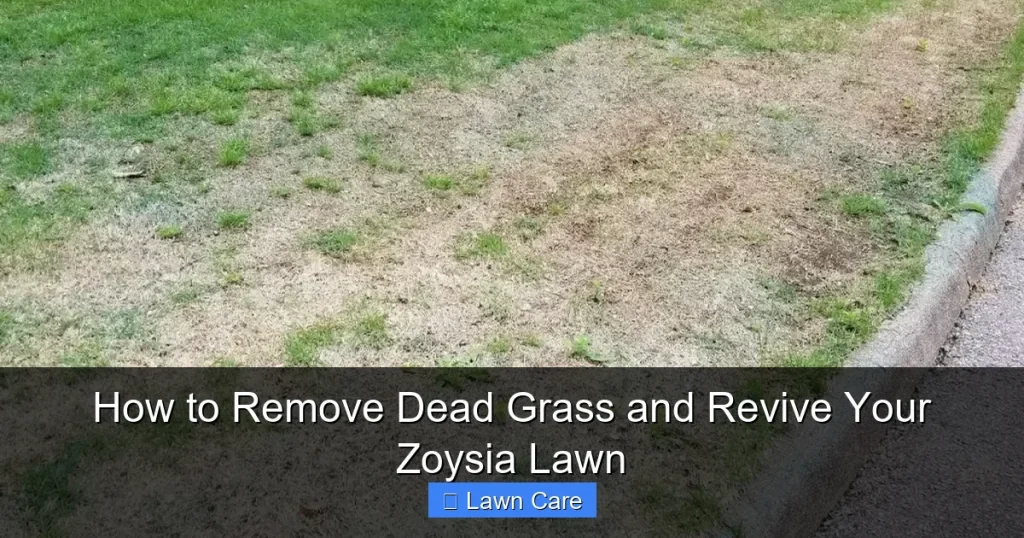
Seeing brown patches in your Zoysia lawn can be disheartening, but don’t worry! This guide explains how to effectively remove dead grass and implement strategies to revive your Zoysia to its lush, green glory. We’ll cover identifying the causes of dead grass, proper removal techniques, and the essential steps for rejuvenation and long-term health.
Is your beautiful Zoysia lawn looking less than its best? Seeing those unsightly brown patches can be a real bummer, especially when you’ve invested time and effort into creating a lush, green carpet. But before you throw in the towel and resign yourself to a less-than-perfect yard, know this: **dead grass on a Zoysia lawn can often be removed, and the lawn can be revived!** It takes a little detective work and some consistent effort, but with the right approach, you can bring your Zoysia back to its vibrant, healthy state.
Many homeowners mistake dormant Zoysia for dead Zoysia, especially during cooler months. However, true dead grass, characterized by a brittle, straw-like texture and an inability to spring back, requires a different approach. This article will guide you through identifying the real dead grass, effectively removing it, and implementing a comprehensive plan to revive your Zoysia lawn and keep it looking its best for seasons to come.
## Understanding Why Your Zoysia Grass is Dead
The first step in reviving your Zoysia lawn is figuring out *why* the grass has died in the first place. Zoysia is a resilient grass, so significant browning usually points to an underlying issue. Let’s break down the most common culprits:
### Drought Stress and Watering Issues
While Zoysia is known for its drought tolerance, it’s not invincible. Prolonged periods without adequate rainfall, especially during the hottest parts of the summer, can stress the grass to the point of dormancy or death. If the soil is consistently dry and the grass turns brown, it might be a watering issue.
* Signs: Uniform browning across the lawn, dry and brittle grass blades, and a hard, dry soil surface.
* Solution: Deep, infrequent watering is key. Zoysia prefers its soil to dry out slightly between waterings. Aim for about 1 inch of water per week, applied in one or two sessions. Water early in the morning to minimize evaporation.
### Diseases and Fungal Problems
Several fungal diseases can affect Zoysia lawns, leading to browning and dead patches. Common ones include brown patch, dollar spot, and rust. These are often exacerbated by high humidity, poor air circulation, and overwatering.
* Signs: Irregularly shaped brown patches, sometimes with a circular or ring-like pattern. You might see discolored rings or webbing in the morning dew.
* Solution: Proper mowing height and air circulation are important. Avoid watering late in the day. If you suspect a fungal disease, identify the specific one and use an appropriate fungicide. Improving soil drainage can also help.
### Pest Infestations
Grubs, chinch bugs, and other soil-dwelling insects can wreak havoc on Zoysia lawns by feeding on the roots. This can lead to large, irregular brown patches that may feel spongy.
* Signs: Yellowing or browning patches that can be easily pulled up because the roots have been eaten. You might see the pests themselves if you dig into the turf.
* Solution: Inspect your lawn for signs of pests. If found, use a lawn insecticide appropriate for the specific pest. Natural or biological controls are also available. Addressing pest issues promptly is crucial to prevent widespread damage.
### Thatch Buildup
Thatch is a layer of dead and living shoots, stems, and roots that accumulate between the green grass blades and the soil surface. A moderate amount of thatch is normal and even beneficial, but excessive thatch (more than half an inch) can suffocate the grass, prevent water and nutrients from reaching the roots, and harbor pests and diseases.
* Signs: A spongy feel to the lawn, reduced water penetration, and increased susceptibility to pests and diseases. Dead grass might sit on top of this thick layer.
* Solution: Dethatching is necessary. This involves physically removing the excess thatch layer. This is typically done in late spring or early summer when Zoysia is actively growing. You can use a power dethatcher or a stiff rake. For more on this, check out how to dethatch your lawn for stronger grass growth.
### Improper Mowing Practices
Mowing too short, especially during hot weather, can stress Zoysia and lead to dead patches. Dull mower blades can also tear the grass, making it susceptible to disease and browning. Zoysia generally prefers a slightly higher mowing height.
* Signs: Yellowing or browning tips, especially after mowing. Patches may appear where the mower scalped the lawn.
* Solution: Always use sharp mower blades. Maintain the recommended mowing height for Zoysia, which is typically between 1/2 to 2 inches. Never remove more than one-third of the grass blade at a time.
### Extreme Temperatures and Winter Kill
While Zoysia is a warm-season grass and goes dormant (turns brown) in cooler temperatures, extreme cold snaps can sometimes cause damage beyond dormancy, leading to dead grass. Conversely, extreme heat waves, especially combined with drought, can also kill turf.
* Signs: Widespread browning, especially after a harsh winter or a severe heatwave. The grass will remain brown even when temperatures are favorable for growth.
* Solution: Prevention is key. Ensure your lawn is well-hydrated going into winter. For heat stress, ensure adequate watering during hot periods. If winter kill is extensive, you may need to reseed or resod affected areas.
## Removing Dead Grass From Your Zoysia Lawn
Once you’ve identified the likely cause (or causes) of your dead Zoysia grass, it’s time to physically remove the dead material. This step is crucial for allowing air and sunlight to reach the soil and encouraging new growth. Remember, the goal is to remove the dead, brittle stuff, not healthy, green grass.
### Raking and Grooming
For areas with light dead grass or thatch, a thorough raking can do wonders. Use a stiff, power lawn rake or a strong, fan-shaped rake.
1. Choose the Right Time: Wait until late spring or early summer when Zoysia is actively growing and has the best chance to recover and spread.
2. Work in Two Directions: Rake in one direction, then go over the same area again in the perpendicular direction. This helps lift embedded dead grass and thatch.
3. Collect Debris: Gather all the loosened dead grass and thatch and dispose of it. Composting is a great option for this organic material.
### Dethatching (Power Raking)
If thatch buildup is a significant problem, dethatching is essential. This is a more aggressive process than simple raking.
1. Use a Dethatcher: Rent or buy a power dethatcher. These machines have tines that dig into the turf to pull out thatch.
2. Adjust Depth: Set the dethatcher to a moderate depth initially. You can go deeper if needed, but be careful not to damage the living grass roots.
3. Follow Up: After dethatching, you’ll have a significant amount of debris. Rake this material up and remove it. This is an excellent time to consider [how to remove dead grass from lawn](https://lawnhelpful.com/how-to-remove-dead-grass-from-lawn/) if you have widespread issues.
### Physical Removal of Dead Turf
In cases of severe dead patches where the turf is completely gone, you might need to physically remove the dead sod.
1. Cut Around the Patch: Use a sharp spade or sod cutter to cut around the perimeter of the dead patch.
2. Lift and Remove: Carefully lift the dead sod and roll it up or cut it into smaller pieces for removal.
3. Prepare the Soil: Loosen the soil beneath the removed patch with a rake or cultivator. This will help new roots penetrate easily.
## Reviving Your Zoysia Lawn: Encouraging New Growth
Simply removing the dead grass isn’t the end of the story. To truly revive your Zoysia lawn, you need to encourage new, healthy growth and prevent future problems. This involves a combination of soil preparation, proper feeding, and vigilant care.
### Aeration
Aeration involves creating small holes in the soil, which relieves compaction and improves air, water, and nutrient penetration to the root zone. This is especially beneficial if compacted soil was a contributing factor to your dead grass.
* When to Aerate: Aerate when Zoysia is actively growing, typically late spring or early summer.
* How to Aerate: Use a core aerator (which pulls out plugs of soil) for the best results. You can rent one or hire a professional.
* After Aerating: Leave the soil plugs on the lawn; they will break down naturally.
### Fertilization
Proper fertilization provides the essential nutrients your Zoysia needs to recover and thrive. Since Zoysia is a warm-season grass, it benefits most from feeding during its active growing season.
* Timing: Fertilize in late spring after the grass has fully greened up and again in early to mid-summer. Avoid fertilizing when the grass is stressed or dormant.
* Type of Fertilizer: Use a balanced lawn fertilizer, or one specifically formulated for warm-season grasses. Look for a slow-release nitrogen fertilizer for sustained feeding. Follow the application rates on the product label carefully. For more details on feeding your Zoysia, consult [when and how to fertilize Zoysia grass for best results](https://lawnhelpful.com/when-and-how-to-fertilize-zoysia-grass-for-best-results/).
### Overseeding (If Necessary)
If you have large bare patches after removing dead grass, overseeding can help fill them in. However, Zoysia spreads via rhizomes and stolons, so it can often fill in smaller bare spots on its own if conditions are favorable.
* When to Overseed: The best time is in late spring or early summer when Zoysia is actively growing.
* Seed Selection: Use high-quality Zoysia seed. If you’re patching, try to match the variety of your existing lawn.
* Preparation: Loosen the soil in the bare areas and lightly rake in the seed. Keep the area consistently moist until germination. You might also consider [how to overseed your lawn for a thick and lush look](https://lawnhelpful.com/how-to-overseed-your-lawn-for-a-thick-and-lush-look/) for overall lawn improvement.
### Watering for Recovery
Once you’ve removed the dead grass and addressed underlying issues, proper watering is critical for encouraging new growth.
* Initial Watering: After removing dead grass and preparing the soil, water the area thoroughly.
* Ongoing: Continue with deep, infrequent watering. Allow the top inch of soil to dry out between waterings, but ensure the grass gets enough to stay healthy. Zoysia loves a good drink, but not soggy feet!
## Preventing Future Dead Grass on Your Zoysia Lawn
The best approach to dead grass is prevention. By implementing consistent, proper lawn care practices, you can significantly reduce the chances of it returning.
### Smart Watering Habits
As mentioned, Zoysia is drought-tolerant, but it’s not immune. Consistent, deep watering is key. Water deeply once or twice a week, rather than shallowly every day. This encourages deep root growth, making the grass more resilient. Monitor your lawn for signs of stress, such as wilting or a dull, bluish-green color, and water accordingly. Protecting your lawn from heat stress and drought is a proactive measure that pays off.
### Proper Mowing Techniques
Mowing at the correct height is vital for Zoysia health. Generally, between 1/2 to 2 inches is ideal. Mowing too short can scalp the lawn and stress the grass. Always ensure your mower blades are sharp to make clean cuts, preventing tearing that can lead to browning and disease. Don’t remove more than one-third of the grass blade in a single mowing.
### Regular Fertilization Schedule
Follow a consistent fertilization schedule tailored for Zoysia. This provides the nutrients needed for strong growth and disease resistance. A late spring feeding after the initial green-up and a mid-summer feeding are usually sufficient for established lawns. Over-fertilizing can actually harm your lawn, so always follow product instructions.
### Timely Dethatching and Aeration
Periodically check your lawn for thatch buildup. If it’s exceeding half an inch, dethatch. Aerate your lawn every 1-3 years, especially if you have heavy clay soil or notice compaction. These practices improve soil health and allow resources to reach the roots.
### Weed and Pest Management
Keep an eye out for weeds and pests. Healthy, dense turf is the best defense against weeds. If you spot pests, identify them and treat them promptly with an appropriate solution. Some common weeds that can compete with Zoysia include crabgrass, so learning [how to remove crabgrass from your lawn effectively](https://lawnhelpful.com/how-to-remove-crabgrass-from-your-lawn-effectively/) is a good skill to have.
### Proper Soil Health
Zoysia thrives in well-draining soil. If you have heavy clay soil, consider amending it with compost to improve drainage and aeration over time. Healthy soil supports healthy grass.
## Troubleshooting Common Dead Grass Scenarios
Let’s look at a few common dead grass issues and how to tackle them with Zoysia in mind.
### Scenario 1: Large, Irregular Brown Patches in Summer
* Likely Cause: Grubs or chinch bugs.
* Action: Dig up a small section of the brown patch. If you find white, C-shaped grubs or small, dark insects with white markings (chinch bugs), treat with a lawn insecticide. Water the area thoroughly after application. Once the pests are gone, remove dead grass and consider reseeding or sodding if the patches are large.
### Scenario 2: Uniform Browning After a Dry Spell
* Likely Cause: Drought stress.
* Action: Water deeply and consistently. Zoysia is tough, and if it’s just dormant, it should recover with adequate moisture. If the grass is brittle and won’t spring back after watering, it may be dead and need to be removed and reseeded.
### Scenario 3: Brown Patches with Yellow Edges in Fall
* Likely Cause: Dormancy or early signs of winter kill.
* Action: This is often normal for Zoysia as temperatures cool. However, if you see significant browning and your grass remains brown through typical spring green-up, it might be dead. Assess the extent of the damage in spring. If it’s widespread, you may need to [revive a dead or damaged lawn](https://lawnhelpful.com/how-to-revive-a-dead-or-damaged-lawn/).
### Scenario 4: Bare Spots with No Grass at All
* Likely Cause: Could be anything from a disease outbreak, pest infestation, to even something like a pet urine spot.
* Action: Remove any remaining dead material. Loosen the soil, ensure good drainage, and reseed or sod the area. Keeping the soil moist during this phase is critical for successful regrowth. This is where learning [how to fix bare spots in your lawn quickly and easily](https://lawnhelpful.com/how-to-fix-bare-spots-in-your-lawn-quickly-and-easily/) becomes important.
## Conclusion: Patience and Persistence for a Lush Zoysia Lawn
Dealing with dead grass on your Zoysia lawn can be a frustrating experience, but it’s rarely a hopeless one. By carefully identifying the root cause, diligently removing the dead material, and implementing a targeted revival plan, you can restore your lawn to its former glory. Remember that Zoysia grass is a beautiful and rewarding choice for many climates, known for its dense growth and weed resistance.
The key to success lies in understanding Zoysia’s specific needs and responding proactively to any signs of stress or disease. Consistent care, including proper watering, mowing, and feeding, will not only help your lawn recover but will also fortify it against future problems. With a little patience and persistence, you’ll be enjoying a thick, green, and healthy Zoysia lawn all season long. Happy lawn care!
- Identify the Cause: Understanding why your Zoysia grass turned brown is the first step to effective removal and revival. Common culprits include drought, disease, pests, improper mowing, and thatch buildup.
- Remove Dead Grass Gently: Raking or using a dethatcher are key methods. For severely damaged areas, you might need to physically remove the dead turf.
- Address Underlying Issues: Simply removing dead grass isn’t enough. You must fix the root cause, whether it’s improving watering habits, treating a disease, or managing pests.
- Promote New Growth: Once the dead material is gone and issues are resolved, focus on encouraging new Zoysia growth through proper fertilization, aeration, and overseeding if necessary.
- Proper Watering is Crucial: Zoysia is drought-tolerant, but it still needs consistent watering, especially during establishment and extreme heat. Deep, infrequent watering is best.
- Regular Maintenance is Key: Ongoing care, including proper mowing, timely fertilization, and occasional dethatching, will prevent future dead grass issues and keep your Zoysia lawn healthy.
Quick Answers to Common Questions
What is the difference between dormant Zoysia and dead Zoysia?
Dormant Zoysia turns brown due to cold weather but will turn green again when temperatures rise and conditions are favorable. Dead Zoysia grass is brittle, straw-like, and will not recover, even with proper care and warmth.
Can I remove dead grass and immediately reseed my Zoysia lawn?
While you can reseed after removing dead grass, it’s best to address the underlying cause of the death first. If it was due to disease or pests, reseeding without treatment may lead to the new grass dying as well.
How often should I water my Zoysia lawn when reviving it?
When reviving, water deeply and more frequently initially to encourage new growth. Once established, transition to deep, infrequent watering (about 1 inch per week) to promote strong root systems.
Will my Zoysia grass fill in bare spots on its own?
Yes, Zoysia spreads through rhizomes and stolons, so it can fill in small bare spots over time. However, for larger areas or to speed up the process, overseeding or plugging may be necessary.
Is it better to rake or dethatch dead grass from my Zoysia?
Raking is suitable for light dead grass and thatch removal. Dethatching is a more aggressive process for removing thicker thatch layers, which can suffocate the grass and prevent water and nutrient penetration.
Frequently Asked Questions
Why is my Zoysia grass turning brown?
Zoysia grass can turn brown due to several factors, including drought stress, fungal diseases, pest infestations, excessive thatch buildup, improper mowing, or natural dormancy in cooler weather. Identifying the specific cause is key to effective treatment.
How long does it take for Zoysia grass to revive after removing dead patches?
The revival time depends on the extent of the damage and the underlying cause. With proper care and favorable conditions, you can expect to see new growth within a few weeks, but a fully recovered lawn might take an entire growing season.
Can I use a chemical herbicide to remove dead grass?
Herbicides are generally not used to remove dead grass. They are designed to kill living weeds. Removing dead grass is a physical process involving raking, dethatching, or digging, followed by steps to encourage new growth.
What is the best time of year to revive a Zoysia lawn?
The best time to revive a Zoysia lawn is during its active growing season, which is late spring to early summer. This allows the grass to recover and spread effectively with warmth and adequate moisture.
Should I fertilize before or after removing dead grass?
It’s generally best to fertilize after you have removed the dead grass and addressed any underlying issues. Fertilizing dead grass won’t help it recover and might even encourage weed growth in the newly cleared areas.
How can I prevent my Zoysia lawn from getting dead patches in the future?
Consistent, proper lawn care is crucial. This includes watering deeply and infrequently, mowing at the correct height with sharp blades, regular fertilization during the growing season, and timely aeration and dethatching to maintain soil health and prevent thatch buildup.