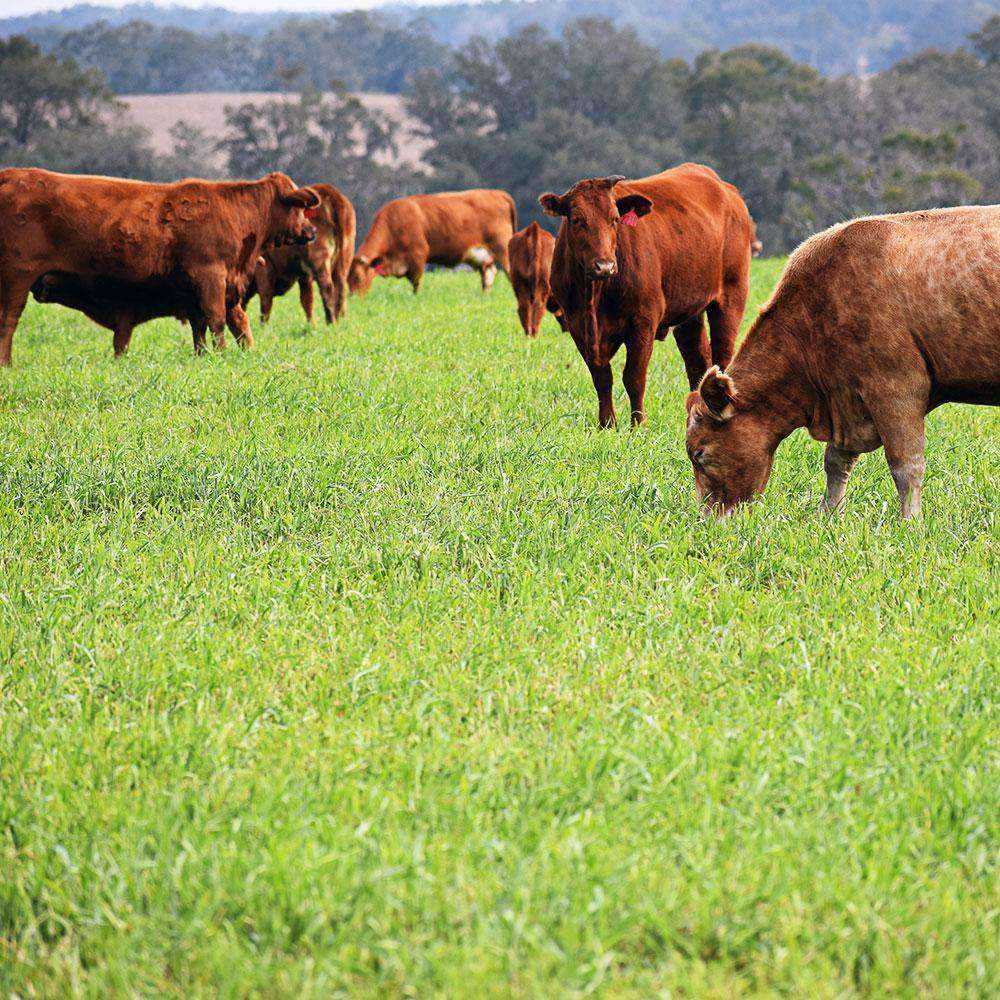
Yes, ryegrass is excellent for cattle, providing a nutritious, palatable, and fast-growing forage option that can boost their overall health and productivity. It’s a popular choice among farmers looking to improve their pasture quality and ensure their cattle get enough high-quality feed.
Ryegrass is highly beneficial for cattle because it’s rich in digestible nutrients and enhances milk production and weight gain. Its rapid growth and adaptability make it a reliable pasture option. In this article, we’ll explore why ryegrass is a top choice for cattle grazing, how it impacts their growth, and best practices for incorporating it into your farm. Whether you’re a seasoned farmer or just starting out, understanding the benefits of ryegrass can help you optimize your cattle’s diet and improve your farm’s productivity.

Is Ryegrass Good for Cattle
Introduction to Ryegrass and Its Role in Cattle Diets
Ryegrass is a popular forage grass that farmers often grow to feed cattle. It is known for its high nutritional value and fast-growing nature. Many cattle farmers consider ryegrass a good choice for pasture because it provides plenty of fresh, green feed during the growing season. Its widespread use makes it important to understand whether ryegrass is truly beneficial for cattle health and productivity.
Types of Ryegrass Suitable for Cattle
There are mainly two types of ryegrass used for cattle grazing: perennial ryegrass and annual ryegrass.
Perennial Ryegrass
This type stays in the ground for several years and can be grazed repeatedly. It is valued for its durability and consistent growth. Perennial ryegrass offers good forage quality over a longer period, making it a reliable choice for permanent pastures.
Annual Ryegrass
Annual ryegrass completes its lifecycle within a year. It tends to grow quickly and produces large amounts of biomass in a short time. Farmers often plant annual ryegrass for temporary grazing or as a supplement to other forages.
Benefits of Ryegrass for Cattle Health and Growth
Ryegrass provides numerous advantages for cattle nutrition and overall health.
- Rich Nutritional Content: Ryegrass is high in digestible fiber, proteins, vitamins, and minerals essential for cattle growth.
- Palatability: Cattle find ryegrass tasty, which encourages regular grazing and optimal intake.
- Rapid Growth Rate: This grass grows quickly, ensuring a steady supply of fresh forage during peak seasons.
- High Digestibility: The high digestibility of ryegrass means cattle can extract more nutrients from their forage, supporting better weight gain.
Impact of Ryegrass on Milk Production
For dairy farmers, ryegrass can positively influence milk yields. Its high quality and digestibility provide cows with the nutrients needed for milk production. Grazing on ryegrass can also improve milk fat and protein content, leading to better dairy quality.
Ryegrass and Cattle Grazing Management
Proper grazing management is key to maximizing benefits from ryegrass pastures.
Grazing Rotation
Rotating cattle through different pasture sections prevents overgrazing and promotes healthy plant regrowth. It helps maintain a lush and nutritious ryegrass stand for longer periods.
Grazing Height
Keeping ryegrass at an optimal height—typically around 3 to 4 inches—encourages healthy growth and ensures cattle consume the most nutritious parts of the plant.
Supplemental Feeding
While ryegrass provides excellent nutrition, seasonal variations or poor weather can reduce forage quality. Providing supplemental feed may be necessary during such times to meet cattle’s nutritional needs.
Potential Challenges of Using Ryegrass for Cattle
Although ryegrass offers many benefits, some challenges can arise.
Poisoning Risks
Certain types of ryegrass can cause health issues like ryegrass staggers, a neurological condition affecting cattle. Regular monitoring and proper pasture management help mitigate this risk.
Susceptibility to Pests and Diseases
Ryegrass can be prone to fungal infections or pest infestations that diminish forage quality. Farmers should regularly inspect pastures for signs of trouble and take early action.
Soil Condition Requirements
Ryegrass grows best in well-drained soils with adequate nutrients. Poor soil quality can lead to weak growth and reduced forage availability.
Incorporating Ryegrass into a Balanced Diet
While ryegrass is nutrient-rich, relying solely on it might not meet all cattle dietary requirements. It is best to mix ryegrass with other forages such as legumes or hay to enhance nutritional diversity and support overall health.
Environmental Benefits of Ryegrass for Cattle Grazing Areas
Growing ryegrass can also benefit the environment by reducing soil erosion and improving soil health. Its dense root system stabilizes soil, helping prevent runoff and promoting biodiversity.
A well-managed ryegrass pasture can be a highly valuable resource for cattle farmers. Its nutritional benefits, rapid growth, and adaptability make it a beneficial forage option. While some challenges exist, proper management and supplementation can ensure cattle thrive on ryegrass pastures, supporting healthy growth, reproductive performance, and milk production. When integrated into a balanced grazing system, ryegrass can serve as a cornerstone of sustainable and productive cattle farming.
BEEF MINUTES 24: Annual Rye Grass
Frequently Asked Questions
How does ryegrass impact cattle growth and productivity?
Ryegrass provides high-quality forage that supports healthy growth in cattle. Its rich nutritional profile supplies essential proteins and energy, which can lead to improved weight gain and milk production. When managed properly, ryegrass helps maintain optimal health and performance levels in grazing cattle.
Are there any considerations for grazing cattle on ryegrass pastures?
Yes, cattle should not graze on ryegrass too early in its growth cycle, as immature plants may contain higher levels of soluble sugars that can cause digestive issues. It’s important to ensure the pasture is well-managed, avoiding overgrazing to preserve the grass’s nutritional quality and prevent pasture degradation.
What are the benefits of including ryegrass in a cattle grazing system?
Including ryegrass in a grazing system offers benefits such as rapid establishment, good ground cover, and high palatability for cattle. It can also improve pasture resilience, reduce soil erosion, and extend grazing periods during the growing season. These advantages contribute to a more sustainable and productive system for cattle farmers.
Does ryegrass have any drawbacks for cattle health?
While ryegrass is generally safe for cattle, if consumed in excessive amounts or when the pasture is contaminated with certain fungi, it can lead to health issues like ryegrass staggers. Proper pasture management and monitoring ensure cattle stay healthy while grazing on ryegrass-based pastures.
Can ryegrass support cattle during winter months?
Ryegrass, especially perennial types, can provide good forage during late fall and early winter in suitable climates. However, during harsher winter conditions, farmers may need to supplement grazing with harvested feeds or other forage sources to meet cattle nutritional needs effectively.
Final Thoughts
Ryegrass provides high-quality forage that supports cattle health and growth. It is easy to establish and manages well in various climates. Its rapid regrowth ensures consistent feed throughout the season.
Farmers appreciate ryegrass for its nutritional value and palatability. It can improve milk production and weight gain in cattle when grazed properly. Proper management maximizes its benefits and reduces risks.
In conclusion, ryegrass is good for cattle, offering nutritious feed and easy cultivation. It is an excellent choice for pasture systems. Ultimately, if you want to know whether ryegrass is good for cattle, it certainly can be a valuable part of your grazing strategy.