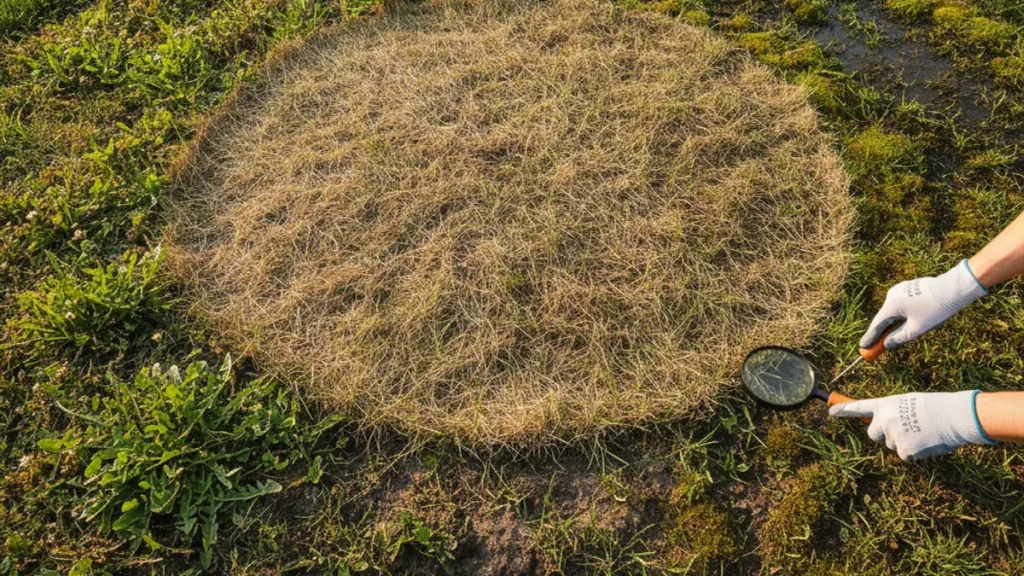
How do you make green grass? It's a question that can turn a weekend warrior into a frustrated lawn-care novice. That lush, emerald turf you see in magazines or at your neighbor's isn't usually a happy accident; it's the result of understanding your lawn's specific needs and giving it exactly what it craves. We've sifted through how-to guides and horticultural research to break down the process.
The path to a vibrant lawn involves more than just a splash of water. It hinges on a deep understanding of soil health, nutrient balance, and the right environmental conditions. For instance, most cool-season grasses, like Kentucky Bluegrass, thrive when their soil pH hovers between 6.0 and 7.0, according to university extension research. Get that wrong, and even the best fertilizer won't perform as it should.
Let's figure out what your lawn needs.
Why Is My Grass Not Green? Diagnosing Lawn Woes
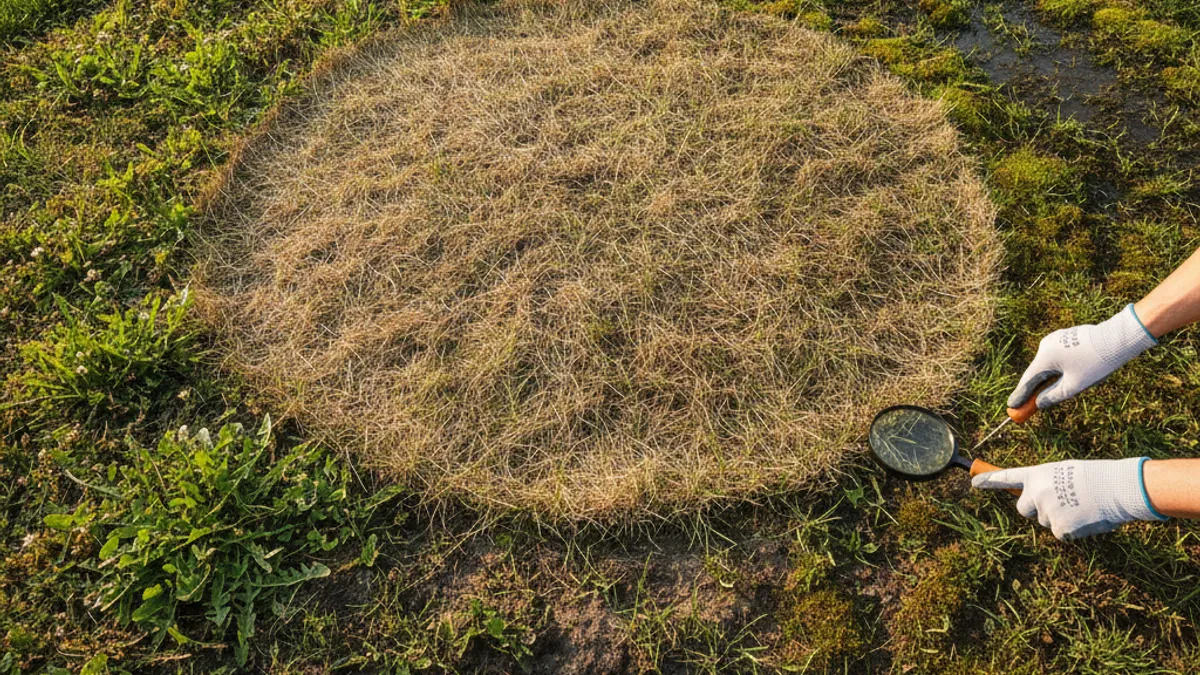
If your lawn isn't the vibrant green you’re hoping for, something's likely out of balance. Pinpointing the exact cause is the first and most critical step before you start changing anything. Think of it like visiting a doctor; they need to know your symptoms before prescribing a cure. Our research points to a few primary culprits that often leave grass looking sickly and dull, rather than the rich green we’re aiming for.
The solution almost always comes down to matching your grass's needs with the right care. A lawn that's too yellow might be screaming for nutrients, while one with brown patches could be suffering from overwatering or a fungal issue. We’ll look at how to tell them apart and what to do.
Quick Answer: The Usual Suspects for Unhappy Grass
When we talk about a grass that's just not green, the most common reasons boil down to a few key factors:
- Nutrient Deficiency: Grass, like any plant, needs food. If it's not getting enough nitrogen, phosphorus, or potassium, it will show signs of stress through yellowing and stunted growth.
- Watering Issues: This is a big one. Too little water and the grass wilts and turns brown from drought stress. Too much water can suffocate the roots, making them susceptible to disease and preventing nutrient uptake, also leading to yellowing.
- Soil Problems: The ground matters immensely. Compacted soil restricts root growth and water penetration, while soil that's too acidic or too alkaline can lock up essential nutrients, making them unavailable to the grass, regardless of how much fertilizer you apply.
- Pests and Diseases: Grubs munching on roots from below, or fungal diseases like brown patch or dollar spot attacking from above, can quickly turn a green lawn into a patchy mess.
- Improper Mowing: Cutting the grass too short, or using dull mower blades, can stress the plant, leaving it vulnerable and dull looking.
If your lawn is showing signs of distress, it's best to start by assessing these core issues.
Understanding Your Grass Type: The First Step to Green
Did you know there are dozens of different types of grass, and they all have different needs? What works for a lawn in sunny Florida is completely different from what a lawn in chilly Michigan needs. This is why knowing your specific grass type is the absolute first move. Without it, you're basically guessing, and guessing usually leads to wasted time and money.
We've identified that most residential lawns fall into two broad categories: cool-season grasses and warm-season grasses.
- Cool-Season Grasses: These types, like Kentucky Bluegrass, Fescues (Tall Fescue, Fine Fescue), and Perennial Ryegrass, are best suited for regions with cold winters and moderate summers. They grow most actively in the spring and fall.
- Warm-Season Grasses: These include varieties like Bermuda Grass, Zoysia Grass, St. Augustine Grass, and Centipede Grass. They thrive in hot climates, grow actively during the summer, and typically go dormant (turn brown) in the winter.
Why does this matter so much? Because their ideal fertilizing times, mowing heights, and even their susceptibility to certain pests and diseases are all based on whether they prefer cool or warm weather. For example, trying to fertilize cool-season grass in the heat of summer can actually harm it. Manufacturer specifications for common lawn fertilizers often list application windows that are specific to these grass types.
Soil Secrets: The Foundation for a Vibrant Lawn
Think of your soil as the pantry for your grass. If the pantry is bare, poorly stocked, or the ingredients are locked away, the grass won't grow well, no matter how much water you give it. A healthy, green lawn absolutely depends on healthy soil. This involves looking at a few key components.
The most crucial element is soil pH. This measures how acidic or alkaline your soil is. As mentioned, most common lawn grasses prefer a slightly acidic to neutral pH, typically between 6.0 and 7.0. If your soil pH is too low (too acidic) or too high (too alkaline), it can prevent the grass from absorbing vital nutrients like nitrogen, phosphorus, and potassium, even if they're present in the soil or applied through fertilizer.
University extension soil tests are the gold standard here.
Beyond pH, you'll want to consider:
- Soil Structure: Is it dense and compacted, or loose and crumbly? Compacted soil makes it hard for roots to grow, water to penetrate, and air to reach the roots.
- Nutrient Levels: Are there actual deficiencies in key nutrients? A soil test will reveal this.
- Organic Matter: A good amount of organic matter improves soil structure, water retention, and nutrient availability.
If your soil test shows a pH far outside the ideal range, or significant nutrient deficiencies, that's your starting point. Adjusting pH typically involves adding lime to raise it (make it less acidic) or sulfur to lower it (make it more acidic), but this must be done cautiously and according to soil test recommendations.
Is It Water? How Much, When, and Why It Matters
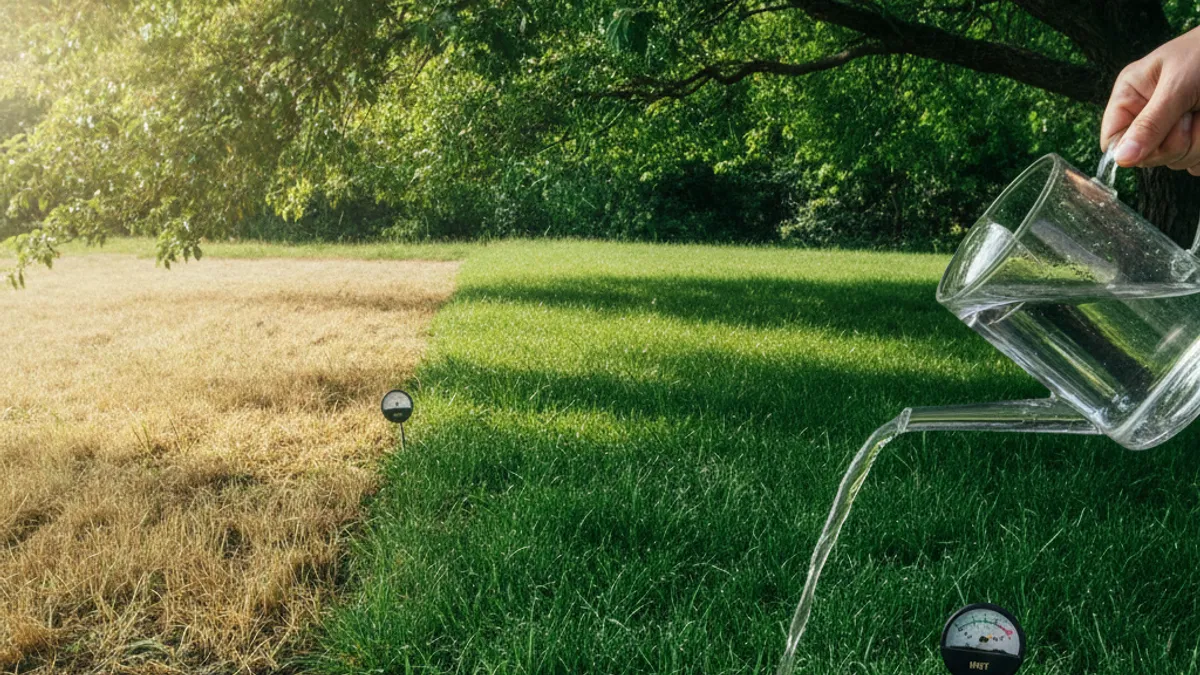
Water is life for your lawn, but like most things, too much or too little can cause serious problems. It’s not just about turning on the sprinkler; it’s about how and when you water that makes all the difference between a lush green carpet and a parched, stressed mess. Getting the watering right is a cornerstone of making green grass.
The goal of watering is to encourage deep, healthy root growth. Grass roots will only grow as deep as the soil is moist. If you water shallowly and frequently, the roots stay close to the surface, making the grass more susceptible to drought and heat stress. Deep, infrequent watering, on the other hand, pushes those roots down, creating a more resilient lawn.
Watering: The Balancing Act (Too Much, Too Little)
Figuring out the right watering schedule is usually a process of observation and adjustment. As a general rule, most established lawns need about 1 to 1.5 inches of water per week, either from rain or irrigation. The key is to apply this water in a way that soaks the soil deeply. This means running your sprinklers for longer periods less often, rather than short bursts every day.
- Signs of Underwatering: Grass blades will start to look dull, losing their vibrant green color and taking on a bluish-gray tint. They might also start to fold or wilt. Footprints will remain visible on the lawn long after you've walked on it, instead of springing back.
- Signs of Overwatering: This is often less obvious immediately, but overwatering can lead to shallow root systems, making the lawn more prone to drought in the long run. More critically, it creates a damp environment that can encourage fungal diseases, leading to brown patches or yellowing. You might also notice more weeds growing, as they often thrive in perpetually moist conditions.
A good test: stick a screwdriver or a long nail into the ground. If it's hard to push in, the soil is too dry or compacted. If you water, and the water starts running off the surface without soaking in, you're watering too fast or the soil is waterlogged.
Seasonal Watering Needs
Your watering needs change dramatically throughout the year, depending on the season, your grass type, and your local climate.
- Spring: Grass is actively growing, but temperatures are usually mild, and rainfall is often sufficient. You might only need to water if there’s a dry spell, focusing on deep soaking to encourage root development.
- Summer: This is the most critical watering period, especially for cool-season grasses which enter a semi-dormant state in extreme heat. Water deeply and less frequently. For warm-season grasses, consistent deep watering will keep them green and growing. Water early in the morning (between 4 AM and 10 AM) to minimize evaporation and fungal disease risk from wet leaves overnight.
- Fall: As temperatures cool, grass growth often picks up again, especially for cool-season types. Continue watering deeply to help the grass recover from summer stress and prepare for winter. This is also a key time for overseeding if needed.
- Winter: If you have cool-season grass and live in an area that doesn’t have consistent snow cover, you may still need to water occasionally during dry, mild winter spells to keep the soil from drying out completely, which can damage the roots. Warm-season grasses are dormant and typically don't need watering.
Manufacturer specifications for irrigation systems and watering guides often provide detailed schedules, but always observe your lawn and soil conditions for the best results. As of 2026, water conservation is increasingly important, so aim for efficiency by watering only when necessary and at the optimal times.
Feeding Your Lawn: Nutrients for Lush Growth
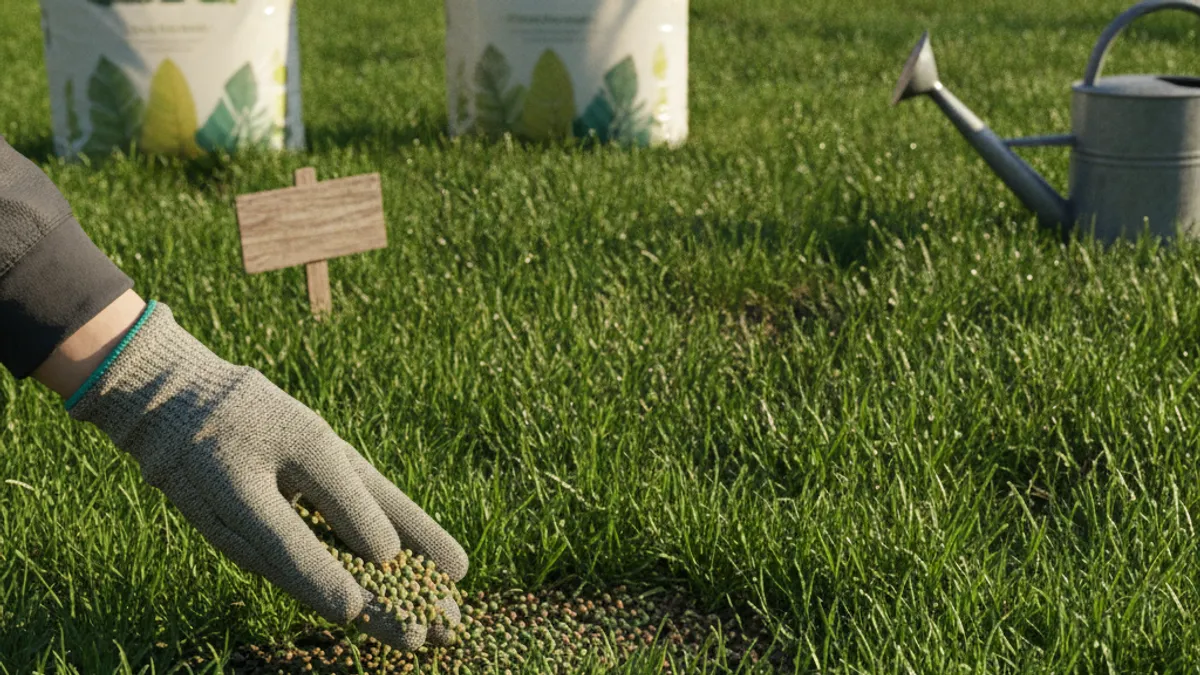
Just like you need a balanced diet to stay healthy, your grass needs the right mix of nutrients to stay green, dense, and resilient. Fertilizing is essentially feeding your lawn, and doing it correctly is key to achieving that vibrant green color. It’s not just about blindly scattering granules; it’s about understanding what those numbers mean and applying them at the right time.
The three main nutrients grass needs are Nitrogen (N), Phosphorus (P), and Potassium (K). These are almost always listed on a fertilizer bag as three numbers separated by hyphens (e.g., 10-10-10). Each number represents the percentage by weight of that nutrient in the bag.
- Nitrogen (N): This is the workhorse for green growth. It promotes lush, leafy growth and gives grass its vibrant green color by enhancing chlorophyll production.
- Phosphorus (P): Essential for root development and seedling establishment. It plays a crucial role in the early stages of grass growth and helps plants convert sunlight into energy. Many soil tests reveal if phosphorus is deficient.
- Potassium (K): Important for overall plant health, stress tolerance, and disease resistance. It helps the grass cope with drought, heat, cold, and wear.
Fertilizer Basics: N-P-K and What They Do
Understanding those N-P-K numbers is fundamental. A bag labeled 20-5-10 means it contains 20% nitrogen, 5% phosphorus, and 10% potassium by weight. So, if you have a 50 lb bag, it contains 10 lbs of nitrogen (20% of 50), 2.5 lbs of phosphorus, and 5 lbs of potassium. The remaining weight is usually filler material that helps with even distribution.
- High Nitrogen: Fertilizers with a high first number (like 30-0-4) are generally used to promote rapid green growth.
- Balanced Fertilizers: Products like 10-10-10 offer an equal mix, good for general maintenance or when soil tests indicate a need for all three.
- Low Phosphorus: Many regions have regulations limiting phosphorus application to prevent water pollution, so you'll often see fertilizers with low or zero P content.
Choosing the right fertilizer depends heavily on your soil test results and the time of year. Generic fertilizer recommendations can be misleading if they don't account for your specific soil conditions.
When and How to Fertilize
Timing is everything when it comes to fertilizing, and it varies significantly by grass type.
- Cool-Season Grasses: These grasses benefit most from fertilization in the fall and spring when they are actively growing. A late-fall application is particularly important for building up root reserves for winter. Avoid heavy nitrogen application in the summer heat, as this can stress the grass.
- Warm-Season Grasses: These grasses should be fertilized in the late spring and summer when they are actively growing. Fertilizing them in the fall or winter, when they are dormant or slowing down, is essentially a waste and could even be harmful.
How to Apply:
- Read the Label: Always follow the manufacturer’s instructions for application rates and spreader settings.
- Use a Spreader: Whether it's a broadcast spreader or a drop spreader, using one ensures even application. Uneven application leads to stripes of dark green and yellow grass.
- Calibrate Your Spreader: Most fertilizer bags will provide a setting for common spreader models, but it's wise to calibrate your spreader to ensure accuracy.
- Water It In: Most fertilizers require watering immediately after application to help the nutrients soak into the soil and prevent leaf burn. Check the specific product label for instructions.
Tackling the Unwanted Guests: Weeds and Pests
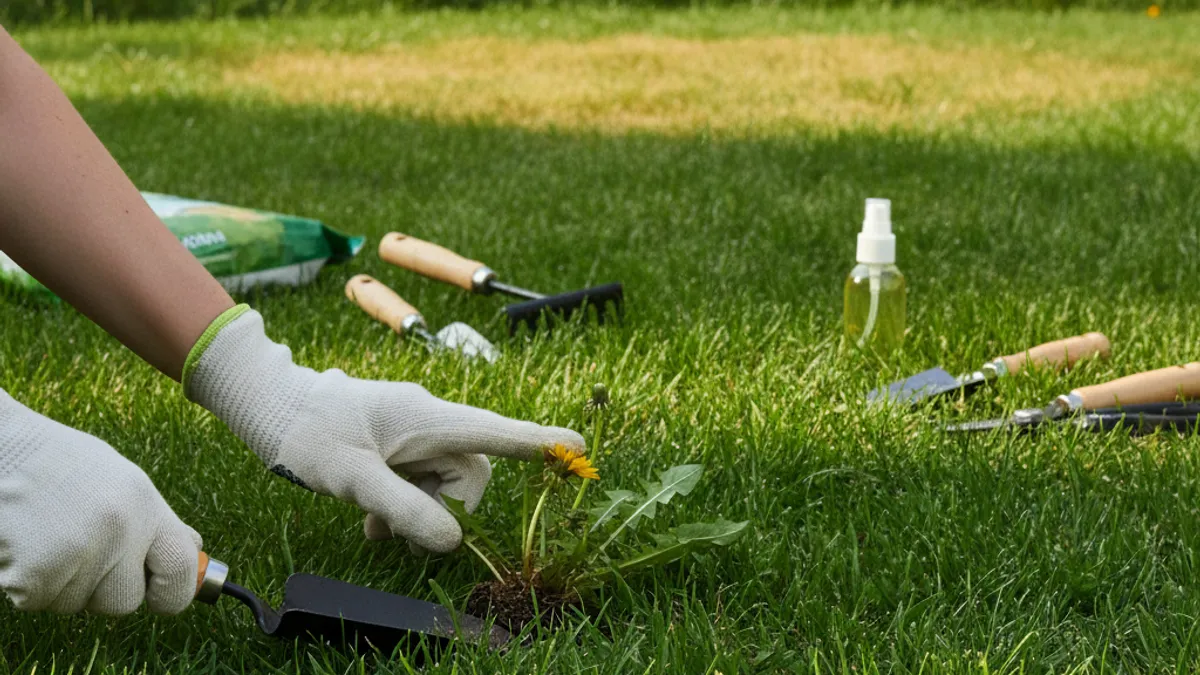
Even the best-fed, perfectly watered lawn can be undermined by invasive weeds or damaging pests. These unwelcome visitors not only make your lawn look less than perfect but can also weaken the grass, making it more susceptible to disease and stress. Battling them is a crucial part of maintaining that lush green appearance.
Weeds are plants that grow where you don't want them, competing with your grass for sunlight, water, and nutrients. Pests are insects or other organisms that feed on or damage your grass. Identifying them correctly is the first step to choosing the right control method.
Identifying Common Lawn Weeds
Weeds come in all shapes and sizes, but many common lawn offenders fall into a few categories:
- Broadleaf Weeds: These have wide leaves, unlike the narrow blades of grass. Examples include dandelions, clover, and plantain. They are often easier to spot and treat when the lawn is green.
- Grassy Weeds: These look like grass but often have a different texture, color, or growth habit. Crabgrass is a prime example that invades during the summer.
- Sedges: These are grass-like in appearance but have triangular stems and usually grow in moist areas. Nutsedge is a common culprit.
Most herbicides are designed to target broadleaf weeds specifically, leaving the grass unharmed. Grassy weeds often require a different type of herbicide.
Weed Control Strategies
Your approach to weed control depends on the type of weed and how widespread it is.
- Preventative Measures: A healthy, dense lawn is your best defense. When grass is thick and well-maintained, it outcompetes weeds for resources. Pre-emergent herbicides can also be applied in early spring to prevent weed seeds from germinating.
- Manual Removal: For a few stray weeds, pulling them by hand, especially after rain when the soil is soft, is effective. Make sure to get the entire root system.
- Herbicides: These chemicals can be very effective but must be used carefully.
- Pre-emergent Herbicides: Applied before weeds germinate (typically early spring). They create a barrier that stops seeds from sprouting.
- Post-emergent Herbicides: Applied to actively growing weeds. These are designed to kill existing weeds. They can be selective (targeting specific weed types) or non-selective (killing all vegetation). Always read the label to ensure it's safe for your grass type.
Recognizing and Dealing with Lawn Pests
Pests can cause significant damage, often appearing as irregular brown patches that don't respond to watering or fertilizing.
- Grubs: These C-shaped larvae live in the soil and feed on grass roots, causing sections of grass to lift up easily, like a carpet. You might also see birds or other animals digging in your lawn, looking for this food source.
- Chinch Bugs: These small insects suck the sap from grass blades, causing irregular brown or yellowish patches that can spread quickly, especially in hot, dry weather.
- Armyworms and Cutworms: These feed on grass blades, often at night, leaving behind chewed or matted areas.
Dealing with pests usually involves inspecting your lawn for signs of them. If you find evidence, specific insecticide treatments are available. Again, always read and follow the product label carefully for safe and effective application. A healthy lawn with good soil structure and proper watering is less susceptible to pest damage.
The Physical Side: Aeration, Dethatching, and Mowing
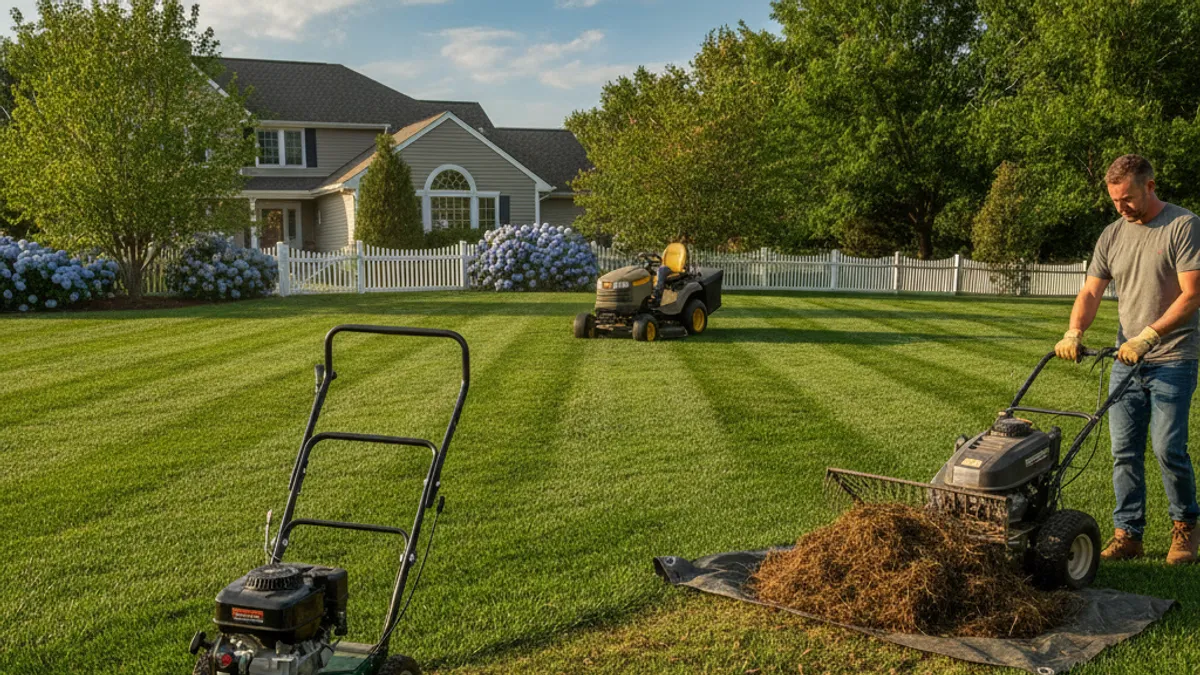
Beyond feeding and watering, the physical care of your lawn, how you mow it, manage thatch, and deal with soil compaction, plays a huge role in its overall health and that coveted green color. These practices affect how well water, nutrients, and air can reach the grass roots.
Over time, especially in high-traffic areas or with certain soil types, soil can become compacted. This means the soil particles are packed too tightly together, leaving little room for air, water, or roots. Thatch, a layer of dead and living grass stems and roots, can also build up between the green grass blades and the soil surface, preventing essential elements from getting through.
Compacted Soil? Why Aeration is Key
Aeration is the process of mechanically removing small plugs of soil from your lawn. This creates tiny holes that allow air, water, and nutrients to penetrate deeper into the soil, reaching the root zone. This is particularly beneficial for lawns experiencing:
- Heavy foot traffic (kids playing, pets)
- Heavy clay soil
- Poor drainage
When you aerate, you'll see small soil cores pulled out onto the surface. These typically break down on their own within a couple of weeks. The best time to aerate depends on your grass type:
- Cool-Season Grasses: Late spring or early fall, when the grass is actively growing.
- Warm-Season Grasses: Late spring or early summer, allowing for quick recovery.
Aeration is often followed by overseeding, as the holes provide an excellent environment for new seeds to germinate.
Thatch Buildup: What It Is and How to Fix It
Thatch is a layer of organic matter that accumulates naturally as grass grows and sheds. A thin layer of thatch (less than half an inch) can be beneficial, acting as a natural mulch. However, when thatch builds up too much, usually due to over-fertilizing with nitrogen, improper mowing, or a lack of microbial activity in the soil, it can become a problem.
A thick thatch layer impedes water and air infiltration, encourages disease, and can harbor insect pests. When you touch a lawn with excessive thatch, it often feels spongy. Dethatching, also known as power raking, is the solution.
- Dethatching: This process uses a machine with stiff tines that rake through the lawn, pulling up the dense thatch layer. It's an aggressive process that can make your lawn look messy immediately afterward, but it’s essential for removing excess thatch.
- Best Time to Dethatch: Similar to aeration, it's best done when your grass is actively growing so it can recover quickly. For cool-season grasses, this is in the fall or early spring. For warm-season grasses, late spring or early summer is ideal.
Mowing Right: Height, Frequency, and Blade Sharpness
Mowing might seem basic, but how you do it significantly impacts your grass's health and appearance.
- Mowing Height: Never cut more than one-third of the grass blade at any one time. Cutting too much at once stresses the grass. The ideal height varies by grass type and season. Generally, taller mowing (around 3 inches for many cool-season grasses) helps shade out weeds and retain soil moisture.
- Frequency: "The one-third rule" dictates how often you mow. If you're mowing 3 inches high and want to maintain that height, you'll need to mow more often as the grass grows than if you were aiming for a shorter height.
- Blade Sharpness: Dull mower blades tear grass blades rather than cutting them cleanly. This ragged tear leaves the grass susceptible to disease and gives it a grayish, unhealthy appearance. Get your mower blades sharpened regularly.
Consistent, proper mowing is a fundamental practice for a healthy, green lawn.
Reviving Bare Patches: Seed vs. Sod
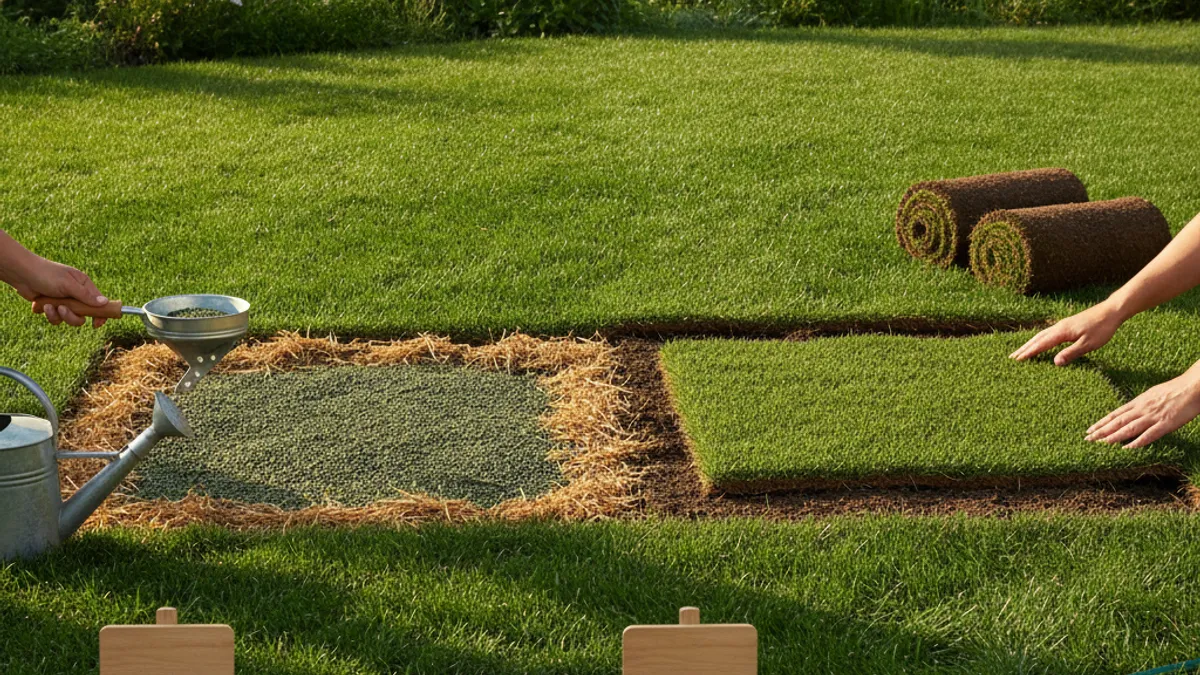
When your lawn has suffered, perhaps from a harsh winter, a pest infestation, or just general neglect, you might find yourself with bare or thinning spots. While time and good care can eventually fill these in, most people want a quicker fix to restore that uniform green look. You typically have two main options for this immediate repair: seeding or sodding. Each has its own timeline, cost, and best-use case.
Choosing between seed and sod isn't a one-size-fits-all decision. It really comes down to your budget, how quickly you need results, and your tolerance for the establishment process. Think about what you want the end result to be, and how soon you need it.
When to Seed Your Lawn
Seeding is the process of spreading grass seed over bare or thin areas of your lawn. This is often the more economical option, especially if you have a large area to cover. It involves preparing the soil, sowing the seed, and then meticulously watering it until it germinates and establishes.
- Pros:
- Cost-Effective: Seed is significantly cheaper per square foot than sod.
- Variety: You can choose specific grass seed blends tailored to your climate and desired lawn characteristics.
- Good for Large Areas: If you need to cover a lot of ground, seeding is usually the most practical choice.
- Cons:
- Time Intensive: It takes time for seeds to germinate (typically 7-21 days, depending on the grass type and conditions) and then longer for the new grass to mature and thicken.
- Requires Diligent Care: Newly seeded areas need consistent moisture. You have to be careful not to let them dry out completely, which can kill the new seedlings.
- Vulnerability: Young seedlings are delicate and can be easily damaged by heavy foot traffic, strong winds, or pests before they fully establish.
- Weed Competition: Bare soil is an open invitation for weeds, which can sprout and compete with your new grass.
The process usually involves loosening the soil, gently raking it to create a fine seedbed, spreading the seed evenly (often with a spreader for consistent coverage), lightly covering it with soil or a starter fertilizer, and then watering gently but consistently. This diligence is key to successful germination.
When Sod is the Better Choice
Sod, also known as turf, is mature grass that has been grown in a nursery and then cut into rolls or sections. You lay these sections directly onto your prepared soil, and it instantly gives you a finished lawn. It's the express lane to lawn perfection.
- Pros:
- Instant Results: You get an established, green lawn the day you lay it. This is ideal for immediate aesthetic needs, like before a party or sale of a property.
- Fewer Weeds: Because the grass is mature, there's very little room for weeds to establish themselves.
- Erosion Control: Sod provides immediate ground cover, which is great for preventing soil erosion on slopes or in areas prone to wind.
- Less Watering Regimen: While sod needs to be watered consistently to establish its roots, it's generally less finicky than new seedlings.
- Cons:
- Expensive: Sod is significantly more costly than seed, especially for larger areas.
- Heavy and Difficult to Handle: Rolls of sod are heavy and can be challenging to transport and lay, especially on uneven terrain.
- Requires Immediate Installation: Sod continues to live after it's cut, so it needs to be transported and laid very quickly, often within 24 hours, to prevent it from drying out and dying.
- Potential for Existing Problems: If the underlying soil isn't properly prepared, the sod won't establish well, and you could have problems down the road.
Laying sod involves preparing the ground by tilling, leveling, and often applying a starter fertilizer. Then, you lay the sod pieces tightly together, "staggering" the seams like bricks in a wall. After laying, it's crucial to water deeply to ensure good soil contact and to keep the sod moist until the roots integrate with the native soil. This usually takes a couple of weeks, during which you'll still need to maintain consistent moisture.
Seasonal Lawn Care Checklist
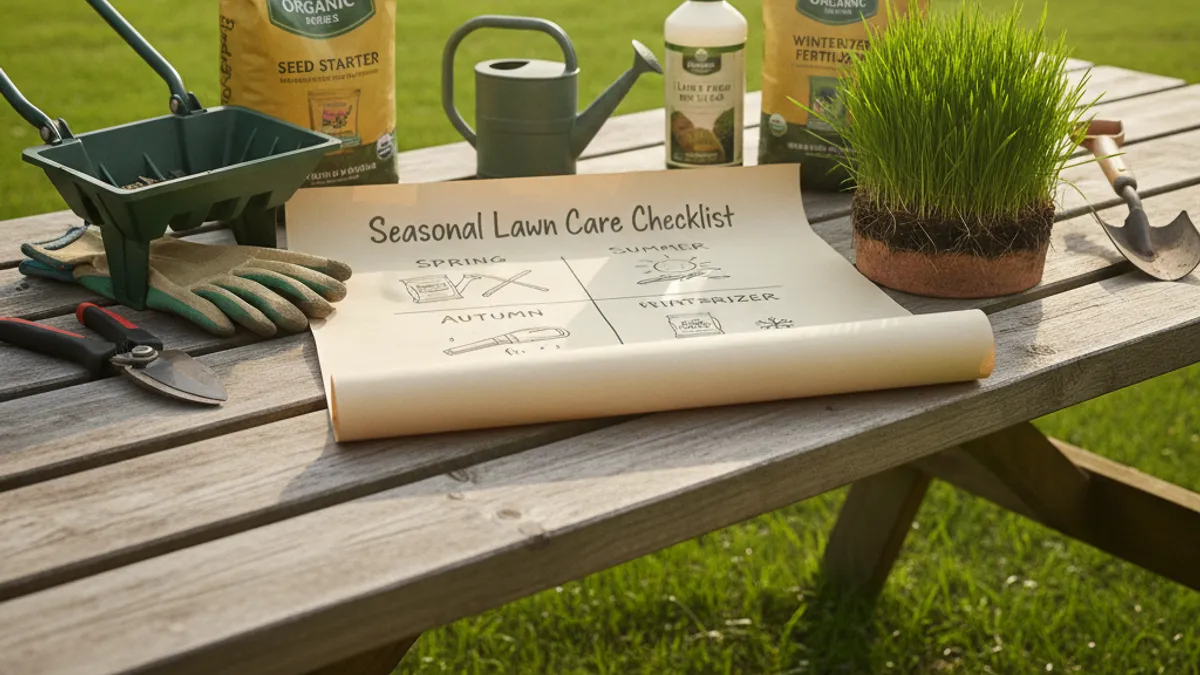
Maintaining a green lawn isn't just a spring or summer project; it's a year-round commitment, though the tasks change with the seasons. Each period of the year presents unique challenges and opportunities for your grass. Thinking ahead about these seasonal activities will help you proactively address potential problems and set your lawn up for success.
Your lawn care strategy needs to adapt as the weather shifts. What works in the heat of July might be detrimental in November. By following a seasonal checklist, you can ensure your lawn gets the attention it needs, when it needs it.
Spring Greening Up
Spring is when your lawn actively wakes up from winter dormancy. The primary goal is to help it recover from winter stress and encourage strong, healthy growth for the upcoming season.
- Clean Up: Rake any remaining leaves, twigs, or debris from the winter. This allows sunlight and air to reach the grass.
- First Mow: Mow when the grass is dry and has reached a good height. Keep the mower deck at a slightly higher setting (e.g., around 3 inches for cool-season grasses) to encourage deeper roots.
- Fertilize: If soil tests indicate a need, apply a nitrogen-rich fertilizer designed for spring use. For cool-season grasses, this is often a key feeding time to promote recovery and growth.
- Weed Control: Apply pre-emergent herbicides to prevent annual grassy weeds like crabgrass from germinating. Identify and spot-treat any broadleaf weeds that have survived winter.
- Aerate and Overseed (if needed): If your lawn is thin, compacted, or has bare patches, spring is a good time for aeration and overseeding cool-season grasses to thicken them up.
Summer Survival
Summer is often the most challenging season for lawns, especially in hotter climates or during extended dry spells. The focus shifts from aggressive growth to maintaining health and resilience.
- Mow High: Keep mowing at the higher recommended heights for your grass type. This shades the soil, conserves moisture, and reduces stress.
- Water Wisely: Water deeply and infrequently. Water early in the morning to minimize evaporation and fungal risk. Aim for 1 to 1.5 inches of water per week.
- Fertilize Sparingly (Cool-Season): If you have cool-season grass, avoid heavy fertilization during the heat of summer. Focus on hydration and stress reduction.
- Fertilize Regularly (Warm-Season): Warm-season grasses thrive in summer heat, so continue with your scheduled fertilization.
- Pest and Disease Watch: Be vigilant for signs of insect damage (like grubs or chinch bugs) or fungal diseases (like brown patch). Address problems promptly.
- Avoid Foot Traffic: Minimize heavy use of the lawn during extreme heat or drought to prevent further stress.
Fall Preparation
Fall is arguably the most important season for lawn care, especially for cool-season grasses. It’s when the lawn recovers from summer wear and tear and builds up reserves for the winter ahead, setting the stage for a successful spring green-up.
- Aeration and Dethatching: If either of these were missed in the spring, fall is an excellent time to do them for cool-season grasses. This improves soil structure and nutrient uptake.
- Overseeding: Fall is the prime time to overseed cool-season lawns to fill in thin spots and improve density. The cooler temperatures and increased moisture are ideal for germination.
- Fertilize: Apply a fall-specific fertilizer, often with higher phosphorus and potassium content, to promote root growth and winter hardiness. A late-fall application is particularly beneficial.
- Weed Control: Continue to monitor for weeds, especially broadleaf varieties that may still be actively growing.
- Leaf Management: Rake or mulch fallen leaves regularly. Thick layers of leaves can smother the grass and promote disease.
Winter Protection
Winter is a dormant period for most grasses, especially cool-season varieties. The goal here is to protect the dormant grass and roots from winter damage and prepare for the spring thaw.
- Keep it Clean: Ensure the lawn is free of leaves and debris before the first hard freeze.
- Water (if dry): If you live in an area with mild winters and dry spells, occasional watering of dormant cool-season grass can prevent desiccation damage.
- Avoid Traffic: Keep heavy foot traffic or the use of heavy equipment off frozen or saturated lawns to prevent rutting and damage.
- Snow Mold Prevention: In areas with heavy snow cover, ensure your lawn care practices (like proper fall fertilization and dethatching) have minimized conditions that encourage snow mold.
Common Lawn Care Mistakes to Sidestep
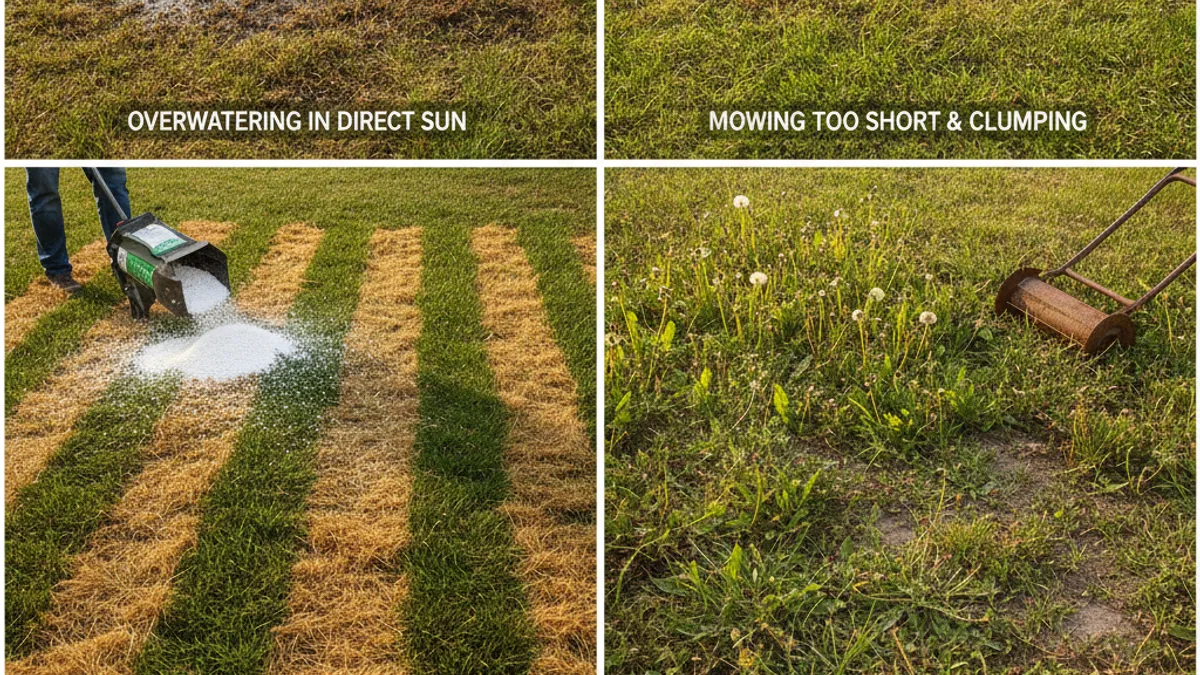
Even with the best intentions, many common mistakes can sabotage your efforts to get a green, healthy lawn. Understanding these pitfalls is just as important as knowing the right steps to take. Avoiding them can save you time, money, and a whole lot of frustration.
Many of the issues we see come down to applying the wrong treatment at the wrong time, or simply trying to force a solution that doesn't fit the specific lawn's needs. These aren't necessarily complex errors, but they can have a significant impact.
The Top 5 Ways People Wreck Their Lawns
Based on aggregate reviews of lawn care problems and expert horticultural advice, these are the most frequent missteps homeowners make:
- Incorrect Watering Techniques:
- The Mistake: Watering too shallowly and too frequently. This encourages shallow root systems that can't handle drought or heat.
- The Fix: Water deeply (aiming for 1-1.5 inches per week, spread over one or two sessions) to encourage deep root growth. Water early in the morning.
- Over-Fertilizing or Fertilizing at the Wrong Time:
- The Mistake: Applying too much fertilizer, especially high-nitrogen types during hot weather, or fertilizing dormant grass. This can burn the grass, encourage disease, or simply be wasted.
- The Fix: Always follow label directions for application rates. Use a soil test to determine nutrient needs. Fertilize cool-season grasses in spring and fall, and warm-season grasses in late spring through summer.
- Mowing Too Short (Scalping):
- The Mistake: Setting the mower deck too low, cutting off more than one-third of the grass blade at a time, or mowing very frequently at a low height.
- The Fix: Mow regularly, allowing you to remove no more than one-third of the blade at a time. Maintain a higher mowing height appropriate for your grass type to promote healthy growth and shade the soil. Always use sharp blades.
- Ignoring Soil pH and Health:
- The Mistake: Focusing only on the grass blades and neglecting the soil beneath. If the soil pH is off (e.g., below 6.0 or above 7.0 for most grasses) or compacted, the grass won't effectively absorb nutrients.
- The Fix: Get a soil test every few years from your local university extension office. Amend your soil based on the results, adjusting pH with lime or sulfur as needed, and aerate regularly to combat compaction.
- Using Dull Mower Blades:
- The Mistake: Letting mower blades become dulled from use.
- The Fix: Sharpen your mower blades at least once a year, or more often if you notice tearing on the grass blades after mowing. Clean, sharp cuts heal faster and are less prone to disease.
Making the Call: Your Lawn's Path to Green

So, you've walked through the common issues, the importance of water, food, and physical care, and how to manage overseeding or sodding. Now, it's about bringing it all together for your specific situation. Remember, getting that consistent green lawn is an ongoing process, not a one-time fix.
The best approach is always to start with a diagnosis. Is your grass yellowing from lack of nutrients, or is it a sign of overwatering? Are those brown patches from a pest or a disease? The answers to these questions will dictate your next steps.
Here’s a simplified decision guide to help you:
- If your lawn is generally yellow/pale green:
- Check watering: Is it consistently dry? If so, increase watering frequency and duration.
- Check feeding: When was the last time you fertilized? Consider applying a balanced or high-nitrogen fertilizer appropriate for the season and your grass type, after confirming soil pH is in range.
- Check soil test: If you haven't tested your soil recently, get it done to rule out nutrient deficiencies or pH imbalances.
- If your lawn has brown patches/dead spots:
- Inspect closely: Look for signs of grubs or other insects by lifting sod pieces. Check for fungal diseases (distinct patterns, discoloration).
- Consider watering: Could it be overwatering leading to disease, or underwatering causing drought stress?
- If pest/disease suspected: Identify the specific culprit and choose an appropriate, targeted treatment.
- If your lawn is thin or has bare spots:
- Soil Health: Is the soil compacted or lacking nutrients? Aerate and test pH.
- Decision: For immediate fix, consider sod. For a more budget-friendly, long-term solution, prepare the soil and overseed in the appropriate season.
- If weeds are taking over:
- Identify the weeds: Different herbicides target different types.
- Consider prevention: A dense, healthy lawn is the best weed deterrent. Ensure proper mowing height and watering.
- Spot treat or use pre-emergent: For widespread issues, a preventative application in early spring (for annual grassy weeds) or targeted post-emergent treatments are needed.
Ultimately, making green grass involves patient observation and application of the right horticultural practices at the right time. By understanding your grass type, soil conditions, and the environmental factors at play, you can move from guesswork to a systematic approach for a beautiful, resilient lawn.