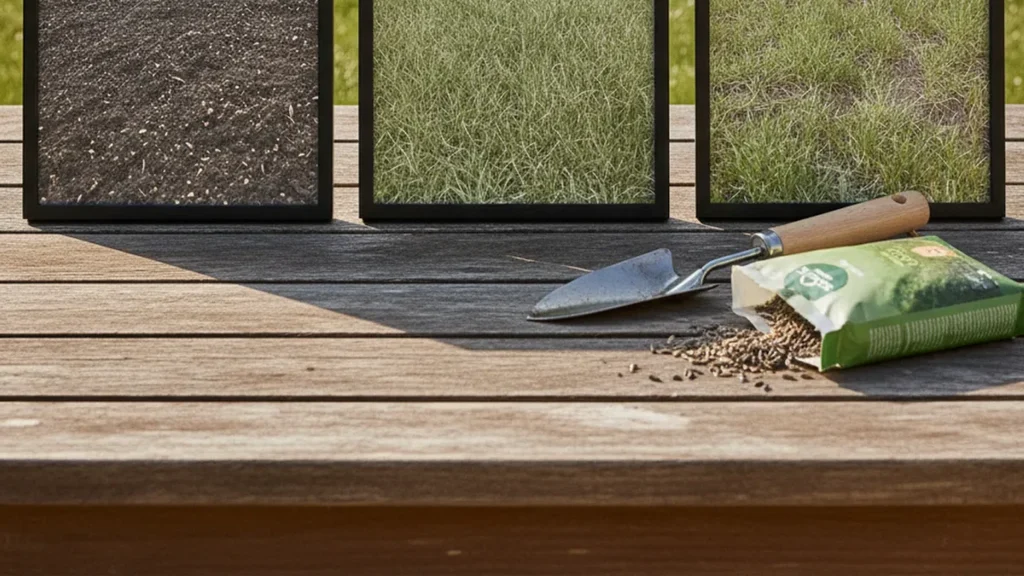
The idea of a lush green lawn in just seven days sounds like pure magic, but for many of us, it’s a homeowner's dream. You've probably seen those promises, or maybe you just need a quick fix for a bare patch before guests arrive unexpectedly. Getting grass to sprout this fast isn't impossible, but it’s less about waving a wand and more about nailing a very specific set of conditions and managing your expectations about what "grown" truly means.
In our research, we've found that while some specialized grass varieties can show significant germination within this timeframe, often by displaying visible root development and first shoots within 3 to 7 days, achieving a dense, mature turf takes much longer. This rapid growth is heavily influenced by factors like soil temperature, moisture consistency, and the specific seed characteristics. It's a race against the clock, but a race with defined rules.
Realistic Lawn Growth Timelines: Setting Expectations Right
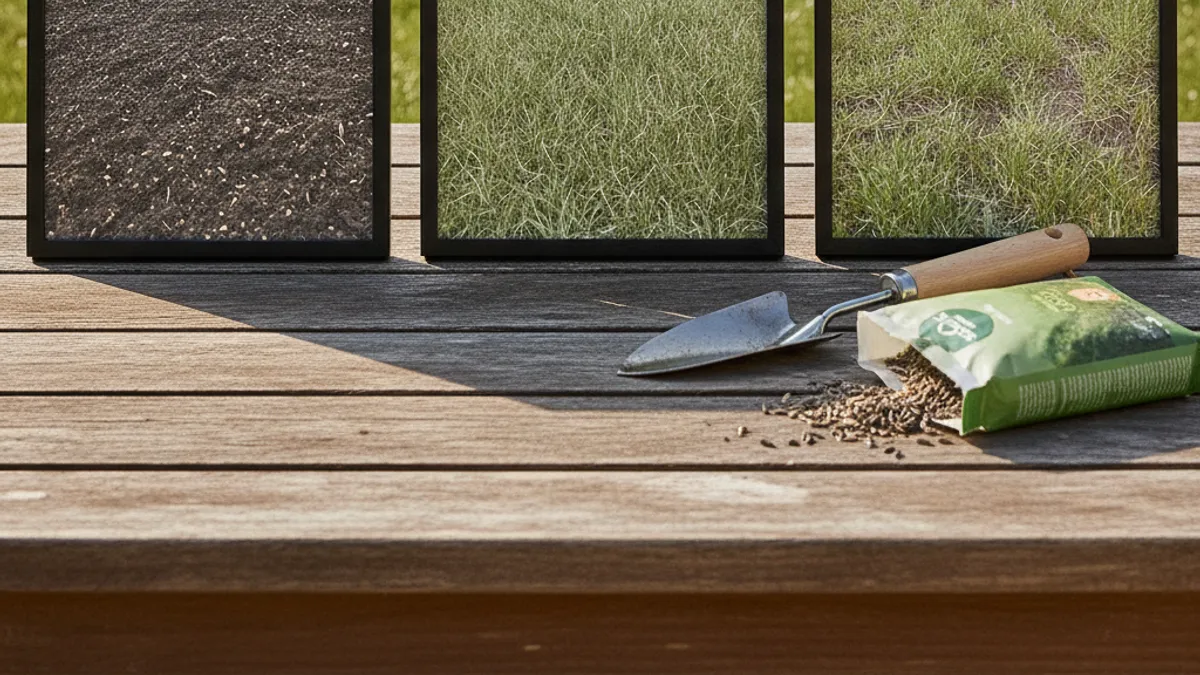
Let's be clear upfront: when we talk about having "grass grow in 7 days," we're primarily discussing germination and the initial emergence of seedlings. This means you’ll see tiny green shoots poking through the soil. It does not mean you’ll have a thick, lawn-mowable carpet in a week. A truly established lawn, where the grass is strong enough to withstand traffic, requires weeks, and often months, of consistent care.
For example, manufacturer specifications for many premium perennial ryegrass blends suggest full establishment can take up to 21 to 30 days under ideal conditions.
Think of it like this: you're seeing the first sparks of a fire, not the roaring bonfire. These initial sprouts are incredibly delicate and need protection. Rushing the process or pushing too hard for speed can easily lead to disappointment if these young plants aren't supported. Understanding this distinction is the most crucial step in achieving any kind of success, let alone near-instantaneous greening.
Choosing the Right Seeds for Speed

Picking the correct type of grass seed is absolutely paramount when you're aiming for a speedy green-up. Not all grass seeds are created equal, especially when it comes to germination rates and how quickly they establish. For that coveted 7-day window, you'll want to focus on specific varieties known for their rapid germination.
- Perennial Ryegrass: This is often your best bet for fast results. Many common varieties can start germinating in as little as 3-5 days if conditions are perfect. It's a workhorse for quick repairs and overseeding.
- Annual Ryegrass: Even faster than perennial ryegrass, some varieties can sprout in as little as 2-4 days. However, annual ryegrass is not meant to last; it dies off after one growing season and is often used for temporary ground cover or pasture.
- Fine Fescues: While generally slower than ryegrass, certain blends of fine fescues are formulated for quick establishment, often germinating within 5-10 days. They offer good shade tolerance once they mature.
When you're shopping, look for labels that highlight rapid germination or mention specific ryegrass varieties. Some seed coatings also offer benefits, like moisture-retaining layers or added starter fertilizers, which can give your seeds a crucial head start. Be wary of broad "all-purpose" mixes if speed is your absolute top priority; they might contain slower-growing types that will hold back the whole process.
Prepping Your Soil: The Foundation for Fast Growth
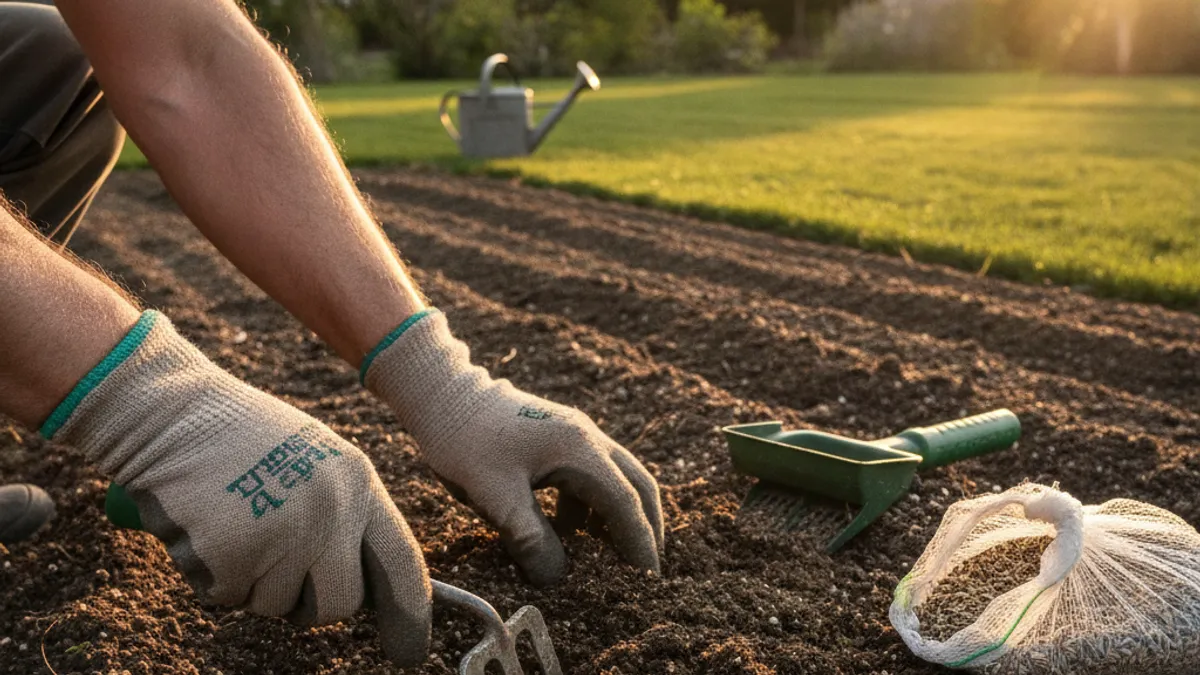
You can have the fastest-germinating seeds in the world, but if they don't have a good home to sprout in, you'll be waiting a lot longer than seven days. Soil preparation is non-negotiable when you’re trying to accelerate grass growth. It’s all about creating the ideal environment for those tiny seeds to wake up and stretch out.
First, you need to loosen up the soil. If your ground is hard and compacted, seeds will struggle to make contact and roots won't be able to penetrate. Loosening can involve tilling, dethatching, or even just vigorously raking the area to break up the top inch or two. Aim for a crumbly texture.
Next, improve the soil's quality. Adding a thin layer of compost or a good quality topsoil can work wonders. This provides essential nutrients and helps with moisture retention, both critical for germination. Manufacturer specifications for starter fertilizers often recommend applying them at this stage, as they contain phosphorus, which is key for root development.
Finally, and this is huge for speed, ensure good seed-to-soil contact. After spreading your seeds, you need to gently press them into the loosened soil. This can be done with a roller, the back of a rake, or even by walking over the area. If seeds are just sitting on top of the soil, they're exposed to drying out and can be easily washed away or eaten by birds.
Imagine a seed trying to root in mid-air; it's not going to work.
The 7-Day Window: Germination and Early Seedling Care
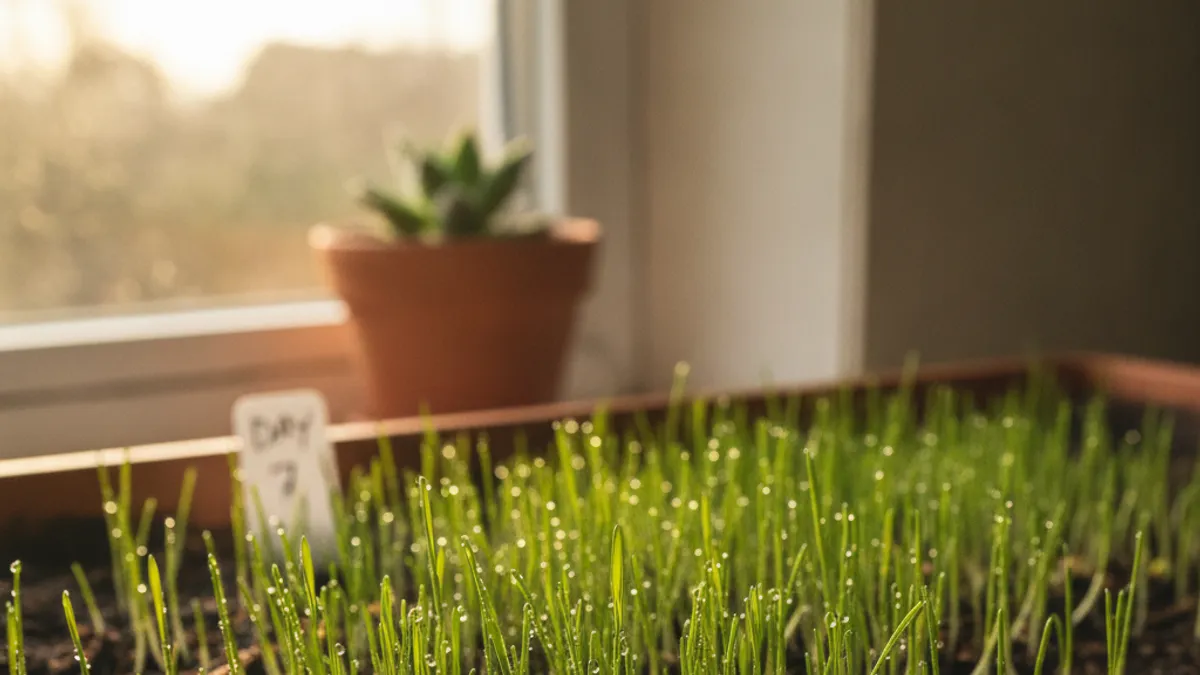
Once your soil is prepared and your chosen fast-germinating seeds are sown, the real race against the clock begins. For the next seven days, your primary focus must be on creating and maintaining the absolute ideal conditions for germination and the fragile growth of new seedlings. This is where precision watering and temperature become your best friends.
The goal during this initial period is consistent moisture. We're not talking about flooding the area, which can wash seeds away and suffocate them, but keeping the top inch of soil consistently damp. Think of it as misting. You might need to water two to three times a day, especially in warmer, sunnier weather.
The soil should never fully dry out.
This delicate balance means that even a few hours of neglect during a hot, dry spell can set you back days. Conversely, overwatering can lead to fungal diseases, which can decimate a new grass stand before it even gets going. It's a balancing act that demands constant attention during this critical first week.
Watering: Getting It Just Right, Every Time
Consistent moisture is the single most important factor for achieving rapid grass germination. You need to keep the seedbed uniformly damp, but not saturated. During the first 7-10 days after sowing, this often translates to light, frequent watering.
- How often? In warm or windy conditions, you might need to mist the area 2-4 times a day. In cooler, more humid weather, once or twice a day might be sufficient.
- How long? The goal is to moisten the top 1-2 inches of soil, where the seeds are located. This typically requires short bursts of watering rather than long, deep soaks, which are more appropriate for established lawns.
- What to watch for: If the soil surface starts to look dry, it's time to water again. If you see puddles forming, you're watering too much. The soil should feel like a wrung-out sponge, moist but not dripping.
Using a sprinkler with a fine mist setting is ideal, as it won't disturb the seeds. Avoid using a strong jet of water, which can create small erosion channels and displace the seeds, leading to uneven germination and bare patches.
Temperature and Sunlight: Their Critical Role Right Now
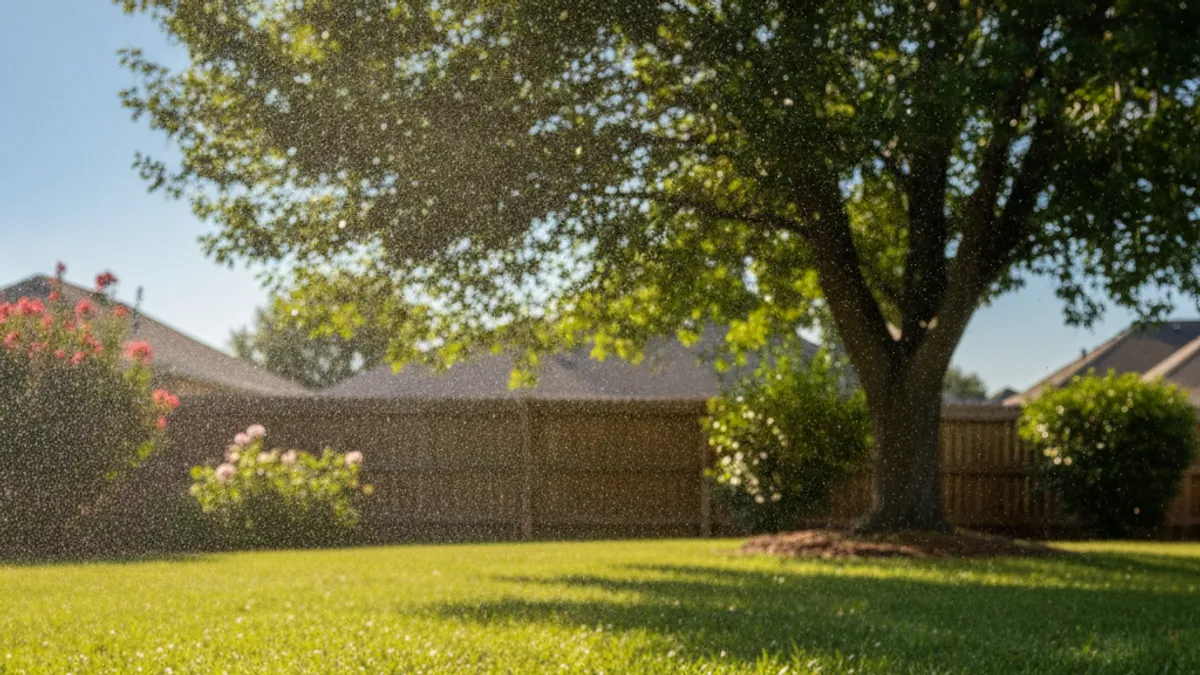
While moisture is king, temperature and sunlight play equally vital roles in how quickly your grass seeds will sprout. Getting these elements right can shave days off germination time, but getting them wrong can stall the process entirely, regardless of how perfectly you water.
For most cool-season grasses, like perennial ryegrass and fescues that are usually recommended for faster germination, the ideal soil temperature range for sprouting is between 60°F and 70°F (15°C to 21°C). Soil that is too cold will significantly slow down or even prevent germination. Our research confirms that temperatures in this sweet spot encourage the metabolic processes within the seed that lead to sprouting.
Sunlight is also crucial for energy. Most fast-germinating grass types thrive in full sun. This means the area should ideally receive at least 6-8 hours of direct sunlight per day. While some grass varieties can tolerate partial shade, they will germinate and grow more slowly.
If your target area is heavily shaded, you might need to consider a different seed type or accept that the 7-day timeline is less achievable.
- Sunlight Check: Observe your lawn area throughout the day. Are there long periods where it's completely shaded by trees or buildings? This could be a limiting factor for rapid growth.
- Temperature Monitoring: Using a soil thermometer can provide accurate readings, helping you understand if your soil is within the optimal range. Some seed packaging might even provide specific temperature guidelines for their proprietary blends as of 2026.