That question hits differently when you're not just leaving for a long weekend. Two months is a full growing season. Your regular watering routine won't cut it.
Simple gadgets run dry in days. You need a system, and preferably a backup for that system, so nothing comes home to a funeral.
The math gets uncomfortable fast. A typical houseplant in a 6-inch pot needs about a cup of water every few days. That's 7 to 10 cups per month for one plant.
Manufacturer specs for watering globes and spikes show a capacity of 1 to 7 days. So the real question isn't which gadget to buy. It's how to build a setup that genuinely runs on its own.
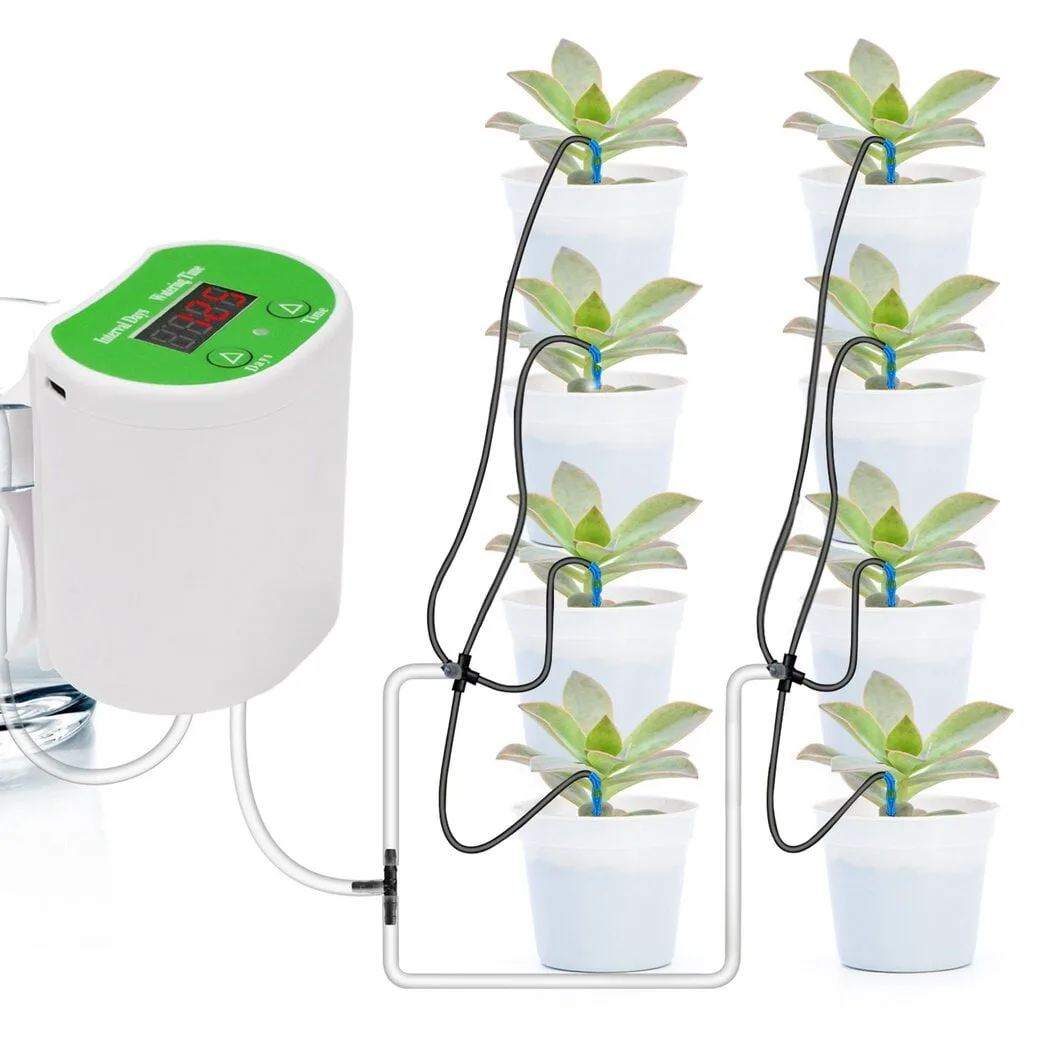
Image source: Web (Bing) / walmart.com (Web image (fair-use with source credit))
Quick Answer
Water plants for 2 months with a gravity-fed drip system and a large reservoir. Pair it with capillary wicking as backup. Reduce plant demand first by pruning and moving plants out of direct sun.
Test everything for three to five days before leaving. As of 2026, gravity-fed kits remain the most dependable option.
Why 2 Months Changes Everything: The Immediate Stakes
Most plants can survive a missed week. A quick business trip? Fine.
Eight weeks away? Completely different.
Here's what happens over 60 days. Soil in pots dries out completely. Not just the top inch, but all the way down.
Roots die from drought stress. The soil shrinks and pulls away from the pot walls. Water then runs right through the gap and never reaches the roots.
Evaporation is relentless. A small terra-cotta pot in a sunny window can lose a pint of water per day in summer. Over 60 days, that's more than 7 gallons per pot.
A plastic pot loses less, but the number is still serious. If you have a lawn, it's also vulnerable while you're gone. A dry, stressed lawn attracts pests.
Know how to spot early grub damage before you leave so you can act when you return.
What actually survives 2 months with no help at all? Very little. Succulents and snake plants can go 3 to 4 weeks in low light.
Most tropical houseplants wilt within 5 to 10 days. That's the whole point. You need a working system, not luck.
The Key Variable: Can You Get a Human Backup? (Honest Answer First)
The honest answer up front: if you can get anyone to stop by, do it. That changes everything about your strategy. A neighbor who spends five minutes checking water levels and refilling a reservoir is worth more than any gadget.
Even one check-in every two weeks dramatically lowers the risk.
If a human is available, the plan gets simple. Use a 5-gallon reservoir and ask your helper to top it off once or twice. That's more than enough for most indoor collections.
You can even go with a basic wicking setup and let the human be the failsafe.
Without a human, you need real redundancy. A reservoir big enough to last the full 60 days, plus a secondary system like capillary mats, plus a lower-light location to slow evaporation. The math becomes critical.
A 10-gallon reservoir with slow-drip emitters could work, but it's heavy and takes up space.
Here's a rule of thumb. If someone can visit once a week, use a gravity drip system with a 2- to 5-gallon reservoir. If someone can come once mid-trip, double the reservoir size.
If you have nobody, build two separate watering paths so a single failure doesn't kill everything.
Know What You're Leaving Behind: A Quick Plant & Environment Audit
Start by making a list. Walk through your home and note each plant's species, pot size, and location. Then sort the list by water need.
High-thirst plants like ferns, calatheas, and vegetable starts need constant moisture. Low-thirst plants like pothos, ZZ plants, and most succulents tolerate dry periods without panic.
Pot size matters more than most people realize. A 4-inch nursery pot holds very little soil, so it dries fast. A 12-inch pot holds much more moisture and acts like a reservoir itself.
The small pots need the highest priority in any system. Larger ceramic or glazed pots are far more forgiving.
Light and temperature are the other big drivers. A south-facing windowsill in July will bake plants. Water evaporates fast.
Land-grant university extension guides confirm that reducing light intensity lowers transpiration rates. Move everything to a cooler, shadier room and you cut water demand by a wide margin.
While you're auditing houseplants, don't forget outdoor turf. If you're traveling during peak pest season, timing your lawn treatments before departure saves you a headache later. Grass that's stressed and dry is weaker grass.
| Plant Type | Water Need | 60-Day Survival Without Help |
|---|---|---|
| Succulents, cacti | Very low | 3-4 weeks |
| Snake plant, ZZ | Low | 2-3 weeks |
| Pothos, philodendron | Medium | 5-10 days |
| Ferns, calatheas | High | 3-7 days |
The Three Main Paths: Automated, Low-Tech/DIY, and Human Backup
Once you know what you have, pick a path. There are three realistic ways to cover a 2-month absence without losing your plants. You can combine them, and in most cases you should.
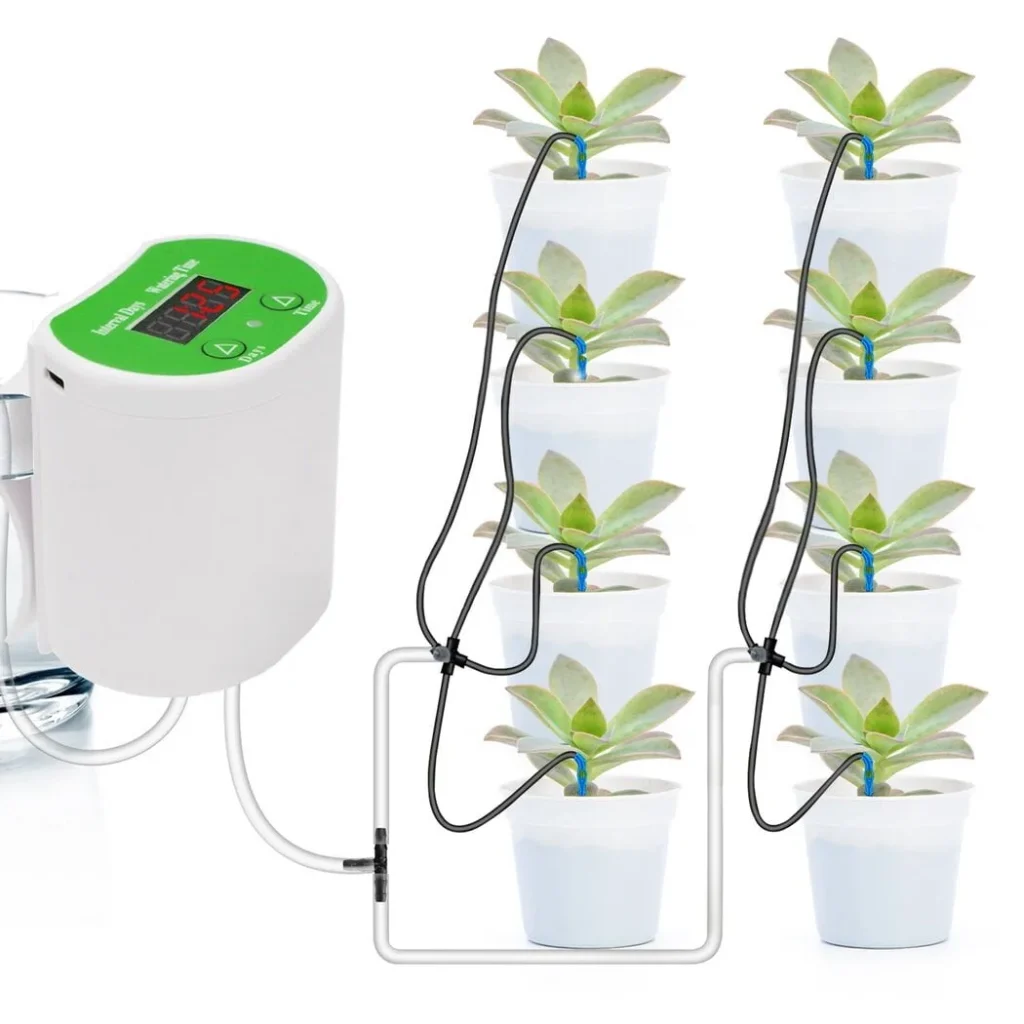
Path 1 is an automated gravity-fed drip system. A reservoir sits above the plants, and tubing delivers water through drip emitters to each pot. It's the most reliable hands-off method available as of 2026.
Best for medium to large collections with consistent watering needs.
Path 2 is capillary wicking and mats. Water moves from a container up a rope or through a mat directly into the soil via capillary action. It's cheap, silent, and uses no power.
Best for small to medium pots arranged on a single tray or shelf.
Path 3 is a plant sitter. That might be a neighbor, friend, or paid service. Even a weekly visit completely changes your setup.
Best for anyone who has someone they trust nearby.
The hybrid approach works best for most people. Use an automated system as the baseline. Add a human check-in as the safety net.
If the worst does happen and your lawn suffers while you're away, restoring a damaged lawn is far simpler than starting from scratch.
| Path | Cost | Reliability | Best For |
|---|---|---|---|
| Gravity drip | Moderate | High | Multiple pots, 1-8 weeks |
| Wicks/mats | Low | Medium | Small pots, short trips |
| Plant sitter | Variable | Very high | Any collection size |
Path 1: Automated Gravity-Fed Drip Systems — The Workhorse for Long Trips
This is the system people mean when they talk about watering plants while away for 2 months. A container sits above the pots. Tubing runs down to each plant.
A drip emitter at the end releases water slowly. Gravity does the pushing, so no electricity or pump is required.
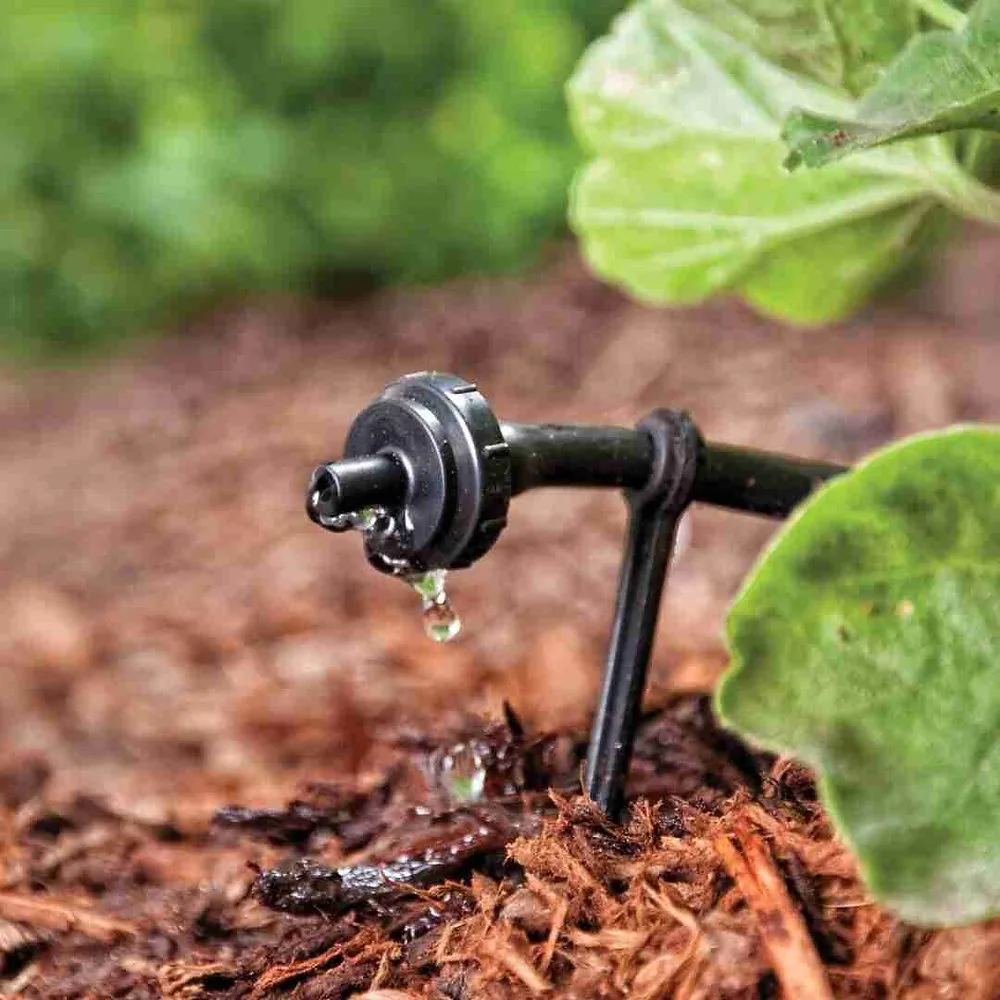
Image source: Web (Bing) / greeneryretail.com (Web image (fair-use with source credit))
The main components are simple. You need a reservoir, some 1/4-inch tubing, and slow-drip emitters. Many kits include a small valve or pressure compensator to regulate flow.
The goal is a slow drip over several hours, not a stream that floods the saucer.
Reservoir sizing is where most plans fail. A 5-gallon bucket can realistically supply five to eight medium plants for about a week at a steady drip. For 60 days, you need either a much larger reservoir, around 15 to 20 gallons, or a human who can refill it once or twice.
Some people set a reservoir in a bathtub and use long tubes to reach each room. It's not graceful, but it works.
This path works best when your plants have similar water needs and you can set up a clean vertical arrangement. It's awkward if pots are scattered across multiple rooms. Group the thirsty plants in one area for the weeks you're away.
It looks less pretty, but it keeps them alive.
One important note: always test the flow rate with water before you leave. Emitters vary by roughly 20% even in the same box. Run the system for a day, check soil moisture in every pot, and adjust the valves.
A 60-day setup that's off by 20% on the first day compounds into a dead plant by week six.
Aggregate user reviews confirm that gravity-fed systems with no moving parts are the most reliable long-term choice. That's why they keep winning for extended trips. If your tap water is hard, use filtered water.
Mineral buildup will slowly clog those tiny emitters.
Path 2: Capillary Wicks and Mats — Simple, Cheap, and Surprisingly Effective
Capillary action is the same force that pulls water up through plant roots. You can use it to move water from a reservoir into your potting soil without any moving parts. No pumps, no timers, no electricity.
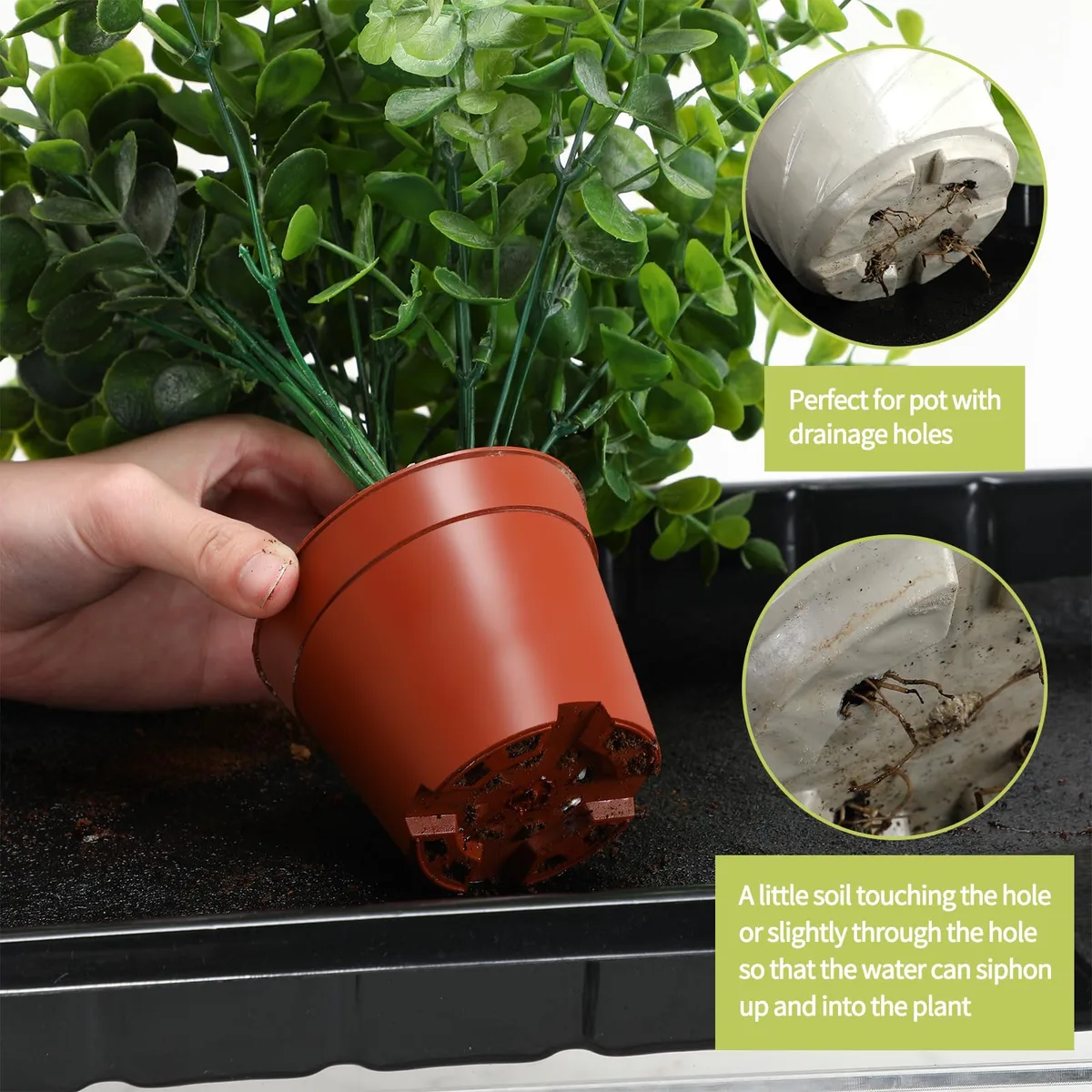
Image source: Web (Bing) / bidfta.com (Web image (fair-use with source credit))
A wick is just a porous rope. Nylon and acrylic yarn work best. Cotton rots too fast.
One end sits in a water container, the other is buried an inch or two into the soil. Water climbs the rope and slowly saturates the potting mix.
Capillary mats work on the same principle for smaller pots. You lay the mat in a tray, wet it thoroughly, and let one end dangle into a reservoir. The mat stays wet and the pots drink from the bottom.
This works brilliantly for seedling trays and small nursery pots.
The honest limit: wicks and mats run dry. A single strand of yarn can only deliver a limited amount of water per day. Large thirsty plants will outpace it.
If you have big ferns or a large Monstera, this path is probably too weak. It's perfect for herbs, small houseplants, and propagation trays in a cool room.
Set up matters. Place the pot slightly lower than the reservoir to keep the wick fully saturated. For mats, don't let water pool around the pot base for days.
That invites root rot. Combine this system with a 5-gallon reservoir and it can genuinely carry small plants through 8 weeks.
Path 3: Plant Sitters vs. Full Automation — The Trade-Off
A plant sitter provides something no system can: judgment. They can see a drooping leaf, feel the soil weight, and adjust on the fly. That's a huge advantage.
The costs are real, too. If you're paying someone, weekly visits for 8 weeks add up. If it's a neighbor doing it as a favor, you owe them big time.
And there's always the risk they forget or get busy. The best approach, in our research, is the hybrid.
Run a gravity-fed drip system as your primary. Set up a capillary mat as backup on smaller pots. Then ask a good neighbor to stop by every two weeks.
Their job is just to top off the reservoir and check for obvious problems. Your plants get steady care from the system, and a fresh pair of eyes catches anything mechanical before it becomes fatal.
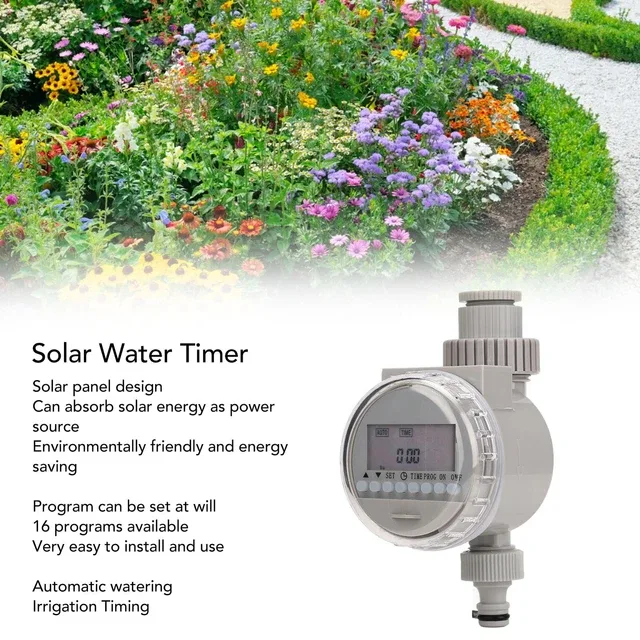
Image source: Web (Bing) / picclick.co.uk (Web image (fair-use with source credit))
Step-by-Step: Building Your Custom 2-Month Watering Setup
You know your options now. This is where you assemble everything into one working plan.
Step 1: Group Plants by Water Needs. Gather all thirsty plants into one area. Move succulents and cacti somewhere cooler and brighter, but away from direct sun. This keeps your equipment close together and your water usage efficient.
Step 2: Reduce Water Demand Before You Leave. Prune back leggy growth. Remove dead leaves. Cut flowers off.
Less leaf surface means less water loss. The plant won't grow much in 8 weeks, and that's fine. Survival is the goal.
Step 3: Pre-Water Thoroughly. Soak every pot the day before you set up the system. Water until it runs from the drainage holes. Soil that starts bone dry will wick water unevenly and may cause the drip system to fail for days.
Starting hydrated gives you a stable baseline.
Step 4: Set Up Your Primary System. Install the gravity drip system according to the manufacturer instructions. Use a reservoir sized for your full trip. Place emitters so they water the root zone, not splash out of the pot.
This is also a good time to think about your lawn. If you're concerned about pest pressure while you're gone, recognizing early grub symptoms before you leave means you can treat on return.
Step 5: Add a Redundant Backup. Run a wick or mat system in parallel for small pots. Even a single wick stuck in each pot, drawing from a tray of water, gives you a safety net if the main drip line clogs.
Step 6: Test the Whole Setup for 3 to 5 Days. This is non-negotiable. Run it, monitor it, adjust flow rates. You'll read the detailed test protocol in the next section.
The 3-Day Test Run: Your Safety Net Before the Airport
This is the single most important step in the entire process. A system that looks perfect on paper can fail spectacularly in practice. You need to catch those failures while you're still home to fix them.
Run the full system for 72 consecutive hours. Fill the reservoir, turn on the timers, and let it operate exactly as it will while you're gone. Check soil moisture in every pot daily.
Poke your finger an inch deep, or use a cheap moisture meter. The soil should be damp, not soggy.
Watch for signs of trouble. Water pooling in the saucer means the emitter is too fast or the pot's drainage is blocked. Dry soil around the wick means the wick lost contact with the soil.
A timer that skips a cycle means a battery issue or a programming error. You want to find these now.
After 3 days, you'll have real data. That data tells you whether the reservoir lasts as long as you calculated, whether any pots are getting too much water, and whether the emitters stay consistent. Adjust one thing at a time and run another 24-hour cycle.
This test also tells you how long the reservoir truly lasts. If it empties in 4 days and you need 8 weeks of coverage, you have a problem to solve before departure. Add more reservoir capacity, split plants between two systems, or tighten the flow rate on the emitters.
What Will Fail Mid-Trip: Clogs, Leaks, and Dead Batteries
No system is failure-proof. Smart plant owners plan for the most common failures and build in simple backups.
Clogged emitters top the list. Sediment and mineral buildup restrict flow gradually. You might not notice it for weeks.
Use filtered water and consider a fine mesh filter inline between the reservoir and the tubing. It's a cheap part that stops a lot of heartbreak.
Leaks are the second biggest killer. A connector that pops loose drains the entire reservoir onto your floor in a day. Your plants get nothing.
Secure every connection with a small cable tie or hose clamp. Put the whole system in a waterproof tray just in case.
Batteries die. Smart timers with Wi-Fi are great until the power goes out or the battery hits zero. Look for timers that hold their programming after battery removal.
AA-powered units advertised as lasting 6 to 12 months will usually survive your trip, but carry spare batteries anyway.
Pumps fail. If you're using an electric pump instead of gravity, get one rated for continuous duty. Submersible pumps commonly used for hydroponics are the most reliable option, but even they can struggle with power loss.
Gravity-fed systems with no moving parts avoid this risk entirely.
Common Mistakes That Kill Plants in 8 Weeks (And How to Avoid Them)
The biggest mistake is overcomplicating things. A complex setup with 14 emitters, four timers, and no backup fails fast. Keep it simple.
Other classic errors:
- Trusting a single device. Watering globes and spikes empty in days, not months.
- Skipping the test run. A setup that looks right on paper can leak or clog by day two.
- Ignoring light exposure. Direct sun doubles evaporation and stresses plants.
- Forgetting to pre-water. Bone-dry soil repels water, so wicks and drips never get a grip.
- Overwatering before leaving. Saturated soil causes root rot. Moist, not soggy, is the goal.
The Bottom Line: A Decision Guide Based on Your Situation
Here's the short version. If you have a neighbor who can visit weekly, use a gravity-fed drip system with a 5-gallon reservoir. Add capillary mats for small pots and skip the fancy tech.
If you're completely alone, use a gravity drip system with the largest reservoir you can find, plus wicking backup. If you have just a few small plants, move them to a shaded room and use a capillary mat tray. That genuinely lasts 8 weeks.
Quick Decision Matrix: Choose Your Setup in 30 Seconds
| Your Situation | Best Setup |
|---|---|
| Human check-in available | Gravity drip + helper tops reservoir |
| No human, many plants | Gravity drip + backup wicks |
| No human, few small plants | Capillary mats in a cool room |
| High-thirst plants | Hybrid: drip system + sitter visit |
Frequently Asked Questions
How long can houseplants go without water?
Most tropical houseplants start to wilt within 5 to 10 days. Succulents and snake plants can last weeks. That's why automated systems matter for any trip beyond a long weekend.
Will a watering globe last 2 months?
No. Watering globes hold a few days of water at best. They suit a weekend getaway, not an 8-week absence.
Use gravity-fed drip irrigation or wicking instead.
Should I overwater before leaving?
No. Slightly dry soil is recoverable. Saturated soil promotes root rot and fungus gnats.
Water thoroughly the day before, then let your system maintain that balance.
What's the safest DIY setup for an 8-week trip?
A 5-gallon bucket elevated above the plants, with 1/4-inch drip tubing and slow emitters. Add a capillary mat backup. And test the whole thing for 3 days before you leave.
It never fails.