Figuring out when to apply Grub X is the single most important decision you'll make for grub control all year. Apply too early and the product degrades before grubs are active. Apply too late and those fat, mature larvae have already torn through your lawn's root system.
The window isn't as wide as most people think.
Grub X (Scotts GrubEx) contains chlorantraniliprole, a systemic insecticide that works best on small, actively feeding grubs. One application at the right time protects your entire lawn for the season. But timing depends on your region, soil temperature, and which grub species you're dealing with.
Let's walk through exactly how to nail it.
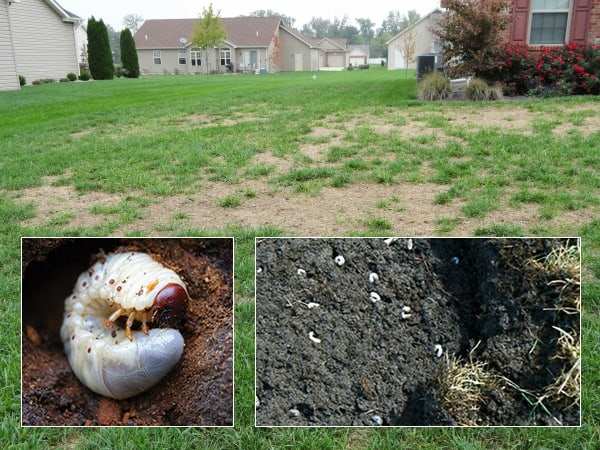
Image source: Bing (Web (fair-use with source credit))
The Quick Answer: When to Apply Grub X
Apply Grub X from late spring through midsummer. Target the window when adult beetles are flying and laying eggs. Soil temperature should be at least 50°F at a 2-inch depth.
In the Northeast and Midwest, this typically means late June through July. In the Southeast, you may apply as early as May. Water the product in within 24 hours of application.
How Grub X Actually Works (And Why Timing Matters So Much)
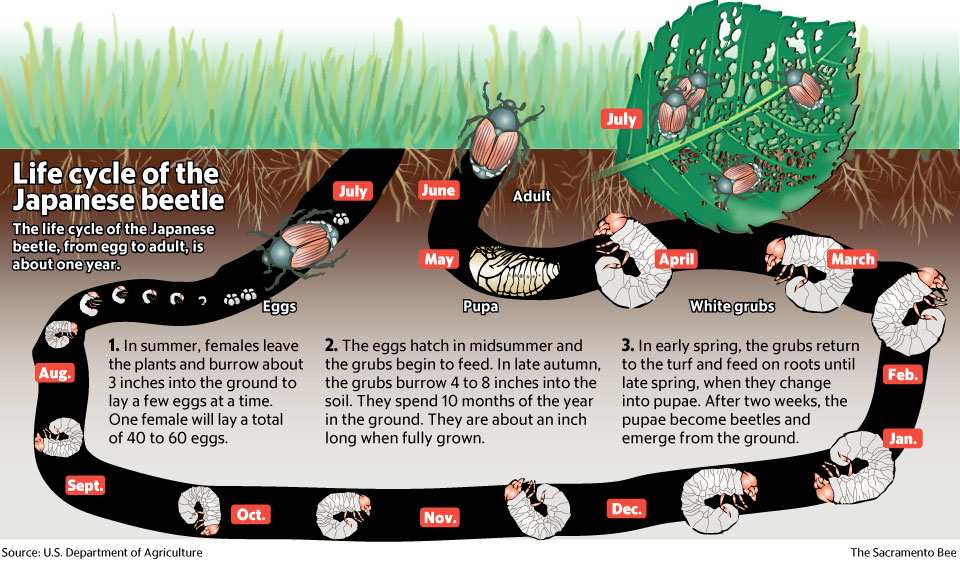
Image source: Bing (Web (fair-use with source credit))
Grub X isn't a contact killer. It's a systemic insecticide that gets absorbed into the turfgrass roots and tissue. When grubs feed on treated roots and grass blades, they ingest the chlorantraniliprole.
Then they stop feeding within hours and die over the next few days.
Here's the critical part. Grub X targets early-stage larvae, specifically first and second instar grubs. These tiny grubs are vulnerable.
They're feeding close to the surface and they haven't built up any resistance yet. Third instar grubs, the big fat ones you find in fall and spring, are much harder to kill with this product.
That's why timing matters so much. You need to get the product down before those eggs hatch and while the larvae are still small. Once grubs reach their third instar stage, you're looking at a curative situation, not a preventive one.
The active ingredient, chlorantraniliprole, belongs to the diamide class (IRAC Group 28). It works by activating ryanodine receptors in the insect's muscles, causing paralysis and death. This mode of action is highly selective to scarab larvae, which is why it's safer for earthworms, beneficial insects, and humans compared to older chemistries like chlorpyrifos or carbaryl.
Image source: Bing (Web (fair-use with source credit))
The Decision Tree: Should You Apply Grub X Right Now?
This is where most people go wrong. They grab a bag on a Saturday morning without checking whether conditions are right. Let's run through the decision process step by step.
Step 1: Did You Have Grub Damage Last Year?
If you had brown patches that peeled up like carpet last summer or fall, grubs were the likely culprit. That means adult beetles were in your yard, they laid eggs, and those eggs hatched. The next generation is coming.
If you didn't have damage, you might still have grubs. But you might not need to treat. Grub populations below 10 per square foot on cool-season grass usually don't cause visible damage.
So before you buy anything, do a simple check.
Cut a 1 square foot section of turf, about 2 to 3 inches deep. Flip it over and count the grubs. If you find 10 or more in that single square foot, treatment is warranted.
If you find fewer, you can probably skip this year and monitor next season.
Step 2: What Grub Species Is in Your Yard?
Not all grubs are the same, and timing shifts depending on which species you're dealing with. Here are the most common ones:
| Species | Region | Adult Flight Peak | Egg Hatch Window |
|---|---|---|---|
| Japanese beetle | Nationwide, heaviest in Northeast/Midwest | Mid-June through July | 2 weeks after flight peak |
| European chafer | Northeast, Midwest, Mid-Atlantic | Late June through mid-July | Mid-July through early August |
| June beetle/June bug | Nationwide | May through June | Late June through July |
| Oriental beetle | Northeast, Mid-Atlantic | Late June through July | Mid-July through early August |
| Black turfgrass ataenius | Golf courses, Northeast | June and August (two generations) | Varies, two peaks |
If you're not sure which species you have, check with your local cooperative extension office. Many states run beetle trapping programs and publish flight data each year. That information is gold for timing your application.
Step 3: What's Your Soil Temperature?
Soil temperature is the most reliable indicator for timing your Grub X application. When soil temps hit 50°F to 65°F at a 2 to 3 inch depth, grubs move up from their overwintering depth to start feeding near the surface. That's when they're most vulnerable to the product.
You can check soil temperature with a simple soil thermometer pushed into the ground. Check in the morning for a consistent reading. Don't go by air temperature alone.
A warm week in May might push air temps into the 80s, but soil could still be in the 40s.
Here's the general rule. If soil temperature is consistently above 50°F and adult beetles are active in your area, you're in the application window. If soil is still cold, wait.
If soil is above 75°F, you may be too late for optimal preventive control.
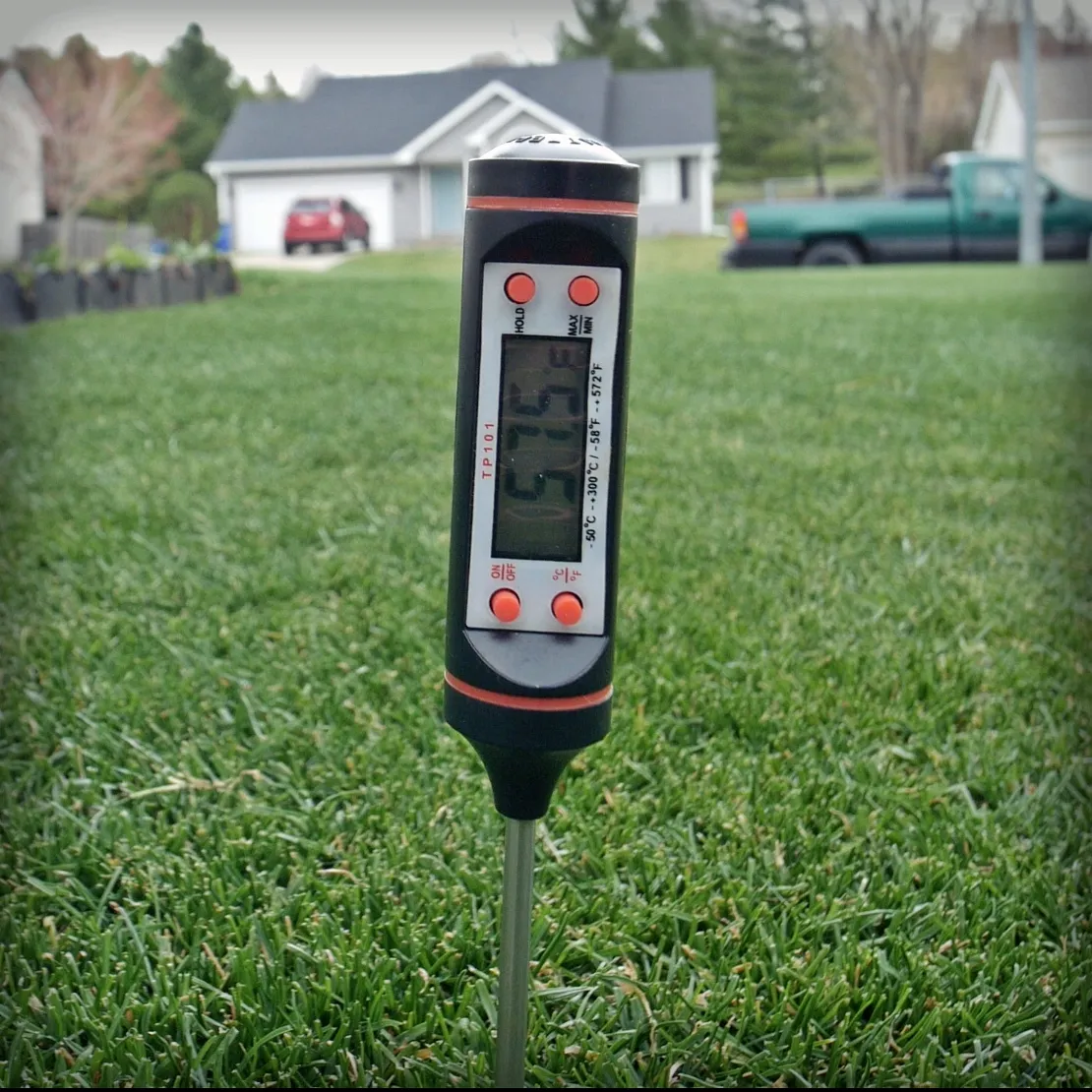
Image source: Bing (Web (fair-use with source credit))
Step 4: What's Your Region and Timing Window?
Geography matters enormously. The same product applied on the same calendar date in Georgia and Michigan will produce very different results. Here's how the timing breaks down by region:
Northeast and Mid-Atlantic (New York, Pennsylvania, New Jersey, Maryland, Virginia)
Apply late June through late July. Japanese beetles and European chafers dominate. Peak flight usually hits the last week of June through the first two weeks of July.
Get Grub X down 2 to 4 weeks before expected egg hatch for best results.
Midwest (Ohio, Indiana, Illinois, Michigan, Wisconsin, Minnesota)
Apply mid-June through mid-July. European chafers are often the primary pest here, with Japanese beetles close behind. Chafer flight tends to peak a bit later than Japanese beetles, sometimes extending into mid-July.
Southeast (Georgia, Carolinas, Alabama, Tennessee, Florida)
Apply mid-May through June. Warm soils mean earlier grub activity. You're also dealing with species like the Japanese beetle and the southern masked chafer.
The window opens sooner and can close faster.
Transition Zone (Kentucky, Missouri, Kansas, parts of Oklahoma)
This is tricky territory. You may have both cool-season and warm-season lawns. Timing depends on your grass type and the dominant species.
Generally, late June through July works, but monitor local extension reports closely.
Pacific Northwest (Washington, Oregon)
Apply late June through July. European chafer is the main concern. Japanese beetle is an emerging invasive threat in some areas, so check with your state department of agriculture for current monitoring data.
Regional Timing Guide: When to Apply Grub X by Location
Here's a quick-reference table to help you pinpoint your window. These are general guidelines based on average conditions. Always cross-reference with local extension data and current soil temperatures.
| Region | Target Application Window | Primary Species | Key Indicator |
|---|---|---|---|
| Northeast US | Late June – late July | Japanese beetle, European chafer | Beetle flight peak + soil 50°F+ |
| Midwest US | Mid-June – mid-July | European chafer, Japanese beetle | Chafer flight activity |
| Southeast US | Mid-May – June | Japanese beetle, southern masked chafer | Early warm soils |
| Mid-Atlantic | Late June – late July | Japanese beetle, European chafer | Beetle traps + soil temp |
| Pacific Northwest | Late June – July | European chafer | Local extension reports |
| Great Plains | Mid-June – mid-July | Japanese beetle, June beetle | Soil temp + beetle activity |
A few important notes. These windows assume you're using Grub X as a preventive treatment. If you're dealing with an active infestation of large grubs, you need a curative product instead, which we'll cover later in this article.
Also, weather varies year to year. A cool, wet spring can delay beetle flight by two to more weeks. A warm spring can push it earlier.
That's why relying on soil temperature and local beetle monitoring reports beats following a rigid calendar date every time.
The Grub X Application Process: Step-by-Step
Once you've determined the timing is right, the application itself is straightforward. But doing it correctly makes a real difference in effectiveness.
Calibrate Your Spreader
Grub X is a granular product, so you'll need a broadcast (rotary) spreader or a drop spreader. A broadcast spreader works best for most lawns because it throws granules outward in a wide pattern.
The standard application rate is approximately 2.8 pounds per 1,000 square feet. Check the label on your specific product because rates can vary slightly between formulations and product years. To calibrate, measure out the amount of product needed for your lawn area, set your spreader to a low setting, and test on a small area first.
For a 5,000 square foot lawn, you'll need roughly 14 pounds of product. A standard 10-pound bag covers about 3,500 square feet.
Apply Evenly
Overlap your passes slightly to avoid streaks. Start by applying a header strip around the perimeter of your lawn, then work back and forth across the interior in parallel passes. Walk at a consistent speed.
Rushing leads to thin spots. Stopping or starting with the spreader open causes clumps.
If you're using a drop spreader, you'll need to space your passes precisely to avoid gaps. Drop spreaders give you more control but require more attention to detail. Broadcast spreaders are more forgiving for most homeowners.
Water It In
This step is non-negotiable. Grub X needs to be watered into the soil to reach the root zone where grubs feed. Apply 1/4 to 1/2 inch of water within 24 hours of spreading the granules.
If you don't have an irrigation system, a sprinkler on a timer works fine. The goal is to dissolve the granules and move the active ingredient into the thatch and upper soil layer. Without watering in, the product sits on the surface and degrades in sunlight, wasting your money and leaving your lawn unprotected.
Rain counts. If you get a good soaking rain within a day of application, you're covered. But don't count on it.
Plan to irrigate.
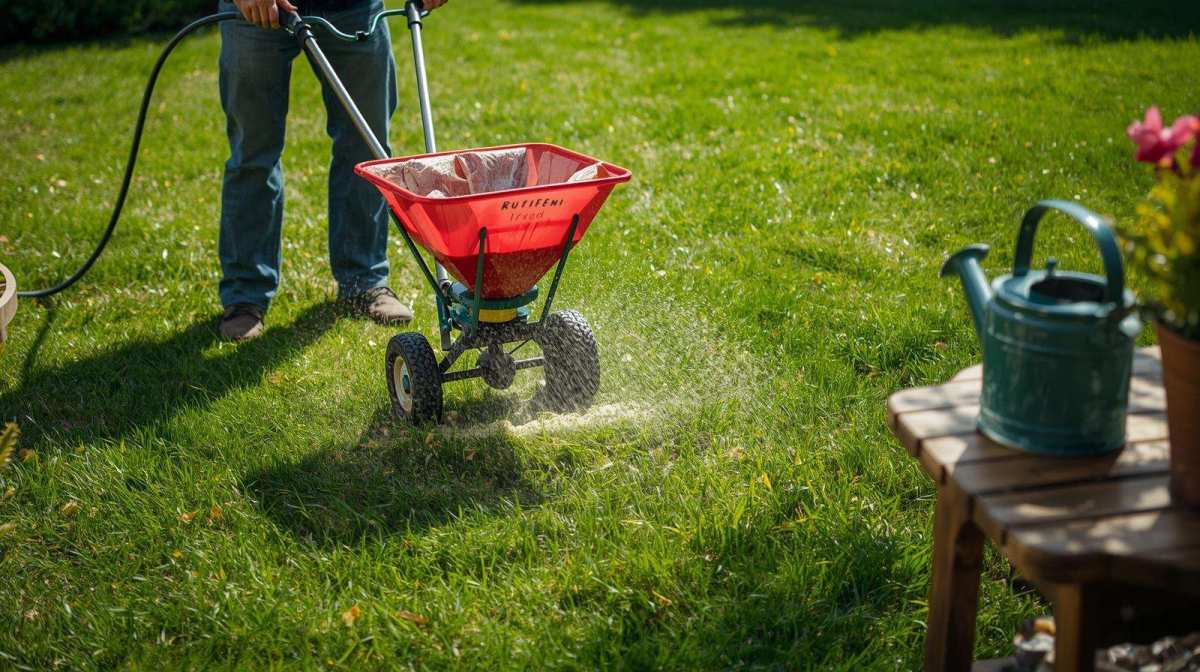
Image source: Bing (Web (fair-use with source credit))
Common Timing Mistakes That Waste Your Money
Even motivated homeowners get this wrong. Here are the most common mistakes we see, and how to avoid each one.
Applying too early. Some people treat in April or early May because they're eager to get ahead of the problem. But Grub X's residual activity, while long, isn't infinite. Applying months before grubs hatch means the product may degrade below effective levels by the time larvae are actually feeding.
Stick to the late spring through midsummer window.
Applying too late. By September, most grubs are in their third instar stage. They're large, tough, and feeding aggressively. Grub X is not a curative product at this stage.
If you're finding big grubs in late summer or fall, you need a different approach entirely.
Skipping the watering-in. We can't stress this enough. Granules sitting on top of your lawn do nothing. The active ingredient has to reach the root zone.
If you spread Grub X and forget to water, you've wasted your time and money.
Treating when grub counts are low. Not every lawn needs treatment every year. If your grub count is below 10 per square foot on cool-season grass, you can save the money and treat next year if populations increase. Blanket treating without checking is unnecessary.
Confusing preventive and curative products. Grub X is preventive. It stops grubs before they cause damage. If your lawn already has visible grub damage, you need a curative insecticide like Dylox (trichlorfon).
These products work fast on large grubs. Using Grub X on an active infestation is like bringing a shield to a sword fight.
Ignoring soil temperature. Air temperature and soil temperature are not the same thing. A few warm days in spring don't mean the ground is ready. Check actual soil temperature at a 2 to 3 inch depth before committing to your application date.
Grub X vs. Curative Alternatives: When You Need Something Different
Grub X is the gold standard for preventive grub control. But it's not the right tool for every situation. Here's how it stacks up against alternatives.
| Product | Type | Best For | Speed | Residual |
|---|---|---|---|---|
| Grub X (chlorantraniliprole) | Preventive | Small grubs, season-long control | Slow kill (days) | 4-6+ months |
| Dylox (trichlorfon) | Curative | Active infestations, large grubs | Fast kill (hours) | Short (days) |
| Dominion 2L (imidacloprid) | Preventive | General grub control | Moderate | Long |
| Milky spore | Biological | Japanese beetle only, long-term | Very slow | Years (once established) |
| Beneficial nematodes | Biological | Eco-conscious, small infestations | Moderate | Short, needs reapplication |
Choose Grub X when you want season-long preventive control and you're treating before damage appears. It's the lowest-maintenance option with the best safety profile for pets, kids, and pollinators.
Choose Dylox when you've already got damage and you need grubs dead fast. It's a rescue treatment, not a preventive. You'll typically apply it in late summer or early fall when you discover an active infestation.
Choose milky spore or beneficial nematodes if you want a biological approach. These work, but they take longer to establish and require more precise conditions. Milky spore only targets Japanese beetle grubs, and it can take 2 to 3 years to build up effective populations in your soil.
Cost Breakdown: What You'll Spend
Grub X is one of the more affordable lawn care treatments you can make. Here's what to expect.
A 10-pound bag of Scotts GrubEx typically runs between $20 and $35 at most retailers, as of 2026 pricing. That bag covers approximately 3,500 square feet at the standard rate of 2.8 pounds per 1,000 square feet.
For a typical 5,000 square foot lawn, you're looking at roughly $30 to $45 per application. Since it's a single annual treatment, that's your total cost for the season. Compare that to the cost of lawn renovation, which can run $500 to $2,000 or more depending on the size of the damaged area and whether you're reseeding or resodding.
The product pays for itself many times over if grubs are a recurring problem in your yard. And because it's preventive, you're protecting the lawn you already have rather than paying to rebuild it.
When Grub X Won't Work (And What to Do Instead)
Grub X is excellent at what it does. But it has real limitations you should know about.
Active, severe infestations. If your lawn already has widespread brown patches that peel up easily, Grub X won't save it. You need a curative product like Dylox to knock back the current population. You can follow up with Grub X next season to prevent recurrence.
Wrong species. Grub X targets scarab beetle larvae. If your lawn damage is caused by billbugs, chinch bugs, or sod webworms, it won't help. Proper identification matters.
Bring a sample to your local extension office if you're unsure.
Extremely high grub pressure. In areas with historically heavy grub populations, a single preventive application may not be enough. You might need a split application or a combination of preventive and curative treatments. Consult a local lawn care professional for a tailored plan.
Newly seeded lawns. If you've just put down seed, the watering requirements for germination may conflict with the watering-in needs of Grub X. In most cases, it's better to establish the lawn first and treat the following year. Check the product label for specific guidance on new lawns.
Final Decision Guide: Is Grub X Right for You This Season?
Here's a simple framework to help you decide.
Apply Grub X this year if:
- You had grub damage last season
- Your grub count exceeds 10 per square foot
- You're in a region with known Japanese beetle or chafer populations
- You want season-long preventive control with one application
Skip Grub X this year if:
- You had no grub damage last year and your count is below threshold
- You're dealing with a different pest (chinch bugs, billbugs, webworms)
- Your lawn is newly seeded or freshly sodded
- You're looking for an organic solution (consider milky spore or nematodes instead)
Use a curative product instead if:
- You already have visible grub damage this season
- You're finding large, third-instar grubs in late summer or fall
- You need fast results to save a lawn that's actively being destroyed
The bottom line is this. Grub X is one of the best preventive investments you can make for your lawn, but only if you apply it at the right time. Check your soil temperature, confirm grub presence, and hit that late spring to midsummer window.
Do that, and you'll save yourself a lot of headaches and expensive repairs down the road.
Frequently Asked Questions
Can I apply Grub X in the fall?
You can, but it's not ideal. By fall, most grubs are large third instars that are much harder to kill with chlorantraniliprole. Grub X is designed as a preventive treatment applied before grubs reach that stage.
If you're dealing with fall grubs, a curative product like Dylox is a better choice.
How long does Grub X last after application?
Grub X provides season-long control from a single application. The active ingredient, chlorantraniliprole, has a residual activity of approximately 4 to 6 months in the soil. One properly timed application covers the entire grub feeding season.
Is Grub X safe for pets and kids?
Chlorantraniliprole has low mammalian toxicity compared to older grub control chemicals. That said, you should keep pets and children off the treated area until the granules have been watered in and the lawn is dry. Always read and follow the product label for specific safety instructions.
Can I apply Grub X and fertilizer at the same time?
Yes, you can apply Grub X alongside most lawn care products, including fertilizer. Just make sure to water in the Grub X granules properly after application. Some combination products exist, but a separate application gives you more control over timing and rates.
What happens if it rains right after I apply Grub X?
Rain actually helps. A moderate rainfall of 1/4 to 1/2 inch within 24 hours of application is ideal because it waters the product into the soil. The concern would be heavy rain that causes runoff before the granules dissolve, but that's uncommon with normal precipitation.
Do I need to apply Grub X every year?
Not necessarily. If monitoring shows low grub populations (below 10 per square foot), you can skip a year. However, if you've had consistent grub problems or live in a high-pressure region, annual preventive treatment is the most reliable approach.
Common Timing Mistakes That Waste Your Money
We've covered the right way to time Grub X. Now let's look at the mistakes that trip people up most often.
Applying in early spring. This is the big one. Grubs aren't near the surface in April. They're still deep in the soil, dormant.
Applying now means the product sits in soil that has no active feeding happening. By the time grubs move up in late June, the effective concentration has dropped significantly.
Waiting for damage to appear. If you can see brown patches, you're already behind. Grub X prevents damage. It doesn't reverse it.
Once you see dead grass, the larvae have been feeding for weeks and are likely too large for optimal control.
Ignoring your specific region. Generic advice like "apply in June" doesn't work everywhere. A homeowner in Georgia has a completely different timeline than someone in Michigan. Always check local extension service reports for beetle flight data in your area.
Not watering in after application. We keep coming back to this because it's the most common application error. Dry granules on grass blades do nothing. The product must reach the root zone.
Set a sprinkler or plan around rain.
Double-applying "just to be safe." More is not better. Over-application doesn't improve control. It wastes product and raises unnecessary environmental concern.
One properly timed application is all you need.
Grub X vs. Curative Alternatives: When You Need Something Different
Grub X is the best preventive option available. But it's not the only tool in the shed. Here's when you should reach for something else.
Use Dylox (trichlorfon) when you have active damage. Dylox is a curative insecticide. It kills large grubs within hours, not days. If your lawn is already showing brown patches and you're finding third-instar grubs, Dylox is your rescue treatment.
Apply it as soon as you confirm the problem.
Consider Dominion 2L (imidacloprid) for longer residual. Imidaclopride has been around longer than chlorantraniliprole. It provides excellent preventive control but carries a higher risk to pollinators if misapplied. It's a solid alternative, but Grub X's safety profile gives it the edge for most homeowners.
Try biological controls for long-term management. Milky spore targets Japanese beetle grubs specifically. Beneficial nematodes (Heterorhabditis bacteriophora) attack multiple grub species. Both are slower to establish but fit well in integrated pest management programs.
They work best in combination with, not instead of, targeted chemical applications.
Sevin (carbaryl) is a broad-spectrum option. It kills grubs but also wipes out beneficial insects, earthworms, and other organisms. We don't recommend it for routine grub control. Reserve it for severe, mixed-pest situations where you need a knockdown.
Cost Breakdown: What You'll Spend
Grub X is affordable compared to the alternative, which is lawn renovation.
| Item | Cost Range | Coverage/Notes |
|---|---|---|
| Grub X (10 lb bag) | $20–$35 | ~3,500 sq ft |
| Per 1,000 sq ft | ~$6–$10 | Single annual application |
| Lawn renovation (reseeding) | $0.50–$1.50 per sq ft | 5,000 sq ft = $2,500–$7,500 |
| Lawn renovation (sod) | $1.00–$3.00 per sq ft | 5,000 sq ft = $5,000–$15,000 |
| Professional application | $100–$300 per visit | Labor + product included |
The math is straightforward. Spending $30 to $45 on prevention saves you hundreds or thousands in repair costs. That's a return on investment that's hard to beat in lawn care.
When Grub X Won't Work (And What to Do Instead)
Every product has limits. Here's where Grub X falls short and what to do about it.
Severe, established infestations. If grubs have already destroyed large sections of your lawn, no preventive product will bring that grass back. You need a curative treatment to kill the current population, then reseed or resod the damaged areas. Apply Grub X the following season to prevent recurrence.
Wrong pest identification. Not all lawn damage is caused by grubs. Chinch bugs, sod webworms, and billbugs cause similar symptoms. Fungal diseases look like grub damage too.
Before spending money on treatment, confirm the culprit. Cut a square foot of turf, check for grubs, and if you find none, investigate other causes.
Newly established lawns. Fresh seed or sod has shallow roots that may not take up the product effectively. Most labels recommend waiting until the lawn has been mowed several times before applying. Give new turf one full growing season to establish before treating.
Organic-only programs. If you're committed to organic lawn care, Grub X doesn't fit. It's a synthetic insecticide. Look into milky spore, beneficial nematodes, or neem oil-based products instead.
These options require more patience and precise application but align with organic principles.
Final Decision Guide: Is Grub X Right for You This Season?
Let's bring it all together into a clear action plan.
Yes, apply Grub X this year if:
- You confirmed 10 or more grubs per square foot in your lawn
- You had visible grub damage last season
- Soil temperature is consistently above 50°F at 2-inch depth
- Adult beetles are active in your area
- You want season-long control with one application
No, skip it this year if:
- Your grub count is below threshold
- You're dealing with a different pest
- Your lawn is newly seeded or sodded
- You're committed to organic-only products
Use a curative product instead if:
- You already have visible damage this season
- You're finding large grubs right now
- You need fast results to save your lawn
The key takeaway is this. Grub X works extremely well when you apply it at the right time, for the right reasons. Check your conditions, follow the timing guidelines for your region, water it in properly, and you'll protect your lawn for the entire season.
That's a small investment for a lot of peace of mind.
Frequently Asked Questions
Can I apply Grub X in fall?
Not recommended. By fall, grubs are large and hard to kill with chlorantraniliprole. Use Dylox for fall infestations instead.
Save Grub X for late spring next year.
How long does Grub X last?
One application provides season-long control. The residual activity in soil typically covers 4 to 6 months. That handles the entire grub feeding season.
Is Grub X safe for pets?
Chlorantraniliprole has low mammalian toxicity. Keep pets off the lawn until granules are watered in and the grass is dry. Follow label directions for best results.
Can I mix Grub X with fertilizer?
Yes. Apply both at the same time if needed. Just make sure you water in the Grub X properly after spreading.
Combination products also exist if you prefer an all-in-one approach.
What if it rains after I apply?
Rain helps. A moderate rainfall within 24 hours waters the product into the soil where it needs to be. Heavy downpours that cause runoff are the only concern.
Do I need to treat every year?
Not always. If your grub count is below 10 per square foot, you can skip a year. Monitor populations annually and treat when thresholds are exceeded.