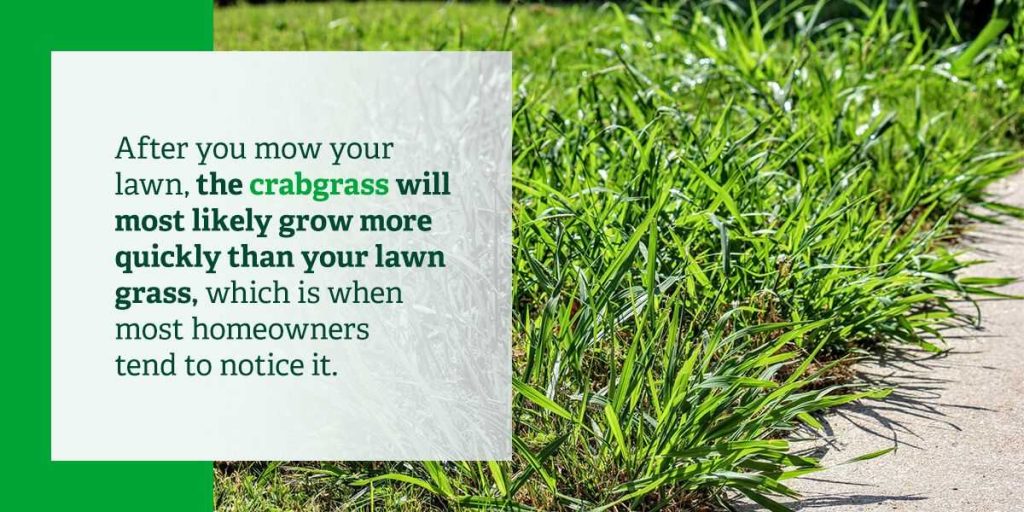
Quick Answer: Yes, crabgrass does grow faster than regular grass.
Have you ever looked at your lawn and wondered why those unsightly patches of crabgrass seem to grow faster than the rest of your grass? Well, you’re not alone! Many homeowners struggle with this invasive weed that seems to take over their perfectly manicured lawns. But why does crabgrass have the upper hand when it comes to growth?
Crabgrass, scientifically known as Digitaria sanguinalis, is a warm-season annual grass that thrives in hot and dry conditions. It germinates earlier in the growing season than most grasses and has a rapid growth rate. It spreads quickly through its extensive root system and produces copious amounts of seeds, allowing it to outcompete regular grass.
Regular grass, on the other hand, takes its time to establish and grow. It requires consistent care, maintenance, and favorable growing conditions. So, if you neglect your lawn or provide less than ideal conditions, crabgrass can take advantage of the situation and take over.
In this blog article, we will delve deeper into the reasons why crabgrass grows faster than regular grass and explore some effective methods to control and prevent its growth. So, let’s get started and reclaim our lawns from the clutches of this pesky weed!

Does Crabgrass Grow Faster Than Grass?
Crabgrass and grass are both common plants in lawns, but they have distinct growth patterns and characteristics. One of the questions frequently asked by homeowners is whether crabgrass grows faster than grass. In this article, we will explore the growth habits of crabgrass and grass, providing an in-depth analysis of their growth rates, factors that contribute to their growth, and strategies for managing crabgrass growth in your lawn.
Understanding Crabgrass
Crabgrass (scientifically known as Digitaria) is an annual weed that belongs to the Poaceae family. It’s characterized by its broad, flat blades and branching stems. This grassy weed tends to grow in bare or thin areas of lawns, where it can quickly colonize and dominate the space. Here are some key points to understand about crabgrass:
- Annual life cycle: Crabgrass completes its life cycle within one year, germinating from seeds in the spring, growing over the summer, and producing seeds before dying off in the winter.
- Germination: Crabgrass seeds thrive in warm soil temperatures, typically around 55-60°F (12-15°C). They can remain dormant in the soil for years and sprout when conditions are favorable.
- Rapid growth: Once germinated, crabgrass grows rapidly, taking advantage of its ability to produce more leaves and tiller more quickly than traditional grass species.
- Spread: Crabgrass spreads horizontally through stolons (above-ground stems) that root at the nodes, helping it take over bare patches in lawns. It also produces copious amounts of seeds that can spread from one area to another.
The Growth Habits of Grass
Grass, on the other hand, is the desired plant in most lawns. It is typically chosen for its ability to form a dense, uniform carpet-like coverage. Here are some key points to understand about grass growth habits:
- Perennial life cycle: Most grass species used in lawns, such as Kentucky bluegrass or perennial ryegrass, are perennial. They establish deep root systems and can survive for multiple years.
- Germination: Grass seeds have specific germination requirements, including soil moisture, temperature, and proper seed-to-soil contact. They need consistent care to ensure successful establishment.
- Establishment period: Grass species take time to establish compared to crabgrass. It requires proper watering, adequate nutrients, and protection from foot traffic during its initial growth phase.
- Slow growth rate: Grass grows relatively slowly compared to crabgrass. It has a limited ability to tiller (form new shoots) and spreads primarily through vertical growth of its blades.
Comparing Growth Rates
Now that we understand the growth habits of crabgrass and grass, let’s compare their growth rates:
- Germination: Crabgrass germinates quickly, often within one to two weeks after optimal soil temperatures are reached. In contrast, grass seeds can take two to three weeks or longer to germinate, depending on the species and conditions.
- Establishment: Crabgrass establishes rapidly under favorable conditions, generating a dense mat that can outcompete grass seedlings. Grass, however, needs more time to establish its root system and grow to maturity.
- Overall growth: Once established, crabgrass can grow at a faster rate compared to grass. Its ability to tiller and spread horizontally helps it cover bare patches quickly and smother neighboring grass plants.
Factors Affecting Growth
To better understand why crabgrass might grow faster than grass, let’s explore some factors that contribute to their growth rates:
- Soil temperature: Crabgrass thrives in warm soil temperatures, especially during the summer months when grass growth slows down. Higher soil temperatures provide optimal conditions for crabgrass germination and growth.
- Mowing height: Grasses typically require regular mowing to maintain an ideal height for optimal growth. However, cutting grass too short can weaken the plants and give crabgrass an advantage, as it prefers shorter mowing heights.
- Soil fertility: Well-fertilized lawns with balanced nutrition support grass growth, allowing it to compete more effectively with crabgrass. Insufficient or imbalanced nutrients can hinder grass development, making it more susceptible to crabgrass invasion.
- Soil moisture: Proper irrigation is crucial for both grass and crabgrass growth. However, overwatering can favor crabgrass since it is more tolerant of excessive moisture compared to certain grass species.
- Light availability: Grass typically thrives in full sun, while crabgrass has better shade tolerance. Areas with poor sunlight conditions may inhibit grass growth, providing an opportunity for crabgrass to fill in the gaps.
Managing Crabgrass Growth
Preventing or managing crabgrass growth is essential for maintaining a healthy lawn. Here are some strategies to consider:
- Mowing practices: Adjust mowing height to promote healthy grass growth while minimizing stress and weed competition. Set your mower to the recommended height for your grass species and avoid cutting too short.
- Proper watering: Water deeply and infrequently to encourage deep root growth in grass while avoiding shallow watering that favors crabgrass. Use a sprinkler system or irrigation to ensure even coverage.
- Fertilization: Follow a proper fertilization schedule that meets the nutritional needs of your grass. A well-fed lawn is more likely to compete effectively with crabgrass.
- Overseeding: Regular overseeding of your lawn with desirable grass species helps fill in bare patches and choke out crabgrass. Choose appropriate grass species for your region and lawn conditions.
- Weed control: Apply pre-emergent herbicides in early spring to prevent crabgrass seeds from germinating. Post-emergent herbicides can be used to control any crabgrass that manages to sprout.
- Healthy lawn practices: Adopting overall good lawn care practices such as proper aeration, dethatching, and regular soil testing helps maintain a robust and resilient lawn that can better resist crabgrass invasion.
With a better understanding of the growth habits of crabgrass and grass, as well as strategies to manage crabgrass growth, you can now take proactive steps to maintain a healthy and weed-free lawn. Remember, consistency and proper lawn care practices are key to promoting strong grass growth and minimizing the growth of unwanted crabgrass.
Crabgrass Killers: 5 Fast Facts
Frequently Asked Questions
Does crabgrass grow faster than grass?
Crabgrass is known for its rapid growth, but whether it grows faster than grass depends on various factors. Let’s explore some frequently asked questions about the growth of crabgrass compared to grass.
How does crabgrass growth compare to grass?
Crabgrass typically has a faster growth rate compared to most types of grass. It can quickly spread and overtake areas of a lawn, creating an unsightly appearance.
What contributes to the fast growth of crabgrass?
Crabgrass benefits from its ability to produce a large number of seeds, which can lie dormant in the soil until conditions are favorable for germination. Additionally, it thrives in sunny areas and can withstand dry and hot conditions better than many grass varieties.
Does the growth rate of crabgrass vary depending on the region?
Yes, the growth rate of crabgrass can be influenced by the climate and specific environmental conditions of a region. In warmer regions with longer growing seasons, crabgrass growth can be particularly vigorous.
Can proper lawn care practices help control crabgrass growth?
Absolutely! Regularly mowing your lawn at the recommended height helps shade the soil, reducing the chances of crabgrass seed germination. Additionally, maintaining healthy and dense grass through proper watering, fertilization, and weed control methods can help prevent crabgrass from establishing itself.
Are there any grass types that can outcompete crabgrass?
Some grass types, such as Kentucky bluegrass, fine fescue, and perennial ryegrass, have dense growth patterns that can inhibit crabgrass growth. Selecting the appropriate grass species for your region and properly maintaining it can greatly reduce the chances of crabgrass invading your lawn.
Final Thoughts
In conclusion, when comparing the growth rates of crabgrass and regular grass, it is evident that crabgrass does grow faster than grass. This hardy weed has a rapid germination process and can quickly spread throughout a lawn, outcompeting the surrounding grass for resources. As a result, it can be challenging to control and eradicate crabgrass once it takes hold in a yard. Homeowners and gardeners should remain vigilant in their efforts to prevent and manage the growth of crabgrass, ensuring a healthy and vibrant lawn.