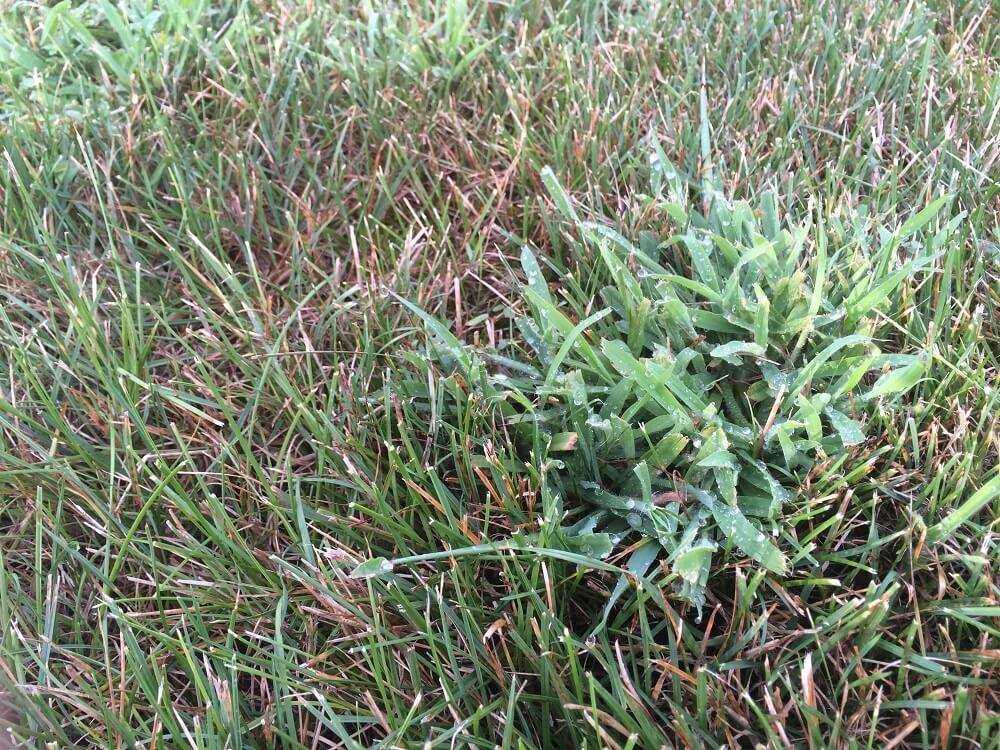
When to apply crabgrass preventer in Virginia? The best time to apply crabgrass preventer in Virginia is in the early spring before the crabgrass starts to germinate. This usually falls between March and April, when the soil temperature reaches around 55 to 60 degrees Fahrenheit. By applying a crabgrass preventer at this time, you can effectively stop the weeds from establishing themselves and spreading throughout your lawn.
Now, let’s dive deeper into why timing is crucial when it comes to applying crabgrass preventer in Virginia. As the weather starts to warm up and the soil temperature rises, crabgrass seeds lying dormant in the soil begin to wake up and germinate. These invasive weeds can quickly take over your lawn if left unchecked, crowding out desirable grass and creating unsightly patches.
Applying a crabgrass preventer before the seeds germinate is key to stopping their growth. The preventer forms a barrier in the soil that inhibits the development of crabgrass roots, ensuring that your lawn stays healthy and weed-free throughout the year.
Now that you understand the importance of timing, let’s explore the specific steps to effectively apply crabgrass preventer in Virginia.

When to Apply Crabgrass Preventer in Virginia
Crabgrass is a common and troublesome weed that can plague lawns and gardens in Virginia. It is an annual weed that reproduces by seed, and its aggressive growth can quickly overtake desirable grasses and plants. To effectively combat crabgrass, it’s important to apply a pre-emergent herbicide, commonly known as crabgrass preventer, at the right time. Timing is crucial, as applying the preventer too early or too late can significantly reduce its effectiveness. In this article, we will explore when to apply crabgrass preventer in Virginia, taking into account factors such as climate, soil temperatures, and grass growth stages.
Understanding Crabgrass Emergence
Before delving into when to apply crabgrass preventer, it’s essential to understand the emergence patterns of this pesky weed. In Virginia, crabgrass typically starts to emerge in early spring when soil temperatures reach around 55 to 60°F (12 to 15°C). The emergence continues throughout the spring and summer months, peaking during the warmest periods. By applying a crabgrass preventer before the weed seeds germinate, you can create a barrier that inhibits their growth, effectively controlling crabgrass infestation in your lawn.
Monitoring Soil Temperatures
To determine the appropriate timing for applying crabgrass preventer, it’s crucial to monitor soil temperatures. Soil temperatures, rather than air temperatures, provide a more accurate indication of when crabgrass is likely to germinate. Thankfully, several online resources and local agricultural extension offices provide real-time soil temperature data for different regions in Virginia. Aim to apply the preventer when the soil temperatures consistently reach about 55 to 60°F (12 to 15°C) at a depth of 1 to 2 inches (2.5 to 5 cm). This typically corresponds to early to mid-spring in most parts of Virginia.
Grass Growth Stages and Timing
Another important factor to consider is the growth stage of your lawn grass when deciding when to apply crabgrass preventer. Applying the preventer too early when the grass is not actively growing may inhibit its own growth. Conversely, applying too late when the crabgrass has already germinated can make the preventer less effective. Therefore, timing the application based on the growth stages of your lawn grass is crucial.
- Early Spring: As the soil temperatures approach 55 to 60°F (12 to 15°C), cool-season grasses such as Kentucky bluegrass and tall fescue start actively growing. This is the ideal time to apply crabgrass preventer, as it allows the grass to establish itself while preventing crabgrass germination.
- Late Spring: Warm-season grasses, including Bermuda grass and Zoysia grass, begin their active growth in late spring. Apply crabgrass preventer before the soil temperatures consistently reach 55 to 60°F (12 to 15°C) to ensure effective control.
Consider Regional Variations
Virginia has diverse climates, with the western regions experiencing cooler temperatures than the eastern coastal areas. Therefore, it’s essential to consider the regional variations when deciding on the timing for applying crabgrass preventer. The coastal areas, such as Virginia Beach and Norfolk, have milder winters and earlier springs compared to regions like Roanoke and Charlottesville. Take into account your specific region’s climate and adjust the application timing accordingly.
Postpone Application for Overseeded Lawns
If you have recently overseeded your lawn or plan to overseed, it’s important to postpone applying crabgrass preventer. The preventer will inhibit the germination of both crabgrass seeds and desirable grass seeds. Allow the newly seeded grass to establish and mature before applying the preventer. This typically means waiting for about eight weeks after overseeding.
Reapplication and Follow-Up
Crabgrass preventer typically provides control for about 8 to 12 weeks, depending on the product. To ensure continued protection throughout the crabgrass germination period, it may be necessary to apply a second application. However, carefully read the product instructions, as over-application can harm desirable grasses. Additionally, consider incorporating cultural practices such as regular mowing, proper watering, and fertilization to maintain a healthy and dense lawn that can better resist crabgrass infestation.
Timely application of crabgrass preventer is key to effectively controlling this stubborn weed in Virginia. By monitoring soil temperatures, considering grass growth stages, and accounting for regional variations, you can ensure the preventer is applied at the most opportune time. Remember to follow product instructions and consider cultural practices for long-term crabgrass management. With proper timing and care, you can keep your lawn beautiful and free from the intrusion of crabgrass.
Stay weed free with this simple pre-emergent schedule.
Frequently Asked Questions
When is the best time to apply crabgrass preventer in Virginia?
The best time to apply crabgrass preventer in Virginia is early spring, typically around March or April. It is crucial to apply the preventer before the crabgrass seeds germinate, which usually occurs when the soil temperature reaches around 50 to 55 degrees Fahrenheit.
Can I apply crabgrass preventer after the crabgrass has already emerged?
No, applying crabgrass preventer after the crabgrass has emerged will not be effective. Crabgrass preventer works by creating a barrier on the soil surface, preventing the germination of crabgrass seeds. Once the crabgrass has already sprouted, it is too late for the preventer to be effective, and other weed control methods should be considered.
Is it necessary to reapply crabgrass preventer later in the season?
In most cases, it is not necessary to reapply crabgrass preventer later in the season. The initial application should provide protection for several months. However, if you have a history of severe crabgrass infestation or if you notice crabgrass breakthrough, a second application may be beneficial. It is recommended to follow the product’s instructions and consult with a lawn care professional for specific recommendations.
Can I apply crabgrass preventer along with fertilizer?
Yes, many crabgrass preventer products include fertilizer in their formulations. This combination allows for the simultaneous control of crabgrass while providing essential nutrients to your lawn. However, it is crucial to carefully follow the product’s instructions regarding application rates and timing to avoid any potential damage to your lawn.
Can I apply crabgrass preventer in the fall?
No, applying crabgrass preventer in the fall is not recommended. Crabgrass preventer is most effective when applied before the crabgrass seeds germinate in the spring. Applying it in the fall may not provide adequate protection against the following year’s crabgrass growth. It is best to focus on other lawn care practices during the fall, such as aerating, overseeding, and fertilizing to maintain a healthy lawn.
Should I apply crabgrass preventer if I have recently seeded my lawn?
No, it is not recommended to apply crabgrass preventer if you have recently seeded your lawn. Crabgrass preventer can also prevent the germination of desirable grass seeds, affecting the establishment of new grass. It is best to wait until the newly seeded grass has established and mowed at least two to three times before applying crabgrass preventer in order to avoid any potential interference with the growth of your desired grass.
Final Thoughts
Crabgrass preventer should be applied in Virginia during the early spring, before the crabgrass seeds start to germinate. Timing is key in preventing the growth of this invasive weed. Applying the preventer in late February or early March ensures that it creates a barrier to stop the seeds from taking root. This proactive approach will help maintain a healthy and weed-free lawn throughout the year. Remember, the key to successful crabgrass prevention in Virginia is to apply the preventer at the right time.