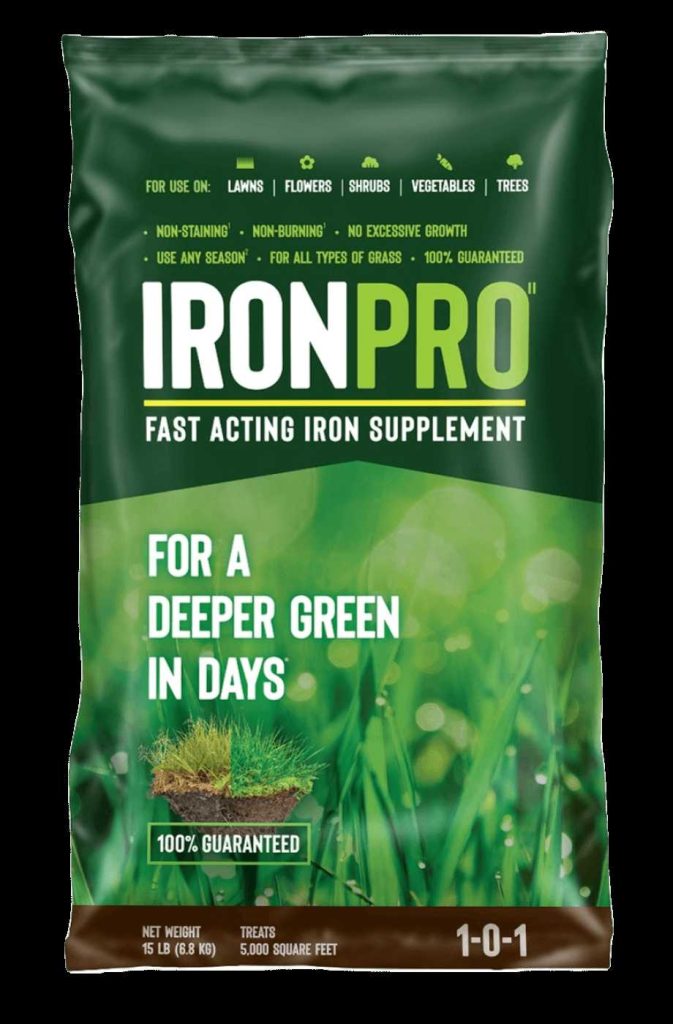
To quickly turn your dull, yellowing lawn into a lush green paradise, applying an iron supplement is one of the most effective solutions. Iron is essential for chlorophyll production, which directly influences the vibrant color of your grass. The key is to use a properly balanced iron supplement, ensuring you don’t overdo it, as excess iron can harm your lawn or the environment. In just a few simple steps, you can boost your grass’s health and achieve that beautiful, green look you’ve been dreaming of.
Iron supplements work by providing your lawn with the necessary nutrients to enhance chlorophyll synthesis, resulting in a deep, vibrant green color. Regular, correct application of iron, combined with proper watering and mowing practices, can keep your lawn lush and healthy throughout the season. With a clear plan and a little attention, your yard will transform into a verdant oasis in no time.

How to Make Lawn Green with Iron Supplement
If your lawn looks dull and lacks vibrant color, adding an iron supplement can be a great way to revive its health. Iron is essential for producing chlorophyll, which gives grass its green color. In this guide, we will explore detailed methods to make your lawn lush and green using iron supplements.
Understanding the Role of Iron in Lawn Health
Iron plays a key role in plants’ ability to produce chlorophyll, the pigment responsible for the green color. Without enough iron, grass can become pale or yellow, a condition known as chlorosis. Ensuring your lawn has sufficient iron helps it stay healthy and vibrant.
Why is Iron Important?
- Facilitates chlorophyll production
- Improves overall plant vigor
- Helps grass recover from stress
- Enhances resistance to pests and diseases
Signs Your Lawn Lacks Iron
Look for yellowing or pale green grass, especially in new growth areas. The veins of grass blades may stay green while the rest turns yellow. This is a classic sign of iron deficiency.
Choosing the Right Iron Supplement for Your Lawn
There are different types of iron fertilizers available, each serving specific needs. Selecting the proper one depends on your lawn’s condition and your preferred application method.
Types of Iron Supplements
- Liquid Iron Fertilizer: Fast-acting and easy to apply, ideal for quick greening.
- Granular Iron Fertilizer: Suitable for regular maintenance, releases iron slowly.
- Iron Sulfate: Commonly used to correct deficiencies, also lowers soil pH.
- Chelated Iron: More effective in high pH soils where iron becomes unavailable.
How to Select the Best Iron Product
Choose a product based on your lawn’s soil pH, grass type, and urgency of greening. For instant results, liquid iron is preferable. For ongoing health, granular or chelated forms work well.
Application Techniques for Iron Supplements
Proper application ensures maximum absorption and benefits. Follow these steps to apply iron effectively.
Preparing Your Lawn
- Mow your grass to a manageable height.
- Water the lawn thoroughly before application to improve absorption.
- Avoid applying iron during hot or rainy weather to prevent runoff.
Applying Liquid Iron
- Mix the liquid fertilizer with water according to the manufacturer’s instructions.
- Use a garden sprayer or hose-end applicator for even coverage.
- Apply during late afternoon or early evening to prevent grass scorch.
Applying Granular Iron
- Distribute evenly using a broadcast or drop spreader.
- Water immediately after application to help permeate the soil.
- Follow the recommended dose for your lawn size and iron type.
Timing and Frequency of Iron Applications
Applying iron at the right times enhances results and prevents overuse. Regular maintenance keeps your lawn consistently green.
Best Time to Feed Your Lawn Iron
- Early spring, before active growth starts
- Late spring or summer when grass shows signs of chlorosis
- Autumn for recovery before winter dormancy
How Often Should You Apply Iron?
For most lawns, an application every four to six weeks suffices during the growing season. Adjust based on soil test results and grass response.
Monitoring Your Lawn’s Response
Observe improvements after application to determine if additional treatments are necessary. Look for deeper green color and overall health enhancement.
Signs of Successful Iron Supplementation
- Vibrant, deep green grass
- Improved grass density and texture
- Less yellowing or chlorosis
What to Do If Your Lawn Doesn’t Turn Green
Re-evaluate soil pH and iron levels. Sometimes soil conditions hinder iron absorption, requiring chelated iron or soil amendments.
Additional Tips for Lush Green Lawns
While iron is vital, other factors also influence lawn health. Combining practices yields the best results.
Maintain Proper Soil pH
Most grasses prefer soil pH between 6.0 and 7.0. Test your soil regularly and adjust pH with lime or sulfur as needed.
Optimize Fertilization Program
Use a balanced fertilizer that provides nitrogen, phosphorus, and potassium along with iron for overall growth.
Proper Watering Practices
Deep, infrequent watering encourages strong roots. Avoid overwatering, which can wash away nutrients including iron.
Regular Lawn Aeration
Aerating helps improve soil drainage and allows better penetration of nutrients and iron supplements.
Common Mistakes to Avoid When Using Iron Supplements
To keep your lawn healthy, steer clear of these pitfalls.
Overapplication of Iron
Excess iron can cause staining and may harm the grass. Always follow manufacturer instructions for dosage.
Applying in Hot Weather
High temperatures can cause the iron solution to burn or scorch the grass. Prefer cooler parts of the day for application.
Ignoring Soil Conditions
If your soil has high pH levels, iron absorption is limited. Use chelated forms or adjust soil pH accordingly.
Understanding Soil pH and Its Effect on Iron Availability
Soil pH significantly influences iron absorption. In alkaline soils, iron becomes insoluble, reducing its availability to grass.
Measuring Soil pH
Use a soil test kit to determine pH levels. This step guides you in choosing the appropriate iron supplement.
Adjusting Soil pH
- Lower pH with sulfur or peat moss in alkaline soils.
- Raise pH with lime in acidic soils.
Using Chelated Iron in High pH Soils
Chelated iron remains soluble and available to plants even in less-than-ideal pH conditions, making it ideal for alkaline soils.
Integrating Other Lawn Care Practices Alongside Iron Treatment
Combining iron supplementation with proper lawn care maximizes results. This approach ensures your grass remains healthy and green all season.
Regular Mowing
Keep your grass at optimal height for its species, typically 2.5 to 3 inches. Mowing promotes thick and healthy growth.
Weed Control
Weeds compete with grass for nutrients. Manage weeds to prevent nutrient depletion and stress on your lawn.
Fertilization Scheduling
Create a lawn fertilization plan that balances nutrient needs throughout the year, emphasizing iron during active growth periods.
Soil Testing and Adjustments
Routine testing helps detect deficiencies early and allows tailored treatment, including iron supplements.
Summary
Applying an iron supplement is an effective way to make your lawn greener and healthier. Proper selection, application, and timing are key. Combining iron treatment with overall lawn care practices ensures your grass remains lush and vibrant throughout the seasons.
Can iron make your lawn DARK GREEN?
Frequently Asked Questions
How often should I apply iron supplements to keep my lawn green?
Apply iron supplements every 2 to 4 weeks during the growing season to maintain a vibrant green color. Avoid over-application, as too much iron can lead to lawn damage or nutrient imbalance. Always follow the instructions on the product label for best results.
What is the best time of day to apply iron fertilizer to my lawn?
Apply iron fertilizer early in the morning or late in the afternoon when temperatures are cooler. These times help minimize evaporation and ensure better absorption by the grass. Avoid applying during midday heat or when grass is wet to prevent runoff or uneven distribution.
Can I use iron supplements on all types of grasses?
Yes, most grasses respond well to iron supplements, but it’s important to consider your specific grass type. Some grasses may have different nutrient requirements, so check if the product is suitable for your lawn. Conducting a soil test can help determine the appropriate application for your grass species.
What signs indicate my lawn needs an iron boost?
If your grass appears yellow or pale green despite adequate watering and fertilization, it likely suffers from iron deficiency. Iron deficiency inhibits chlorophyll production, leading to poor color. Addressing this promptly with iron supplements can help restore healthy, green foliage.
Are there natural alternatives to chemical iron supplements for greening my lawn?
Yes, you can use organic options like iron-rich compost or manure, which gradually supply iron to the soil. Additionally, iron chelates derived from natural sources can be applied to improve soil iron levels. Combining these with proper lawn care practices promotes a healthy and green lawn without relying solely on chemical fertilizers.
Final Thoughts
To make a lawn green with an iron supplement, start by choosing the right product suited for your grass type. Follow the application instructions carefully to avoid overuse, which can damage your lawn. Water your lawn after applying the supplement to help it absorb the nutrients effectively.
Consistent use of iron supplements results in a vibrant, healthy green lawn. Regular monitoring and proper application ensure your grass stays lush and beautiful. Remember, the key is applying the right amount at the right time.
How to make lawn green with iron supplement? Focus on correct application, timing, and watering to achieve your desired results efficiently.