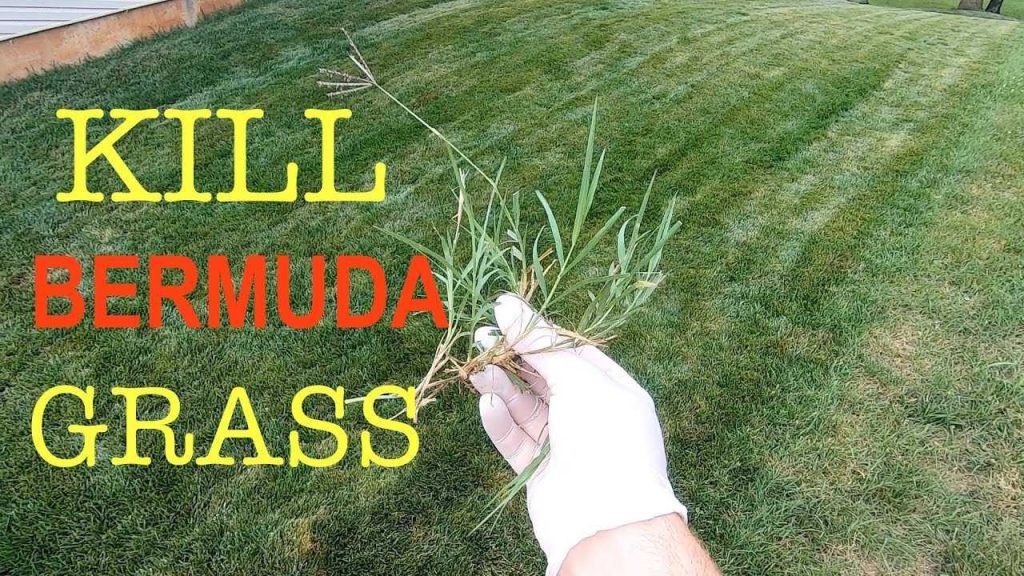
If you’re grappling with Bermuda grass and looking for a quick solution, the most effective way to eliminate it is by using a combination of glyphosate herbicide and physical removal. Start by applying the herbicide on a dry, sunny day when the grass is actively growing, as this will help ensure maximum absorption. After a week or two, you can begin to remove the dead grass, making way for new, healthier plants or a fresh lawn.
Bermuda grass is notorious for its resilience and rapid growth, making it a common headache for gardeners and homeowners alike. This warm-season grass spreads through both seeds and underground rhizomes, which means it can quickly take over your yard if left unchecked. Whether you’re dealing with it in your garden, lawn, or pathways, effectively getting rid of Bermuda grass requires a mix of patience and strategy. In this article, we’ll explore various methods for tackling this invasive grass, ensuring that you can reclaim your outdoor spaces without compromising the health of your soil.

How to Kill Bermuda Grass
Bermuda grass is a perennial grass that thrives in warm climates. While it is popular for lawns, it can become invasive and difficult to manage. Killing Bermuda grass requires a thoughtful approach that considers the best methods and practices. In this article, we will dive into effective strategies to eliminate Bermuda grass and prevent its return.
Understanding Bermuda Grass
Bermuda grass grows quickly and spreads through rhizomes and stolons. It is durable and can withstand heavy foot traffic. However, its aggressive growth means it can invade garden beds and other areas where it is not desired.
Recognizing the characteristics of Bermuda grass helps in devising effective removal strategies. Here are some common traits of Bermuda grass:
- Bright green color
- Thick, dense growth
- Can reach heights of up to 12 inches
- Roots can grow deep into the soil
When you see Bermuda grass taking over, it’s essential to act quickly to prevent further spread.
Natural Methods to Kill Bermuda Grass
If you prefer to avoid chemicals, there are several natural methods to kill Bermuda grass. Here are a few options to consider:
1. Solarization
Solarization involves using the sun’s heat to kill grass and weeds. Here’s how to do it:
- Moisten the area to encourage heat retention.
- Cover the Bermuda grass with clear plastic.
- Leave the plastic in place for 4-6 weeks during the hottest part of summer.
The heat trapped under the plastic will effectively cook the grass and its roots.
2. Vinegar
Vinegar is a natural herbicide. Its high acetic acid content makes it effective against Bermuda grass. Follow these steps:
- Use a spray bottle to apply vinegar directly to the grass.
- Choose a sunny day for maximum effectiveness.
Be cautious, as vinegar can also harm other plants, so apply it carefully.
3. Boiling Water
Pouring boiling water on Bermuda grass can kill it instantly. Here’s how to do it safely:
- Boil water in a kettle.
- Carefully pour the boiling water directly onto the grass.
This method is effective for small patches of grass and can be done easily at home.
Chemical Solutions for Killing Bermuda Grass
For larger infestations, chemical herbicides may be necessary. Here are some common chemicals used to kill Bermuda grass:
1. Glyphosate
Glyphosate is a non-selective herbicide. It will kill any plant it comes in contact with. Here’s how to use it:
- Apply glyphosate on a dry, calm day.
- Use a sponge or spray bottle to target the Bermuda grass.
Ensure to follow the manufacturer’s instructions for safe and effective use.
2. Diquat
Diquat is another herbicide that quickly kills Bermuda grass. It works best on young grass. Here are some tips:
- Apply Diquat when the grass is actively growing.
- Wear protective gear while handling the chemical.
This herbicide can effectively eliminate Bermuda grass, but be mindful of surrounding plants.
3. Pre-emergent Herbicides
Pre-emergent herbicides prevent Bermuda grass seeds from germinating. Here’s how to use them:
- Apply pre-emergents in early spring before Bermuda grass starts to grow.
- Water the area lightly to activate the herbicide.
Using these chemicals can help prevent the grass from returning in subsequent seasons.
Mechanical Removal Techniques
Another effective way to kill Bermuda grass is through mechanical removal. This involves physically removing the grass and its roots. Here are some techniques:
1. Digging
If the Bermuda grass is confined to a specific area, digging it out can be very effective. Here’s how to do it:
- Use a shovel or garden fork to remove the grass.
- Make sure to remove all the roots and rhizomes.
This method may require some effort but can lead to successful results.
2. Smothering
Smothering Bermuda grass involves blocking sunlight and preventing it from growing. Here’s how:
- Cover the affected area with cardboard or black plastic.
- Leave it covered for several weeks or until the grass dies.
This method is safe, eco-friendly, and can be done easily with materials you may already have at home.
Preventing Bermuda Grass from Returning
After successfully killing Bermuda grass, it’s important to take measures to prevent its return. Here are some strategies:
1. Maintain Healthy Soil
Healthy soil promotes the growth of desirable plants while suppressing unwanted weeds like Bermuda grass. Ensure your soil is rich in nutrients by:
- Adding organic matter such as compost.
- Testing soil pH and making necessary adjustments.
Healthy soil creates a strong foundation for your garden.
2. Regular Lawn Maintenance
Consistent lawn care prevents Bermuda grass from re-establishing itself. Here are some tips:
- Mow your lawn regularly to a height that prevents Bermuda grass from thriving.
- Water your lawn deeply but less frequently to encourage deep root growth in desirable grasses.
A well-maintained lawn will be less susceptible to invasion by Bermuda grass.
3. Use Thick Mulch in Garden Beds
Applying mulch in garden beds can suppress Bermuda grass. It prevents sunlight from reaching the ground, making it difficult for grass to grow. Here’s how:
- Apply a 2-3 inch layer of organic mulch around plants.
- Replenish the mulch as it decomposes.
This will help keep your garden looking beautiful and weed-free.
4. Choose the Right Grass Type
If you are looking to replace Bermuda grass, consider using grass types that are less invasive. Some alternatives include:
- Fescue
- Perennial Ryegrass
- Bluegrass
Selecting the right grass can reduce the chances of Bermuda grass returning.
When to Call Professionals
If Bermuda grass continues to thrive despite your efforts, it may be time to consult with professionals. Here are some signs to look for:
- The grass covers a large area that is difficult to manage alone.
- You’ve tried multiple methods with little success.
Professional landscapers have the tools and knowledge to effectively eliminate Bermuda grass.
In conclusion, tackling Bermuda grass may require a mix of methods, whether natural, chemical, or mechanical. Understanding the grass and implementing effective strategies is crucial for successful removal and prevention. With patience and persistence, you can reclaim your lawn and garden from this invasive grass.
How to Kill BERMUDA GRASS | BEST Methods
Frequently Asked Questions
“`html
What are effective methods for eliminating Bermuda grass?
To effectively eliminate Bermuda grass, consider using a combination of manual removal and chemical treatments. Manually dig out the grass, ensuring you remove the roots to prevent regrowth. For larger infestations, apply a non-selective herbicide containing glyphosate. Follow the instructions carefully and apply during a warm, sunny day for optimal effectiveness. Additionally, solarization, which involves covering the grass with plastic to heat and kill it, can also be effective.
How can I prevent Bermuda grass from returning after removal?
To prevent Bermuda grass from returning, maintain a healthy lawn by regularly mowing, fertilizing, and watering your desired grass species. Adjust your mowing height to a level that favors your grass and discourages Bermuda grass. Consider using landscape fabric or mulch in garden beds to block sunlight and prevent any Bermuda grass seeds from germinating.
Is vinegar an effective natural solution for killing Bermuda grass?
Vinegar can be an effective natural solution for killing Bermuda grass due to its high acetic acid content. Use a solution with at least 20% vinegar for the best results, and apply it directly to the leaves on a sunny day. Keep in mind that vinegar may also affect surrounding plants, so use it selectively.
What time of year is best to kill Bermuda grass?
The best time to kill Bermuda grass is in late spring or early summer when the grass is actively growing. This timing maximizes the effectiveness of herbicides, as the grass absorbs more chemicals during its growth phase. If using non-chemical methods like solarization, the summer heat will help kill the grass more effectively.
Can I use boiling water to kill Bermuda grass?
Yes, boiling water can effectively kill Bermuda grass. Pouring boiling water directly onto the grass will scorch the leaves and roots, leading to its demise. This method works well for small patches of grass, but ensure the boiling water does not touch any desirable plants in the vicinity.
“`
Final Thoughts
To effectively kill Bermuda grass, consider several methods. Chemical herbicides can offer quick results, but be cautious about the impact on surrounding plants.
Manual removal is a labor-intensive yet effective alternative for smaller areas. Ensuring you remove the roots is crucial for lasting results.
Lastly, promoting healthy grass in your lawn can outcompete Bermuda grass over time. Combining these strategies will lead you toward success in how to kill Bermuda grass.