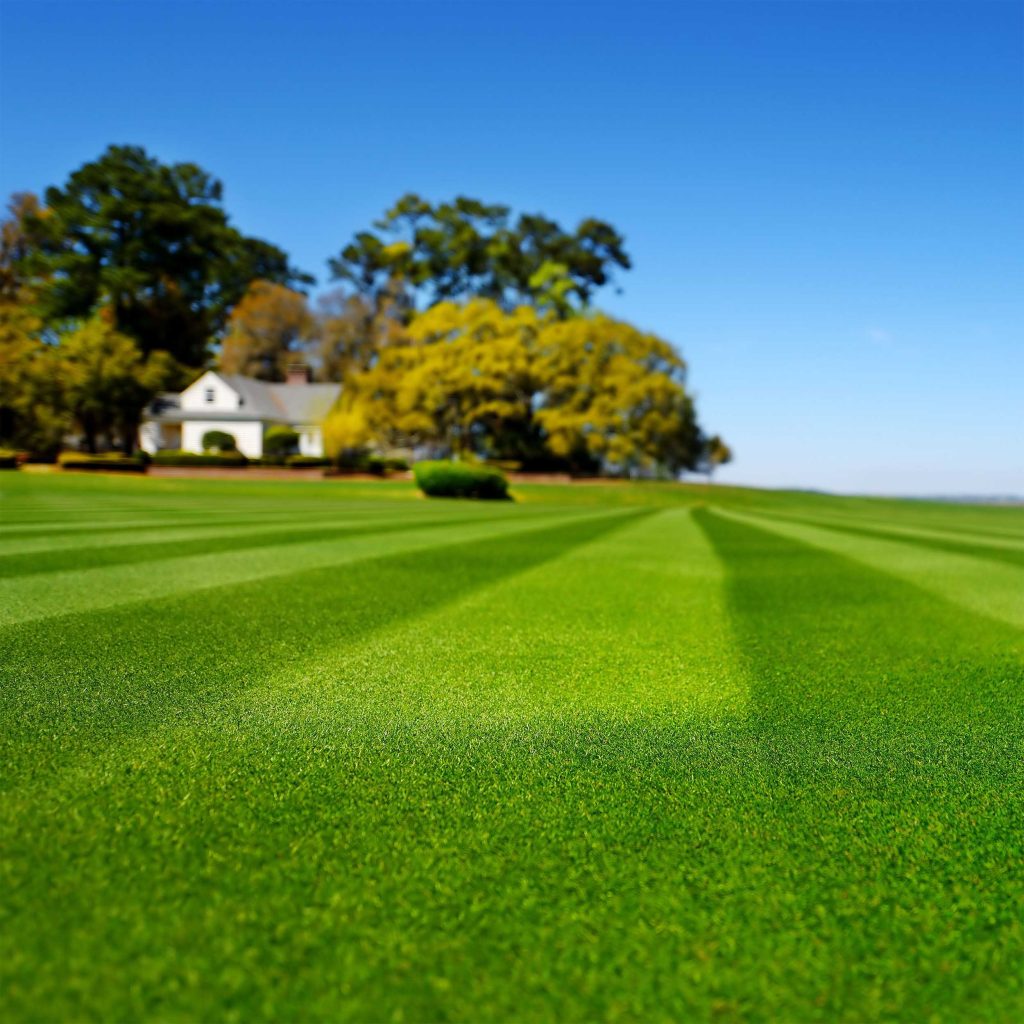
Short answer: For most North Carolina lawns, the best bermuda grass you can actually plant from seed is a cold-tolerant improved seeded variety — Yukon if you're in the mountains or upper Piedmont, Riviera or Arden 15 for the Piedmont, and Princess 77 or a quality blend for the Coastal Plain. Buy it hulled, uncoated if possible, and sow it at 1–2 pounds of pure live seed per 1,000 square feet once soil temperatures hold above 65°F.
Here's the thing most roundups get wrong, and it matters enormously before you spend a dollar: TifTuf, Celebration, TifWay 419, TifGrand and Tahoma 31 are not sold as seed. They're sterile hybrids, propagated only by sod, sprigs or plugs. If a listing claims to sell "TifTuf bermuda seed," it is either mislabeled or outright fraudulent. This guide covers what's genuinely available in a bag, how the varieties differ, and how to establish them successfully in North Carolina's three very different growing regions.
Why Bermuda Grass Works in North Carolina (and Where It Doesn't)
Bermuda is a warm-season grass. It grows aggressively when soil temperatures sit between 75°F and 95°F, goes dormant and straw-brown below about 50°F, and needs a minimum of 7–8 hours of direct sun to hold density. It spreads by both stolons (above-ground runners) and rhizomes (below-ground stems), which is why it repairs traffic damage faster than almost anything else you can grow in a home lawn.
North Carolina spans roughly USDA hardiness zones 6a through 8b — the USDA map is worth checking for your specific ZIP code, because the state's elevation swings change the answer within a single county. That range explains why bermuda is a slam dunk in Wilmington and a gamble in Boone.
| Region | Rough zones | Bermuda verdict |
|---|---|---|
| Coastal Plain (Wilmington, Greenville, Jacksonville) | 8a–8b | Excellent. Nearly any seeded variety survives winter. Sandy soils drain well and bermuda tolerates the heat and salt spray better than fescue. |
| Piedmont (Raleigh, Charlotte, Greensboro, Winston-Salem) | 7a–7b | Very good, with a caveat. Clay soils and occasional hard freezes mean cold tolerance should drive your variety choice. |
| Mountains (Asheville, Boone, west of I-77 at elevation) | 6a–7a | Risky. Winterkill and a short growing season make tall fescue the safer bet. If you insist on bermuda, plant only the most cold-hardy seeded types on a south-facing, full-sun site. |
In practice, the failures I see reported most often aren't seed-quality failures at all. They're shade failures — someone seeds bermuda under mature oaks or on the north side of a two-story house, gets thin patchy growth, and blames the bag. Bermuda has essentially zero shade tolerance. If your site gets less than seven hours of sun, no variety on this list will save it.
Seeded vs. Vegetative Bermuda: Read This Before You Buy
This single distinction eliminates about half the bad purchases in this category.
Vegetative (sod/sprig only): TifTuf, TifWay 419, TifGrand, Tifdwarf, Celebration, Latitude 36, Northbridge, Tahoma 31, Iron Cutter. These are hybrid crosses that produce little or no viable seed. They are genuinely finer-textured and denser than anything seeded — that part of the hype is true — but you buy them as sod or have them sprigged, and you'll pay several times more per square foot.
Seeded (available in a bag): Common bermuda, Yukon, Riviera, Princess 77, Arden 15, Monaco, Blackjack, Sahara, Mohawk, plus proprietary blends that mix two or three of these.
The performance gap has narrowed considerably. Modern seeded varieties from university breeding programs are far denser and finer than the common bermuda your neighbor planted twenty years ago. They still won't match a hybrid sod for putting-green texture, but for a residential lawn seeded at a fraction of the cost, the trade-off usually favors seed.
A common mistake: buying "certified" seed and assuming it means "premium." Certification verifies genetic identity and purity — that the Yukon in the bag really is Yukon. It says nothing about whether Yukon suits your site. Certification is a good thing to look for, but it's a purity guarantee, not a performance ranking.
Top Bermuda Grass Seed Picks for North Carolina
1. Yukon — Best Cold Tolerance
Developed at Oklahoma State University specifically for the upper transition zone, Yukon is the seeded bermuda to plant when winterkill is your primary worry. It greens up reasonably early in spring, holds medium-fine texture, and carries the best documented freeze tolerance among widely available seeded types.
Best for: Piedmont lawns with exposed, windy sites; anyone attempting bermuda in the mountains or upper foothills. Trade-off: Slightly slower to establish than Princess 77 and a touch lighter in color.
2. Riviera — Best All-Around Piedmont Choice
Also from the Oklahoma State program, Riviera balances cold hardiness with faster establishment and a darker green than Yukon. It's a workhorse across Raleigh, Charlotte and Greensboro lawns, and it recovers well from summer traffic.
Best for: Most Piedmont homeowners. If you're in doubt and live between I-85 and I-95, start here. Trade-off: Costs more per pound than common bermuda by a wide margin.
3. Arden 15 — Best Modern Density
A newer release aimed at closing the gap with vegetative hybrids, Arden 15 offers improved density and a finer leaf than the older seeded generation while retaining useful cold tolerance. Availability is thinner than Riviera's, so plan ahead if you want it.
Best for: Homeowners who want hybrid-like appearance without paying for sod. Trade-off: Limited retail distribution; usually ordered from turf seed suppliers rather than a big-box shelf.
4. Princess 77 — Finest Texture from Seed
Princess 77 is the fine-bladed, dark-green option that most closely resembles a hybrid lawn. It establishes quickly and looks genuinely impressive at a 1-inch cut.
Best for: Coastal Plain and warm Piedmont sites where hard freezes are rare.
Trade-off: Noticeably less cold tolerant. I'd avoid it west of Winston-Salem and anywhere with a history of winter turf loss.5. Blackjack, Sahara and Monaco — Budget Improved Varieties
These older improved seeded types cost less than the Oklahoma State releases and still beat common bermuda on color and density. Blackjack is the darkest green of the three; Sahara is the toughest under drought; Monaco is the finest textured.
Best for: Large areas, pastures-turned-lawns, and anyone establishing on a budget. Trade-off: Coarser blade and more open growth habit than Riviera or Arden 15.
6. Common (Hulled) Bermuda — Cheapest Coverage
Unimproved common bermuda germinates fast, spreads hard, and costs a fraction of everything above. It's coarse, lighter green, and prone to seedheads if you mow high or infrequently.
Best for: Erosion control, back pasture edges, ballfield outfields on a shoestring, or a temporary cover. Trade-off: You'll notice the texture difference every time you look at it.
Quick Comparison
| Variety | Texture | Cold tolerance | Establishment speed | Relative cost | Best NC region |
|---|---|---|---|---|---|
| Yukon | Medium-fine | Excellent | Moderate | High | Mountains / upper Piedmont |
| Riviera | Medium-fine | Very good | Fast | High | Piedmont |
| Arden 15 | Fine | Good | Moderate | High | Piedmont / Coastal |
| Princess 77 | Fine | Fair | Fast | High | Coastal Plain |
| Blackjack / Sahara / Monaco | Medium | Fair–good | Fast | Moderate | Coastal Plain / Piedmont |
| Common (hulled) | Coarse | Fair | Very fast | Low | Anywhere, utility use |
Blends are legitimate. A bag mixing Riviera with a cold-hardy partner spreads your genetic risk across a bad winter. For most homeowners, a two- or three-way blend of improved seeded types is a smarter buy than betting everything on one cultivar.
How to Read a Grass Seed Label (The Skill That Saves You Money)
Every legitimate bag carries a seed analysis tag. It's the only objective data you get, and it's more useful than any marketing on the front.
- Pure seed % — how much of the bag's weight is the grass you're buying.
- Germination % — the percentage of that seed that sprouted in a lab test.
- Inert matter % — coating, filler, chaff. On coated seed this routinely runs 30–50%.
- Other crop / weed seed % — you want both at or near 0.00%. Anything above 0.5% weed seed is a hard pass.
- Noxious weeds — must read "none found."
- Test date — seed loses viability in storage. Look for a test within the last 9–12 months.
Calculate pure live seed (PLS). Multiply pure seed % by germination %. A bag at 85% pure and 90% germination gives 0.765, so only about 76.5% of the bag weight is viable grass. A coated bag at 50% pure and 90% germination gives 45% — you need roughly twice the bag weight to hit the same seeding rate. Coating isn't a scam (it holds moisture and can improve establishment on sandy soil), but you must adjust your rate or you'll under-seed badly.
Hulled vs. unhulled: hulled seed has the outer coat removed and germinates in roughly 7–14 days. Unhulled can take three weeks or more. For a spring or early-summer seeding in North Carolina, buy hulled.
Timing: When to Plant Bermuda Seed in North Carolina
Bermuda seed germinates when soil temperature at 4 inches deep holds above 65°F — and it establishes properly closer to 70–75°F. Air temperature will fool you; soil lags behind by weeks.
Practical windows:
- Coastal Plain: early May through mid-July
- Piedmont: mid-May through early July
- Mountains (if attempting at all): June only
Hard deadline: stop seeding by roughly July 15–20. Seedlings need 60–90 days of active growth to build the rhizomes that carry them through winter. Bermuda seeded in late August looks fine in September and is gone by March. This is the single most common way North Carolina homeowners lose a bermuda seeding — not the seed, the calendar.
A $12 soil thermometer pushed into the ground at 8 a.m. for three consecutive mornings is a better planting signal than any date on a bag.
Soil Prep and Seeding, Step by Step
1. Soil test first
The North Carolina Department of Agriculture and Consumer Services runs an Agronomic Services soil testing lab that processes home lawn samples — free for most of the year, with a small per-sample fee during the December-to-March peak season. Boxes are available at any county Cooperative Extension office. Bermuda wants a pH of 6.0–6.5; Piedmont clay frequently tests at 5.2–5.5, and lime takes months to move the number, so test early.
2. Kill existing vegetation
Existing fescue, weeds and especially perennial grasses will outcompete bermuda seedlings. Use a non-selective herbicide 2–3 weeks before seeding, then a second pass on regrowth. Do not skip this on a lawn converting from fescue — fescue clumps will shade out young bermuda all summer.
3. Prepare the seedbed
Till or aggressively rake the top 3–4 inches. Break up compaction, remove rocks and debris, and grade so water runs away from the house. On heavy clay, work in 1–2 inches of compost — a topdressing drum makes this vastly less miserable than shovel-and-rake. Finish by firming the surface; a footprint should sink about a quarter inch, no more. Fluffy seedbeds settle unevenly and give you a lumpy lawn a year later, and correcting that with a heavy-duty grading tool after establishment is far more work than getting it flat now.
4. Apply starter fertilizer
Follow your soil test. Absent one, a starter fertilizer supplying about 1 pound of phosphorus per 1,000 square feet, worked lightly into the top inch, is a safe default.
5. Seed at the right rate
1–2 pounds of pure live seed per 1,000 square feet for improved seeded bermuda. Do not exceed this. Over-seeding bermuda produces thin, spindly seedlings that compete with each other and thin out in July — it is genuinely worse than under-seeding.
Split the total into two passes at half rate, walking north-south then east-west. Consistency matters more than speed here: an accurate walk-behind model calibrated to your bag beats guesswork with a hand crank every time. If you're covering a half acre or more, a heavier-duty hopper will save you refills, and there are solid budget-tier options if this is a one-time project.
6. Cover and firm
Rake very lightly so seed sits no deeper than 1/4 inch. Bermuda needs light to germinate — bury it half an inch and germination drops sharply. Roll with a light lawn roller or walk the area to press seed into contact with soil. A thin scatter of weed-free straw or a light compost dusting helps on slopes.
7. Water
Keep the top half inch continuously moist — typically 2–4 light waterings a day for 10–20 minutes each, for the first 2–3 weeks. Never let the seedbed crust over and dry.
Once seedlings reach about an inch, cut back to once daily. By week four, shift to deeper, less frequent watering to drive roots down. If you want a compressed timeline for the germination phase, the fundamentals of speeding up germination apply directly here.
Ready to start? Pull a soil sample this week and order your seed before mid-April — the cold-hardy seeded varieties routinely sell out by planting season, and buying the right cultivar in March beats settling for whatever's left on the shelf in June.
First-Year Care: The Part That Determines Success
Mowing
Begin mowing when the stand reaches about 2 inches. Maintain improved seeded bermuda at 1 to 2 inches; common bermuda tolerates 1.5–2.5 inches. Never remove more than a third of the leaf blade in one cut — during June and July that means mowing every 4–5 days, not weekly.
Frequent low mowing is what makes bermuda lateral and dense. Let it grow tall between cuts and it goes upright, stemmy and open. On sloped Piedmont lots this cadence gets old fast, which is where a mower built for grades earns its price, and it's worth thinking through your power source options if you're mowing twice a week all summer.
Fertilizing
Bermuda is a heavy nitrogen feeder, but only while it's actively growing. Apply roughly 0.5–1 pound of actual nitrogen per 1,000 square feet per growing month, from full green-up (typically May) through mid-August — about 2–4 pounds total for the season.
Stop nitrogen by late August. Fertilizing into September pushes soft growth that has no time to harden off, and it's a leading contributor to winterkill and spring dead spot. If you're chasing color late in the season, potassium and iron are the tools, not nitrogen. The broader logic behind deepening the color without pushing dangerous late growth is worth understanding before you reach for another bag of urea.
Weed control — the pre-emergent trap
Standard crabgrass pre-emergents prevent bermuda seed from germinating too. Do not apply one before or at seeding.
- Seeding this spring? Skip the spring pre-emergent entirely, or use siduron (Tupersan), the one pre-emergent labeled for use at seeding.
- Post-emergent herbicides? Wait until the new stand has been mowed 2–3 times, then read the label for seedling restrictions.
- Following spring? Resume your normal pre-emergent program, timed to forsythia bloom / soil temperatures near 55°F.
Expect crabgrass in year one. It's unavoidable when you can't use pre-emergent, and a dense bermuda stand will crowd most of it out by year two.
Common Problems in North Carolina Bermuda Lawns
Spring dead spot. The signature bermuda disease of the transition zone — circular dead patches that appear at spring green-up, most severe in high-thatch, high-late-nitrogen, poorly drained lawns. Management is cultural: balanced fertility, potassium in fall, core aeration, and avoiding late-season nitrogen. Cold-tolerant varieties like Yukon and Riviera tend to show less damage.
Winterkill. Most common on north-facing slopes, in shade, in low spots where cold air and water collect, and in lawns pushed hard with nitrogen in September. Raise mowing height slightly for the final cut of the season and keep traffic off dormant turf.
Thatch. Bermuda builds thatch faster than fescue. Once the layer exceeds half an inch, water and fertilizer stop reaching the root zone. Core aerate every spring or early summer and dethatch or verticut every 2–3 years.
Fall armyworms. They can strip a lawn in 48 hours, typically August into September. Scout after any sudden browning: mix a couple tablespoons of dish soap in a gallon of water, pour it over a square foot of the affected edge, and watch for caterpillars surfacing.
Bermuda where you don't want it. Those rhizomes cross sidewalk cracks and invade beds. Install a deep edge — 6 inches minimum — around any planting bed before you seed. Retrofitting one later is genuinely unpleasant work.
Should You Choose Something Other Than Bermuda?
Honest trade-offs matter more than a sales pitch:
- Shade under 7 hours of sun? Choose tall fescue in the Piedmont and mountains, or zoysia in the Coastal Plain. Bermuda will fail.
- Want green grass in January? Bermuda is dormant brown from roughly November to April in North Carolina. Tall fescue stays green year-round. Some homeowners overseed dormant bermuda with perennial ryegrass for winter color, but that ryegrass competes with bermuda green-up in spring and is generally discouraged for home lawns.
- Mountain elevation? Tall fescue, full stop.
- Low-input, low-mow preference? Zoysia needs less mowing and less nitrogen than bermuda, though it establishes far more slowly from seed.
North Carolina State Extension maintains detailed, regionally specific turfgrass recommendations and a variety-selection framework through its county offices — NC State Extension is the most reliable local authority on which species belongs on your specific site, and consultations are free.
How Much Seed Do You Actually Need?
Measure your lawn in square feet, then work backward from PLS.
| Lawn size | Seed at 1 lb PLS/1,000 sq ft | Seed at 2 lb PLS/1,000 sq ft |
|---|---|---|
| 2,500 sq ft | 2.5 lb | 5 lb |
| 5,000 sq ft | 5 lb | 10 lb |
| 10,000 sq ft | 10 lb | 20 lb |
| 1/2 acre (~21,780 sq ft) | ~22 lb | ~44 lb |
Remember to divide by your PLS figure if the bag is coated. Ten pounds of PLS from a 45%-PLS coated product means buying roughly 22 pounds of product.
Budget planning tip: improved seeded bermuda typically runs several times the price per pound of common bermuda, but at 1–2 lb per 1,000 square feet, even a premium variety costs a small fraction of sodding the same area. Seed is where the savings are; don't cheap out on the cultivar to save what amounts to a single bag of fertilizer.
Frequently Asked Questions
Can I buy TifTuf bermuda seed for my North Carolina lawn?
No. TifTuf is a sterile hybrid propagated only by sod, sprigs or plugs — there is no such thing as TifTuf seed. The same applies to Celebration, TifWay 419, TifGrand and Tahoma 31. Any listing offering these as seed is misrepresenting the product, and what arrives will be common bermuda at best. If you want a hybrid's texture, budget for sod.
Which bermuda seed is best for the North Carolina mountains?
Realistically, none — tall fescue is the correct choice above about 2,500 feet. If you're determined to try bermuda in the foothills or lower mountain valleys, Yukon has the strongest cold tolerance of the widely available seeded types. Plant only on a full-sun, south-facing, well-drained site, seed in June to maximize the establishment window, and accept that a severe winter may take it out.
When exactly should I plant bermuda seed in North Carolina?
Wait for soil temperature at 4 inches to hold above 65°F for several consecutive days — typically mid-May in the Piedmont and early May on the coast. Finish seeding by roughly July 15 so seedlings get 60–90 days of active growth before dormancy. Seeding in late summer or fall is the most common cause of total establishment failure in this state.
How long does bermuda grass seed take to germinate?
Hulled seed in warm, consistently moist soil sprouts in 7–14 days, sometimes as fast as 5 days at 80°F soil temperature. Unhulled seed can take 21–30 days. Full coverage of a bare lawn takes 6–10 weeks of active growth, and a genuinely dense, mature stand takes the full first season. If nothing has emerged after three weeks, the usual culprits are soil that dried out, seed buried too deep, or soil that never got warm enough.
Do I need to remove my existing fescue before seeding bermuda?
Yes, and thoroughly. Fescue clumps shade bermuda seedlings during exactly the weeks they need maximum sunlight, and bermuda's lateral spread can't outrun an established bunch grass in year one. Kill the existing stand with a non-selective herbicide 2–3 weeks ahead, then treat any regrowth before seeding. Half-measures here produce a patchy, disappointing lawn.
How much water does new bermuda seed need?
Keep the top half inch of soil continuously moist for the first 2–3 weeks — that generally means 2–4 short cycles per day rather than one long soak. After germination, taper to once daily, then to deep watering roughly twice weekly delivering 1 to 1.25 inches per week including rainfall. Established bermuda is genuinely drought tolerant and will go dormant rather than die during a dry August.
Why is my bermuda grass thin and stemmy instead of dense?
Almost always one of four things: not enough sun, mowing too high, mowing too infrequently, or too little nitrogen during peak growth. Bermuda densifies in response to frequent close mowing. Cutting at 3 inches every two weeks produces exactly the open, upright, stemmy turf you're describing — drop to 1.5 inches, mow every 4–5 days in summer, and feed it, and it will fill in.
Can I overseed my existing bermuda lawn to thicken it?
You can, but manage expectations. Existing bermuda shades new seed heavily, so results are modest unless you scalp the lawn low, core aerate or verticut aggressively to expose soil, and then seed in late spring. It's most effective on genuinely thin or damaged areas rather than as a general density strategy — for a healthy but thin stand, correcting mowing height and fertility usually delivers more improvement than adding seed.
Final Thoughts
The best bermuda grass seed for a North Carolina lawn in 2026 comes down to matching cold tolerance to your region: Yukon for the coldest sites, Riviera or Arden 15 across the Piedmont, Princess 77 or a quality blend on the Coastal Plain, and an improved budget variety like Blackjack or Sahara when you're covering serious acreage. Skip anything marketed as TifTuf, Celebration or Tahoma seed — it doesn't exist.
But the variety choice is maybe a quarter of the outcome. The other three quarters are timing (soil above 65°F, done by mid-July), rate (1–2 lb PLS per 1,000 sq ft, no more), depth (1/4 inch, never buried), and moisture (constant for three weeks). Get those four right with a mid-tier seed and you'll beat a premium cultivar planted carelessly, every time.
Pull a soil sample from your county Extension office now, order your seed before the spring rush, and mark your calendar for the first week soil temperatures cross 65°F. That sequence — test, buy early, plant on the soil's schedule rather than yours — is what separates the lawns that look established by August from the ones being reseeded next year.