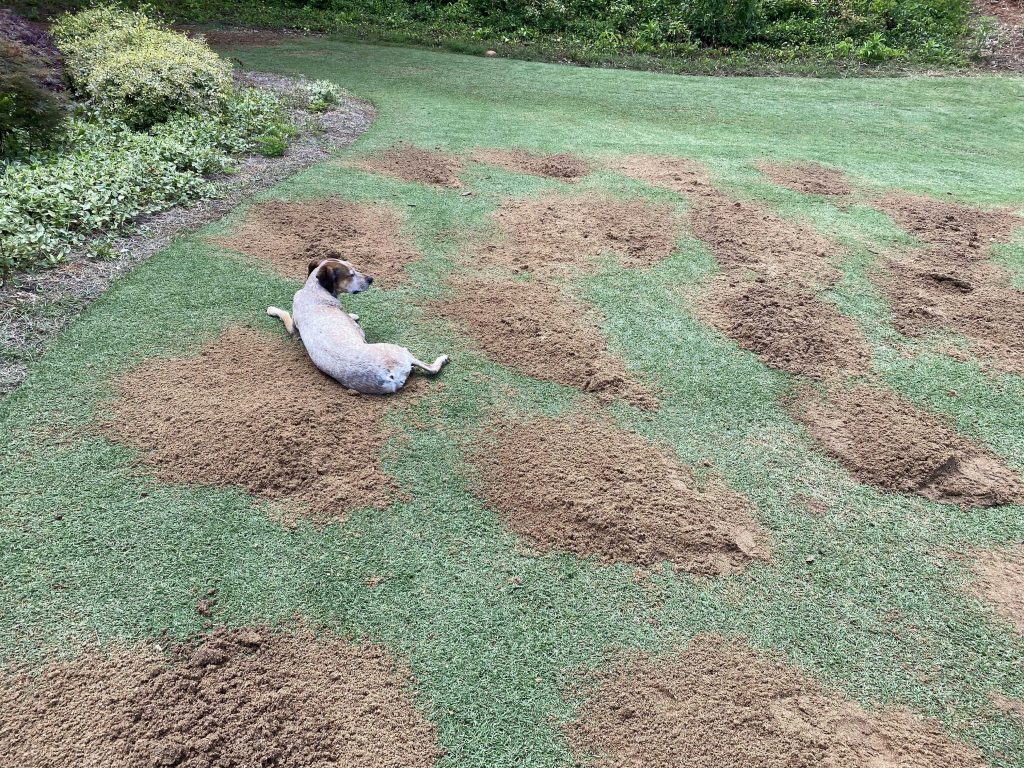
For lush, healthy Bermuda grass, using the right topsoil is essential. A well-chosen topsoil provides the nutrients, drainage, and aeration your lawn needs to thrive and stay vibrant throughout the season. The key is selecting a soil that promotes strong root growth and resists common problems like compaction or poor drainage. In brief, high-quality, well-draining topsoil enriched with organic matter is ideal for Bermuda grass. It helps establish a lush, dense lawn by supporting healthy root development and moisture retention. Proper topsoil not only enhances the appearance but also strengthens the grass’s resilience against drought, pests, and diseases. Ensuring your Bermuda grass bed has the right soil foundation is the first step toward a picture-perfect lawn that will impress all season long.
Growing Bermuda grass successfully hinges on choosing the right topsoil. The best topsoil should be rich in organic nutrients, well-draining, and free of weed seeds or debris, providing an optimal environment for the grass to establish deep roots. When planting or renovating your lawn, consider blending local topsoil with compost or organic matter to boost fertility and improve soil structure. Proper preparation and the right soil mix promote vigorous growth, uniform coverage, and long-term health of your Bermuda turf. Whether you’re starting fresh or renovating, selecting quality topsoil is the foundation to achieving a lush, green, and resilient Bermuda lawn that stands tall season after season.

Top Soil for Bermuda Grass
Understanding the Importance of Quality Top Soil for Bermuda Grass
Good top soil is essential for Bermuda grass to grow healthy and lush. It provides necessary nutrients, improves drainage, and encourages strong root development. When you choose the right top soil, your Bermuda lawn will be more resistant to pests and droughts.
What Makes Top Soil Suitable for Bermuda Grass?
Top soil for Bermuda grass should have specific characteristics to support optimal growth. These include the right texture, nutrient content, pH level, and drainage ability. The ideal top soil is loose enough to allow roots to spread but dense enough to hold nutrients and moisture.
Texture and Composition
The best top soil for Bermuda grass contains a mix of sand, silt, and clay. Typically, sandy loam is preferred due to its excellent drainage and airflow. The soil should be crumbly and free of large rocks or debris, which can hinder root growth.
Nutrient Content
Healthy Bermuda grass thrives when the top soil contains essential nutrients such as nitrogen, phosphorus, and potassium. A soil test can help determine nutrient levels and deficiencies. You may need to add organic matter or fertilizers to improve nutrient availability.
pH Level
Bermuda grass prefers a soil pH between 5.8 and 7.0. Soil that is too acidic or alkaline can restrict nutrient uptake. Lime can raise soil pH, while sulfur lowers it, so adjusting pH levels depends on your soil test results.
How to Prepare Your Soil for Bermuda Grass
Proper soil preparation ensures that Bermuda grass roots can establish effectively. First, remove any weeds, grass, or debris from the area. Then, loosen the existing soil using a tiller or garden fork.
Performing a Soil Test
Use a soil testing kit to analyze pH and nutrient levels. Test results guide amendments needed for optimal Bermuda grass growth. Most local extension offices offer soil testing services for affordable prices.
Amending the Soil
Based on test results, add organic matter like compost to improve fertility and structure. To adjust pH, incorporate lime or sulfur as recommended. These amendments help create a balanced environment suitable for Bermuda grass.
Selecting the Right Top Soil for Bermuda Grass
Choosing high-quality top soil is crucial for the success of your Bermuda lawn. Consider purchasing from reputable suppliers who provide soil that meets specific standards.
Commercial vs. DIY Soil Mixes
Commercial top soil is often ready to use and tested for quality. For DIY mixes, combine garden soil with coarse sand and organic matter to achieve the ideal composition. Always check for contaminates or pests before use.
Organic vs. Inorganic Top Soil
Organic soils contain natural composts and organic matter, which improve soil health over time. Inorganic soils are primarily mineral-based and may lack nutrients. For long-term health, organic-rich top soil is preferable.
Applying Top Soil for Bermuda Grass
Proper application technique enhances soil contact and nutrient distribution. Spread the top soil evenly across the prepared area using a rake or shovel.
Depth of Application
A layer of 2 to 4 inches of top soil is recommended for establishing Bermuda grass. Too thick an application can suffocate existing roots, while too thin may not provide adequate nutrients.
Seeding or Sodding on Top Soil
When planting Bermuda grass, first lay down the top soil, then either seed or lay sod on top. Press down gently to ensure good contact between the soil and roots.
Maintaining and Improving Top Soil for Long-Term Growth
Regular maintenance ensures your Bermuda grass remains healthy and vibrant. Reseed or overseed with fresh top soil over time to address bare patches or thin areas.
Fertilization Schedule
Apply a balanced fertilizer every few months to supply essential nutrients. Follow fertilizer instructions carefully and avoid overfeeding, which can harm the grass.
Watering Practices
Deep, infrequent watering encourages deep root growth. Water early in the morning to minimize evaporation and fungal issues. Proper watering complements the quality of your top soil.
Aeration and Soil Testing
Aerate the lawn annually to relieve soil compaction and improve airflow. Conduct soil tests annually to monitor pH and nutrient levels, adjusting amendments accordingly.
Common Issues and Troubleshooting
Poor topsoil quality can lead to issues like poor drainage, weed infestation, or uneven growth. Address these problems by amending soil or reseeding as needed.
Dealing with Poor Drainage
If water pools on your lawn, improve drainage by incorporating sand or organic matter into the top soil. Installing drainage systems can also help in severe cases.
Controlling Weeds
Good top soil minimizes weed growth by promoting healthy Bermuda grass. Keep the lawn dense and healthy, and remove weeds manually or with safe herbicides.
Preventing Soil Erosion
Erosion can deplete top soil and expose roots. Use ground cover plants or install edging to prevent runoff and protect your lawn’s soil layer.
Related Topics: Enhancing Bermuda Grass Growth
Explore additional strategies to optimize your Bermuda grass, such as aeration techniques, overseeding, and organic soil amendments. Consistent care fosters a thick, green lawn that stands out.
Choosing the right top soil creates a foundation for a beautiful Bermuda grass lawn. By understanding soil characteristics, preparing the land properly, and maintaining it regularly, you can enjoy a strong, healthy, and vibrant yard for years to come.
When should you use sand vs topsoil on Bermuda grass
Frequently Asked Questions
What soil characteristics are ideal for supporting Bermuda grass growth?
Bermuda grass thrives in well-draining soils rich in organic matter. The soil should have a loamy texture with a pH level between 5.8 and 7.0. Adequate aeration helps roots to penetrate deeply, promoting healthy growth. Incorporating compost or organic amendments can improve soil fertility and structure, creating an optimal environment for Bermuda grass to establish and flourish.
How often should I topdress my Bermuda lawn with soil or compost?
Applying a thin layer of topsoil or compost every 6 to 12 months supports healthy Bermuda grass development. This process replenishes nutrients, improves soil structure, and encourages better water retention. Be careful not to layer too thickly, as excessive topdressing can smother the grass or impede growth. Regular maintenance ensures the lawn remains lush and resilient.
Can I use any type of topsoil for my Bermuda grass, or are there specific types I should choose?
You should select high-quality, screened topsoil specifically suited for lawns. Look for soil that is free of weeds, debris, and pests. A loamy soil with good drainage properties benefits Bermuda grass by preventing waterlogged conditions. Avoid soils with high clay content or excessive sand, as they can either retain too much moisture or drain too quickly, respectively. Choosing the right topsoil enhances root development and overall health.
What steps should I take before adding topsoil to my Bermuda grass lawn?
Start by removing any existing debris, weeds, or dead grass from the lawn surface. Test the soil to determine its pH and nutrient levels, then amend it accordingly. Loosen the existing soil using a rake or aerator to improve mixing and aeration. Spread the topsoil evenly over the prepared area, then lightly incorporate it into the existing soil. Water thoroughly afterward to help the grass settle and promote healthy growth.
Are there any common mistakes to avoid when topdressing a Bermuda grass lawn?
Avoid applying too much topsoil at once, as thick layers can smother the grass and hinder airflow. Do not topdress during periods of drought or extreme heat, which can stress the grass. Make sure to select the appropriate type of soil tailored for Bermuda grass needs rather than generic garden soil. Additionally, refrain from disturbing the grass roots excessively during application, which could damage the turf and delay establishment.
Final Thoughts
In summary, choosing the right top soil for bermuda grass is essential for a healthy, lush lawn. High-quality soil provides essential nutrients and proper drainage, which promotes strong root growth. Ensuring the soil has the right balance of organic matter helps your bermuda grass thrive. Proper preparation and regular maintenance make a noticeable difference in your yard’s appearance and vitality.