To ensure a lush Bermuda grass lawn, aim to spread about 1 to 2 pounds of seed per 1,000 square feet for optimal coverage. Properly prepared soil and even distribution are key to successful germination and growth. Keep the soil moist and avoid over-seeding to prevent wastage and promote healthy grass development.
Achieving the perfect Bermuda grass seed coverage hinges on understanding the right seeding rate and techniques. With proper preparation and attention to detail, you can establish a dense, vibrant lawn that stays green and healthy throughout the season. Whether you’re overseeding an existing lawn or starting fresh, knowing how much seed to spread and how to do it effectively makes all the difference. In this article, we’ll explore the best practices for Bermuda grass seed coverage, ensuring you get the most out of your seeding efforts without wasting resources.

Bermuda Grass Seed Coverage: How to Achieve a Thick, Healthy Lawn
Understanding Bermuda Grass Seed Coverage
Bermuda grass is a popular choice for yards because it grows quickly and creates a lush green carpet. To ensure a successful lawn, knowing how much seed to plant is essential. Proper seed coverage helps prevent bald spots and promotes even growth across the entire area.
Seed coverage refers to the amount of Bermuda grass seed needed per square foot or square meter of lawn. This measurement helps avoid over- or under-seeding, both of which can lead to poor growth or wasted seed. An ideal seed coverage ensures the grass roots grow evenly and establish firmly.
How Much Bermuda Grass Seed Do You Need?
The amount of seed needed depends on the size of your lawn and the recommended seeding rate. Generally, Bermuda grass seed is planted at a rate of about 1 to 2 pounds per 1000 square feet. For bare ground or overseeding, the rate may be slightly higher.
| Size of Lawn | Recommended Seed Rate | Total Seed Needed |
|---|---|---|
| 1000 sq ft | 1 to 2 pounds | 1 to 2 pounds |
| 5000 sq ft | 5 to 10 pounds | 5 to 10 pounds |
| 10000 sq ft | 10 to 20 pounds | 10 to 20 pounds |
Knowing your lawn’s size helps you purchase the right amount of seed without wastage. Always buy a premium Bermuda grass seed for better germination and healthy growth.
Preparing the Soil for Optimal Seed Coverage
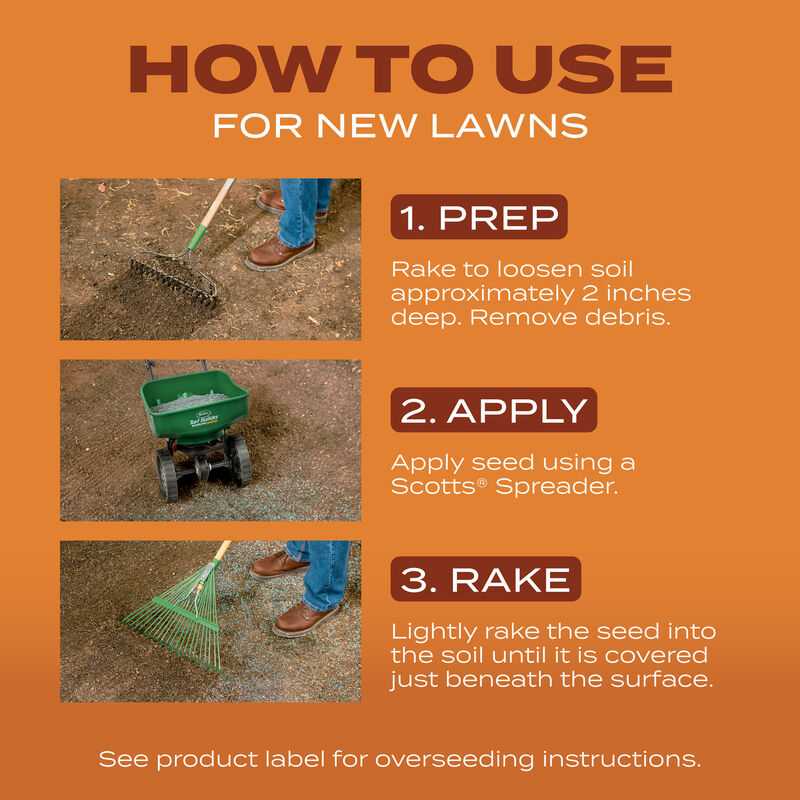
Before spreading Bermuda grass seed, preparing the soil is crucial. Clear away weeds, rocks, or any debris that might hinder seed contact with the soil. Loosen the soil to a depth of about 3 inches using a rake or tiller.
Test soil pH levels to ensure they are between 5.8 and 7.0, which is optimal for Bermuda grass. You can amend the soil with lime or fertilizer if needed. Proper soil preparation helps seeds establish roots quickly and ensures good coverage.
How to Spread Bermuda Grass Seed Evenly
Uniform seed distribution is key to achieving thick coverage. Use a broadcast spreader or drop spreader for even spreading, depending on your lawn size. Follow the manufacturer’s instructions for setting the spreader’s opening.
Start by dividing the lawn into sections, and seed each section separately. Overlap the spread slightly in each pass to avoid missing spots. After spreading, lightly rake the soil to cover the seeds with a thin layer of soil, about 1/4 inch deep.
Optimal Seeding Techniques for Better Coverage
Proper seeding techniques improve germination and lawn density. Use a seed spreader for even distribution and avoid broadcasting seeds by hand, which can cause uneven coverage.
After spreading, lightly tamp the soil using a roller or simply walk over the area to press the seeds into the soil. This contact helps seeds germinate faster. Water the area gently but thoroughly immediately after seeding to keep the soil moist.
Watering and Maintenance for Germination and Growth
Watering is vital during the germination process. Keep the soil consistently moist but not waterlogged. Water lightly two to three times daily in the first two weeks.
As the grass begins to sprout, gradually reduce watering frequency but increase the depth of each watering session. Once established, Bermuda grass needs about 1 to 1.5 inches of water per week for healthy growth.
Common Mistakes to Avoid in Bermuda Grass Seed Coverage
Many issues with Bermuda grass growth stem from improper seeding practices. Avoid over-seeding, which can cause competition among plants and weak growth. Conversely, under-seeding can leave patches and bald spots.
Don’t forget to prepare the soil properly; unprepared soil leads to poor seed contact and weak germination. Also, avoid watering too heavily or infrequently, as this can drown seeds or dry them out.
Tips for Improving Bermuda Grass Seed Coverage
– Use high-quality seed for better germination rates
– Follow recommended seeding rates to prevent overcrowding
– Keep the soil moist during germination
– Rake lightly after seeding for better seed-to-soil contact
– Fertilize appropriately to promote healthy growth
– Overseed annually to maintain density and health
Additional Factors Influencing Bermuda Grass Seed Coverage
Sunlight plays a crucial role; Bermuda grass thrives in full sun, which encourages uniform growth. Soil type also impacts seed coverage—sandy soils drain quickly, requiring more frequent watering.
Temperature is important too; Bermuda grass germinates best between 65°F and 95°F. Timing your seeding during warm months ensures quicker germination and healthier coverage.
Related Topics for Better Lawn Care
– Best fertilization practices for Bermuda grass
– Overseeding vs. patching for lawn repair
– Common pests and diseases affecting Bermuda grass
– Aeration and dethatching to improve seed coverage
– Seasonal care tips for year-round lawn health
By understanding the details of Bermuda grass seed coverage and following these guidelines, you can create a dense, green lawn. Proper preparation, even spreading, and attentive watering are key steps toward a successful Bermuda grass lawn.
Seeding Bermuda Lawns and Zoysia Lawns
Frequently Asked Questions
What is the ideal seed coverage rate for Bermuda grass to ensure even growth?
An optimal seed coverage rate for Bermuda grass is approximately 1 to 2 pounds per 1,000 square feet. Applying the seeds at this rate helps achieve uniform distribution, encouraging even germination across your lawn. Be sure to lightly rake or press the seeds into the soil after spreading to improve soil contact and promote healthy growth.
How does soil type affect Bermuda grass seed coverage?
Soil type influences how seeds settle and establish. Sandy soils typically require a slightly higher seed coverage because the seeds may drain quickly, while clay soils can retain moisture better but may need less seed coverage to prevent overcrowding. Adjust your seed amount accordingly to match your soil conditions for optimal germination.
What steps can I take to improve germination rates when applying Bermuda grass seed?
To boost germination, prepare the soil by loosening it and removing debris. Spread the seed evenly at the recommended rate and lightly press it into the ground to ensure good contact. Keep the area consistently moist with gentle watering until seedlings establish. Proper preparation and maintenance help improve germination success.
Final Thoughts
Bermuda grass seed coverage is essential for a healthy, even lawn. Proper seeding techniques ensure the grass grows uniformly and fills in bare spots quickly. Using the right amount of seed and maintaining consistent moisture promotes strong root development.
Incorporate these strategies to maximize germination and ensure a lush, resilient lawn. Effective Bermuda grass seed coverage results in a vibrant, dense turf that enhances your outdoor space.