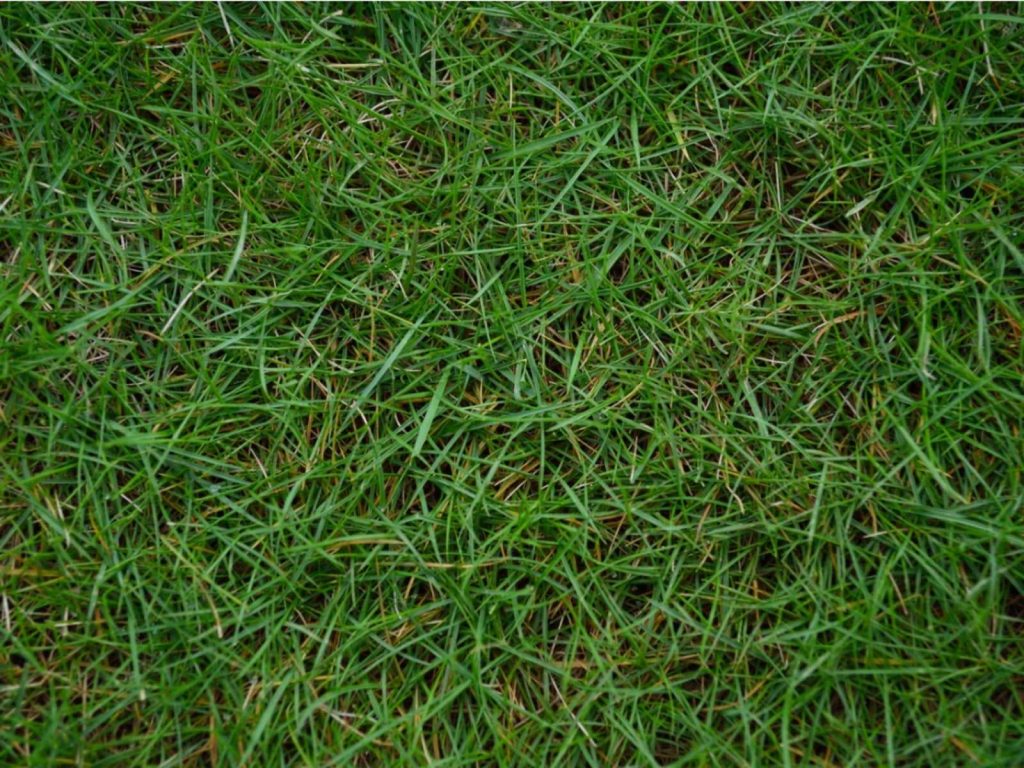
Bermuda grass typically begins to sprout when the temperatures warm up in late spring, signaling the start of its active growing season. Knowing exactly when this happens can help you optimize your lawn care and enjoy a lush, green yard throughout the summer.
In short, Bermuda grass usually starts growing when soil temperatures reach around 65-70°F (18-21°C), which often occurs between late April and early June, depending on your climate. It remains most active during the warm summer months and goes dormant as temperatures drop in fall.
As spring approaches, many homeowners wonder when their Bermuda grass will start to spring to life. This grass variety is popular for its drought tolerance and vibrant color, but its growth cycle is closely tied to soil and air temperatures. If you’re eager to see your lawn flourish, understanding the right time for Bermuda grass to wake up from winter dormancy can make all the difference. Generally, as the weather warms and soil temperatures hit around 65°F to 70°F, Bermuda grass begins to emerge, signaling the start of a busy growing season. This timing can vary based on your geographical location, but knowing these key temperature cues helps you prepare for the lush, healthy lawn you desire.

When Does Bermuda Grass Start Growing?
Understanding Bermuda Grass Growth Cycles
Bermuda grass is a warm-season grass that thrives in hot weather. Its growth cycle is closely tied to temperature changes in the environment. Typically, it begins to grow when soil temperatures reach around 65 to 70 degrees Fahrenheit (18 to 21 degrees Celsius). Once the soil warms up, Bermuda grass quickly begins to sprout and establish itself.
In regions with mild winters, Bermuda grass can start growing earlier in the year. Conversely, in areas with colder climates, growth might be delayed until late spring or early summer. Tracking local temperature patterns can help predict exactly when your Bermuda grass will start to grow.
When Does Bermuda Grass Usually Start Growing in Different Climates?
The start time for Bermuda grass growth varies among different climates and regions. Here are some general guidelines:
- Southern United States: Often begins to grow as early as March or April when soil temperatures warm up.
- Midwestern and Northern areas: Growth usually starts in late April or May, depending on local spring temperatures.
- Tropical regions: Can begin growing almost year-round, with minimal seasonal delay.
Knowing your climate zone and typical weather patterns will help you better anticipate your Bermuda grass’s start date.
Factors That Influence When Bermuda Grass Starts Growing
Multiple factors can affect the exact timing of Bermuda grass growth in your area. These include:
Soil Temperature
Soil temperature is the primary trigger for Bermuda grass to sprout. Use a soil thermometer to monitor temperatures at a depth of about 2 to 4 inches. Grass generally begins to grow when the soil reaches 65-70°F (18-21°C).
Air Temperature
Air temperature also plays a vital role. Consistently warm days and cool nights signal that it’s time for Bermuda grass to sprout. A sustained period of daytime temperatures above 75°F (24°C) encourages growth.
Sunlight
Bermuda grass needs plenty of sunlight to grow well. Longer daylight hours in late spring and early summer stimulate growth activity. Shade can delay or inhibit its sprouting process.
Rainfall and Moisture
Adequate moisture in the soil is essential for germination. After planting or after dormancy, the area should receive consistent watering to support healthy growth.
Steps to Encourage Bermuda Grass Growth
Getting your Bermuda grass to start growing involves more than just waiting for the weather to warm up. Proper lawn care practices can help accelerate the process:
Prepare the Soil
Start with well-drained, aerated soil. Remove weeds and debris, and lightly loosen the soil to promote root penetration.
Plant at the Right Time
Plant Bermuda grass seed when soil temperatures consistently stay above 65°F (18°C). In warm climates, this can be early spring, while in cooler regions, late spring or early summer is ideal.
Water Properly
Keep the soil moist with regular watering, especially during the first few weeks after planting. Avoid overwatering to prevent disease.
Use Quality Seed or Sod
Select high-quality seed or sod suited for your climate zone for quicker and more vigorous growth.
Signs That Bermuda Grass Is Starting to Grow
You can tell Bermuda grass is beginning to grow by observing these signs:
- Small green shoots emerging from the soil.
- Increased activity in areas previously dormant or brown during winter.
- Longer days and warmer temperatures coincide with early sprouting.
Checking after the soil has warmed and consistent moisture levels are maintained will help you see the first signs of growth quickly.
Common Challenges That Can Delay Growth
Sometimes, Bermuda grass may not start growing on time due to several challenges. These include:
Frost and Cold Spells
Late spring frosts can damage young shoots and delay growth. It’s best to wait until all danger of frost has passed.
Inadequate Temperature
If the soil or air remains cool, germination can be slow. Use soil thermometers to ensure ideal conditions.
Poor Soil Conditions
Compacted or nutrient-deficient soil can hinder growth. Conduct a soil test and amend accordingly.
Lack of Proper Watering
Too little moisture prevents germination, while overwatering may cause disease. Maintain a balanced watering schedule.
Timing Tips for Different Regions
To maximize your Bermuda grass growth, keep in mind regional differences:
| Region | Optimal Planting Time |
|---|---|
| Southeastern US | March to May |
| Midwest US | Late April to early June |
| Tropical areas | Year-round, but best in early spring |
Adapting planting schedules to your specific climate ensures healthy and timely Bermuda grass growth.
Summary
Knowing exactly when Bermuda grass starts growing helps you plan proper lawn care and maximize its lushness. Soil and air temperatures are the main indicators of growth initiation. By understanding regional patterns, preparing the soil well, and timing planting correctly, you can enjoy a vibrant Bermuda grass lawn during the warm months.
Starting at the right time ensures your lawn develops a dense, green cover that lasts all summer. Regularly monitoring the weather and maintaining good soil health will give your Bermuda grass the best chance to thrive from the moment it begins to grow.
Seeding Bermuda Lawns and Zoysia Lawns
Frequently Asked Questions
What environmental factors influence the start of Bermuda grass growth?
Bermuda grass begins to grow when temperatures consistently reach between 75°F and 85°F (24°C to 29°C). Adequate sunlight and sufficient moisture also play crucial roles. When days are warm and sunny with regular watering, the grass naturally starts to emerge from dormancy and develops actively.
How does soil temperature impact Bermuda grass emergence?
Soil temperature is vital for Bermuda grass to start growing. When the soil warms up to around 65°F to 70°F (18°C to 21°C), it signals the grass to break dormancy and begin actively growing. Cooler soil temperatures slow down germination, so it’s important to wait until the soil warms sufficiently in spring.
What is the typical timeline for Bermuda grass to begin sprouting in spring?
In most regions, Bermuda grass starts sprouting in late spring, usually around May or early June. The exact timing depends on local climate conditions, especially when soil and air temperatures consistently stay within the optimal range. Warm, sunny days accelerate this process, leading to quicker growth initiation.
Final Thoughts
Bermuda grass typically begins to grow when soil temperatures reach around 65-70°F. This usually happens in late spring or early summer, depending on your location.
Warm weather and ample sunlight are essential for optimal growth, so ensure your lawn conditions are favorable.
When does Bermuda grass start growing? It starts actively growing once the temperatures warm up, making late spring to early summer the ideal time for planting and care.