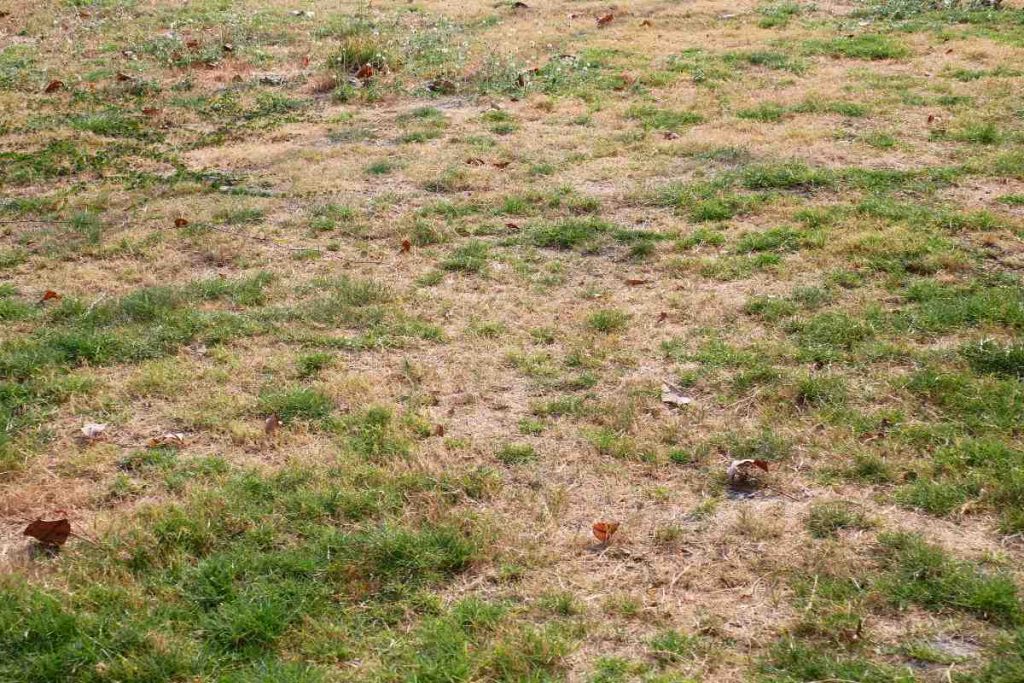
Reviving dying grass can transform your lawn from brown and patchy to lush and green in no time. The key is to identify the root cause—whether it’s drought, pests, or poor soil—and address it with targeted solutions. With proper care, even severely damaged grass can bounce back and become the envy of the neighborhood.
To rejuvenate dying grass, start by assessing the condition and addressing underlying issues such as watering, soil health, and pests. Regular aeration, overseeding, and proper fertilization can breathe new life into tired turf. Consistent maintenance will help your lawn thrive once again.
If your grass looks dull, patchy, or lifeless, don’t despair—restoring its vitality is achievable with a few simple steps. Consistent watering, aeration, overseeding, and balanced fertilization are essential to wake up your lawn and encourage healthy growth. Addressing environmental factors and pests promptly can prevent further damage. With patience and proper care, your grass will soon regain its lush, vibrant appearance and become the perfect backdrop for outdoor fun.

How to Rejuvenate Dying Grass?
Understanding Why Grass Turns Dying
To bring your grass back to life, you first need to know why it is dying. Several factors can cause grass to turn brown or thin out. These include lack of water, poor soil quality, excessive foot traffic, pests, and disease. Recognizing the cause helps you choose the right solution more effectively.
Assessing the Condition of Your Lawn
Start by inspecting your lawn closely. Check for patches of dead grass or areas that are brown and dry. Feel the soil to see if it’s compacted or too dry. Look for signs of pests like insects or fungal problems such as mold or discoloration. A proper assessment guides your rejuvenation steps.
Ensuring Proper Watering Techniques
Watering is critical for healthy grass. Dying grass often results from both overwatering and underwatering. Aim for deep, infrequent watering that provides about one to one and a half inches of water weekly. Use a rain gauge or a small container to measure rainfall and supplement as needed to keep the soil moist but not soggy.
Best Time to Water
Water early in the morning for efficient absorption and to minimize evaporation. Avoid watering late in the day, which can promote fungal growth. Consistent watering schedules help maintain healthy roots and prevent further drying out.
Improving Soil Quality
Healthy soil supports healthy grass. Test your soil’s pH and nutrient levels using a simple soil testing kit. Grass prefers a pH between 6.0 and 7.0 for optimal growth. If the soil is too acidic or alkaline, amend it with lime or sulfur accordingly.
Adding Fertilizer
Apply a balanced fertilizer that contains nitrogen, phosphorus, and potassium. Use slow-release fertilizers to provide nutrients over time. Generally, fertilize in spring and fall to support vigorous growth and recovery.
Addressing Pests and Diseases
Identify signs of pests, such as insect holes or grass that looks eaten or damaged. Use appropriate pest control methods, such as organic insecticides or natural predators. For fungal issues, apply a fungicide according to the label instructions, and remove affected grass to prevent spread.
Overseeding for Thinning Areas
Overseeding helps fill in bare or thin patches. Choose grass seed varieties suitable for your climate and soil type. Rake the area to loosen the soil, spread the seed evenly, and lightly press it into the ground. Keep the soil moist and avoid heavy foot traffic during the first few weeks.
Timing for Overseeding
The best time to overseed is during the active growing season—spring or early fall—when temperatures are moderate. This allows the new grass to establish roots before extreme weather occurs.
Mowing Tips for Dying Grass
Proper mowing can stimulate healthy growth. Set your mower to a height suitable for your grass type—usually between two and three inches. Never cut more than one-third of the grass height at a time to prevent stress and promote new growth.
Keeping Your Lawn at the Right Height
Longer grass shades the soil, retaining moisture and preventing weeds. It also encourages deeper roots. Regular mowing keeps the grass healthy and prevents it from becoming thin or patchy.
Reseeding and Patch Repair
For severely damaged areas, reseeding can be a quick fix. Prepare the patch by removing dead grass and loosening the soil. Spread seed evenly, cover lightly with soil or compost, and water regularly. Protect the area from foot traffic during establishment.
Using Lawn Thatch and Aeration
Thatch is a layer of dead grass and roots that can prevent water and nutrients from reaching the soil. Raking out thatch or using aeration tools improves air circulation and enhances root growth. Aeration involves removing small plugs of soil, which creates space for roots to grow deeper.
Applying Mulch or Organic Matter
Adding organic matter like compost or mulch improves soil fertility. Spread a thin layer over your lawn, which helps retain moisture and provides nutrients. This step encourages grass roots to grow stronger and more resilient.
Seasonal Lawn Care Tips
Adjust your lawn care routines according to the season. In spring, focus on fertilization and overseeding. During summer, water early and mow at higher heights. Fall is ideal for fertilizing and aeration, preparing your lawn for winter dormancy.
Preventative Measures to Keep Grass Healthy
Maintain your lawn by avoiding heavy foot traffic and mowing at the correct height. Regularly water, fertilize, and aerate. Aerobic and preventive care reduces the chances of pests and disease returning.
Additional Tips for a Lush Lawn
– Avoid overwatering, which can drown roots.
– Keep grass at the recommended height for your specific type.
– Remove weeds promptly to reduce competition for nutrients.
– Use grass conditioners and organic fertilizers to promote healthy growth.
Related Topics
- Best Grass Types for Your Climate
- How to Prevent Lawn Drought
- Organic Lawn Care Solutions
- DIY Lawn Pest Control
- Winter Lawn Preparation Tips
Rejuvenating dying grass involves understanding its causes, improving soil and watering practices, overseeding damaged patches, and maintaining proper mowing routines. By following these steps, you can restore your lawn to a vibrant, healthy state that invites outdoor enjoyment. Regular care and attention will keep your grass green and lush for seasons to come.
How to FIX an UGLY Lawn with RESULTS – Step by Step for Beginners EASY
Frequently Asked Questions
What are some immediate steps to revive dying grass quickly?
Begin by removing any dead or brown patches of grass to allow healthy growth. Aerate the soil to improve airflow and water absorption. Water the area deeply to ensure moisture reaches the roots, especially during dry periods. Apply a balanced fertilizer tailored for lawns to provide necessary nutrients. Lastly, avoid heavy foot traffic on the compromised areas to prevent further stress.
How can soil quality influence the recovery of struggling grass?
Soil quality significantly impacts grass health. Poor soil may lack essential nutrients or have improper pH levels, hindering growth. Improve soil quality by testing its pH and nutrient levels; amend it with organic matter or soil conditioners as needed. Ensuring proper drainage and aeration helps roots access water and nutrients effectively, promoting healthier grass regeneration.
What watering practices help rejuvenate stressed grass?
Consistent and deep watering encourages strong root development. Water your lawn early in the morning to minimize evaporation and fungal issues. Avoid frequent shallow watering, which can weaken roots. Adjust watering frequency based on weather conditions, ensuring the grass receives about 1 to 1.5 inches of water per week. Proper hydration supports the recovery process and maintains overall grass vitality.
How can overseeding contribute to reviving dying turf?
Overseeding introduces new, healthy grass varieties into thin or patchy areas, boosting turf density. Prepare the soil by raking and loosening the surface to promote seed contact. Use high-quality seeds suitable for your climate and grass type. Water the area regularly to keep the soil moist and support germination. Overseeding fills in bare spots and helps the lawn resist future damage.
What role does proper mowing play in grass revival?
Maintaining the correct mowing height prevents stress and encourages lush growth. Set your mower blades to the recommended height for your grass type, usually around 2.5 to 3 inches. Avoid cutting the grass too short, which exposes roots and makes lawns vulnerable to drought and pests. Regular mowing removes dead grass and promotes dense, healthy blades, aiding overall regeneration.
Final Thoughts
To rejuvenate dying grass, start by removing dead patches and aerating the soil to improve airflow and nutrient absorption. Water deeply but infrequently to encourage deep root growth. Apply a balanced fertilizer to provide essential nutrients.
Additionally, overseed with healthy grass seed to fill in bare spots. Keep your lawn mowed at the proper height and avoid overwatering to prevent disease.
How to rejuvenate dying grass? Consistent care and timely interventions can revive your lawn, making it lush and vibrant once again.