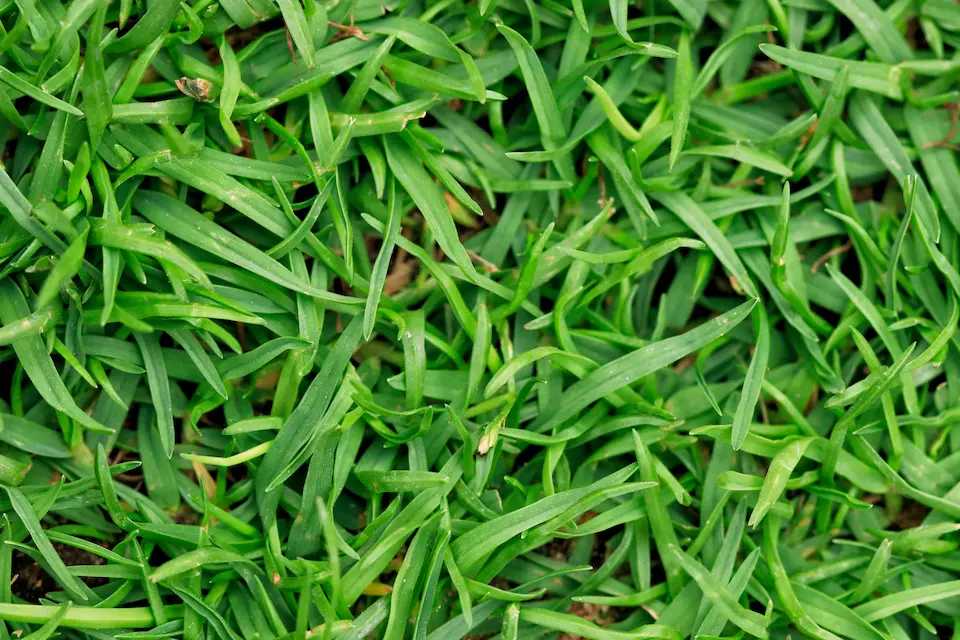
Bermuda grass thrives beautifully in North Carolina’s warm climate, providing a lush, durable lawn perfect for active families and outdoor fun. With proper care, it can establish quickly and stay green through most of the year. The key is understanding North Carolina’s weather patterns and soil conditions to maintain a healthy Bermuda lawn.
In North Carolina, Bermuda grass is an excellent choice for those seeking a resilient and low-maintenance lawn. It adapts well to the heat and can withstand foot traffic, making it ideal for yards, sports fields, and golf courses. Proper watering, fertilization, and mowing are essential for keeping Bermuda grass vibrant and healthy throughout the seasons.
Looking to grow Bermuda grass in North Carolina? Knowing when to plant, how to care for it, and managing common pests and diseases will set your lawn up for success. With a bit of effort and the right techniques, you’ll soon enjoy a lush, green Bermuda yard that thrives in the Tar Heel State.

Bermuda Grass in North Carolina: A Complete Guide
Introduction to Bermuda Grass in North Carolina
Bermuda grass is a popular choice for lawns across North Carolina. This grass type thrives in warm climates and is known for its durability and lush appearance. It is especially favored in southern parts of the state where the weather supports its growth. Understanding the characteristics of Bermuda grass can help homeowners make informed decisions about lawn care and maintenance.
Why Choose Bermuda Grass in North Carolina?
Bermuda grass offers several benefits for North Carolina residents. Its resistance to drought means less watering during dry seasons. Additionally, it tolerates heavy foot traffic, making it ideal for family yards and recreational areas. The grass also has a fast recovery rate after damage, which keeps lawns looking healthy year-round.
Optimal Growing Conditions for Bermuda Grass
Temperature and Climate Requirements
Bermuda grass thrives in temperatures between 75°F and 95°F. North Carolina’s warm summers provide perfect conditions for this grass to flourish. It struggles in cooler temperatures, so it is typically planted in late spring and early summer.
Sunlight Needs
Full sunlight is essential for Bermuda grass to grow well. It requires at least six hours of direct sunlight each day. Shaded areas can lead to thin, patchy lawns, so location plays a key role in successful growth.
Soil Conditions
Bermuda grass prefers well-drained soil with a pH level between 5.8 and 7.0. Sandy or loamy soils are ideal, but it can adapt to different soil types with proper amendments. Before planting, soil testing and adjustments can enhance grass health.
Planting Bermuda Grass in North Carolina
Methods of Planting
There are two main ways to establish Bermuda grass: seed and sod.
- Seeding: Best done in late spring. Use high-quality seed and follow recommended planting depths and rates.
- Sodding: Provides instant lawn coverage and is often preferred for quick results. Sods should be laid out on prepared soil and watered thoroughly.
Timing and Best Practices
Plant Bermuda grass when soil temperatures reach at least 65°F. For North Carolina, late April through June is ideal. Proper soil preparation and watering after planting are critical for successful establishment.
Caring for Bermuda Grass in North Carolina
Watering Requirements
During the growing season, Bermuda grass needs about 1 to 1.5 inches of water weekly. Deep, infrequent watering encourages deep roots. Adjust watering during droughts or heavy rain to maintain healthy growth.
Mowing Tips
Keep the mower blade sharp and mow between 1 to 2 inches high. Regular mowing promotes dense growth and prevents weeds from taking over. Avoid cutting more than one-third of the grass height at a time.
Fertilization Schedule
Apply a balanced fertilizer rich in nitrogen in late spring and early summer. Follow specific recommendations based on soil test results. Over-fertilizing can lead to thatch buildup and disease, so moderation is key.
Pest and Disease Management
Common Pests
Watch for pests such as cutworms, armyworms, and grubs. Regular inspection and targeted treatments help prevent severe damage. Maintaining healthy grass reduces pest susceptibility.
Diseases to Watch For
Fungal diseases like dollar spot and brown patch can occur, especially during humid summer months. Proper watering, aeration, and avoiding over-fertilization help keep these diseases in check.
Dealing with Common Bermuda Grass Challenges in North Carolina
Thatch Buildup
Thatch is a layer of dead grass and roots that can suffocate new growth. Aerating the lawn and dethatching when necessary improves air and water flow.
Overgrowth and Spread Control
Bermuda grass spreads rapidly through stolons and rhizomes. Maintain control by mowing at the correct height and overseeding thin areas to prevent patchiness.
Benefits of Bermuda Grass for North Carolina Lawns
Bermuda grass creates a dense, green carpet that resists weeds and withstands heavy use. Its quick recovery and drought tolerance make it a practical choice for busy households. Furthermore, it provides a cool, comfortable surface for outdoor activities.
Related Topics for North Carolina Lawn Enthusiasts
Overseeding Bermuda Grass
To fill in bare spots or improve lawn density, overseeding is an effective practice. Timing and seed selection are important for successful overseeding.
Winter Care and Dormancy
Bermuda grass goes dormant in the winter months, turning brown. Proper fall cleanup and avoiding heavy traffic during dormancy help ensure a healthy comeback in spring.
Complementary Lawn Care Practices
Combining Bermuda grass with other grasses or plants can add diversity and resilience. Aeration, dethatching, and consistent watering form the foundation of a thriving Bermuda lawn.
Growing Bermuda grass in North Carolina offers many advantages for homeowners seeking a lush, durable, and low-maintenance lawn. Understanding its needs, planting techniques, and care routines helps ensure success. By providing the right conditions and regular maintenance, you can enjoy a vibrant Bermuda grass lawn that enhances your property’s beauty and functionality.
Bermuda Lawn Care – 5 Basics – For A Nice Green Lawn – Beginners Start Here!
Frequently Asked Questions
What are the benefits of planting Bermuda grass in North Carolina?
Bermuda grass thrives in North Carolina’s warm climate, providing a dense and resilient lawn that withstands heavy foot traffic and drought conditions. It requires less maintenance once established and offers a natural, attractive appearance that enhances the overall landscape. Additionally, Bermuda grass’s deep root system helps prevent soil erosion and improves soil health over time.
How should I care for Bermuda grass to ensure healthy growth in North Carolina?
To keep Bermuda grass healthy in North Carolina, ensure it receives plenty of sunlight, ideally at least six hours a day. Maintain consistent watering, especially during dry spells, but avoid overwatering to prevent root rot. Fertilize regularly with a balanced fertilizer, particularly during the active growing season. Mow the grass at a height of about 1 to 2 inches, and aerate the soil annually to promote healthy root development.
What challenges might I face when growing Bermuda grass in North Carolina?
One common challenge is managing weeds, which can compete with Bermuda grass for nutrients and space. Proper lawn maintenance and timely fertilization can help control weed growth. Another issue is cold tolerance; Bermuda grass may struggle with winter temperatures in northern parts of North Carolina. Overseeding with cool-season grasses can help maintain a green lawn year-round in these areas.
When is the best time to plant Bermuda grass in North Carolina?
The optimal time to plant Bermuda grass in North Carolina is during late spring when temperatures consistently stay above 65°F. This timing allows the grass to establish roots before the heat of summer. Early fall can also be suitable for overseeding or patching, as long as the soil remains warm enough for growth and the weather permits consistent watering.
Can Bermuda grass adapt to shaded areas in North Carolina?
Bermuda grass requires full sun to grow effectively. It does not perform well in shaded areas, often resulting in thin, sparse patches. For shaded zones, consider alternative grasses such as fescue or zoysia that tolerate lower light conditions better. If Bermuda grass is essential, trim back overhanging branches to increase sunlight exposure.
Final Thoughts
Bermuda grass in North Carolina thrives in warm climates and is popular for lawns and sports fields. It requires moderate maintenance and offers excellent drought resistance. Proper mowing and watering help maintain its healthy growth.
Understanding its soil needs and adapting care routines ensure a lush, green yard. Bermuda grass can be a durable and attractive option for North Carolina residents.
In summary, Bermuda grass in North Carolina offers a practical choice for those seeking resilient turf. It adapts well to local conditions, making it a reliable and attractive landscape solution.