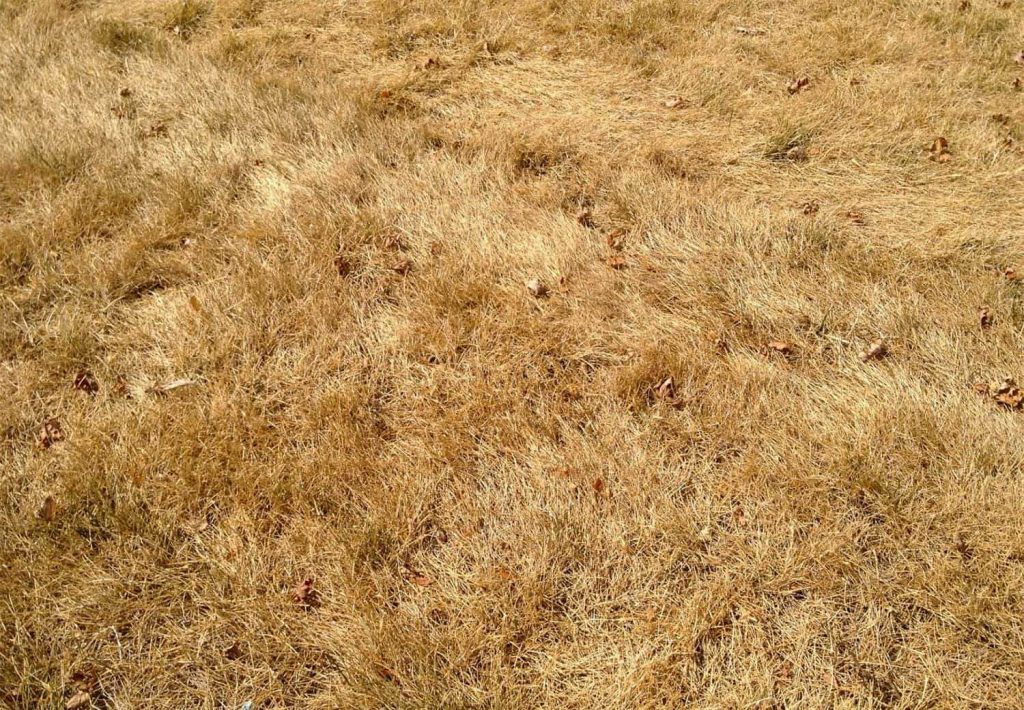
Yes, bermuda grass often turns brown during the winter months. This is a natural part of its dormancy cycle, especially in cooler climates. However, with proper care and the right varieties, you can keep your lawn looking greener or restore its lush appearance faster.
Bermuda grass typically goes dormant and turns brown when colder temperatures arrive, usually in late fall and winter. This seasonal change is normal and helps the grass conserve energy. While it may look unsightly during the winter, it will usually bounce back once warmer weather returns. Understanding this cycle can help you better care for your lawn and manage expectations for its winter appearance.
Bermuda grass is a popular turf choice for many homeowners because of its durability and lush green look during warmer months. However, as temperatures drop, especially below 55°F (13°C), this grass naturally becomes dormant. During dormancy, it turns brown and looks patchy, giving the impression that it’s dying. This is perfectly normal and nothing to worry about, as the grass is simply conserving resources until conditions improve. Knowing this seasonal behavior allows you to prepare your lawn, whether that’s through winter lawn care or choosing the right Bermuda variety for your climate. So, while your Bermuda grass might not be as vibrant in winter, it’s just resting and ready to thrive again in the spring.

Does Bermuda Grass Turn Brown in the Winter?
Understanding Bermuda Grass and Its Growth Cycle
Bermuda grass is a popular warm-season grass loved for its lush green appearance and durability. It thrives in hot climates and is often used for lawns, sports fields, and golf courses. During the warm months, Bermuda grass stays vibrant and green.
In winter, however, Bermuda grass enters a period of dormancy. This means it slows down growth significantly or completely stops. As a result, its green color can fade or turn brown, especially in colder temperatures.
Bermuda grass has a natural cycle aligned with the seasons. It grows actively during the spring and summer, then conserves energy during fall and winter. This process is essential for the grass’s health and future growth.
Why Does Bermuda Grass Turn Brown in Winter?
Bermuda grass turns brown in winter mainly due to temperature changes. When temperatures drop below 60°F (15°C), the grass begins to go into dormancy. This is a protective response to harsh weather.
The brown color occurs because the grass stops producing chlorophyll, the pigment responsible for green color. Without chlorophyll, the grass appears brown and dormant. This state helps Bermuda grass survive cold conditions without damage.
Another reason is the reduced sunlight hours during winter. Less sunlight means less energy for photosynthesis, which is necessary for maintaining lush green color. Over time, this leads to a loss of vibrant color and a dormant appearance.
Factors That Influence How Bermuda Grass Reacts to Winter
Several factors determine how much Bermuda grass browns during the winter:
- Climate Zone: In warmer zones like USDA zones 8 and above, Bermuda grass may stay semi-green longer. In colder zones, dormancy is more pronounced.
- Indoor vs. Outdoor: Grass grown in protected environments or warmer microclimates may retain some color.
- Type of Bermuda Grass: Some varieties are more cold-tolerant and may turn brown less aggressively.
- Soil Conditions: Well-drained soils promote healthier grass that can recover faster in spring.
- Maintenance Practices: Proper fertilization and watering can influence dormancy and recovery.
How Long Does Bermuda Grass Stay Brown in Winter?
The duration of dormant, brown Bermuda grass varies with climate and care. In most regions, dormancy lasts from late fall through winter, typically until daytime temperatures rise above 70°F (21°C).
In warmer climates, Bermuda grass might retain some greenery even in mild winters. In colder zones, full dormancy can last until early spring, around March or April. Patience is key, as the grass will bounce back when conditions become favorable.
Can You Keep Bermuda Grass Green During Winter?
While Bermuda grass naturally turns brown in winter, some homeowners attempt ways to keep it green. One method is to grow it in warmer microclimates or indoors with controlled temperatures.
Applying supplemental heat, such as outdoor heaters or grow lights, can help maintain some green color. However, these methods are often expensive and not practical for large lawns.
Generally, it is most normal and healthy for Bermuda grass to turn brown in winter. Trying to keep it green artificially can stress the grass and lead to problems like disease or uneven growth.
How to Care for Bermuda Grass During Dormancy
Proper maintenance during dormancy ensures that Bermuda grass recovers quickly in spring. Here are some tips:
Reduce Watering
Water less frequently during dormancy to prevent fungal issues. Overwatering can cause the grass to rot or develop problems when growth resumes.
Minimize Fertilization
Avoid fertilizing during winter. Excess nutrients can encourage unnecessary growth that the cold cannot support.
Manage Mowing
Cutting the grass very short in late fall can help prevent disease. Do not mow during dormancy unless necessary to remove dead or damaged grass.
Protect From Heavy Frost
In colder regions, use mulch or frost blankets to shield Bermuda grass from harsh winter conditions.
Spring Recovery and Reseeding
As temperatures increase, Bermuda grass begins to recover. You might notice patches of green reappearing in early spring.
If areas of your lawn are slow to green up, overseeding with Bermuda seed can promote a quick comeback. Applying fertilizer at this time supports healthy growth.
Patience is essential, as full recovery can take several weeks after winter ends.
Related Topics to Consider
Comparing Bermuda Grass With Other Lawns
Understanding how Bermuda differs from other grasses like Kentucky bluegrass or fescue helps in planning winter care.
Climate Adaptation and Choosing the Right Grass for Your Area
Selecting grass types suited for your climate reduces winter browning and improves lawn resilience.
Best Practices for Lawn Renovation in Winter
If your Bermuda lawn has suffered damage, winter is a good time to plan renovation or overseeding strategies for the upcoming growing season.
Impact of Soil Fertility and Drainage
Healthy soil promotes stronger turf that can better withstand winter dormancy and recover quickly.
Applying Winter Lawn Care Products
Products like dormancy fertilizers or soil conditioners can support the health of Bermuda grass during its rest period.
Final Thoughts on Bermuda Grass and Winter Brownness
Bermuda grass turning brown in winter is a normal, natural process that helps the grass survive colder months. Understanding its dormancy cycle allows homeowners to care for their lawns properly.
While it looks less attractive in winter, healthy Bermuda grass will bounce back with the arrival of warmer weather. Proper winter care, patience, and knowledge about your specific climate will ensure a lush, green lawn year after year.
Why your Bermuda Grass turns brown after you cut it // Browning Lawn after mowing
Frequently Asked Questions
Does bermuda grass go dormant during winter months?
Yes, bermuda grass typically enters dormancy in colder temperatures, especially in regions with winter temperatures below 55°F (13°C). During this period, the grass stops growing actively and may appear brown or dull, conserving energy until warmer weather returns.
What causes bermuda grass to turn brown in winter?
Several factors contribute to bermuda grass turning brown in winter. The primary reason is the plant’s natural response to cold temperatures, which triggers dormancy. Additionally, reduced sunlight and lower temperatures slow down growth and cause the grass to lose its green color. Drought stress or improper watering can also exacerbate browning during this period.
Is it necessary to overseed bermuda grass to maintain its green appearance in winter?
In colder climates, overseeding bermuda grass with cool-season grasses like ryegrass can help maintain a green lawn during winter. Overseeding provides a green cover that persists through the dormant period, making lawns look lush year-round. However, in warmer regions, overseeding may not be necessary as bermuda grass remains active longer into the year.
How can I care for bermuda grass to reduce browning in winter?
To minimize browning, keep your bermuda grass healthy by mowing at the proper height, avoiding over-fertilization late in the season, and ensuring adequate watering without overdoing it. In colder months, reducing irrigation can help prevent fungal issues and support dormancy. Additionally, applying a winterizing fertilizer before the first frost can prepare the grass for dormancy and quicker recovery in spring.
When does bermuda grass typically start greening up again after winter dormancy?
As temperatures rise in spring, bermuda grass begins to emerge from dormancy, usually around late March to early May depending on your climate. The grass slowly starts greening as daylight increases and soil warms, signaling the end of dormancy and the start of active growth.
Final Thoughts
Bermuda grass typically turns brown during winter as a natural response to cooler temperatures and reduced sunlight. This dormancy helps the grass conserve energy until favorable growing conditions return.
In colder climates, Bermuda grass often remains brown throughout winter, especially if temperatures drop below freezing. Some varieties might stay green longer if winters are mild.
Understanding whether bermuda grass turns brown in the winter helps homeowners plan for lawn care and maintenance. It’s normal for Bermuda grass to brown, but with proper care, it can bounce back in spring.