Tired of high water bills and endless mowing? Explore 11 eco-friendly grass alternatives that are beautiful, sustainable, and beneficial for the environment. From clover to creeping thyme, these options reduce water consumption, chemical use, and maintenance, creating a greener, healthier yard.
Are you dreaming of a vibrant, green outdoor space but worried about the environmental impact of a traditional lawn? You’re not alone! Many of us love the idea of a lush carpet of grass, but the reality often involves heavy watering, frequent mowing, and the use of chemicals. It’s a cycle that can be tough on your wallet and the planet. But what if there were other ways to achieve a beautiful yard?
The good news is, there are! Eco-friendly grass alternatives are gaining popularity, and for good reason. These options offer a stunning, sustainable way to “green up” your lawn, often requiring less upkeep and providing significant environmental benefits. Imagine a yard that not only looks great but also supports local wildlife and conserves precious resources. It’s totally achievable!
This article is your guide to exploring some of the most fantastic eco-friendly grass alternatives. We’ll dive into what makes them great choices, how they can benefit your yard, and practical tips for incorporating them into your landscape. Get ready to reimagine your lawn and embrace a more sustainable approach to outdoor beauty.
Key Takeaways
- Reduce water usage: Many eco-friendly alternatives are more drought-tolerant than traditional grass, saving water and money.
- Lower maintenance: These options often require less mowing, fertilizing, and pest control, freeing up your time.
- Boost biodiversity: Flowers and low-growing plants attract pollinators like bees and butterflies, supporting local ecosystems.
- Improve soil health: Some alternatives, like clover, can fix nitrogen in the soil, reducing the need for fertilizers.
- Chemical-free approach: Many alternatives thrive without synthetic pesticides and herbicides, promoting a healthier environment.
- Variety of aesthetics: From lush groundcovers to blooming meadows, there are eco-friendly options to suit diverse landscape designs.
Quick Answers to Common Questions
What is the most drought-tolerant grass alternative?
Creeping thyme and sedum varieties are exceptionally drought-tolerant once established, requiring very little water.
Can I replace my entire lawn with clover?
Yes, you can establish a pure clover lawn, or mix clover seeds with grass seed for a hybrid approach that offers many benefits.
Which alternatives are best for shady areas?
Moss and certain varieties of Dichondra and fine-leaf fescues thrive in shady conditions where traditional grass struggles.
Do these alternatives require mowing?
Many require significantly less mowing, and some, like moss, require no mowing at all. Others, like clover, can be mown occasionally to keep them tidy.
Are these alternatives good for pets and children?
Most eco-friendly alternatives are safe for pets and children. They often don’t require the harsh chemicals associated with traditional lawns.
📑 Table of Contents
Why Consider Eco-Friendly Grass Alternatives?
Before we jump into the amazing alternatives, let’s quickly touch on *why* making the switch is such a smart move. Traditional grass lawns, while popular, come with a significant environmental footprint. They are thirsty, often requiring extensive irrigation, especially in drier climates or during hot summer months. Many also need regular fertilization to stay lush, which can lead to nutrient runoff into waterways. Plus, the constant mowing contributes to air pollution and noise.
Choosing eco-friendly grass alternatives helps mitigate these issues. These options are designed to be more resilient, requiring less water and fewer inputs. They can reduce your carbon footprint, support beneficial insects and pollinators, and even improve your soil’s health over time. It’s a win-win for you and the environment.
Water Conservation is Key
In many regions, water is becoming an increasingly precious resource. Traditional lawns are notoriously thirsty. Drought-tolerant alternatives can drastically cut down on your water bill and your environmental impact. Think about the peace of mind knowing your yard looks good even when it hasn’t rained for weeks. For those facing drought conditions, finding ways to keep your lawn green is crucial, and alternatives are a fantastic solution. You can explore more about how to keep your lawn green during a drought and see how these alternatives fit in.
Reduced Maintenance and Cost
Let’s be honest, lawn care can be a lot of work. Mowing, weeding, fertilizing – it all adds up. Many eco-friendly grass alternatives require significantly less mowing. Some don’t need mowing at all! This means more free time for you and less wear and tear on your mower. Fewer chemicals also mean less money spent on fertilizers and pesticides, contributing to a healthier yard and a healthier budget. Learning how to keep your lawn green without overwatering is a great start, and these alternatives take it a step further.
Boosting Biodiversity
A monoculture of grass doesn’t offer much to local wildlife. Many eco-friendly alternatives, especially those with flowering components, provide vital food and habitat for pollinators like bees, butterflies, and other beneficial insects. A yard buzzing with life is not only beautiful but also contributes to the health of your local ecosystem. It’s a natural way to attract good bugs and create a vibrant, living landscape.
11 Eco-Friendly Grass Alternatives to Consider
Visual guide about 11 Eco Friendly Grass Alternatives to Green Up Your Lawn
Image source: img-s-msn-com.akamaized.net
Now, for the exciting part! Here are 11 fantastic eco-friendly grass alternatives that can transform your yard into a sustainable paradise.
1. Clover (Trifolium repens)
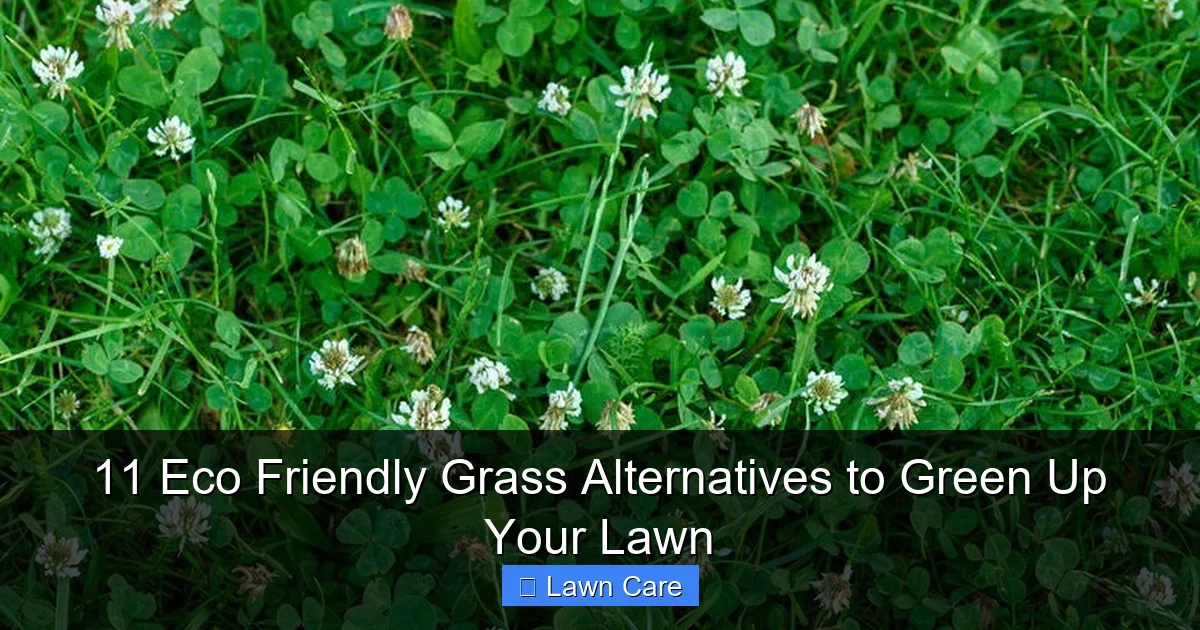
White clover is a superstar in the world of eco-friendly lawn alternatives. It’s incredibly tough, drought-tolerant once established, and fixes nitrogen from the air into the soil, naturally fertilizing itself and surrounding plants. It stays green even in hot weather and requires very little mowing. Plus, its tiny white flowers are a magnet for bees! You can sow clover seeds directly into your existing lawn or establish a pure clover lawn. It can even help outcompete weeds.
* Pros: Drought-tolerant, fixes nitrogen, low-maintenance, attracts pollinators, stays green.
* Cons: Can spread aggressively, some people dislike the flowers tracking indoors.
* Tip: Mix clover seeds with grass seed or establish it as a separate groundcover. It also looks great when you need to patch lawn with leftover grass seed.
2. Creeping Thyme (Thymus serpyllum)
For a fragrant, low-growing, and drought-tolerant option, creeping thyme is a winner. This woody perennial forms a dense mat of tiny leaves and produces beautiful small purple or pink flowers in the summer. It can tolerate light foot traffic and smells wonderful when stepped on. It thrives in full sun and well-drained soil.
* Pros: Very drought-tolerant, fragrant, attractive flowers, tolerates light traffic, low-growing.
* Cons: Can be slow to establish, may not tolerate heavy foot traffic.
* Tip: Perfect for pathways, rock gardens, or areas with limited sun exposure that still get decent light.
3. Sedum (Stonecrop)
Sedums are succulents that are incredibly drought-tolerant and low-maintenance. Many varieties, like ‘Angelina’ or ‘Dragon’s Blood’, spread to form a dense groundcover. They offer a unique texture and a variety of colors, from deep green to vibrant red. They prefer full sun and well-drained soil and are very hardy.
* Pros: Extremely drought-tolerant, low-maintenance, unique textures and colors, attracts pollinators.
* Cons: Can be sensitive to overwatering, may not withstand heavy foot traffic.
* Tip: Ideal for sunny, dry slopes and borders where other plants struggle to grow.
4. Moss
If you have shady, damp areas where grass struggles to grow, moss might be your perfect solution! Moss thrives in low-light, moist conditions and creates a lush, velvety green carpet. It requires no mowing, no fertilizing, and very little attention. It’s a natural groundcover that feels soft underfoot.
* Pros: Thrives in shade and moisture, no mowing or fertilizing needed, soft texture.
* Cons: Requires shade and consistent moisture, not suitable for sunny or dry areas, cannot tolerate heavy foot traffic.
* Tip: Encourage moss growth by reducing sunlight, keeping the soil moist, and minimizing foot traffic.
5. Chamomile (Chamaemelum nobile)
This flowering herb is another excellent choice for a low-growing, fragrant lawn alternative. Chamomile lawns are incredibly soft and release a lovely scent when mown or walked upon. It’s drought-tolerant once established and can even be used to make tea! It prefers full sun and well-drained soil.
* Pros: Fragrant, soft texture, drought-tolerant, medicinal uses, attracts pollinators.
* Cons: Can be susceptible to fungal diseases in overly wet conditions, may require some overseeding.
* Tip: A chamomile lawn is a delightful sensory experience – perfect for play areas where gentle foot traffic is expected.
6. Native Wildflowers and Groundcovers
This is a broad category, but for good reason! Embracing native plants is one of the most eco-friendly choices you can make. Native wildflowers and groundcovers are perfectly adapted to your local climate and soil conditions, meaning they’ll require minimal watering, fertilizing, or pest control. They also provide crucial habitat and food for local wildlife.
* Pros: Highly adapted to local conditions, require minimal inputs, support native wildlife, diverse aesthetics.
* Cons: May require some initial planning and research to select appropriate species.
* Tip: Research plants native to your specific region. Consider creating a “meadow garden” or incorporating native groundcovers into existing garden beds. This approach aligns well with finding natural ways to green up your lawn.
7. Creeping Sedges and Rushes
These are grass-like plants that are often native and well-suited to specific conditions. They can provide a lush, green appearance without the high demands of traditional turfgrass. Varieties like Carex, for instance, offer different textures and colors and can thrive in both sun and shade, depending on the species.
* Pros: Often native and low-maintenance, good for varying light conditions, can have interesting textures.
* Cons: Can look less like a traditional lawn, may require specific soil conditions.
* Tip: Research creeping sedges and rushes that are native to your area and suitable for the conditions in your yard.
8. Dichondra (Dichondra repens)
Often called “kidney weed,” Dichondra forms a dense, low-growing mat of round, kidney-shaped leaves. It’s a beautiful, soft green groundcover that tolerates shade and moderate foot traffic. It prefers moist soil but can be quite resilient once established.
* Pros: Soft texture, tolerates shade, low-growing, can be mown short.
* Cons: Can be susceptible to frost, may struggle in very hot and dry conditions without supplemental water, can be slow to establish.
* Tip: A great option for shady areas or as a living mulch in garden beds.
9. Micro-Clover Lawns
A variation on the traditional clover, micro-clover is a low-growing variety that produces fewer flowers, making it more aesthetically pleasing for those who prefer a more manicured look. It still retains many of the benefits of regular clover, like nitrogen fixation and drought tolerance, but with a finer texture.
* Pros: Low-growing, fewer flowers, nitrogen-fixing, drought-tolerant, less mowing.
* Cons: Can be more expensive than regular clover seed, may still attract some pollinators.
* Tip: Blend micro-clover with fine fescues for a beautiful and sustainable lawn that requires less maintenance.
10. Fescue Grasses (Fine-leaf varieties)
While still a type of grass, certain fescue varieties are far more eco-friendly than traditional turfgrasses like Kentucky bluegrass. Fine-leaf fescues, such as creeping red fescue or chewings fescue, are shade-tolerant, drought-tolerant once established, and require less fertilizer and mowing. They create a beautiful, dense turf with less effort.
* Pros: Shade and drought tolerant, requires less fertilizer and mowing, dense growth habit.
* Cons: Can be susceptible to disease in poorly drained or compacted soils, may not withstand very heavy traffic as well as some other grasses.
* Tip: Consider using a blend of fine fescues for a resilient and low-maintenance lawn, especially in shady or dry areas. Understanding how to choose the best grass type for your lawn is key, and fescues are often a smart eco-friendly choice.
11. Groundcover Shrubs and Plants
For a more textured and diverse landscape, consider using low-growing shrubs and perennial plants as groundcovers. Options like creeping juniper, vinca minor (periwinkle), or hostas can fill in spaces, suppress weeds, and add visual interest. They offer a completely different aesthetic than a traditional lawn.
* Pros: Adds significant texture and color, supports diverse wildlife, can cover large areas effectively, very low maintenance once established.
* Cons: May not be suitable for areas intended for heavy foot traffic, initial planting can be more involved than seeding.
* Tip: Group plants with similar needs together to create cohesive and easy-to-care-for garden areas. This can be a great way to manage lawn waste too, by turning it into compost for these areas, as detailed in best eco-friendly methods to handle lawn waste.
Implementing Your Eco-Friendly Lawn Makeover
Transitioning to an eco-friendly lawn alternative doesn’t have to happen overnight. You can start small, gradually replacing sections of your lawn with these sustainable options. Here are a few tips to make the process smooth:
Phase Out Traditional Grass
If you’re replacing an existing lawn, you’ll need to remove the current grass and weeds. You can do this by smothering the area with cardboard or tarps (sheet mulching), which is an effective and eco-friendly method. Alternatively, you can rent a sod cutter, though this is more labor-intensive. For invasive grasses like Bermuda, you might need specific removal techniques, so check out guides on how to get rid of Bermuda grass in your lawn.
Soil Preparation is Key
Regardless of what you choose, healthy soil is fundamental. Amend your soil with compost to improve drainage and nutrient content. This will give your new groundcovers the best start. You want to create an environment where your chosen plants will thrive.
Planting and Seeding
Follow the specific planting instructions for your chosen alternative. Some are best sown as seeds, while others are planted as plugs or small plants. Ensure proper watering during the establishment phase, even for drought-tolerant species.
Ongoing Care (It’s Easier!)
Once established, your eco-friendly lawn will require much less intensive care. You might still need to do some light weeding, especially in the initial stages. Some alternatives benefit from occasional top-dressing with compost or a light mowing to encourage denser growth. The beauty is that it’s significantly less demanding than a traditional grass lawn, and you’ll find yourself using fewer chemicals and less water, which is a key part of learning how to keep your lawn green without using chemicals.
Embrace a Greener Future
Switching to eco-friendly grass alternatives is a powerful way to reduce your environmental footprint, conserve resources, and create a more beautiful, functional, and biodiverse yard. Whether you choose the nitrogen-fixing power of clover, the fragrant beauty of creeping thyme, or the low-maintenance charm of sedums, you’re making a positive impact.
So, take a step back from the traditional lawn care routine. Explore these amazing alternatives and imagine a yard that works *with* nature, not against it. Your lawn can be a vibrant, living ecosystem that brings joy to you and benefits the planet. It’s time to green up your lawn, the eco-friendly way!
Frequently Asked Questions
How do I start transitioning my lawn to an eco-friendly alternative?
You can start by sheet mulching your existing lawn to kill the grass and weeds, then prepare the soil with compost before planting your chosen alternative.
Will these alternatives look as good as a traditional grass lawn?
Eco-friendly alternatives offer a different kind of beauty, often with more texture, color, and biodiversity. Many people find them equally, if not more, aesthetically pleasing than traditional lawns.
How long does it take for these alternatives to establish?
Establishment times vary. Seeded options like clover can take a few weeks to sprout and a season to fully mature, while plants like sedums might establish faster.
Can I still have a play area with these alternatives?
Some alternatives, like clover or finely mown fescues, can tolerate light to moderate foot traffic and are suitable for play areas. Always consider the specific tolerance of your chosen plant.
What if I have a very sunny and dry yard?
For sunny and dry conditions, creeping thyme, sedum, and drought-tolerant native grasses or wildflowers are excellent choices. You can learn more about how to keep your lawn green in the summer heat to see how these alternatives perform.
Are there any potential drawbacks to using grass alternatives?
Potential drawbacks can include slower establishment times, different maintenance needs (e.g., specific watering requirements for moss), and not always replicating the exact look of a traditional lawn. Some may also not tolerate very heavy foot traffic.